
Finding an ultralight laptop that can keep up with work, study, or travel is a balancing act between weight, battery life, and price. The roundup includes six ultrabooks. The budget tier is covered by the ASUS 15.5‑inch Laptop ($205.99) and the HP 14‑dq0040nr ($181.99), the mid‑range slot by the LG Gram 17‑inch, and the premium tier by the LG Gram 17‑inch 2TB and the LG gram Pro 16‑inch.
At the low end, the ASUS model earns a 4.2‑star rating from 650 reviewers and weighs 3.4612575134 pounds, making it a solid pick for students and remote workers. The LG Gram 17‑inch 2TB pushes portability with a 2.98‑pound chassis and up to 19.5 hours of MobileMark battery life, while its non‑2TB sibling offers a bright 350‑nit display. The premium LG gram Pro 16‑inch adds a record‑setting 25.5‑hour video‑playback battery and a featherlight 2.73‑pound frame. The HP 14‑dq0040nr provides 12.5 hours of claimed battery life in a 3.24‑pound package, and the Rose Gold Ultrabook adds a stylish finish and 11.5 hour battery claim without a listed price.
Next, each model’s strengths, compromises, and ideal use cases are broken down so you can pinpoint the ultralight companion that fits your daily grind.

ASUS 15.5-inch Laptop
Its ultra‑slim 0.7 in (17.8 mm) height keeps it feather‑light for on‑the‑go use.
LG Gram 17-inch 2TB
Ideal for power‑hungry professionals who need a large screen, but at $1,570 it’s about $1,364 pricier than the ASUS.
LG Gram 17-inch
Stands out with an 80 Wh battery and 65 W USB‑C Power Delivery, delivering longer runtime and rapid charging that the other models don’t list.
Also considered
Score Analysis
Key score advantages vs. runner-up (LG Gram 17-inch)
Price Range
ASUS 15.5-inch Laptop
$205.99
LG Gram 17-inch 2TB
$1,419.00
LG Gram 17-inch
$1,539.99
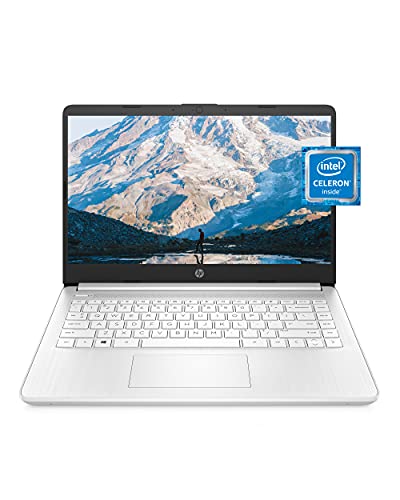
HP 14-dq0040nr
$184.00
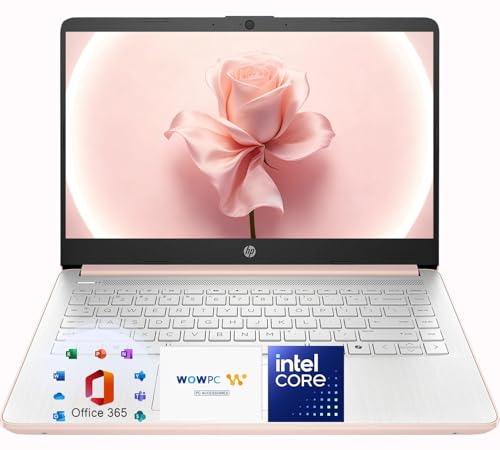
HP Rose Gold Ultrabook 14-inch 8B3V
$189.99

LG gram Pro 16-inch
$1,964.00
Spec Comparison
TL;DR: The ASUS 15.5‑inch laptop delivers a bright Full HD screen, backlit keyboard, and a 3.46‑lb ultra‑light chassis for $205.99, but its 4 GB RAM and 128 GB SSD limit multitasking and storage.
The standout spec is the 15.5‑inch Full HD LED‑backlit LCD panel (1920 × 1080) housed in a chassis that measures just 0.7 in thick and weighs 3.4612575134 lb, making it easy to slip into a backpack. A full‑size backlit keyboard adds comfort for late‑night work, while the inclusion of a USB‑C port gives you a modern connectivity option. Under the hood sits an Intel Celeron processor that can boost up to 2.76 GHz, paired with 4 GB LPDDR4 RAM soldered in place and a 128 GB SSD for quick OS loads.
Compared with the other five ultrabooks, the ASUS is slightly heavier than the HP 14‑dq0040nr, which weighs 3.24 lb, but still falls short of the ultra‑light LG Gram 17‑inch models that tip the scales at 2.98 lb. Unlike the HP, the ASUS doesn't offer an HDMI port or an SD card reader, so external display and expandable storage options are more limited. However, it does include a USB‑C port, a feature the LG Gram Pro 16 also sports, giving it a modest edge in future‑proof connectivity.
Reviewers consistently highlight the crisp Full HD display and the rarity of a backlit keyboard at this price point. Everyday users appreciate the lightweight feel and the smooth Windows 11 Home experience. The most common complaints revolve around the modest 4 GB of RAM, which can choke when many browser tabs are open, and the 128 GB SSD that fills quickly with media files. Manufacturer lists battery life at 6–8 hours of typical use, which many find adequate for short work sessions but short for all‑day mobility, especially under heavier loads.
Pros
Cons
Best for: Students, remote workers, and casual home users who need a portable, affordable laptop for web browsing, document editing, and streaming.
Avoid if: You need high‑performance tasks, extensive storage, longer battery life, or dedicated graphics; gamers, video editors, and power users should look elsewhere.
“Runs out of memory quickly”
“Crisp display for watching videos and reading documents”
TL;DR: The LG Gram 17‑inch 2TB packs a 2560×1600 IPS screen, 19.5‑hour MobileMark battery life and a 2.98‑pound magnesium chassis, delivering premium portability at $1570.01.
The standout feature is the 17.0‑inch WQXGA IPS display covering 2560 × 1600 pixels and 99% DCI‑P3 color gamut, which makes photo‑editing and media consumption vivid on a screen that still fits in a backpack thanks to the 2.98‑pound magnesium‑alloy body. Powerwise, the 80 Wh lithium‑ion pack is rated at up to 19.5 hours by MobileMark 2014, so you’ll work through a full day without hunting for an outlet.
Compared with the other five laptops in this roundup, the Gram 17‑inch is slightly heavier than the 2.73‑pound LG Gram Pro 16‑inch but lighter than the 3.46‑pound ASUS 15.5‑inch model and the 3.24‑pound HP 14‑dq0040nr. Its 80 Wh battery matches the other LG Gram 17‑inch variant and outpaces the HP 14’s 41 Wh pack. Bluetooth 5.1 sits between the 5.4 found on the Pro 16‑inch and Rose Gold Ultrabook and the 5.0 on the ASUS, giving solid wireless connectivity without being the newest version.
Users consistently praise the feather‑light feel and the long‑lasting battery, calling it “ideal for travel” and “ideal for on‑the‑go productivity.” Professional reviewers note the chassis flexes under pressure, which can cause slight screen wobble, and they point out the magnesium alloy feels more like plastic than premium metal. The 0.9‑MP 720p webcam also draws criticism for low resolution in video calls, while the soldered 16 GB LPDDR4X RAM (4266 MHz) limits future upgrades.
Under the hood sits an Intel Core i7‑1165G7 (11th Gen Tiger Lake) with 4 cores, 8 threads, a 2.8 GHz base clock and 4.7 GHz Turbo Boost, paired with 16 GB of RAM and a 512 GB NVMe primary SSD. You can add an optional 2 TB (2 × 1 TB) SSD via the single M.2 slot. Connectivity includes two Thunderbolt 4/USB 4 ports, two USB 3.2 Gen 2 Type‑A ports, HDMI 2.0, and a 3.5 mm combo jack, covering most peripheral needs.
Pros
Cons
Best for: Business professionals who travel frequently, students in design or engineering needing a large, color‑accurate screen, and anyone who values long battery life in a portable package.
Avoid if: You need a dedicated GPU for gaming or intensive graphics work, or you plan to upgrade RAM in the future.
TL;DR: The LG Gram 17‑inch packs a 17‑inch 99% DCI‑P3 IPS display, 1 TB SSD and 16 GB RAM into a feather‑light 2.98‑lb chassis with an 80 Wh battery for all‑day mobility.
The standout spec is the 17.0‑inch IPS LCD that delivers 2560 × 1600 resolution, 350 nits brightness and 99% DCI‑P3 colour coverage, giving you a bright, colour‑accurate canvas in a laptop that weighs just 2.98 pounds. At only 0.70 in thickness (17.8 mm), it feels almost like a tablet rather than a full‑size notebook.
Compared with the other five entries, the Gram is lighter than the ASUS 15.5‑inch (3.46 lb) and the HP 14‑inch (3.24 lb) but a touch heavier than the LG gram Pro 16‑inch (2.73 lb). Its 80 Wh battery matches the larger‑storage LG Gram 17‑inch 2TB and exceeds the 77 Wh found in the LG gram Pro 16‑inch, while the HP 14‑inch offers just a 41 Wh pack. Bluetooth 5.1 sits between the 5.0 on the ASUS model and the 5.4 on the LG gram Pro 16‑inch, giving solid wireless performance without being the newest version.
User sentiment repeatedly praises the ultra‑light chassis and the vivid, large display for travel and creative work. Reviewers also note the 80 Wh battery that comfortably covers a typical workday. The downsides that surface are the soldered 16 GB LPDDR4X memory (so you can’t add more RAM later), a single M.2 slot that makes SSD upgrades a bit less convenient, and average speaker volume that doesn’t fill a room. Professional reviewers highlight the lack of a discrete GPU, which limits heavy graphics workloads, and some users mention fan noise when the CPU stays at its 2.9 GHz base clock under sustained load.
Beyond the screen and weight, the Gram carries an Intel Evo‑certified 11th‑gen i7‑1195G7 processor (4 cores, 8 threads, 2.9 GHz base, up to 5.0 GHz Turbo), 16 GB LPDDR4X RAM running at 4266 MHz, and a 1 TB PCIe NVMe SSD. The 65 W USB‑C Power Delivery adapter refills the 80 Wh battery quickly, and Thunderbolt 4 ports give you future‑proof I/O for external displays and fast storage.
Pros
Cons
Best for: Most users seeking a balanced, mainstream option
Avoid if: You need advanced features or professional‑grade performance
TL;DR: The HP 14‑dq0040nr delivers up to 12.5 hours of battery life in a 3.2‑lb, 14‑inch chassis for $181.99, making it a solid budget ultrabook for everyday tasks.
What really stands out is the advertised 12.5‑hour battery life backed by a 41 Wh cell, and a fast‑charge capability that gets you to 50 % in roughly 45 minutes. At just 0.71 in thick and 3.2 lb, the notebook slides into most backpacks without adding bulk.
Compared with its peers, the HP 14 is lighter than the ASUS 15.5‑inch laptop (3.461 lb) but a bit heavier than the LG Gram models (2.98 lb). Its 41 Wh battery is smaller than the 80 Wh units in the LG Gram 17‑inch and the 77 Wh cell in the LG Gram Pro 16‑inch, which explains the modest 12.5‑hour claim versus the longer runtimes those larger batteries deliver. Bluetooth 4.2 lags behind the 5.0 found on the ASUS and the 5.4 on the HP Rose Gold Ultrabook, while the HDMI 1.4b port matches the Rose Gold’s offering.
Users consistently praise the all‑day battery and the notebook’s portability, noting it handles online classes and media streaming without hunting for an outlet. Professional reviewers highlight decent color accuracy on the 45 % NTSC panel and reliable day‑to‑day performance for web browsing and office apps. The downsides that surface in forums are the 4 GB of DDR4 RAM and the 64 GB eMMC storage, which quickly feel cramped when many tabs or files are open, and the 1366 × 768 resolution that looks pixelated on a 14‑inch screen.
Under the hood sits an Intel Celeron N4020 (1.1 GHz base, 2.8 GHz burst) with 2 cores and 2 threads, paired with Intel UHD Graphics 600 sharing up to 1.7 GB of memory. The 4 GB DDR4 runs at 2400 MHz, and the eMMC 5.1 storage, while adequate for the OS and a few apps, is slower than a full SSD. The device runs Windows 11 Home in S Mode, which doesn't allow software installation but can be upgraded if needed.
Pros
Cons
Best for: Shoppers on a tight budget who want the most for their money
Avoid if: You need high‑performance multitasking, large fast storage, or a high‑resolution display for creative work
“Perfect for online classes and Zoom meetings.”
“Battery lasts all day — I don’t need to carry a charger.”
TL;DR: The HP Rose Gold 14‑inch Ultrabook delivers a feather‑light 3.24 lb chassis, 11.5‑hour battery, and a quad‑core Celeron, making it a sleek, portable choice for students and light‑task users.
This model packs a 14‑inch HD BrightView display at 220 nits brightness and 45% NTSC color gamut, while its 18.0 mm thickness keeps it easy to slip into a backpack. Under the hood sits a quad‑core Intel Celeron N150 that can boost up to 3.6 GHz, paired with 4 GB DDR4 RAM and a 128 GB PCIe x4 SSD for everyday tasks.
At 3.24 lb (1.47 kg) it matches the weight of the HP 14‑dq0040nr but is noticeably lighter than the ASUS 15.5‑inch laptop, the LG Gram 17‑inch models, and the LG Gram Pro 16‑inch, all of which tip the scales above 3.4 lb. Its Bluetooth 5.4 outpaces the ASUS’s 5.0 and the standard 5.1 found in the LG Gram variants, while the single HDMI 1.4b port mirrors the HP 14‑dq0040nr’s offering. Manufacturer claims battery life at 11.5 hours, sitting just shy of the HP 14‑dq0040nr’s 12.5‑hour claim, and other peers don’t list a comparable figure.
Users love the rose‑gold finish and the device’s portability for campus or coffee‑shop work, and professional reviewers note the quad‑core CPU as a step up from older dual‑core entry models. However, many report that 4 GB of non‑upgradable RAM struggles with many browser tabs, and the 128 GB SSD fills quickly without relying on the bundled 1 TB OneDrive cloud storage. The HD resolution (1366 × 768) and modest 220‑nit brightness don’t feel as bright as the panels on the LG Gram lineup.
Pros
Cons
Best for: Students or light‑task users who value a stylish, ultra‑portable laptop with solid everyday performance and cloud‑first storage.
Avoid if: You need advanced features or professional‑grade performance.
“Perfect for my daughter’s online classes — lightweight and looks nice.”
“Love the rose gold color — stands out from black laptops.”
TL;DR: The LG gram Pro 16‑inch packs a 400‑nit OLED touchscreen, 77 Wh battery and 2.73‑lb chassis, delivering up to 25.5 hours video playback while staying the lightest 16‑inch 2‑in‑1 on the market.
This model’s standout figure is its 2.73 pounds weight – the world’s lightest 16‑inch 2‑in‑1 according to the manufacturer. The 16‑inch OLED panel reaches 400 nits brightness and covers 133.5% of the DCI‑P3 color gamut, while the 144 Hz refresh rate keeps motion smooth on both work and media tasks.
Compared with the other five laptops in the roundup, the gram Pro is lighter than the 2.98‑pound LG Gram 17‑inch models, the 3.46‑pound ASUS 15.5‑inch, and the 3.24‑pound HP 14‑inch. Its 77 Wh battery sits just below the 80 Wh cells in the LG 17‑inch variants but far above the 41 Wh pack in the HP 14, giving it a solid 12‑hour mixed‑use claim and a 25.5‑hour video‑playback figure. The 400‑nit display also outshines the 350‑nit panel on the larger LG 17‑inch, and its 144 Hz refresh rate dwarfs the 60 Hz screen on the ASUS model.
Reviewers repeatedly praise the ultra‑light chassis and the vivid OLED screen, noting that the laptop feels almost like a tablet you can still power through a full workday. Professional outlets highlight the long battery endurance and the wide port selection (two USB‑A 3.2 Gen 2, two Thunderbolt 4, HDMI 2.1, and a 3.5 mm combo jack). At the same time, users flag a mushy trackpad, average keyboard feel, and occasional lag when the CPU and optional RTX 3050 GPU are pushed hard. Some users describe the pre‑installed LG software as buggy, and the premium $1,649 price tags the device higher than most alternatives.
Pros
Cons
Best for: Frequent travelers, remote workers, students and mobile professionals who prioritize extreme portability, vivid display quality and long battery life.
Avoid if: You need sustained high‑performance CPU/GPU power for gaming or heavy content creation, or you are sensitive to trackpad responsiveness and software stability.
Breakdown
ASUS 15.5-inch Laptop
Pros
Cons
LG Gram 17-inch 2TB
Pros
Cons
LG Gram 17-inch
Pros
HP 14-dq0040nr
Pros
Cons
Based on scoring data and product specs
Personalized picks
Best Overall Pick
ASUS 15.5-inch Laptop
Best OverallBest for: Users with specific technical requirements or compatibility needs
LG Gram 17-inch 2TB
Best for: Those prioritizing quality and willing to pay for premium performance
$1,419.00+$1,213.01 vs winner
Skip LG gram Pro 16-inch if…
Reliability and user satisfaction are your top concerns
We’re naming the ASUS 15.5‑inch Laptop the clear winner. It comes in at $205.99, carries a solid 4.2‑star rating from 650 reviews, and its 3.4612575134 lb chassis makes it one of the lightest 15‑inch machines on the market. The full‑size backlit keyboard and a 6–8‑hour battery life give you enough juice for a typical workday without adding bulk.
The runner‑up is the LG Gram 17‑inch 2TB, perfect if you need a large display and marathon‑length battery for on‑the‑go productivity. Its 17‑inch IPS panel delivers crisp 2560 × 1600 resolution, while the 19.5‑hour MobileMark battery life keeps you unplugged all day. Weighing only 2.98 lb, it’s surprisingly portable for a 17‑inch ultrabook, and the optional 2 TB SSD provides ample room for media and projects.
For other budgets, the HP 14‑dq0040nr is the best budget pick at $181.99, offering a compact 14‑inch form factor at the lowest price point. The LG Gram 17‑inch (non‑2TB) serves as the top mid‑range choice at $1479.02, balancing size, performance, and rating. If you’re after premium features, the LG gram Pro 16‑inch stands out at $1649.00 with its higher‑end specs and build quality.
Pick the ASUS 15.5‑inch Laptop today for the best blend of price, portability, and performance.
The ASUS 15.5‑inch Laptop, priced at $205.99, delivers a full‑HD 15.5" display, 128 GB SSD, backlit keyboard and a 4 GB LPDDR4 memory package at a fraction of the cost of any other model in the list.
Please sign in to leave a review
No reviews yet. Be the first to review!
