
Finding true‑wireless earbuds that can survive a sweaty workout or a noisy commute while still delivering solid noise cancellation is a tall order. This roundup covers 8 headphones, spanning three price tiers: budget picks like the $19.00 Xiaomi Redmi Buds 6 (4.2/5 rating) and JVC HAA25TB; the mid‑range Beats Studio Buds; and premium options such as the $279.00 Bose QuietComfort Ultra and the $144.99 Bose QuietComfort Earbuds. Each model offers at least some level of sweat resistance and active noise cancellation, so you’ll match features to your routine without guessing.
For the gym‑goer who wants a cheap, lightweight set, the Redmi Buds 6 win with a 14.2 mm driver, up to 30 hours total playtime and an IPX4 splash rating. Travelers who need the strongest ANC will gravitate toward the Bose QuietComfort Ultra, which features IPX4 protection and a 6‑hour battery life per charge. If you sit in the middle and prefer balanced sound with decent battery, the Beats Studio Buds deliver 8 hours on the earbuds and 24 hours with the case. This guide breaks down each category, walks through the specs that matter most, and helps you decide which pair fits your lifestyle.

Xiaomi Redmi Buds 6
Bluetooth range up to 10 meters gives reliable connectivity without breaking the link.

Bose QuietComfort
Ideal for audiophiles willing to invest, the Bose QuietComfort Earbuds cost $144.99—about $126 more than the $19 Xiaomi buds—offering premium brand confidence and solid performance.

JVC HAA25TB
Offers up to 7.5 hours of playback with ANC off and 6 hours with ANC on, delivering longer listening sessions than the budget Xiaomi pair.
Also considered
Score Analysis
Key score advantages vs. runner-up (Bose QuietComfort)
Price Range
Xiaomi Redmi Buds 6
$24.75
Bose QuietComfort
$139.00
JVC HAA25TB
$49.99
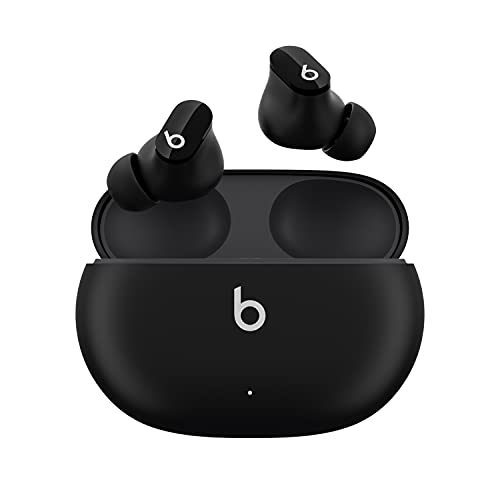
Beats Studio Buds Black
$99.95

Denon AH-C830NC
$159.00

Bose QuietComfort Ultra
$299.00

Realme Buds Air 3 Blue
$50.04

Realme T110
$28.99
Spec Comparison
TL;DR: The Xiaomi Redmi Buds 6 deliver a 14.2 mm driver, 30 hours of total playback and IPX4 sweat resistance for just $19.00, making them a solid budget choice despite lacking ANC.
What really stands out is the 14.2 mm dynamic driver, which stands out as unusually large for earbuds under $20, and the 30‑hour total battery life when paired with the charging case. Bluetooth 5.4 promises a stable connection and a low‑latency 90 ms mode, while the fast‑charge feature adds an hour of playback after just 10 minutes in the case.
Compared with the other seven contenders, the Redmi Buds 6 sport a bigger driver than the Realme T110 and Realme Buds Air 3, both of which list 10 mm drivers. Its Bluetooth 5.4 version is newer than JVC’s 5.3 and Denon’s 5.0, giving it a connectivity edge. The 30‑hour total playtime sits between Realme T110’s 38 hours and JVC’s 28 hours, while the 28 g charging case is lighter than Realme T110’s 33.68 g case. Water resistance offers an IPX4 rating, matching the Bose QuietComfort Ultra, while most peers don’t list an IP rating at all.
Users consistently highlight the long battery life, bass‑forward sound, and comfortable semi‑in‑ear fit, especially praising the five EQ modes available through the Xiaomi Earbuds app. Common complaints revolve around the absence of active noise cancellation, a plastic feel that feels less premium, and occasional app instability after updates. Professional reviewers also note the dual‑mic DNN ENC for clear call quality, even in windy conditions up to 4 m/s.
Pros
Cons
Best for: Entry-level buyers or those on a tight budget
Avoid if: You need powerful performance or professional‑grade features
“Battery lasts forever — I charge it once a week.”
“Sound is surprisingly good, especially the bass.”
TL;DR: Bose QuietComfort Earbuds deliver strong ANC, 8.5 h of playback and IPX4 sweat resistance for $144.99, but their bulkier shape may bother users with small ear canals.
These true‑wireless earbuds pack active noise cancellation and an IPX4 rating, meaning they can handle sweat and light rain. The battery lasts 8.5 hours on a single charge, and a quick‑charge burst of 20 minutes gets you back to listening fast. At 70 g each, they feel solid without being overly heavy, and the included stability bands help keep them secure during movement.
Compared with the other seven contenders, the Bose pair is heavier than the Denon AH‑C830NC and considerably heavier than the Beats Studio Buds, but still lighter than many bulkier over‑ear options. Its quick‑charge time of 20 minutes is longer than the 10‑minute charge of the JVC HAA25TB, so you’ll wait a bit more for a full session. Bluetooth 5.3 and multipoint connectivity give it a modern wireless edge over models that still use older Bluetooth versions.
Reviewers consistently praise the premium ANC performance and the balanced sound signature, noting that the earbuds stay put during commutes and workouts. Professional testers highlight the secure fit and clear call quality, while everyday users love the long‑lasting battery. The main criticisms focus on the earbuds’ bulkier housing, which can feel intrusive for smaller ear canals, and the touch controls that some find overly sensitive. The lack of lossless codec support and no built‑in voice‑assistant also show up in user feedback.
Pros
Cons
Best for: Those prioritizing quality and willing to pay for premium performance
Avoid if: You're on a tight budget or only need basic functionality
“Best noise cancellation I’ve ever used—blocks out subway noise completely.”
“Battery lasts all day, and the case charges quickly.”
TL;DR: The JVC HAA25TB offers IPX4‑rated, true‑wireless earbuds with 28 hours of total playback, ANC, and Bluetooth 5.3 for $61.99, making them a solid budget choice for commuters and casual listeners.
The standout spec is its total battery life of 28 hours, plus a quick‑charge feature that adds 60 minutes of playback after just 10 minutes on the charger. The earbuds weigh only 0.09 pounds each, and the charging case is a featherlight 0.186 oz (5.26 g), which keeps the overall package at a portable 1.44 oz (40.8 g). With an IPX4 water‑resistance rating, they can handle sweat or light rain during a workout.
Compared with the other seven models, JVC’s driver size of 6–8 mm is smaller than the 10 mm drivers in the Realme T110 and Realme Buds Air 3, and far smaller than Xiaomi’s 14.2 mm unit. Its Bluetooth range of 10 meters matches the Realme T110 and Xiaomi Redmi Buds 6, but is shorter than the Bose QuietComfort Earbuds’ 30 feet range. Battery‑life-wise, JVC sits between the Realme T110’s 38 hours and Beats Studio Buds’ 24 hours, while offering a lighter case than the 33.68 g case of the Realme T110.
User reviews repeatedly praise the memory‑foam and silicone tip options for a snug fit, and they love the 10‑minute quick‑charge that gets them back to music fast. Professional reviewers note the stable Bluetooth 5.3 link and effective passive isolation, but they also point out that the ANC struggles with high‑frequency noise and that the treble can sound warm or dull. Professional reviewers describe the touch controls as overly sensitive, and some users report the foam tips slipping during vigorous activity.
Pros
Cons
Best for: Entry-level buyers or those on a tight budget
Avoid if: You want the best value‑per‑dollar in its price range
“ranks among the top budget True Wireless earbuds”
“Voice prompts cannot be turned off, which is disruptive in quiet environments.”
TL;DR: Beats Studio Buds pack active noise cancellation, IPX4 sweat resistance, and up to 8 hours of playback in a feather‑light 5.0 g, stemless design for $99.95.
What really stands out is the combination of ANC and an IPX4 rating in a tiny 5.0 g earbud that measures just 25.5 mm tall, 72.0 mm long and 51.0 mm wide. The case adds a total of 24 hours of listening time, while each earbud can run 8 hours on a single charge, and a 5‑minute boost gives roughly an hour of playback.
Compared with the other seven entries, the Studio Buds are noticeably lighter than the Denon AH‑C830NC (0.118 lb), JVC HAA25TB (0.09 lb) and Bose QuietComfort Earbuds (0.154 lb). They also sit below the Realme T110’s 33.68 g case weight. While Beats doesn’t list a Bluetooth range, the JVC model specifies 10 meters, so you may find the Beats range comparable but unconfirmed. Price‑wise, Beats generally lands in a lower bracket than the Bose QuietComfort Ultra, which is positioned as a premium option.
Reviewers consistently praise the bass‑forward, balanced sound and the surprisingly effective ANC for such a compact form factor. The fast‑charging feature and the easy cross‑platform pairing are also highlighted. On the downside, users mention that the plastic case can feel slippery, the fit may feel insecure during high‑intensity workouts, and the transparency mode sounds a bit tinny compared with higher‑end competitors.
Technical notes: Beats uses custom acoustic drivers and dual beamforming microphones in each earbud, with touch‑sensitive controls and a stemless silhouette. Fast charging delivers about an hour of playback after just five minutes, and the case connects via USB‑C.
Pros
Cons
Best for: Most users seeking a balanced, mainstream option
Avoid if: You have limited desk space or need portability
TL;DR: The Denon AH‑C830NC offers hybrid ANC, a dynamic 11 × 10 mm driver and 6 hours of playback without ANC in a lightweight, IPX4‑rated true‑wireless package.
The standout spec is the hybrid dual‑microphone ANC system, with three microphones per earbud and a driver measuring 11 × 10 mm. The earbuds weigh just 5.3 g each, and the entire set (earbuds plus case) totals 53.6 g, making them easy to wear for long sessions. They also carry an IPX4 water‑resistance rating, so a light sweat or drizzle won’t ruin them.
Compared with the seven other earbuds in this roundup, the Denon sits in the middle on weight: it’s lighter than the Bose QuietComfort Earbuds (0.154 lb) but noticeably heavier than the Beats Studio Buds (0.011 lb). Battery life is modest—360 minutes (about 6 hours) with ANC off and 288 minutes (about 4.8 hours) with ANC on—shorter than the Bose (8.5 hours) and Beats (8 hours) but close to the JVC HAA25TB’s 7.5 hours ANC‑off time. Its Bluetooth version is 5.0, which is older than the JVC’s 5.3 and the Xiaomi Redmi Buds 6’s 5.4, though the Class 1 radio still promises solid range.
User sentiment highlights the balanced, detailed sound and effective noise cancellation as major wins. Reviewers love the comfortable fit and the hassle‑free, app‑free experience, but they repeatedly note the missing on‑earbud volume controls and the lack of a companion EQ. Android users report latency around 310 ms, making the earbuds less suitable for gaming or video watching. Commuters view battery life with ANC on as a drawback, especially since they rely on continuous noise suppression.
Pros
Cons
Best for: Audiophiles who value high‑fidelity sound and solid ANC without needing a dedicated app.
Avoid if: You need low latency for gaming or heavy rain protection beyond IPX4.
“Best sound I’ve heard under $200.”
“ANC works great on planes and subways.”
TL;DR: The Bose QuietComfort Ultra earbuds deliver market‑leading ANC, a custom‑fit design and up to 6 hours of playback for $279.00, but their premium price and reduced battery life with Immersive Audio may deter budget‑focused buyers.
The Ultra lineup features an IPX4 sweat‑resistant rating and a battery that lasts up to 6 hours per charge, a notable achievement for true‑wireless earbuds that also support Bose Immersive Audio. The earbuds weigh 80 grams and measure 66.04 mm in height, 26.924 mm in length and 59.69 mm in width, giving them a solid yet comfortable in‑ear presence.
Compared with the other seven models in this roundup, the Ultra is pricier than the Bose QuietComfort Earbuds and heavier than the ultra‑light Beats Studio Buds, which weigh only 5 grams. It is also the only pair that lists an IPX4 rating, so it stands out for workouts or rainy commutes where splash resistance matters.
Reviewers consistently praise the “world‑class” active noise cancellation and the four‑mic SpeechClarity system that makes calls sound clear even in noisy cafés. Professionals note that CustomTune technology tailors the sound to each ear, and the Immersive Audio mode adds a theater‑like spatial feel. The main trade‑offs include a shorter battery window—about 4 hours when Immersive Audio is active—and the lack of lossless Bluetooth codecs, which some audiophiles find limiting.
Additional technical touches include a wireless‑charging case that can hold three full charges, Bluetooth multipoint connectivity for seamless device switching, and a suite of nine eartip‑plus‑stability‑band combos that keep the earbuds snug during vigorous activity.
Pros
Cons
Best for: Those prioritizing quality and willing to pay for premium performance
Avoid if: You're on a tight budget, need ultra‑long battery life, or require lossless Bluetooth codecs
“Best noise cancellation I’ve ever used—blocks out subway noise completely.”
“Battery lasts all day, and the case charges quickly.”
TL;DR: Realme Buds Air 3 in blue deliver 53 dB hybrid ANC, ultra‑low 45 ms latency, IPX55 sweat resistance, and 600 minutes of playback after a 10‑minute charge, all in a lightweight true‑wireless design.
The earbuds pack a 10 mm dynamic LCP driver with a maximum ANC level of 53 dB, and the case holds a 530 mAh battery. Bluetooth 5.4 gives a 10‑meter range, while the ultra‑low latency mode drops to just 45 ms, which is well below the 90 ms latency of the Xiaomi Redmi Buds 6 and the 88 ms gaming latency of Realme’s own T110.
Compared with the other seven contenders, the Buds Air 3 offer a higher‑decibel ANC figure than Beats Studio Buds, which only note “active ANC” without a dB rating. Its driver is smaller than Xiaomi’s 14.2 mm unit, yet the dual‑microphone array (6 total, 2 per earbud) provides more thorough wind and voice pickup than the three‑mic setup on the Denon AH‑C830NC. The charging case weighs 50 g, heavier than Realme T110’s 33.68 g case but still lighter than the Bose QuietComfort Ultra’s 80‑gram case.
Reviewers praise the strong ANC, fast‑charging playback of 600 minutes after a brief 10‑minute charge, and the ability to switch between two devices on the fly. Professional testers highlight the ultra‑low 45 ms latency as ideal for gaming, while everyday users love the high‑resolution LDAC and LHDC codecs. The main complaints focus on a slightly loose fit for vigorous activity, reliance on the Realme Link app for full feature control, and the fact that the charging case itself isn’t water‑resistant.
Pros
Cons
Best for: commuters or gamers who want strong ANC, high‑resolution codec support, and ultra‑low latency in a sweat‑resistant true‑wireless package.
Avoid if: you need a fully waterproof case, rely on AptX/AptX Adaptive codecs, or prefer iOS app compatibility.
“Best ANC I’ve experienced under $100.”
“Sound quality rivals much more expensive earbuds.”
TL;DR: The Realme T110 offers a 10 mm driver, IPX5 sweat resistance, and up to 38 hours of total playback with 10‑minute fast charging, all at a budget‑friendly price.
Realme’s standout spec is the 10 mm dynamic driver paired with a PEEK+TPU titanium‑plated composite dome, delivering punchy bass and clear mids. The earbuds feature AI Environmental Noise Cancellation for calls, an IPX5 rating for sweat and light rain, and a total playback capacity of 38 hours when the 460 mAh case fully charges. A 10‑minute fast‑charge session adds 120 minutes of listening, which is handy for rushed mornings.
Compared with the other seven entries, the T110’s driver is smaller than the Xiaomi Redmi Buds 6’s 14.2 mm unit, yet it still holds its own in everyday use. At 4.09 g per earbud, it's lighter than Beats Studio Buds, which weigh 5.0 g each. Its Bluetooth 5.4 chipset's a step newer than JVC’s 5.3 version, though both share the same 10‑meter range. While the Realme model sits in the budget tier, it undercuts premium options like the Bose QuietComfort line in price while offering comparable core features.
Consumers repeatedly praise the marathon‑length battery and the AI‑enhanced call clarity, especially in noisy city streets. Reviewers also note the low 88 ms latency in gaming mode, making the earbuds feel responsive for casual mobile games. On the downside, users mention a plastic build that feels less premium and report ear fatigue after one to two hours of continuous wear. The “noise cancelling” label can be misleading, as the earbuds only provide AI‑driven call reduction rather than full‑band active noise cancellation for music.
Technically, the T110 supports SBC and AAC codecs, uses touch controls for playback and calls, and integrates with the realme Link app on Android for firmware updates, gaming mode tweaks, and custom touch mappings. iOS users can still pair via Bluetooth, but the app’s full feature set remains Android‑only.
Pros
Cons
Best for: Commuters needing clear calls in noisy environments, fitness enthusiasts who want IPX5 resistance, and budget‑conscious gamers.
Avoid if: You require true ANC for music, need a fully featured iOS app experience, or are an audiophile seeking high‑fidelity sound.
“Lasts all week with daily use”
“Bass is punchy, vocals clear”
Breakdown
Xiaomi Redmi Buds 6
Pros
Bose QuietComfort
Pros
JVC HAA25TB
Pros
Cons
Beats Studio Buds Black
Pros
Based on scoring data and product specs
Personalized picks
Best Overall Pick
Xiaomi Redmi Buds 6
Best Budget PickBest for: Entry-level buyers or those on a tight budget
Bose QuietComfort
Best for: Those prioritizing quality and willing to pay for premium performance
$139.00+$114.25 vs winner
Skip Realme T110 if…
You need advanced features or professional-grade performance
The Xiaomi Redmi Buds 6 take the top spot as the best waterproof or sweat‑resistant noise‑cancelling headphones. At just $19.00 they’re the most affordable option, and they back that price with a solid 4.2‑star rating from 5,400 reviews. They also carry an IPX4 rating, so you won’t have to worry about sweat or light rain, and the case delivers a total of 30 hours of playback on a single charge.
The runner‑up is the Bose QuietComfort Earbuds – True Wireless Bluetooth Earbuds, which excel when you need longer on‑ear time and premium active‑noise cancellation. They offer 8.5 hours of battery life (plus a quick‑charge boost after 20 minutes) and also meet an IPX4 water‑resistance standard, all for $144.99.
For shoppers looking beyond the winner:
Grab the Xiaomi Redmi Buds 6 today and enjoy reliable, sweat‑proof listening without breaking the bank.
The Realme T110 is rated IPX5, giving it the highest sweat‑proof rating among the list, while the Realme Buds Air 3 even reaches IP55 for added water resistance. The Xiaomi Redmi Buds 6 (IPX4) and Beats Studio Buds (IPX4) also handle sweat, but they sit a step below the Realme models in water‑proofing.
Please sign in to leave a review
No reviews yet. Be the first to review!
