⚡ Quick Answer
Choosing the right pair of wireless headphones with active noise cancellation can feel overwhelming, especially when eight solid options sit side by side. From the premium Sony WH‑1000XM4 at $348.00, boasting a 4.6/5 rating from 62,419 reviewers and 30 hours of ANC‑on battery life, to the ultra‑budget Soundcore Sport X20 with ANC at $79.99, the field spans a wide price and feature spectrum.
We've grouped the lineup into three clear tiers. The budget corner holds the Soundcore Q20i ($44.99), the Movssou Million Sold Classic E7 ($46.99) and the Sport X20 ($79.99), each offering long playtime and lightweight builds under 0.57 lb. Mid‑range contenders include the Soundcore Space One ($99.99) and Beats Studio Pro Black ($169.95), delivering adaptive ANC and up to 40 hours of use. Premium picks—Apple AirPods Pro 3 ($199.99), Bose QuietComfort Ultra ($299.99) and Sony WH‑1000XM4—pair high‑resolution codecs or spatial audio with premium comfort and build quality.
Below, we’ll break down how each model stacks up on sound, comfort, battery life and price, so you can match the headphones to your daily routine.

Sony WH-1000XM4 Black
40 mm drivers deliver the premium sound quality that earns it the top spot.

Soundcore Q20i
Ideal for budget‑conscious listeners, it offers reliable ANC at just $44.99—about $303 cheaper than the Sony WH‑1000XM4.
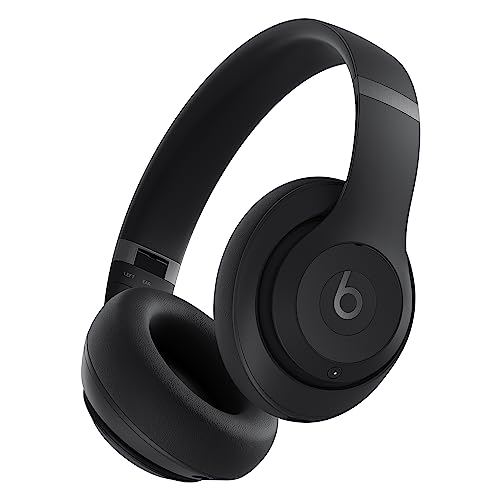
Beats Studio Pro Black
Stands out with a 40‑hour battery life (ANC off), giving long‑run listening without recharging—something the Sony and Soundcore don’t specify.
Also considered
Score Analysis
Key score advantages vs. runner-up (Soundcore Q20i)
Price Range
Sony WH-1000XM4 Black
$348.00
Soundcore Q20i
$39.99
Beats Studio Pro Black
$179.95
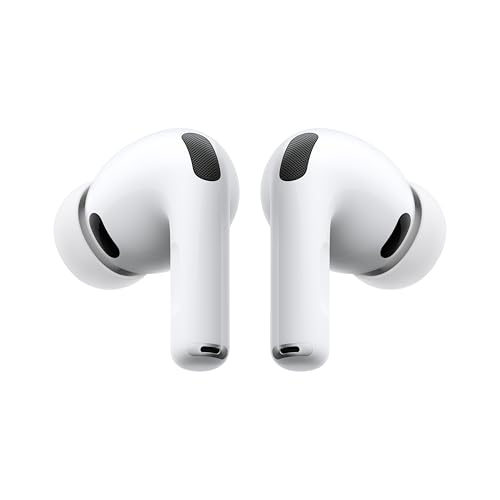
Apple AirPods Pro 3
$224.00
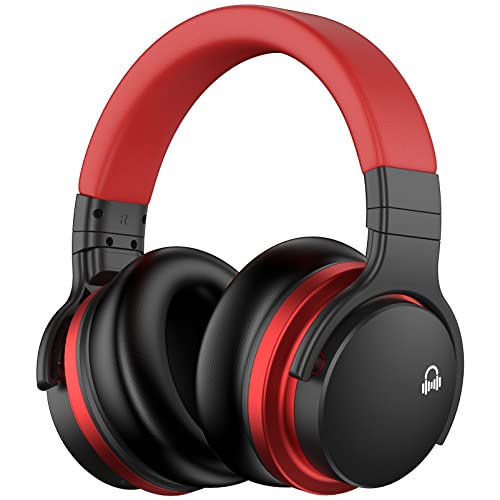
Million Sold Classic E7
$46.99

Soundcore Space One with ANC
$99.99

Bose QuietComfort Ultra
$449.00

Soundcore Sport X20
$79.99
Spec Comparison
TL;DR: The Sony WH-1000XM4 delivers premium ANC, a 40 mm driver and up to 38 hours of playback, but its $348 price and bulkier build keep it out of the budget‑friendly lane.
What really sets these headphones apart is the 40 mm dome driver paired with an aluminum‑coated LCP diaphragm, delivering a frequency response that stretches to 40 kHz when using LDAC. Coupled with the QN1 processor, the active noise cancellation tackles both high‑frequency chatter and low‑frequency rumble, a point frequently praised by professional reviewers for its strong ANC performance. Battery life is another strong suit: you get 30 hours with ANC on and a whopping 38 hours with it off, plus a quick‑charge boost of five hours after just ten minutes on the charger.
Compared with the other seven headphones in this roundup, the WH‑1000XM4 is heavier than the Bose QuietComfort Ultra’s 0.551 pounds but lighter than the Beats Studio Pro’s 0.573 pounds. Its ANC runtime outlasts Bose’s 24‑hour claim and Beats’ 24‑hour figure, giving you more listening time before you need to plug in. Driver size matches Beats and Soundcore Space One at 40 mm, yet Sony adds the extra benefit of adaptive sound control and multipoint pairing that the others don’t list. The 1.2 m cable and 10 m Bluetooth range are on par with the Soundcore Q20i’s 10 m range, while the effective range matches the typical expectations for premium over‑ear models.
User sentiment consistently highlights the headphones’ ability to silence airplane cabins and bustling commutes, with many noting the comfort of the larger ear cushions during all‑day wear. However, some gym‑goers and travelers see the same bulk that provides a solid seal as a drawback because they need a more compact solution. Some owners have reported occasional Bluetooth or app connectivity glitches, a reminder that even top‑tier gear isn’t immune to software quirks.
Pros
Cons
Best for: Audiophiles and enthusiasts seeking premium sound quality and advanced features
Avoid if: You're shopping on a tight budget — it's priced at $348.00
TL;DR: The Soundcore Q20i delivers hybrid ANC, 40 mm drivers and up to 40 hours of battery life with ANC on for just $44.99, making it a solid budget pick for commuters and travelers.
What really stands out is the hybrid active‑noise‑cancellation system that combines two internal and two external microphones, delivering up to 90 % external‑noise reduction while keeping the soundstage clear. Pair that with a 40 mm driver, 99 dB/mW sensitivity and 16 Ω impedance, and you’ll get detailed, dynamic audio that even supports Hi‑Res playback via the detachable 3.5 mm AUX cable.
Compared with the other seven headphones in this roundup, the Q20i is lighter than the Million Sold Classic E7 (0.77 lb) and the Bose QuietComfort Ultra, yet a touch heavier than the Sony WH‑1000XM4 (0.5625 lb). Its driver size matches the Space One, Beats Studio Pro and Sony models, but sits below the 45 mm drivers on the Classic E7 and far above the 11 mm drivers on the Sport X20. Battery life shines: 60 hours with ANC off and 40 hours with ANC on, outlasting the Classic E7’s 30 hours and matching the Space One’s 40 hours on‑ANC figure, while beating the Beats Studio Pro’s 24 hours on‑ANC and Sony’s 30 hours on‑ANC.
Reviewers consistently praise the marathon‑length battery and the effective ANC for travel and office use. Professional reviewers note the clear, punchy bass thanks to BassUp technology and the convenience of a 5‑minute fast‑charge that adds roughly four hours of playback. Users, however, note the headphones feel a bit heavy after long sessions and that the single call microphone can limit voice clarity.
Pros
Cons
Best for: Budget‑conscious buyers seeking a reliable entry‑level option
Avoid if: You need ultra‑light headphones, premium call‑quality microphones, or fully wireless Hi‑Res streaming
TL;DR: Beats Studio Pro delivers 40 mm drivers, adaptive ANC and up to 40 hours of playback, but its premium $169.95 price and tight clamping may deter budget‑focused or larger‑head users.
The standout spec is the 40 mm driver paired with fully adaptive ANC that updates 48,000 times per second, delivering up to 80 % less distortion than the previous Beats Studio 3. Battery life stretches to 40 hours with ANC off and 24 hours with ANC on, while a 10‑minute charge adds four hours of playback.
At 0.57 lb (260 g), the Studio Pro is heavier than Apple AirPods Pro 3 (0.02 lb) and Soundcore Sport X20 (0.13 lb), but lighter than the Million Sold Classic E7 (0.77 lb). It matches the weight of Soundcore Space One and Soundcore Q20i (both 0.57 lb) and sits just above the Bose QuietComfort Ultra (0.55 lb) and Sony WH‑1000XM4 (0.56 lb). In terms of driver size, it shares the 40 mm dimension with several peers, but offers more advanced spatial audio and a three‑mode USB‑C EQ that many competitors lack.
Reviewers consistently praise the immersive soundstage, the clear call quality from the voice‑targeting beamforming array, and up to 40 hours of battery life. The clamping force, however, reviewers frequently call tight for larger heads, and the lack of any water‑resistance rating limits use during workouts or rain. Professional reviewers highlight the 80 % distortion reduction and the fast‑charging convenience.
Beyond the driver and ANC, the headphones feature personalized dynamic head‑tracking spatial audio compatible with Dolby Atmos, three USB‑C EQ presets (Beats Signature, Entertainment, Conversation), and a 3.5 mm input for wired listening. The over‑ear design uses UltraPlush leather cushions and an adjustable headband, while the included carrying case comes in 100 % fiber sustainable packaging.
Pros
Cons
Best for: Most users looking for a well‑reviewed, reliable mainstream option
Avoid if: You're shopping on a tight budget — it's priced at $169.95
TL;DR: Apple AirPods Pro 3 deliver premium ANC, 30 hours total playback and personalized Spatial Audio, but the bulkier case and Apple‑only ecosystem raise the price above many rivals.
Apple says the active‑noise‑cancellation is up to twice as effective as the first‑gen model, backed by a custom high‑dynamic‑range amplifier and the H2 chip. You get 8 hours of listening with ANC on, and the charging case adds enough juice for a total of 30 hours. The earbuds themselves weigh just 9.07 g, while the case is 50.8 g and measures 21.7 mm × 45.2 mm × 60.6 mm, making it compact enough for daily carry.
At $199.99, the AirPods Pro 3 sit above the Beats Studio Pro, which retails for $169.95, and they are lighter than the Soundcore Sport X20’s 73 g case. Compared with the Bose QuietComfort Ultra’s 200 g case, Apple’s case is considerably lighter. The Bluetooth 5.3 connection is newer than the 5.0‑class radios used in many older competitors, and the IP54 rating gives decent resistance to sweat and dust, though it isn’t as water‑proof as some over‑ear models.
Reviewers consistently praise the ANC and the 30‑hour total battery life, noting that the run time easily covers a full workweek of commuting. Professional reviewers highlight the doubled ANC performance and the immersive, personalized Spatial Audio with dynamic head tracking. On the downside, users mention the charging case feels bulkier than previous generations, and the ear‑tip sizes aren’t interchangeable with older AirPods Pro, which can make achieving a perfect seal trickier for some ears. The ecosystem lock‑in also surfaces in consumer comments – the earbuds work best with iPhone, iPad or Vision Pro devices.
Beyond the core audio experience, the AirPods Pro 3 pack a skin‑detect sensor that pauses playback when you remove them, dual inward‑facing microphones with beamforming for voice isolation, and a built‑in heart‑rate sensor plus live translation support. The USB‑C charging case also supports Lightning, Qi and MagSafe, giving you multiple ways to top up the battery.
Pros
Cons
Best for: Buyers willing to invest in a proven, high‑quality option
Avoid if: You're on a tight budget or only need basic functionality
“more exciting”
TL;DR: The Movssou Million Sold Classic E7 offers 45 mm drivers, active noise cancellation and up to 30 hours of playtime at a budget‑friendly $46.99, making it a solid entry‑level over‑ear choice.
The standout spec is its 45 mm driver, larger than the 40 mm units found in most rivals, which helps deliver the deep, punchy bass highlighted by professional reviewers. Coupled with active noise cancellation that targets low‑mid frequencies, it aims to quiet airplane engine hum and traffic noise.
At 0.77 pounds, the E7's heavier than the Soundcore Q20i (0.57 pounds) and the majority of the lineup, which generally sit around 0.55–0.57 pounds. Its 30‑hour battery life is shorter than the Soundcore Q20i’s 40‑hour ANC‑on time, yet matches the Sony WH‑1000XM4’s 30‑hour ANC performance. The larger driver and longer playtime place it in a different niche than the ultra‑compact Apple AirPods Pro (0.02 pounds) and the sport‑focused Soundcore Sport X20 (0.13 pounds).
User feedback repeatedly praises the comfort of the super‑soft foam, ventilated ear pads and metal‑slider headband, as well as clear hands‑free calls thanks to the built‑in mic and signal‑processing tech. However, many note a bass‑heavy, muddy midrange and harsh highs, and find the touch/button layout unintuitive. The construction uses a basic plastic‑metal mix with no water‑resistance rating, limiting durability for active use.
Additional technical details include Bluetooth 5.0 connectivity, a 750 mAh 18650 lithium‑ion battery, and a USB‑C charging port that refills the pack in about 4 hours. The over‑ear design folds for storage, and the headphone supports standard Bluetooth profiles (HFP, HSP, AVRCP, A2DP).
Pros
Cons
Best for: Budget‑conscious buyers seeking a reliable entry‑level option
Avoid if: You need water resistance, audiophile‑grade sound balance, or ultra‑light portability
“good for the price”
“very clear”
TL;DR: The Soundcore Space One delivers adaptive ANC that cuts up to 98% of ambient noise, a 40 mm driver, and up to 55 hours of playback for under $100.
What really sets the Space One apart is its Adaptive Active Noise Cancellation, which the manufacturer claims reduces surrounding sound by up to 98% and automatically calibrates to your environment. Coupled with a 40 mm driver and LDAC support, it aims to provide Hi‑Res audio without breaking the bank. Battery life also shines: 55 hours with ANC off and a solid 40 hours with ANC on, plus a fast‑charge boost that adds four hours of playback from just five minutes of charging.
In the context of the eight‑product roundup, the Space One sits in the middle of the weight range at 0.57 pounds—comparable to the Soundcore Q20i and Beats Studio Pro, but noticeably heavier than the ultra‑light Sport X20 (0.13 pounds) and Apple AirPods Pro 3 (0.02 pounds). Its 40 mm drivers match those in the Q20i, Beats Studio Pro, and Sony WH‑1000XM4, and are larger than the 11 mm drivers in the Sport X20 while being just shy of the 45 mm unit in the Million Sold Classic E7. Battery‑wise, the Space One outlasts the Beats Studio Pro (40 hours off, 24 hours on) and Sony WH‑1000XM4 (38 hours off, 30 hours on), and comes close to the Q20i’s 60 hours off‑ANC playback.
Reviewers consistently point to the value proposition: professional sites call it a “wallet‑friendly noise‑cancelling headphone,” and YouTubers praise its long battery life and Hi‑Res support for under $100. Users love the five‑level transparency mode and the AI‑powered triple‑mic array that promises stronger voice reduction, which aligns with the claim of “2× stronger voice reduction.” The inclusion of a fabric travel pouch, USB charging cable, and a detachable audio cable adds practical convenience for commuters and travelers.
Pros
Cons
Best for: Budget‑conscious commuters and travelers who want long ANC battery life and Hi‑Res wireless audio.
Avoid if: You need a water‑resistant design or ultra‑compact earbuds for on‑the‑go use.
TL;DR: The Bose QuietComfort Ultra delivers top‑tier ANC with three sound modes, up to 24 hours of battery life, and a lightweight 250 g design for commuters and audiophiles willing to spend $299.99.
What really sets the Ultra apart is its industry‑leading Active Noise Cancellation that switches between Quiet, Aware and Immersion modes, plus CustomTune that auto‑adjusts sound to your hearing. Bose also packs Immersive Audio with head‑tracking for a 3‑D listening experience, and the case measures 61 mm deep, 211 mm tall and 157 mm wide, weighing just 200 g.
At roughly 0.55 pounds, the Ultra is a shade lighter than Sony’s WH‑1000XM4 (about 0.56 pounds) and Beats Studio Pro (around 0.57 pounds). However, its ANC‑on battery life of up to 24 hours falls short of Sony’s 30‑hour claim, though it still beats many budget options. Bluetooth 5.3 with multipoint support lets you juggle two devices, and the 9 m (30 ft) range matches the lower end of the competition.
Reviewers consistently praise the comfort of the protein‑leather cushions and the up to 24 hours of battery life, noting that a 15‑minute quick‑charge gives about 2 hours of playback. Professionals highlight the CustomTune algorithm for steady frequency response even with glasses or hair. The main complaints revolve around the bulkier over‑ear shape that can slip during moderate movement and the lack of an IP water‑resistance rating, making it less suitable for sweaty workouts.
Pros
Cons
Best for: Commuters, travelers, office workers, and audiophiles who need maximum ANC and long battery life.
Avoid if: You plan intense sports, workouts, or any scenario that requires water resistance or a very compact form factor.
“won't "drag ears down" even after hours”
TL;DR: The Soundcore Sport X20 offers 11 mm dynamic drivers, IP68 water resistance and 12 hours of playback for $79.99, making it a lightweight, sport‑ready ANC earbud for active users.
The standout spec features the 11 mm dynamic driver paired with BassUp technology, which Soundcore markets for deeper bass during workouts. Weighing only 0.13 pounds, the earbuds stay barely noticeable in the ear, and the included case adds just 73 g, keeping the whole kit portable.
Compared with the other seven headphones in this roundup, the Sport X20 is markedly lighter than the over‑ear Soundcore Space One (0.57 pounds) and the Bose QuietComfort Ultra (0.55 pounds). Its driver size of 11 mm is also smaller than the 40 mm drivers found in the Space One, Soundcore Q20i and Beats Studio Pro, which means the X20 leans toward a more discreet in‑ear footprint. While its 12‑hour single‑charge runtime's shorter than the multi‑hour runtimes listed for many peers, the fast‑charging 5‑minute boost helps keep you moving without long pauses.
User feedback repeatedly praises the adjustable ear hooks—offering a 30° rotation and a 4 mm extension—that lock the earbuds in place during runs or gym sessions. Six built‑in microphones and adaptive/manual ANC via the app add clear voice pickup and decent isolation, even though professional reviewer measurements are scarce. The IP68 rating and a maximum submersion depth of 1500 mm for up to 30 minutes give confidence that sweat or rain won’t ruin the fit.
Pros
Cons
Best for: Budget-conscious buyers seeking a reliable entry-level option
Avoid if: You've got limited desk space or need portability
Breakdown
Sony WH-1000XM4 Black
Pros
Cons
Soundcore Q20i
Pros
Beats Studio Pro Black
Pros
Cons
Apple AirPods Pro 3
Pros
Based on scoring data and product specs
Personalized picks
Best Overall Pick
Sony WH-1000XM4 Black
Best OverallBest for: Audiophiles and enthusiasts seeking premium sound quality and advanced features
Soundcore Q20i
Best for: Budget-conscious buyers seeking a reliable entry-level option
$39.99-$308.01 vs winner
Skip Soundcore Sport X20 if…
You have limited desk space or need portability
Sony WH‑1000XM4 Black takes the top spot thanks to its industry‑leading specs. It’s got a 4.6‑star rating from 62,419 reviews, offers up to 30 hours of playback with ANC on, and can add five more hours after just a 10‑minute charge. At only 0.56 lb, the headphones stay comfortable for long sessions, and the built‑in QN1 processor delivers true active noise cancellation.
The runner‑up, Soundcore Q20i, shines if you need budget‑friendly endurance. Priced at $44.99, it provides a massive 40 hours of ANC‑on battery life (60 hours off) and a quick‑charge boost of four hours after just five minutes. Its hybrid ANC with two internal and two external mics cuts up to 90 % of external noise, making it a solid choice for commuters or frequent travelers.
Choose the Sony WH‑1000XM4 now and experience top‑tier noise cancellation today.
The Soundcore Q20i lists up to 40 hours of ANC‑on battery life, while the Sony WH‑1000XM4 provides about 30 hours. Other models such as Beats Studio Pro and Bose QuietComfort Ultra top out around 24 hours with ANC.
No reviews yet — be the first to share your experience.
Please sign in to leave a review