⚡ Quick Answer
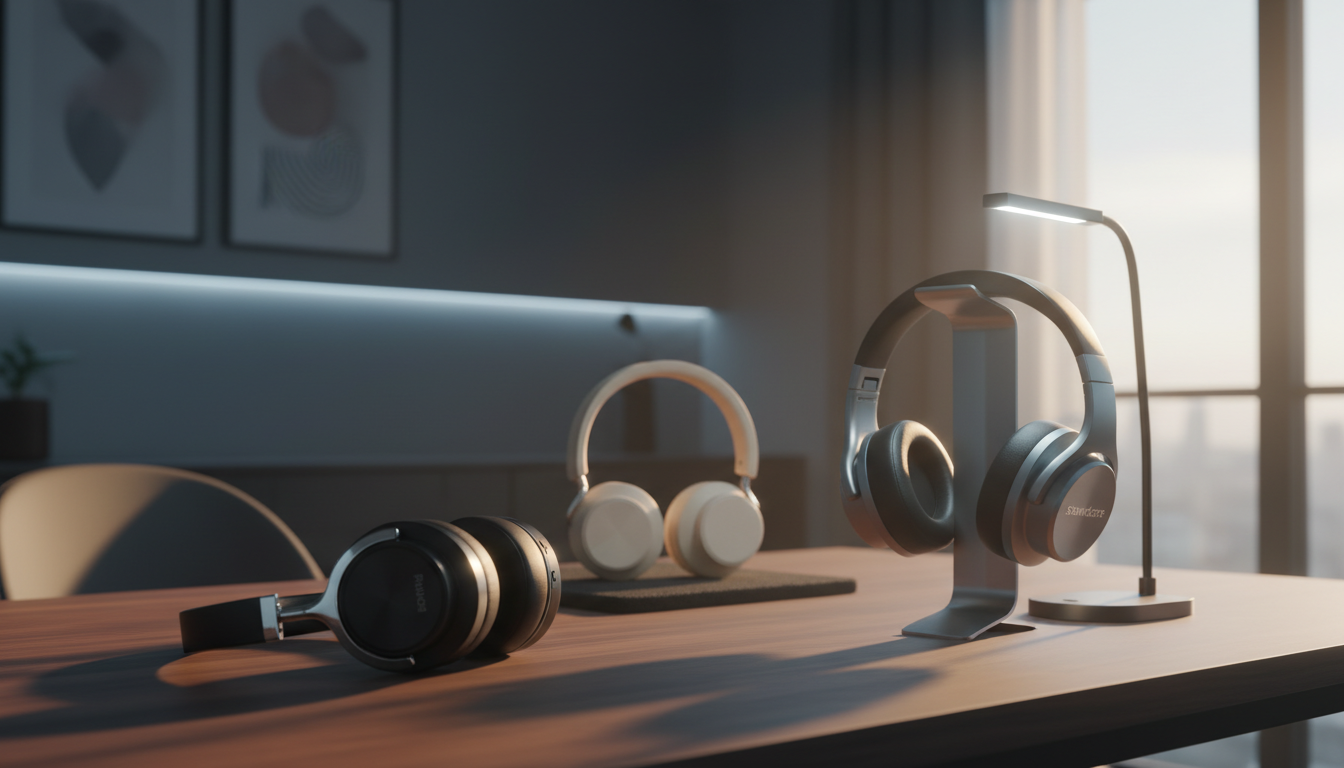
Choosing wireless over‑ear headphones can feel overwhelming, especially when you’ve got nine solid options on the table. In this guide we compare everything from the $17.98 Picun B8 up to the $299.99 Bose QuietComfort Ultra, so you can see how each model stacks up against your budget and feature priorities.
We’ve grouped the picks into three price tiers. The budget lane includes the Picun B8, Beribes Over Ear Headphones ($19.99) and Zihnic Bluetooth Headphones, all scoring around 4.4–4.6 stars and offering battery lives from 14 to a massive 120 hours. Mid‑range contenders—Soundcore Q20i, Million Sold Classic E7 and JBL Tune 720BT—sit between $44.99 and $89.95 and bring features like ANC and up to 76 hours of playback. Premium choices—Sony WH‑CH720N ($98.00), Skullcandy Crusher ANC 2 ($149.99) and Bose QuietComfort Ultra ($299.99)—deliver longer ANC‑on battery life and higher‑end driver configurations.
In the sections that follow we break down each model’s comfort, sound profile, battery endurance and extra features, so you can match a pair to your commute, workout or home‑office setup without guessing.

Picun B8
It's 50 ms latency keeps audio sync tight for movies and games, while the 40 mm drivers deliver solid sound, making it a standout value.

Soundcore Q20i
Ideal for mainstream listeners who want a well‑reviewed pair, the Soundcore Q20i costs about $27 more than the Picun B8, offering the same 40 mm drivers with a trusted brand reputation.

Beribes Over Ear Headphones
Stands out with a 500 mAh battery, promising longer playtime for budget‑focused users who need extended listening without frequent charging.
Also considered
Score Analysis
Key score advantages vs. runner-up (Soundcore Q20i)
Price Range
Picun B8
$17.98
Soundcore Q20i
$39.99
Beribes Over Ear Headphones
$19.97

JBL Tune 720BT
$59.95

Zihnic Bluetooth Headphones
$25.99

Sony WH-CH720N White
$98.00
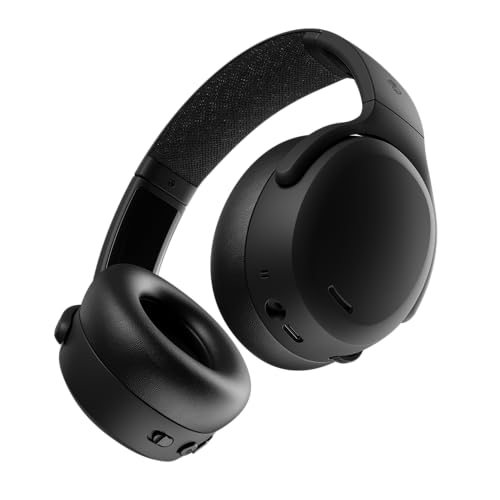
Skullcandy Crusher ANC 2
$143.99
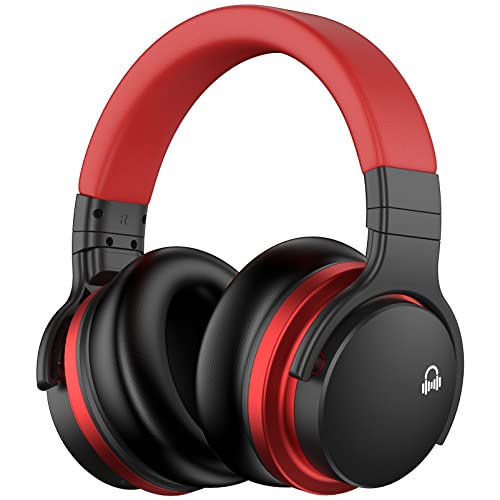
Million Sold Classic E7
$46.99

Bose QuietComfort Ultra
$449.00
Spec Comparison
TL;DR: The Picun B8 delivers a staggering 120‑hour battery life, 40 mm drivers, and a lightweight 0.51 lb build for just $17.98, making it a solid budget over‑ear option.
Its 1000 mAh battery powers a 120‑hour playback time. Paired with dual 40 mm drivers and Bluetooth 5.3, it stays on for days without a charge and offers a low 50 ms audio latency for smooth gaming and video.
When you line it up with the other eight headphones, the Picun B8’s endurance really stands out—its 120‑hour life dwarfs the 65‑hour run time of the Beribes model and the 14‑hour span of the Zihnic headphones. At roughly 0.51 lb, it’s lighter than the heavyweight Skullcandy Crusher ANC 2 and the Million Sold Classic E7, yet a touch heavier than the ultra‑light Sony WH‑CH720N (0.22 lb). Its 10‑meter Bluetooth range matches the Beribes and Soundcore Q20i, keeping it on par with most peers.
User feedback consistently praises the marathon battery and the comfortable, PU‑leather ear cushions that stay light on the head during long listening sessions. Professional reviewers note the stable Bluetooth 5.3 link and the 50 ms latency as a win for gamers. Both consumer and expert comments point out the downside: the lack of any noise isolation—ambient sounds are fully audible, which makes the B8 less suitable for noisy commutes or gyms. Reviewers describe the sound quality as average, especially in the bass department, and the lack of touch‑control buttons or a companion EQ app leaves power users wanting more.
Pros
Cons
Best for: Budget-conscious buyers seeking a reliable entry-level option
Avoid if: You need active noise cancellation, high‑fidelity sound, or a touch‑control interface
“lets in all external sound”
“poor noise isolation (lets in all external sound)”
TL;DR: The Soundcore Q20i offers hybrid ANC, 40 mm drivers and up to 60 hours of playback (40 hours with ANC) at a $44.99 price point, though its 0.57‑lb weight can feel hefty on long sessions.
What really sets the Q20i apart is its marathon battery life – the specs list 60 hours of playtime with ANC off and 40 hours with ANC on, plus a fast‑charge boost of four hours from just five minutes of charging. Pair that with hybrid active noise cancellation that claims up to 90 % external‑noise reduction, and you have a pair that can stay on through a full day of travel or work without hunting for an outlet.
Compared with the other eight headphones in this roundup, the Q20i sits in the middle of the weight spectrum: it’s lighter than the Million Sold Classic E7 at 0.77 lb and the Zihnic at about 0.66 lb, but heavier than the Beribes (0.40 lb), Picun B8 (0.51 lb) and Sony WH‑CH720N (0.22 lb). Battery life also leans toward the top – only the Beribes (65 h) and Picun B8 (120 h) out‑last it, while most peers sit between 14 h and 76 h. Its 40 mm drivers match the driver size of the JBL Tune 720BT and Skullcandy Crusher ANC 2, and its Bluetooth range of 10 m is shorter than Zihnic’s quoted 40 ft indoor range but comparable to many budget models.
Reviewers consistently praise the Q20i for its long battery life, comfortable memory‑foam ear cups and BassUp technology delivers punchy bass. Professional reviewers highlight the hybrid ANC’s effectiveness and the clear, dynamic sound from the 16 Ω impedance and 99 dB/mW sensitivity. On the flip side, users note that the single call microphone can feel limiting and that the 0.57‑lb weight may become noticeable after several hours of wear. The Bluetooth range of about 10 m also caps its usefulness in larger spaces.
Pros
Cons
Best for: Most users looking for a well‑reviewed, reliable mainstream option
Avoid if: You need advanced features or professional‑grade performance
TL;DR: The Beribes WH202A offers a feather‑light 0.38 lb over‑ear design, 65‑hour battery life, six EQ presets, and Bluetooth 5.3 connectivity, making it a solid budget pick for commuters and travelers.
The standout spec is the 65‑hour battery life; it uses a 500 mAh cell and fast USB‑C charging in 1.5–2 hours. A 40 mm dynamic driver and six built‑in EQ modes let you dial in bass boost, balanced or treble‑heavy tones without reaching for an app.
At 0.38 lb, the headphones are lighter than the Picun B8, Zihnic, Soundcore Q20i, Million Sold Classic E7, JBL Tune 720BT and Skullcandy Crusher ANC 2, and only a touch heavier than the Sony WH‑CH720N. Battery‑life wise, only the Picun B8 (120 h) and JBL Tune 720BT (76 h) surpass the 65‑hour claim, placing Beribes among the longest‑lasting options in the roundup.
Users repeatedly praise the 65‑hour battery and the memory‑protein ear cushions that stay comfortable during long flights or study sessions. Reviewers note the bass is punchy but can be tamed with the EQ presets. The lack of active noise cancellation and mixed messages about water resistance represent the most common drawbacks, and a few owners have reported occasional Bluetooth hiccups on older phones.
Pros
Cons
Best for: Budget‑conscious buyers seeking a reliable entry‑level option
Avoid if: You need advanced features or professional‑grade performance
“lasts days”
“weighs nothing”
TL;DR: The JBL Tune 720BT delivers 40 mm drivers, a massive 76‑hour music battery and quick‑charge power in a lightweight, fold‑able over‑ear package for under $90.
What really stands out is the 76‑hour music playback time on a single charge, far surpassing most budget competitors. A five‑minute quick‑charge boost adds roughly three hours of listening, and a full USB‑C charge tops out in two hours. The headphones also pack a 40 mm driver with 101 dB sensitivity and 32 Ω impedance, promising the “Pure Bass” character JBL advertises.
Compared with the eight other models in this roundup, the Tune 720BT is heavier than the Sony WH‑CH720N and the Beribes pair, but lighter than the Million Sold Classic E7, Soundcore Q20i, Skullcandy Crusher ANC 2, Zihnic Bluetooth Headphones, and Bose QuietComfort Ultra. Its driver size matches the Soundcore, Skullcandy, Zihnic, Beribes and Picun units, while the Sony driver is smaller at 30 mm and the Million Sold driver is larger at 45 mm. Battery longevity is a clear win: the JBL’s 76 hours beats Sony’s 50 hours, Soundcore’s 60 hours, Skullcandy’s 60 hours, Zihnic’s 14 hours and the Bose model’s 24 hours (ANC on). Only the Picun B8 lists a longer 120‑hour run‑time, but it tips the scales at about 0.51 lb, a shade heavier than JBL’s 0.49 lb.
Users consistently praise the marathon battery and the lightweight feel of the 0.49 lb frame, noting that the detachable cable and fold‑able hinge make travel easy. Reviewers also highlight the solid bass response and reliable Bluetooth 5.3 connection with a 39 m range and multi‑point pairing. On the downside, the ear‑cup size (52 mm × 38 mm) can press against the ears after an hour or two, and the lack of active noise cancellation leaves ambient noise unfiltered in busy environments. Professional reviewers have called out a modest maximum volume and less‑pronounced treble compared with pricier rivals.
Pros
Cons
Best for: Most users looking for a well‑reviewed, reliable mainstream option
Avoid if: You're shopping on a tight budget — it's priced at $89.95
TL;DR: Zihnic’s over‑ear headphones pack a 40 mm driver, 14‑hour wireless playtime and a micro‑SD slot into a foldable, budget‑friendly package, but the plastic build and heat‑prone cushions limit long‑session comfort.
The 40 mm driver, paired with 32 Ω impedance and 118 dB sensitivity, delivers punchy bass that many reviewers say shines on pop and EDM tracks. The headphones also include an FM radio, a micro‑SD/TF slot supporting up to 32 GB, and a protective carrying case, all wrapped in a fold‑over design for travel.
At roughly 0.66 lb, Zihnic is heavier than ultra‑light budget models like the Beribes and Picun, yet lighter than premium‑priced options such as the Skullcandy Crusher ANC 2. Its 14‑hour battery life sits well below the 60‑plus hour runtimes of many competitors, and the 2.5‑hour fast‑charge period isn’t as quick as JBL’s 5‑minute quick‑charge feature. The Bluetooth 5.0 range of 40 ft indoors and 60‑70 ft outdoors is comparable to other mid‑range headsets, though it falls short of the longer 128‑ft range advertised by JBL.
Reviewers praise the solid sound signature and the convenience of on‑head controls, while everyday users love the long wireless playtime and the foldable form factor for commuting. Common complaints focus on the synthetic leather ear cushions heating up after an hour or two, and the overall plastic construction feeling cheap and prone to wear. Reviewers describe the built‑in microphone as average, suitable for casual calls but not for crystal‑clear conference chats.
Pros
Cons
Best for: Budget‑conscious buyers seeking a reliable entry‑level option
Avoid if: You want the best value‑per‑dollar in its price range
TL;DR: The Sony WH‑CH720N offers a feather‑light 0.22‑lb frame, 30 mm drivers and up to 50 hours of playback without ANC, making it a comfortable, long‑lasting choice for everyday commuters.
Weighing just 0.22 lb (about 100 g) and sporting 30 mm dynamic drivers, the WH‑CH720N feels almost weightless on the head while still delivering balanced mids and clear highs. Its battery runs for 50 hours with ANC off, and a rapid‑charge burst of 3 minutes gives you roughly an hour of music.
Compared with the eight other headphones in this roundup, Sony’s unit is lighter than the JBL Tune 720BT (0.49 lb) and far lighter than the Skullcandy Crusher ANC 2 (1.23 lb). Its 50‑hour battery sits in the middle of the pack – longer than the Beribes model’s 65‑hour claim but shorter than JBL’s 76‑hour music playback and Skullcandy’s 60‑hour ANC‑off runtime.
Professional reviewers praise the ultra‑light build and the quick‑charge feature for travel, while everyday users love the comfort of the spacious 66 × 40 mm ear cup and the clear call quality. The most common complaints focus on the ANC’s modest ~20 dB reduction and a tendency for the earpads to feel warm after long sessions. The headphones also lack a folding hinge, which some travelers miss.
Technical highlights include an impedance of 31 Ω (off) rising to 325 Ω (on), sensitivity of 99 dB/mW (off) and 108 dB/mW (on), Bluetooth 5.2 connectivity with a 10‑meter effective range, and multipoint pairing for up to two devices. Alexa is built‑in, and the package comes with a USB‑C cable for wired listening.
Pros
Cons
Best for: Commuters and frequent travelers who value lightweight comfort and long battery life.
Avoid if: You need deep ANC for noisy environments or are on a very tight budget.
TL;DR: The Skullcandy Crusher ANC 2 delivers powerful haptic bass, adjustable 4‑mic ANC and up to 60 hours of playback, but its 1.23‑lb build feels hefty for marathon sessions.
What really sets the Crusher ANC 2 apart is its 40 mm drivers paired with a 105 dB SPL rating and adjustable multi‑sensory Crusher Bass technology. The headphones also feature a digital 4‑mic ANC system that lets you dial in the amount of ambient sound you want to hear.
At 1.23 lb, the Crusher ANC 2 weighs noticeably more than the Sony WH‑CH720N (≈0.22 lb) and the JBL Tune 720BT (≈0.49 lb), but its 60‑hour battery life with ANC off and 50‑hour life with ANC on outlasts most rivals. It matches the Soundcore Q20i’s 60‑hour off‑time while exceeding its 40‑hour ANC‑on time, and its 30‑meter Bluetooth range compares favorably to JBL’s 39‑meter range and far exceeds the 10‑meter range of the Soundcore and Zihnic models.
Reviewers love feeling the haptic bass in their chest and praise the customizable ANC, especially the “Stay‑Aware” mode that lets street noise slip through when needed. They frequently mention the padded ear cups for comfort, yet the 1.23‑lb weight causes ear fatigue during long listening sessions. Some users also note that real‑world battery endurance can fall short of the advertised 60 hours, particularly when ANC is active, and a few have run into occasional glitches with the Skull‑iQ app used for personal sound profiling.
On the technical side, a 2.5‑hour USB‑C charge fully recharges the battery, while a 10‑minute rapid charge adds roughly 4 hours of playback. Multipoint pairing lets you connect two devices at once, and the included carrying case makes travel easier despite the bulkier build.
Pros
Cons
Best for: Bass lovers, gamers and commuters who want immersive haptic bass and long battery life.
Avoid if: You need ultra‑light headphones, a strict budget, or a neutral sound signature.
TL;DR: The Movssou Million Sold Classic E7 offers 45 mm drivers, active noise cancellation and a 30‑hour battery for $46.99, delivering comfortable over‑ear listening that’s solid for budget‑focused travelers.
The E7 uses 45 mm drivers, larger than the 40 mm units found in most rivals, and an active‑noise‑cancelling circuit that tackles low‑mid hum from planes or traffic. It packs a 750 mAh battery that the manufacturer says delivers up to 30 hours of playback, and it recharges in about 4 hours via USB‑C.
Compared with the eight other models in this roundup, the E7 is heavier at 0.77 lb – the Soundcore Q20i sits at 0.57 lb and the Beribes at 0.38 lb – but its driver size gives it a potential edge in bass response. Battery life trails the 60‑hour (ANC off) run‑time of the Soundcore and the 65‑hour endurance of the Beribes, while its 4‑hour charge is slower than the 90‑minute quick charge of the Soundcore and the 2‑hour charge of the JBL Tune 720BT.
User reviews repeatedly praise the comfort of the super‑soft foam ear pads and the effectiveness of the ANC in reducing low‑mid noise, calling it a strong value for travel. Professional reviewers also note the clear hands‑free call quality thanks to the built‑in mic and signal‑processing. On the flip side, listeners describe the sound as bass‑heavy with muddy mids and mildly harsh highs, and many find the button layout unintuitive, requiring both short and long presses.
The E7 runs on Bluetooth 5.0 and supports HFP, HSP, AVRCP and A2DP profiles, so it pairs with Windows, Android, iOS, laptops, tablets and TVs. A 3.5 mm jack provides wired fallback, and the foldable design with metal‑slider headband makes it easy to stash in a bag, though the plastic‑metal construction lacks any water‑resistance rating.
Pros
Cons
Best for: Most users looking for a well‑reviewed, reliable mainstream option
Avoid if: You have limited desk space or need portability
“good for the price”
“very clear”
TL;DR: Bose QuietComfort Ultra delivers industry‑leading ANC, up to 24 hours of playback with ANC on, and spatial Immersive Audio, but its premium $299.99 price and bulkier design may limit active‑use scenarios.
What really sets the QuietComfort Ultra apart is its three‑mode active noise cancellation—Quiet, Aware, and Immersion—paired with CustomTune, which auto‑adjusts sound and ANC to your hearing profile. The headphones weigh just 0.55 lb, and the battery can last up to 24 hours with ANC engaged; a 15‑minute quick‑charge gives you 2 hours of playback. A built‑in USB‑C port and multipoint support for two devices round out the connectivity suite.
Compared with the other eight models, the Ultra sits in the middle of the weight range: it’s heavier than the Sony WH‑CH720N at 0.22 lb but lighter than the Skullcandy Crusher ANC 2 at 1.23 lb. Its 24‑hour ANC‑on battery life trails the Skullcandy’s 50 hours and Sony’s 35 hours, yet it still exceeds the Zihnic’s 14 hours and the Beribes’ unspecified ANC duration. Bluetooth range is 9 m, shorter than Skullcandy’s 30 m and JBL’s 39 m, but comparable to the Soundcore Q20i’s 10 m and the Picun B8’s 10 m.
User feedback consistently praises the comfort of the protein‑leather ear cushions and the effectiveness of the ANC in noisy commutes or flights. Reviewers highlight the quick‑charge feature and the immersive spatial audio with head‑tracking. However, several users note that the over‑ear design can slip during moderate movement and that the lack of an IP rating makes the headphones unsuitable for sweaty workouts or rain.
Beyond the core specs, the Ultra offers SimpleSync for automatic pairing with Bose soundbars, a programmable button, and on‑ear volume/track controls. The aluminum‑plastic headband is adjustable, and the headphones support Bluetooth 5.3, ensuring stable connections for daily use.
Pros
Cons
Best for: Those prioritizing quality and willing to pay for premium performance
Avoid if: Reliability and user satisfaction are your top concerns
“won't "drag ears down" even after hours”
Breakdown
Picun B8
Pros
Soundcore Q20i
Pros
Beribes Over Ear Headphones
Pros
JBL Tune 720BT
Pros
Cons
Based on scoring data and product specs
Personalized picks
Best Overall Pick
Picun B8
Best OverallBest for: Budget-conscious buyers seeking a reliable entry-level option
Soundcore Q20i
Best for: Most users looking for a well-reviewed, reliable mainstream option
$39.99+$22.01 vs winner
Skip Bose QuietComfort Ultra if…
Reliability and user satisfaction are your top concerns
The Picun B8 earns the Best Overall wireless over‑ear headphones title. It delivers a 120‑hour battery life on a single charge, a 40 mm driver for full‑range sound, and a low 50 ms latency that keeps video and gaming in sync. At $17.98 it also tops the price‑performance chart, and its 4.6‑star rating from 11,563 reviewers reflects comfort of its PU‑leather cushions and the convenience of its Bluetooth 5.3 connection.
The Soundcore Q20i earns the runner‑up spot, especially if you need active noise cancellation for commuting or open‑plan work. Its hybrid ANC system (two internal and two external mics) cuts out up to 90 % of ambient sound, while the app‑driven 22‑preset EQ lets you fine‑tune the audio. Even with ANC on, the headphones still provide 40 hours of playback, and the 4.6‑star rating from 57,414 reviews indicates strong approval.
For those who want a step up, the Soundcore Q20i remains the best mid‑range choice, offering ANC and app customization at $44.99. If premium features are a must‑have, the Bose QuietComfort Ultra delivers high‑end comfort and advanced noise‑canceling technology at $299.99.
Pick the Picun B8 today and enjoy premium‑grade wireless sound without breaking the bank.
The Soundcore Q20i offers hybrid ANC with two internal and two external microphones, while the Picun B8 does not include active noise cancellation. With up to 40 hours of battery life when ANC is on, the Q20i can comfortably last through most international flights.
No reviews yet — be the first to share your experience.
Please sign in to leave a review