Microsoft
Get notified when the price drops. Track this product on BigBangPrice, our price tracking partner.
The Microsoft Basic Optical Mouse is a wired, plug‑and‑play USB mouse offering reliable 800 dpi optical tracking, ambidextrous ergonomic design, and a low‑cost, durable build suitable for office and home use.
Pros
Current
$32.99
Average
$31.50
Lowest
$24.99
Highest
$34.99
Lower = better sales rank

NETGEAR


Logitech

Logitech
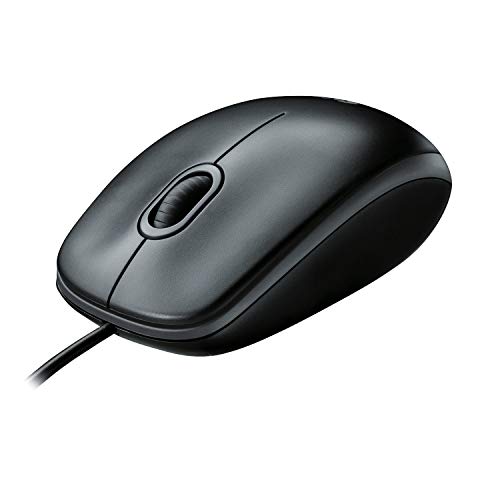
Logitech

Logitech

Microsoft

Microsoft

Amazon Basics

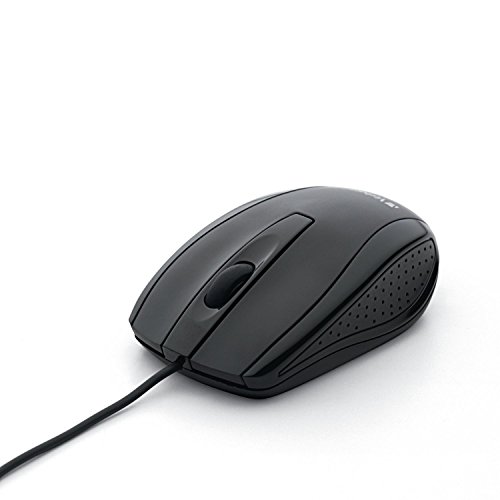
Verbatim

Dell
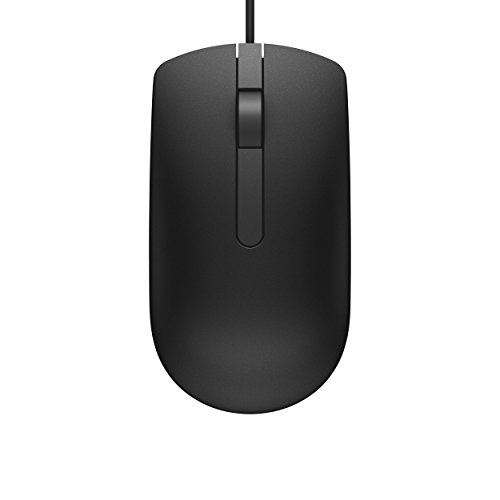
Dell

TECKNET
Please sign in to leave a review
No reviews yet. Be the first to review!
Cons
From Expert Reviews
Praised by Experts
From User Reviews
Users Love
Users Complain About
Best For
Office and home users needing a dependable low‑cost mouse; IT professionals and system builders who require driver‑free setup; students and travelers valuing portability; shared or multi‑user environments; legacy systems running older Windows or macOS versions.
Not Ideal For
Gamers or power users needing high DPI and fast polling; individuals with large hands seeking a larger ergonomic mouse; users of high‑resolution displays; environments where silent operation is critical.
Expert Opinion
Professional reviewers describe the mouse as a reliable workhorse, praising its driver‑free operation, ambidextrous ergonomics, and solid warranty, while noting its basic feature set makes it best suited for everyday office tasks rather than demanding applications.
What Users Say
Everyday users appreciate its plug‑and‑play ease, durability, and affordability, often buying multiples as spares, but they frequently mention the small form factor, noisy clicks, and low DPI as drawbacks.
Common Complaints
The mouse is often described as too small for larger hands, produces noisy clicks, can shift due to cable tension, has a low 800 dpi sensor, and occasionally fails early despite its generally durable reputation.
How It Compares
vs. Logitech M100 Wired USB Mouse
Advantages
Disadvantages
Choose the Microsoft mouse for ambidextrous use and longer warranty; choose Logitech if you prefer quieter clicks and a lighter feel.
vs. Dell MS116 Optical USB Mouse
Advantages
Disadvantages
Microsoft is better for shared environments and longer support, while Dell suits users who prioritize quiet, lightweight design and don’t need ambidextrous features.