Netgear
The NETGEAR CM1000 is a DOCSIS 3.1 cable modem that delivers up to 1 Gbps download speeds, supports major US cable ISPs, and offers a single Gigabit Ethernet port with IPv6 and QoS features. It provides a compact upright design with clear status LEDs and a browser‑based setup, but lacks built‑in Wi‑Fi and has a base that can be unstable.
Pros
Current
$134.99
Average
$175.39
Lowest
$128.45
Highest
$313.41
Lower = better sales rank
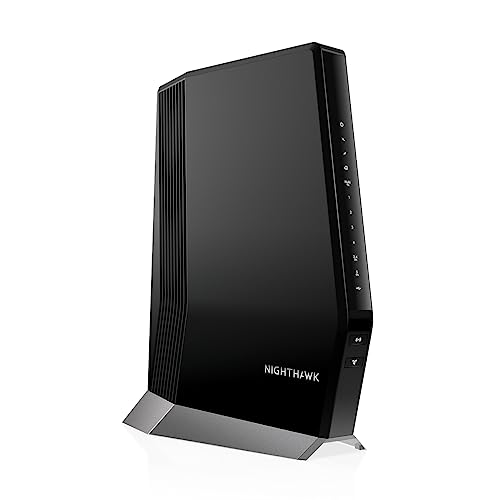
NETGEAR
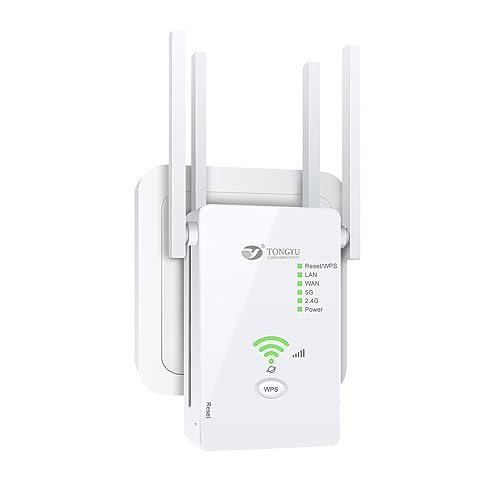
tongyu

NETGEAR

C5G

GL.iNet
Please sign in to leave a review
No reviews yet. Be the first to review!
Get notified when the price drops. Track this product on BigBangPrice, our price tracking partner.
Cons
From Expert Reviews
Praised by Experts
Criticized by Experts
From User Reviews
Users Love
Users Complain About
Expert Opinion
Professional reviewers consider the CM1000 a reliable and straightforward DOCSIS 3.1 solution that delivers fast gigabit speeds, broad ISP support, and useful features like IPv6 and QoS. However, they caution about its unstable base and the limitation of a single Gigabit Ethernet port despite the high theoretical bandwidth.
What Users Say
Consumers generally appreciate the modem’s consistent high‑speed performance, easy setup, and cost savings from avoiding rental fees, but they frequently mention the top‑heavy design that can tip over and the absence of built‑in Wi‑Fi as drawbacks.
Common Complaints
Common recurring issues include the modem’s tendency to topple due to a flimsy base, occasional activation problems with certain ISPs, and the lack of built‑in Wi‑Fi requiring an extra router.
How It Compares
vs. NETGEAR CM600
Advantages
Disadvantages
Choose the CM600 for budget‑conscious users on sub‑gigabit plans; upgrade to CM1000 for gigabit readiness.
vs. NETGEAR CM700
Advantages
Disadvantages
The CM700 is a modest step up from the CM600 but still falls short for gigabit users; the CM1000 is the better choice for future‑proofing.
vs. NETGEAR CM500
Advantages
Disadvantages
The CM500 is a cost‑effective DOCSIS 3.1 option for current gigabit plans, but the CM1000 offers more channel bonding for better long‑term performance.
pairwise