
Panasonic
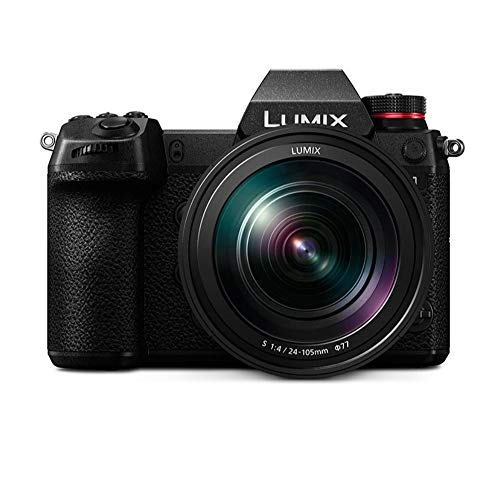
The Panasonic LUMIX S1H is a 24.2 MP full‑frame mirrorless camera built for professional video, offering internal 6K/10‑bit recording, Dual Native ISO and unlimited recording times. Its rugged, weather‑sealed body and 5‑axis IBIS make it suitable for demanding field productions.
Pros
Current
$4,069.95
Average
$3,447.47
Lowest
$1,969.95
Highest
$4,498.00
Lower = better sales rank
Panasonic

Hostorch

Panasonic

TARION

Sony

Sony

Panasonic

Sony

CHIPFANCIER

Panasonic

SMALLRIG
Please sign in to leave a review
No reviews yet. Be the first to review!
Get notified when the price drops. Track this product on BigBangPrice, our price tracking partner.
Cons
From Expert Reviews
Praised by Experts
Criticized by Experts
From User Reviews
Users Love
Users Complain About
Expert Opinion
Professional reviewers describe the S1H as a cinema‑grade hybrid that delivers 6K 10‑bit video, unlimited recording and robust weather sealing, positioning it as a high‑value tool for indie filmmakers. They applaud its dual native ISO and dynamic range while noting the missing built‑in ND filter and lack of internal RAW video as notable gaps.
What Users Say
Everyday users love the low‑light video quality, reliable IBIS and the ability to capture 6K without overheating, but they repeatedly complain about the camera’s bulk, complex menus and occasional AF tracking hiccups during fast action.
Common Complaints
Heavy body weight, lack of built‑in neutral density filter, complex video‑centric menus, and occasional autofocus tracking issues in fast‑moving scenes.
What People Are Saying
“6K full-frame beast for low-budget filmmaking”
“unlimited recording, 5-axis IBIS, and Dual Native ISO (640/4000) as standout for pros”
“outstanding low-light video (Dual ISO "transforms night shoots")”
“bulk/weight (over 2.5 lb loaded, less portable than APS-C rivals)”
“menu complexity for stills users”
“occasional AF tracking issues in fast action”
How It Compares
vs. Panasonic S1
Advantages
Disadvantages
Choose S1H for video‑centric projects needing 6K; choose S1 for lighter, still‑photo‑focused work.
vs. Panasonic S1R
Advantages
Disadvantages
Select S1H for video production; select S1R for maximum still‑image detail.
vs. Sony A7S III
Advantages
Disadvantages
Pick S1H for higher internal resolution and ruggedness; pick A7S III for built‑in ND and RAW video needs.
vs. Canon R5 C
Advantages
Disadvantages
Use S1H for long‑form, weather‑sealed video shoots; use R5 C when high‑speed stills and advanced AF are critical.
