Olympus
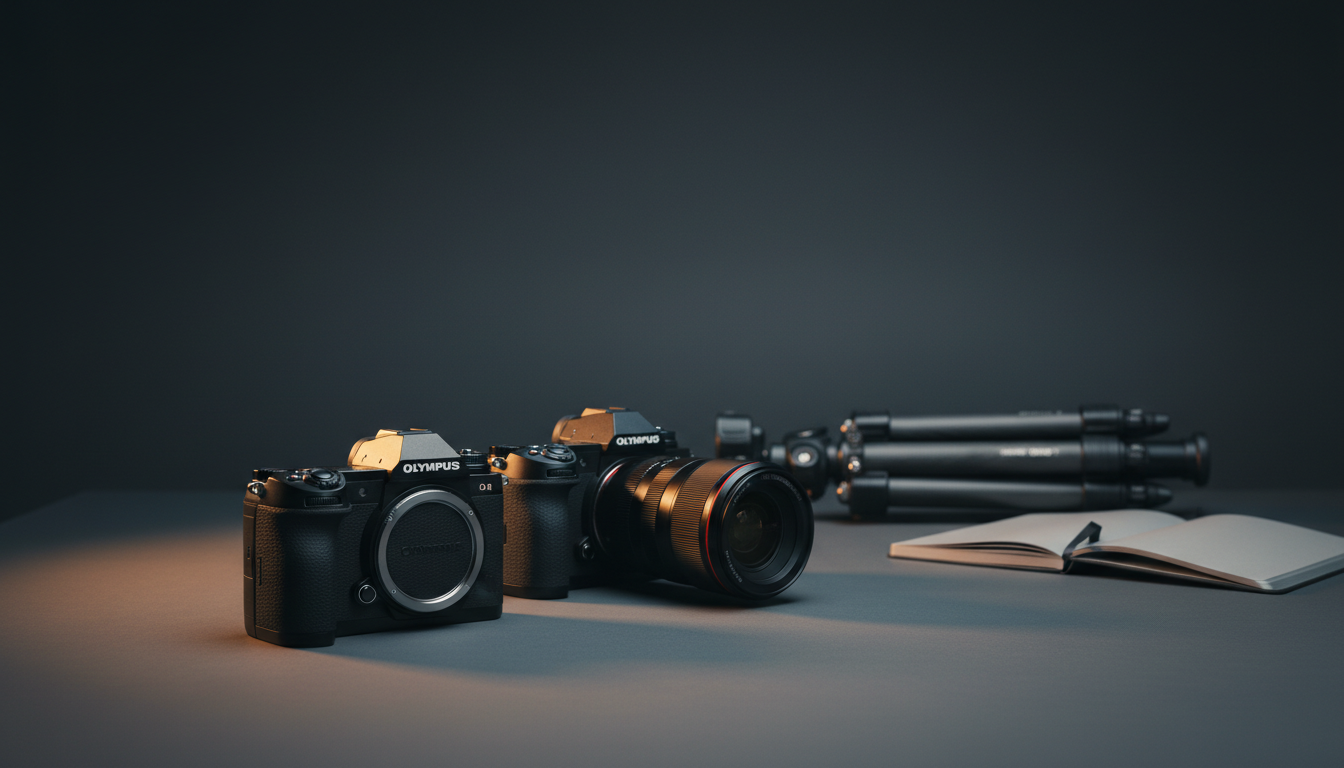
The Olympus OM-D E-M1 Mark III is a rugged, compact Micro Four Thirds mirrorless camera featuring a 20.4 MP Live MOS sensor, 5‑axis IBIS up to 7.5 stops, and a high‑resolution EVF. Announced in 2020, it offers ultra‑fast 60 fps burst shooting, dual SD slots, and weather‑sealed magnesium alloy construction for demanding outdoor use.
Pros
Current
$788.98
Average
$942.53
Lowest
$788.98
Highest
$1,799.99
Lower = better sales rank

JJC

7artisans

Haoge

Canon
Please sign in to leave a review
No reviews yet. Be the first to review!
Get notified when the price drops. Track this product on BigBangPrice, our price tracking partner.
Cons
From Expert Reviews
Praised by Experts
Criticized by Experts
From User Reviews
Users Love
Users Complain About
Expert Opinion
Professional reviewers commend the E-M1 Mark III for its industry‑leading stabilization, blistering 60 fps burst, and high‑resolution EVF, positioning it as a top‑tier Micro Four Thirds flagship for outdoor and action photography. They also note that while the build quality and weather sealing are exemplary, the sensor technology and firmware are aging, and the menu complexity may deter newcomers.
What Users Say
Everyday users love the camera's ruggedness, battery endurance, and especially the IBIS that lets them shoot sharp handheld images in challenging weather. Common praise centers on the compact travel-friendly kit and high‑res modes, while recurring complaints focus on the weight during extended hikes, a steep learning curve with menus, and less impressive low‑light performance compared to larger‑sensor rivals.
Common Complaints
Weight felt on long treks, menu system complexity for beginners, and higher noise in low‑light situations compared with full‑frame cameras.
What People Are Saying
“held off plenty of rain”
How It Compares
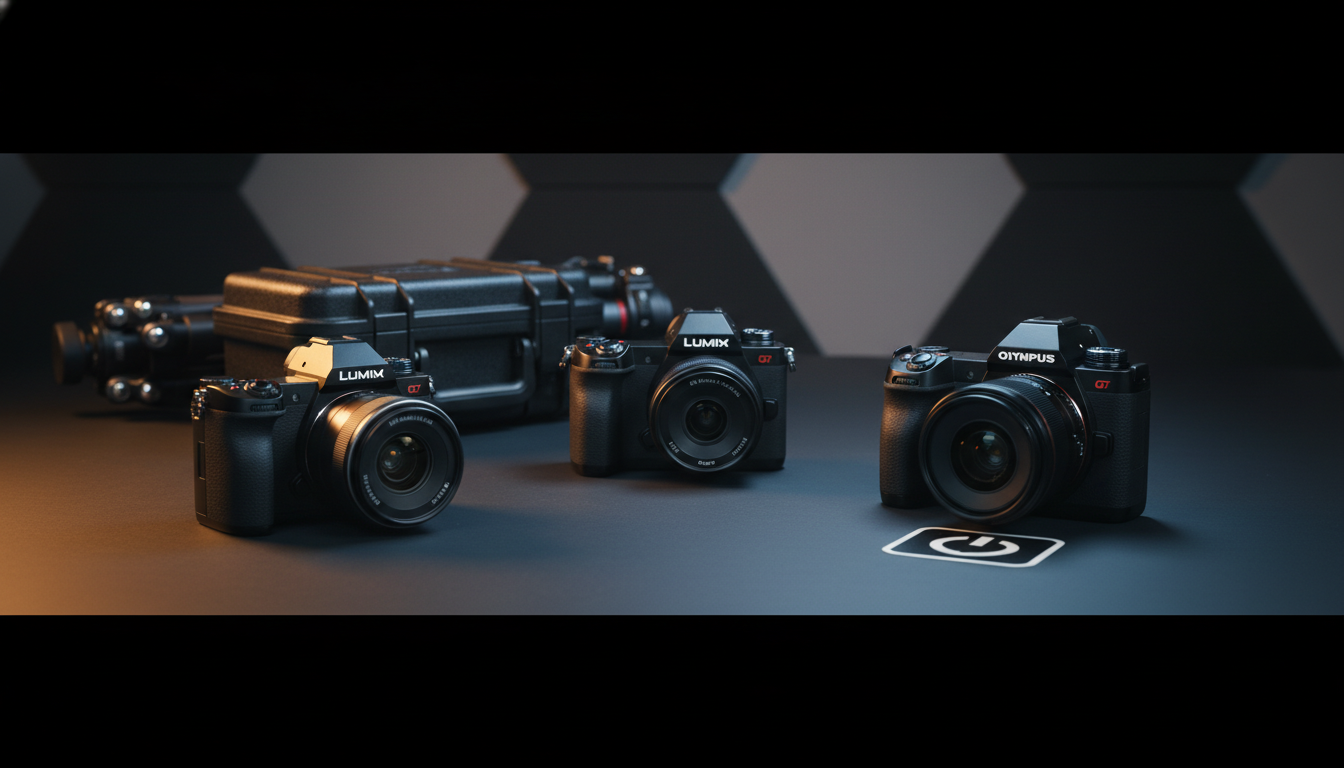
vs. Panasonic Lumix G9 II
Advantages
Disadvantages
Choose the E-M1 III for lighter weight and superior stabilization; choose G9 II if video features and extra IBIS stops are priority.
vs. OM System OM‑1
Advantages
Disadvantages
Select the OM‑1 for cutting‑edge sensor tech and higher‑resolution EVF; select the E-M1 III for a proven, cost‑effective package.
vs. Sony A6600
Advantages
Disadvantages
Opt for the E-M1 III when stabilization and burst speed are critical; opt for the A6600 for lighter weight and superior low‑light capability.