Elinchrom
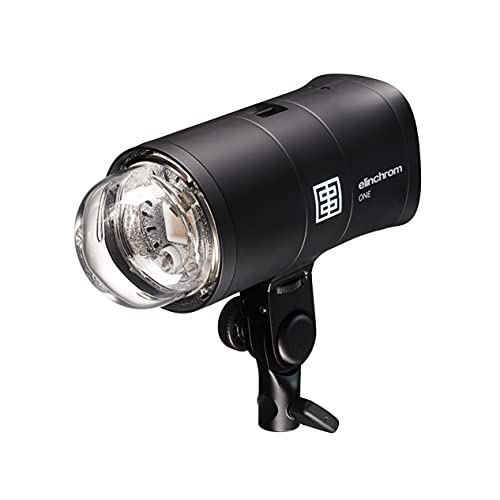
The Elinchrom ONE is a compact, battery‑powered monolight delivering up to 131 Ws of power in a lens‑sized, 1.5 kg body. It offers fast recycle, High‑Speed Sync to 1/8000 s, a versatile bicolor LED modeling lamp, and USB‑C active charging for on‑the‑go shooting.
Pros
Lower = better sales rank

Ginisfoto
Gepege

NEEWER

Flashpoint
Please sign in to leave a review
No reviews yet. Be the first to review!
Cons
From Expert Reviews
Praised by Experts
Criticized by Experts
Expert Opinion
Professional reviewers praise the ONE for its blend of portability and performance, highlighting its fast recycle, active USB‑C charging, high‑speed sync, and versatile bicolor modeling lamp. They commend its seamless integration with both Elinchrom and Profoto modifiers, but caution that the 131 Ws output and fan noise may limit its appeal for heavy‑duty studio work.
What Users Say
Everyday users echo the experts, valuing the flash's lightweight design, long battery life, and the creative flexibility of the LED lamp. No major complaints surface beyond the expected limits of power and occasional fan noise, indicating general satisfaction among location shooters.
Common Complaints
Limited 131 Ws maximum power for demanding studio work. Audible fan noise in quiet shooting environments. OCF adapter weight restriction to 1 kg limiting larger modifiers. Reduced battery flashes when the LED lamp is used at full power. Lack of weather‑sealing for harsh outdoor conditions
How It Compares
vs. Profoto B10
Advantages
Disadvantages
Choose the ONE for longer battery endurance and universal charging; choose the B10 when higher power and weather protection are essential.
vs. Godox V1 / V860III
Advantages
Disadvantages
Select the ONE for monolight power and modifier flexibility; opt for Godox speedlights for ultra‑lightweight, lower‑cost solutions.
vs. Profoto A10
Advantages
Disadvantages
The ONE is better for off‑camera, battery‑driven workflows needing higher output; the A10 suits photographers who prefer on‑camera flash with a smaller footprint.