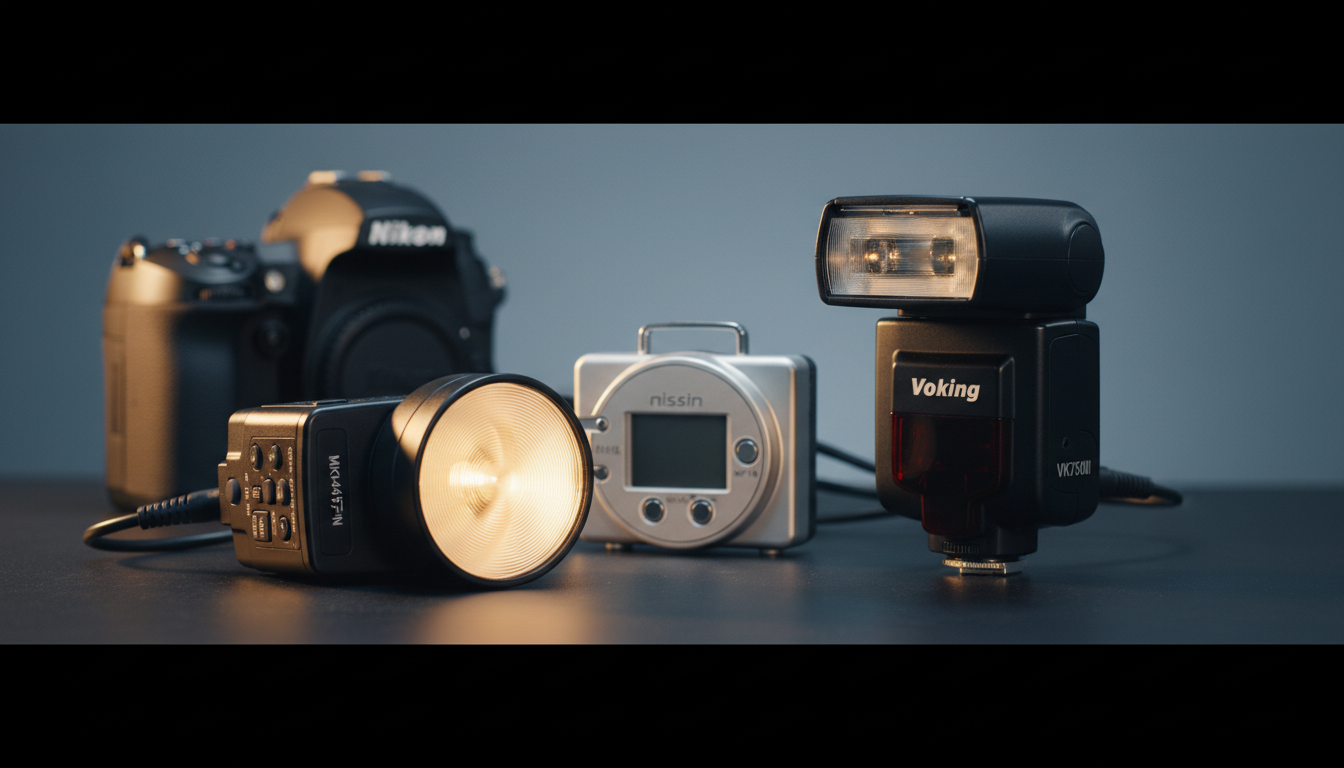
Voking
The Voking VK750II (also sold as Neewer VK750II) is a budget-friendly TTL speedlite for Nikon DSLR cameras, offering a guide number of 58, 18‑180 mm zoom, and extensive bounce and wireless slave capabilities. It provides full i‑TTL functionality with manual and strobe modes, but lacks high‑speed sync and radio wireless features.
Pros
Current
$59.99
Average
$65.08
Lowest
$47.99
Highest
$111.28
Lower = better sales rank

Powerextra

GODOX

GODOX
Magolin

GODOX
NEEWER

ULANZI

VILTROX

ULANZI
Please sign in to leave a review
No reviews yet. Be the first to review!
Get notified when the price drops. Track this product on BigBangPrice, our price tracking partner.
Cons
From Expert Reviews
Praised by Experts
Criticized by Experts
From User Reviews
Users Love
Users Complain About
Expert Opinion
Professional reviewers consider the Voking VK750II a solid, feature‑rich alternative to Nikon’s own flashes, praising its strong TTL performance, versatile bounce and zoom, and intuitive LCD interface. However, they note its lack of high‑speed sync and its relatively large size as drawbacks that keep it from being a full‑feature replacement for higher‑end units.
What Users Say
Everyday users generally view the flash positively, highlighting reliable TTL output, good value for money, and useful accessories like the bounce card and diffuser. Recurring criticisms focus on its bulkier form factor, occasional firmware hiccups, limited wireless range, and faster battery drain in multi‑flash modes.
Common Complaints
Common issues include the flash’s bulkier dimensions, lack of HSS, limited optical wireless range outdoors, occasional firmware quirks with balanced fill TTL, and quicker battery depletion during multi‑flash operation.
How It Compares
vs. Nikon SB-700
Advantages
Disadvantages
Choose Voking for budget power and flexibility; choose SB‑700 for portability, weather resistance, and HSS.
vs. Godox TT685II-N
Advantages
Disadvantages
Select Voking for a cheaper, solid TTL flash; select Godox for advanced wireless control and HSS.
vs. Yongnuo YN568EX III
Advantages
Disadvantages
Voking is preferable for users valuing build robustness and zoom flexibility; Yongnuo suits those prioritizing lighter weight.