
Panasonic
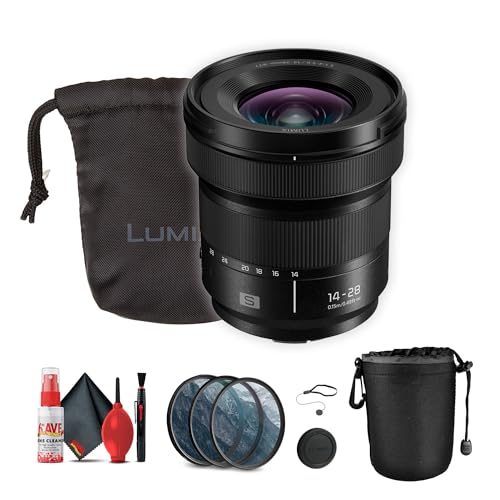
The Panasonic Lumix S 14-28mm f/4-5.6 Macro is a lightweight, weather‑sealed ultra‑wide zoom lens for L‑mount full‑frame cameras, offering close‑focusing macro capability and fast, silent autofocus. It balances portability with solid image quality, making it a strong travel and landscape companion.
Pros
Current
$799.99
Average
$722.07
Lowest
$604.95
Highest
$847.99
Lower = better sales rank

Panasonic

Panasonic
Panasonic

VILTROX

Panasonic

Panasonic

Panasonic

7artisans
Panasonic
Panasonic
Please sign in to leave a review
No reviews yet. Be the first to review!
Get notified when the price drops. Track this product on BigBangPrice, our price tracking partner.
Cons
From Expert Reviews
Praised by Experts
Criticized by Experts
From User Reviews
Users Love
Users Complain About
Expert Opinion
Professional reviewers commend the lens for its portability, robust weather sealing, and consistently high sharpness across the zoom range, noting the fast, silent autofocus as a strong point for both stills and video. The main criticisms focus on the variable f/4‑5.6 aperture, which hampers low‑light performance, and the noticeable barrel distortion at the widest focal length that requires correction.
What Users Say
Everyday users love the lens’s lightweight, weather‑sealed build and its ability to deliver sharp, detailed images even at the edges, especially appreciating the close‑focus macro feature. Common frustrations revolve around the variable aperture’s low‑light limitations and the need to correct barrel distortion, while some wish for a longer tele end for added versatility.
Common Complaints
Variable aperture limiting low‑light performance, barrel distortion at the wide end, and the relatively short 28 mm tele end compared with more common 35 mm zooms.
How It Compares
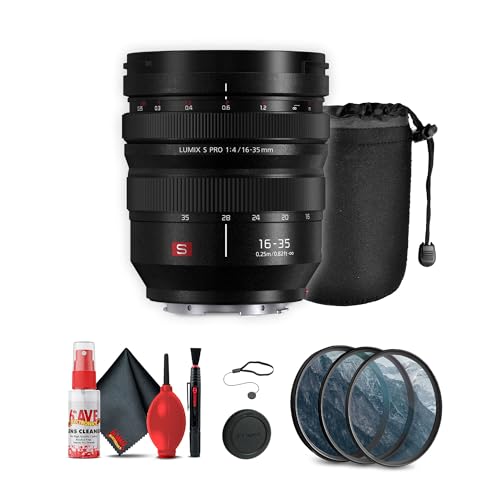
vs. Panasonic Lumix S Pro 16-35mm f/4
Advantages
Disadvantages
Choose the 14‑28mm for lightweight travel and ultra‑wide needs; choose the 16‑35mm for better low‑light performance and a longer tele end.
vs. Typical f/2.8 Ultra‑Wide Zooms (competitor models)
Advantages
Disadvantages
Select the 14‑28mm when size, weight, and weather resistance are priorities; opt for f/2.8 rivals when low‑light speed outweighs portability.
