
OhGeni
The OhGeni AMH5V287 is a 287 Wh LiFePO4 portable power station released in late 2024, offering a lightweight 6.6 lb aluminum design with pure sine wave AC, fast USB‑C PD, and wireless charging. It targets outdoor adventurers and emergency backup users who need reliable, long‑life power in a compact form factor.
Pros
Current
$129.99
Average
$145.46
Lowest
$129.99
Highest
$149.99
Lower = better sales rank

King Koil

iDOO

KNZZO
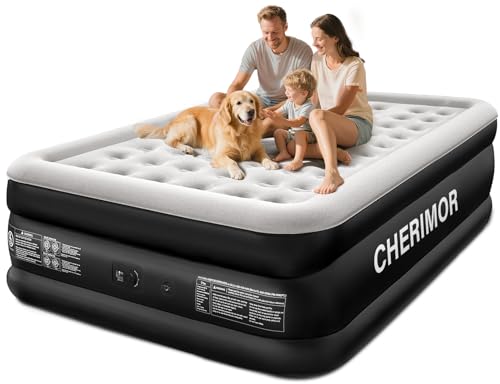
CHERIMOR

CHERIMOR
Please sign in to leave a review
No reviews yet. Be the first to review!
Get notified when the price drops. Track this product on BigBangPrice, our price tracking partner.
Cons
From Expert Reviews
Praised by Experts
Criticized by Experts
From User Reviews
Users Love
Users Complain About
Expert Opinion
Professional reviewers commend the AMH5V287 for its ultra‑light weight, robust LiFePO4 chemistry and fast USB‑C PD charging, making it a top pick for hikers and travelers. They note solid AC performance up to 290 W but warn that surge capacity fades quickly and the app can be finicky, while the solar input remains modest compared with some rivals.
What Users Say
Everyday users love the station’s portability and reliable power for cameras, laptops and CPAP devices, often highlighting its ability to survive extreme cold and deliver many phone charges. Common frustrations revolve around the limited 300 W AC ceiling, occasional Bluetooth drop‑outs, and the unit getting warm under continuous heavy load.
Common Complaints
Power limits on high‑draw appliances, intermittent Bluetooth/app connectivity, and noticeable warmth/fan noise during prolonged full‑load AC operation.
How It Compares
vs. EcoFlow River 2
Advantages
Disadvantages
Choose EcoFlow if you need the quickest recharge and higher USB‑C power; stick with OhGeni for lighter weight and longer battery lifespan.
vs. Jackery Explorer 240 v2
Advantages
Disadvantages
Jackery is a solid, well‑known option but OhGeni offers far better longevity and portability for the same power class.
vs. Anker 521
Advantages
Disadvantages
Anker provides decent capacity but is bulkier and slower to solar‑charge; OhGeni remains the better choice for ultralight travel.
