Panasonic
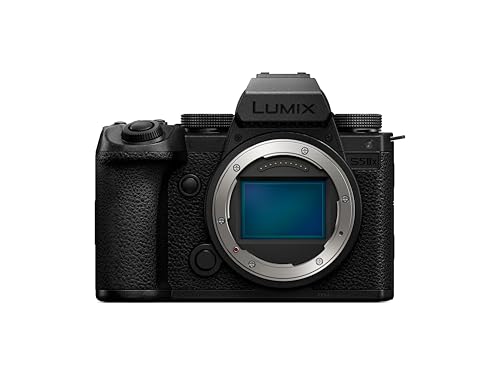
Panasonic’s LUMIX S5IIX is a full‑frame mirrorless camera that blends a 24.2 MP sensor with advanced hybrid autofocus and a suite of professional‑grade video features such as unlimited 4K60p 10‑bit recording, 6K30p ProRes/RAW, and real‑time LUTs. It adds a built‑in cooling fan, a high‑resolution OLED EVF and a bright articulated touchscreen, targeting hybrid creators who need both high‑quality stills and cinema‑level video.
Pros
Current
$1,919.95
Average
$1,964.22
Lowest
$1,918.27
Highest
$1,997.99
Lower = better sales rank
Please sign in to leave a review
No reviews yet. Be the first to review!
Get notified when the price drops. Track this product on BigBangPrice, our price tracking partner.
Cons
From Expert Reviews
Praised by Experts
Criticized by Experts
From User Reviews
Users Love
Users Complain About
Expert Opinion
Professional reviewers commend the S5IIX for its cinema‑grade video suite, robust build quality, and bright viewfinder and screen, noting the built‑in cooling fan as a key differentiator that enables unlimited high‑bitrate recording. They also acknowledge the camera’s bulk and modest 9 fps mechanical burst as trade‑offs, but overall view it as a powerful hybrid tool for creators who prioritize video performance.
What Users Say
Everyday users echo the expert praise for video versatility, unlimited recording, and effective stabilization, while repeatedly mentioning the camera’s size and weight as less convenient for travel or long handheld sessions. The high‑resolution still mode and dual card slots receive positive remarks, whereas the limited burst speed and battery drain from the bright EVF are common complaints.
Common Complaints
Bulkier body and higher weight compared to competitors, limited 9 fps mechanical burst, reduced battery life due to power‑hungry EVF and screen, and absence of a built‑in flash.
How It Compares
vs. Panasonic LUMIX S5 II
Advantages
Disadvantages
Choose the S5IIX for advanced video workflows; opt for the S5 II if video features are less critical and cost is a primary concern.
