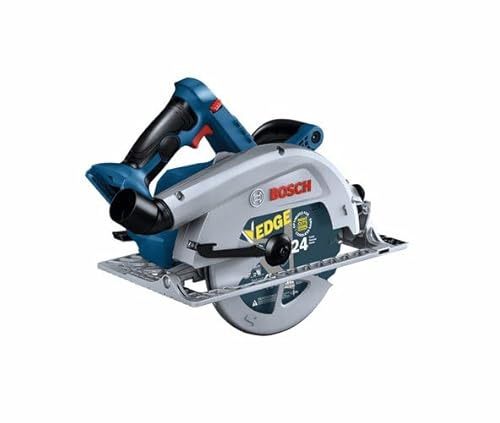
Bosch
The Bosch GKS18V-25GN is an 18V cordless 7-1/4-inch circular saw from the PROFACTOR lineup, featuring BITURBO™ Brushless technology to deliver corded-level performance. It offers a 2-1/2-inch cut capacity at 90 degrees, a 0-50° bevel range, and ECO mode for extended runtime, making it suitable for professional framing and sheathing tasks.
Pros
Lower = better sales rank

Bosch

DEWALT

Jet

Bosch
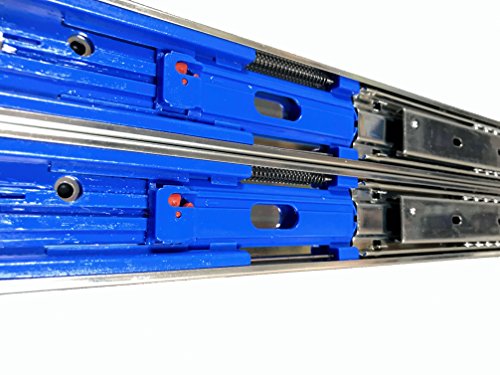
ProMark

HYCHIKA BETTER TOOLS FOR BETTER LIFE

HYCHIKA BETTER TOOLS FOR BETTER LIFE

Bosch
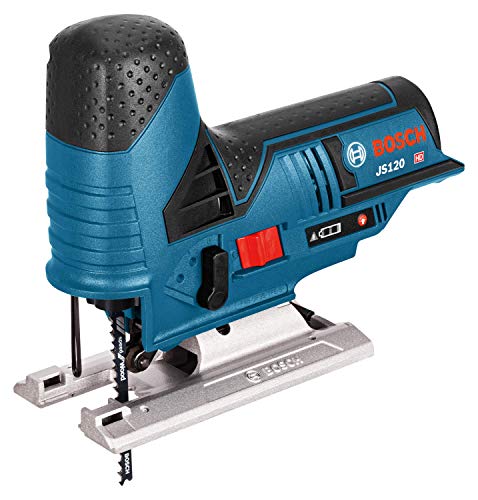
Bosch

Toledo Hydraulic

Bosch

Metabo HPT

Bosch

Zebekk

Ameri

Bosch
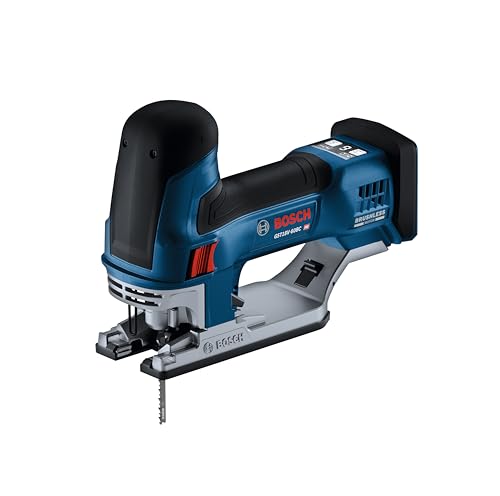
Bosch

Bosch

wowrmaykay
Please sign in to leave a review
No reviews yet. Be the first to review!
Cons
From Expert Reviews
Praised by Experts
Criticized by Experts
From User Reviews
Users Love
Users Complain About
Expert Opinion
Professional reviewers praise the GKS18V-25GN for its corded-like power and 2-1/2-inch cut capacity, noting the effectiveness of BITURBO™ technology and the 0-50° bevel range. While the track compatibility and ECO mode are highlighted as significant advantages, reviewers criticize the lack of variable speed, riving knife, and plunge capability, recommending the GCB14 variant for those needing precision track saw features.
What Users Say
Direct consumer feedback is limited in the provided data, with no ratings or comments found on reseller pages. However, implied praise from professional alignment suggests satisfaction with power and runtime. The primary recurring theme among users is the dependency on high-capacity batteries (8-12 Ah) to maintain performance, with no other common complaints documented.
Common Complaints
Performance drops significantly with batteries under 8 Ah. Lacks variable speed dial for material-specific adjustments. Missing riving knife for enhanced safety. Bulkier handling due to dimensions
What People Are Saying
“great addition to PROFACTOR for track use”
How It Compares
vs. Bosch GKS18V-25GCB14
Advantages
Disadvantages
Choose the GN for general framing and bevel cuts with extended runtime, or the GCB14 for precision track plunging and variable speed control.
vs. Bosch GKS18V-25CN
Advantages
Disadvantages
Choose the GN for advanced features and runtime optimization, or the CN for basic ProFactor power without extra interface complexity.
