
Channellock
The Channellock 209 is a 9-inch slip-joint plier designed for gripping oil filters and PVC fittings in tight spaces. It features a wide jaw capacity of up to 3 inches, USA-made forged steel construction, and safety features like SAFE-T-STOP and PermaLock. While excellent for plumbing and general use, it offers less leverage than larger models and is less effective on stubborn oil filters than specialized tools.
Pros
Lower = better sales rank

Channellock

Channellock

Channellock

Channellock

Channellock

CHANNELLOCK

FloTool

GEARWRENCH
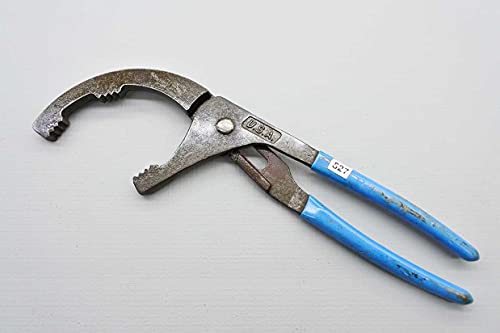
Channellock

Powerbuilt

TEKTON

WORKPRO

GOHAWKTEQ

CRAFTSMAN

WORKPRO
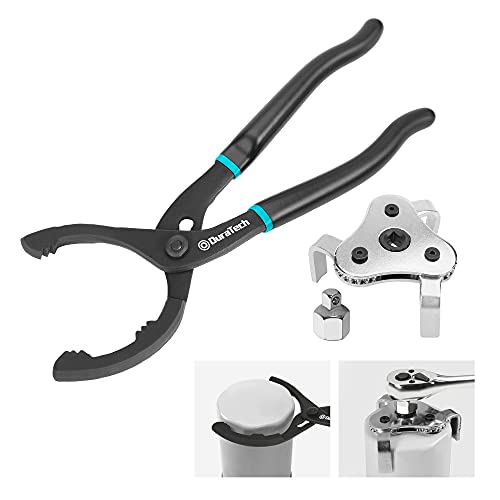
DURATECH
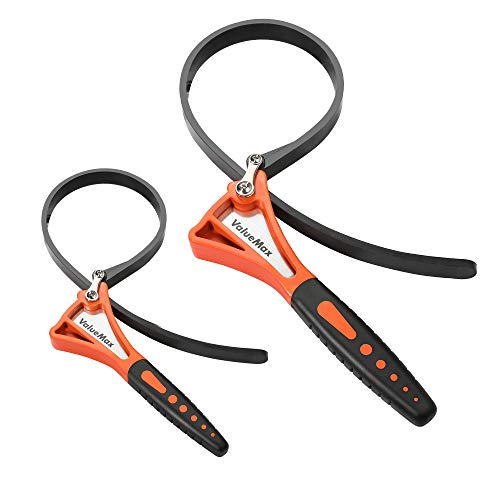
ValueMax
Please sign in to leave a review
No reviews yet. Be the first to review!
Cons
From Expert Reviews
Praised by Experts
Criticized by Experts
From User Reviews
Users Love
Users Complain About
Expert Opinion
Professional reviewers praise the Channellock 209 for its massive jaw capacity and compact design, making it ideal for grabbing large objects like PVC pipes in tight spaces. While they appreciate the classic tongue-and-groove quality and USA manufacturing, experts note it is marginal for oil filters compared to dedicated tools. The safety features and durable build are highlighted as key strengths for general plumbing and conduit work.
What Users Say
Everyday users commonly praise the perfect jaw sizing for 2-inch pipes and vehicle filters, noting the strong forged build makes turning and loosening easy. Recurring themes include a slippage-free hold in plumbing tasks and appreciation for the USA-made quality. However, complaints focus on the tool's adequacy for oil filters and the limitation of short handles for high-torque needs.
Common Complaints
Marginal performance on some oil filters compared to specialized tools. Short handles limit torque in confined areas despite wide jaws
How It Compares
vs. Channellock 212 (12-inch model)
Advantages
Disadvantages
Choose the 209 for tight spaces and versatility, but choose the 212 for bigger jobs requiring extended reach and leverage.
vs. Standard Oil Filter Pliers (e.g., generic)
Advantages
Disadvantages
Choose the 209 for durable, multi-purpose use in tight spaces, but choose generic tools only if budget is the primary constraint and oil-only use is intended.
