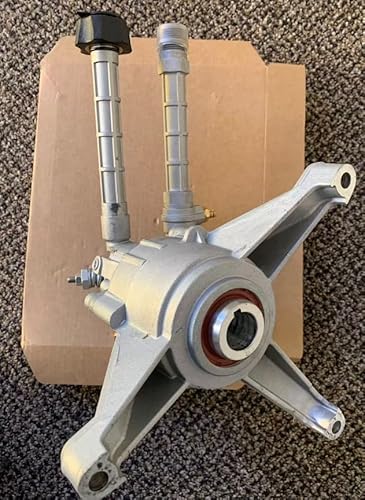
Package contains: as listing
The STIHL RB 200 is a gasoline-powered pressure washer designed for heavy-duty home and garden cleaning tasks, featuring a 2,500 psi water pressure and 2.3 gpm flow rate. It utilizes a Briggs & Stratton engine with an Easy Start Pump System to eliminate hard pulls, making it suitable for cleaning sidewalks, driveways, decks, and house siding. The unit includes durable components like a steel-braided hose and stainless steel nozzles, positioning it as a powerful option for users prioritizing cleaning performance over portability.
Pros
Lower = better sales rank

CANPUMP

Red Lion

YAMATIC
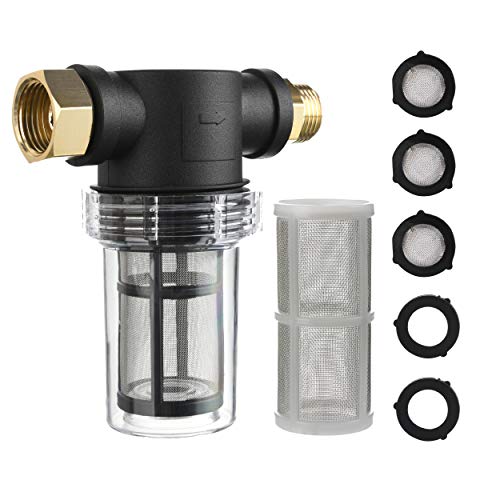
M MINGLE

YAMATIC

sperus
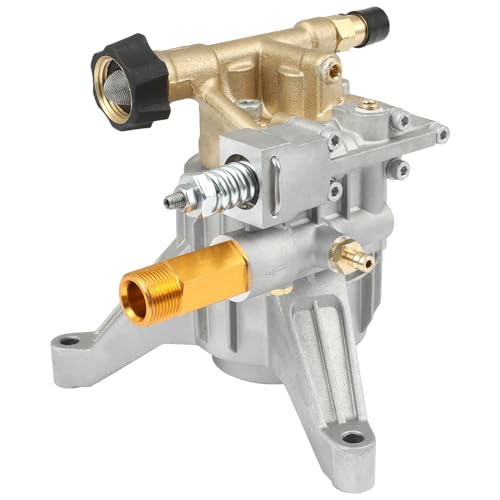
OCPTY

ATESMO

OCPTY

ECMTPL
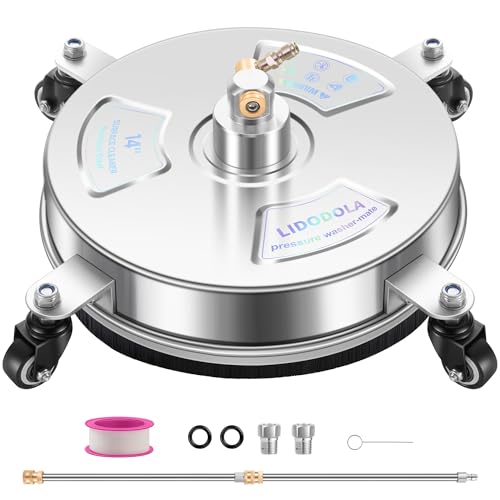
LidoDola
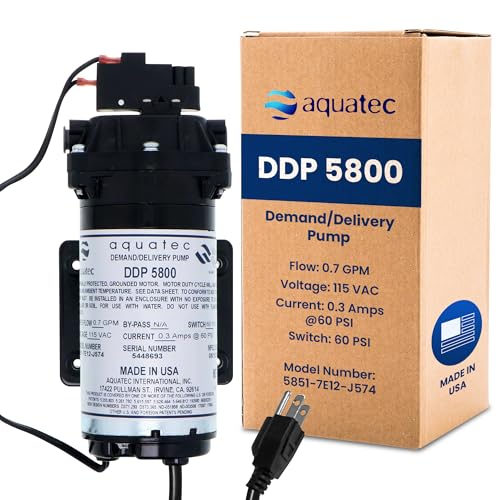
ESP Water Products

EZJOB
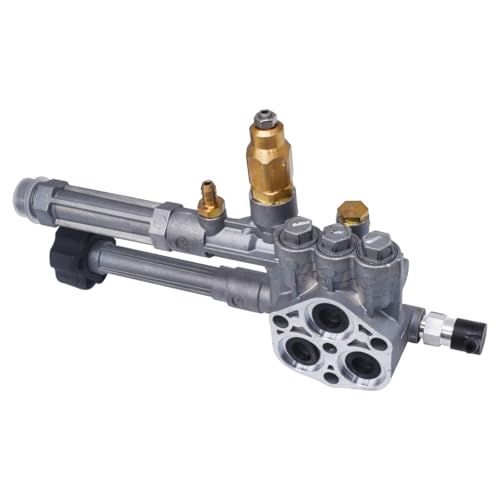
Cylinman

Fit4drive

TOOLCY

EZJOB

EZJOB
Please sign in to leave a review
No reviews yet. Be the first to review!
Cons
From Expert Reviews
Praised by Experts
From User Reviews
Users Love
Users Complain About
Expert Opinion
STIHL's official materials and dealer sites praise the RB 200 as convenient, powerful, and easy to use, specifically highlighting the Easy Start system, reverse-trigger gun for reduced fatigue, and the reliability of the Briggs & Stratton engine. YouTube overviews emphasize its 5 hp power and 25 ft hose for tackling dirt on siding and decks, positioning it as a no-fuss heavy cleaner. However, no independent expert reviews from sources like Consumer Reports or Pro Tool Reviews were found in the search results.
What Users Say
Direct consumer reviews or forum discussions were not found in the search results. However, video content regarding pump replacement implies that while the unit performs strongly at 2,500 psi / 2.3 gpm, there are reliability issues over time that may necessitate pump swaps. Common themes from product pages include praise for power and ease of use, with potential complaints inferred around the maintenance needs of the gas engine and pump.
Common Complaints
Potential reliability issues with the pump requiring replacement over time, and the general maintenance burden associated with gasoline engines.
How It Compares
vs. Typical Electric Pressure Washers
Advantages
Disadvantages
Choose the RB 200 for heavy-duty outdoor jobs requiring maximum power and durability; choose electric alternatives for light/medium tasks where portability and no-fuel convenience are priorities.
