
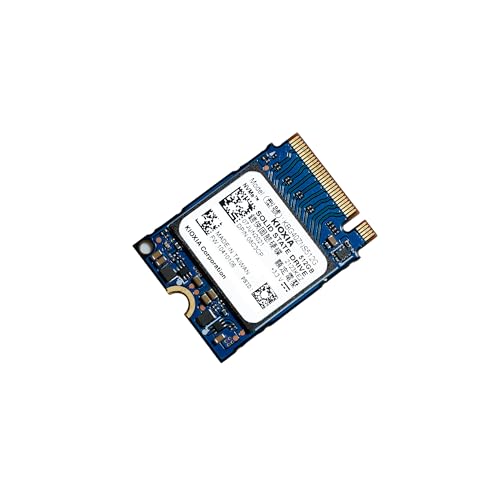
The Kioxia XG6 256GB NVMe SSD delivers up to 3,050 MB/s sequential read and 1,550 MB/s write speeds with a single‑sided M.2 2280 form factor, low active power draw of 4.7 W, and optional TCG OPAL encryption, making it a power‑efficient choice for thin laptops and desktop boot drives.
Pros
Lower = better sales rank

Timetec
![Toshiba XG6 KXG60ZNV512G 512 GB Solid State Drive - M.2 2280 Internal - PCI Express [PCI Express 3.1 x4]](https://m.media-amazon.com/images/I/41F8NAae2RL._SL500_.jpg)
KIOXIA

Deal4GO
KIOXIA

fanxiang

fanxiang

KIOXIA

SAMSUNG

fanxiang

fanxiang
![SABRENT 4-Drive NVMe M.2 SSD to PCIe 3.0 x4 Adapter Card [EC-P3X4]](https://m.media-amazon.com/images/I/41NmfT8xoAL._SL500_.jpg)
SABRENT

Fikwot

Fikwot

KLEVV

fanxiang

NEMIX RAM

Fikwot
Fikwot

Fikwot
Please sign in to leave a review
No reviews yet. Be the first to review!
Cons
From Expert Reviews
Praised by Experts
Criticized by Experts
From User Reviews
Users Love
Users Complain About
Expert Opinion
Professional reviewers consider the XG6 a very competitive Gen3 SSD in terms of peak throughput and power efficiency, but they caution that its sustained performance drops after the SLC cache is used up, making it best for bursty workloads rather than continuous heavy writes.
What Users Say
Everyday users appreciate the SSD’s low power draw and quick system boot times, often labeling it best‑in‑class for thin laptops, while recurring complaints focus on the drop in write speed after the cache fills and the modest endurance rating.
Common Complaints
Write speed reduction after SLC cache depletion, low endurance (<1 DWPD) for intensive write tasks, and lower sustained performance compared to competing Gen3 SSDs.
What People Are Saying
“fast high-end NVMe SSD for laptops”
“best-in-class”
How It Compares
vs. Samsung 970 EVO 250GB
Advantages
Disadvantages
Choose the XG6 for better power efficiency and slim designs; choose the 970 EVO for higher peak performance.
vs. WD Black SN750 250GB
Advantages
Disadvantages
Select the XG6 for power‑constrained thin systems; select the SN750 for workloads demanding higher random IOPS and write throughput.
vs. Sabrent Rocket 256GB (Gen3)
Advantages
Disadvantages
Opt for the XG6 when encryption and low power are priorities; opt for the Rocket when maximum sequential performance is required.
