Rankings
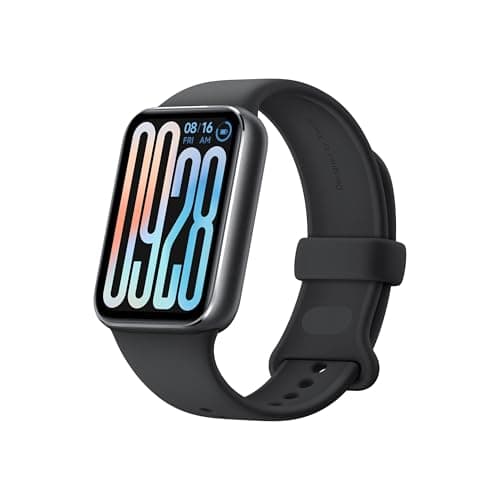
The Xiaomi Smart Band 9 Pro is a premium fitness tracker featuring a 1.74-inch AMOLED screen, multi-constellation GNSS and up to 21 days of battery life, targeting outdoor enthusiasts who need accurate phone-free GPS. Its larger size, lack of NFC and occasional auto-brightness lag may deter users seeking a slimmer, fully featured smartwatch. Best for athletes who prioritize a bright display and robust GPS over ultra-thin design.
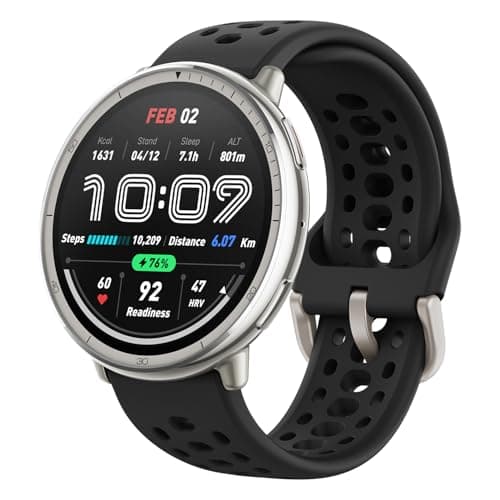
The Amazfit Active 2 Sport offers a large 1.75-inch AMOLED display, built-in GPS and up to 14 days of battery life, targeting budget-conscious fitness fans. It lacks NFC and can suffer occasional Bluetooth connectivity issues. Perfect for users who prioritize long endurance and a wide range of sport modes.
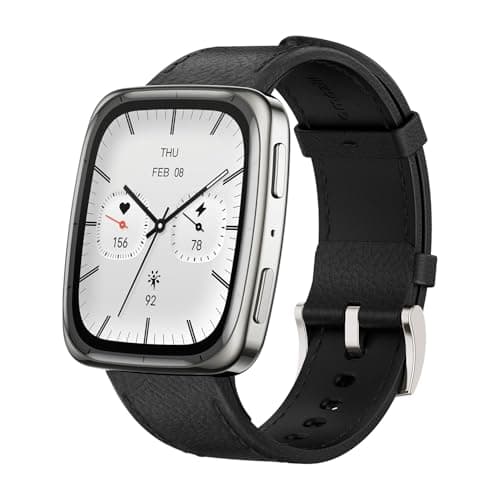
The Amazfit Active 2 Premium is a stylish smartwatch featuring a 1.75-inch AMOLED display and up to 14 days of battery life. Its lightweight stainless-steel construction and built-in GPS make it ideal for everyday wear, though it lacks NFC and advanced sport-mode depth. Best suited for fashion-focused fitness users.
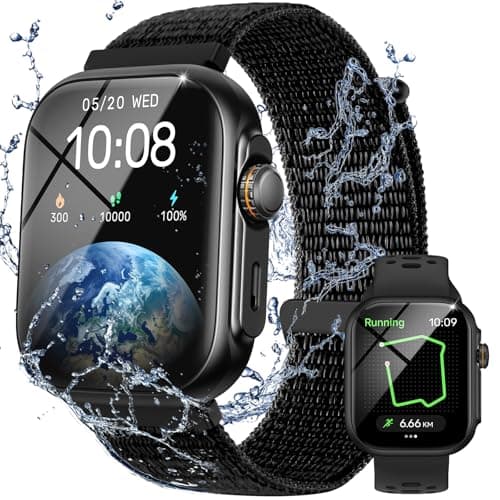
The Parsonver Smart Watch provides a bright touchscreen and a full health-monitoring suite, making it a solid budget smartwatch for everyday fitness. Its main limitation is the absence of standalone GPS and only shallow-water resistance. Best for beginners, kids or casual users who want health tracking and Bluetooth calls without needing independent navigation.
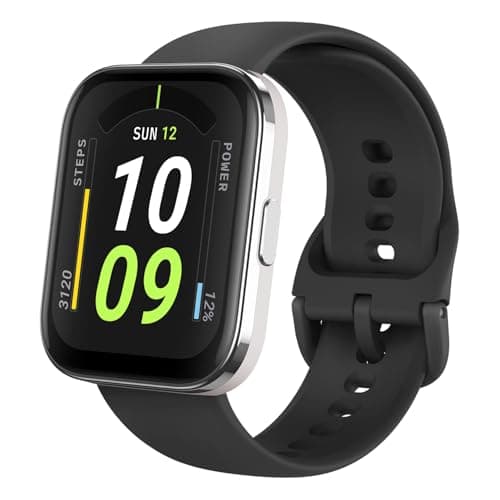
The Amazfit Bip 5 Core offers an exceptionally long battery life and a sizable 1.91-inch screen at a budget price, making it a solid everyday tracker. Its trade-offs include less accurate heart-rate readings and a simplistic UI. Ideal for casual users who prioritize endurance and affordability over premium sensor precision.
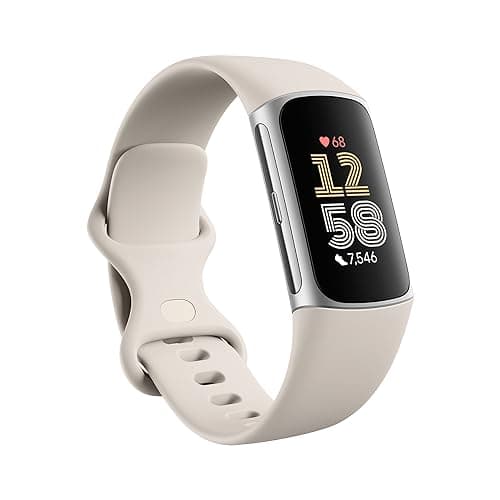
The Fitbit Charge 6 is a slim fitness tracker with a bright 1.04-inch AMOLED display and built-in GPS, offering up to seven days of battery life. Its reliance on a Google account and lack of an official IP rating limit its appeal for some users. Ideal for fitness enthusiasts who value comprehensive health tracking and Google integration.
| Attribute | | | | | | |
|---|---|---|---|---|---|---|
504 hoursbest | 336 hours | 336 hours | 168 hours | — | 264 hours | |
350 mAhbest | 260 mAh | — | 168 mAh | — | — | |
| ↓ lower better | 40 g | 31.75 g | 29.5 gbest | 133 g | 40 g | 132 g |
1.74 inches | 1.75 inches | 1.75 inches | 1.04 inches | 1.85 inches | 1.91 inchesbest | |
| ↓ lower better | 75 minutesbest | 120 minutes | — | 120 minutes | — | — |
| ↓ lower better | — | — | — | 11.176 mmbest | 13 mm | — |
Click an attribute name to sort · Green = best, red = worst (relative to this comparison)
| Attribute | | | | | | |
|---|---|---|---|---|---|---|
Battery & Power(3) | ||||||
Battery Life (hours) | 504 hours | 336 hours | 336 hours | 168 hours | — | 264 hours |
Battery Capacity (mAh) | 350 mAh | 260 mAh | — | 168 mAh | — | — |
Charging Time (minutes) | 75 minutes | 120 minutes | — | 120 minutes | — | — |
Connectivity(1) | ||||||
Bluetooth Version | 5.4 | 5.2 | — | 5.0 | 5.3 | 5.0 |
Display(3) | ||||||
Display Size (inches) | 1.74 inches | 1.75 inches | 1.75 inches | 1.04 inches | 1.85 inches | 1.91 inches |
Display Resolution | 336x480 | 390x450 | 390x450 | — | — | — |
Display Type | AMOLED | AMOLED | — | AMOLED | touchscreen | — |
Build & Design(5) | ||||||
Weight (g) | 40 g | 31.75 g | 29.5 g | 133 g | 40 g | 132 g |
Thickness (mm) | — | — | — | 11.176 mm | 13.0 mm | — |
Case Material | Aluminum alloy | Stainless steel | Aluminum alloy + plastic | — | — | — |
Strap Material | TPU | Silicone/Leather | Silicone | — | silicone | — |
Water Resistance (IP Rating) | 5ATM | 5 ATM | 5 ATM | 5 ATM | IP68 | — |
Products in the top-left offer the best value (high score, low price).
Professional reviewers consider the Smart Band 9 Pro a significant step forward, emphasizing its expansive high-brightness display, robust GNSS capabilities, and comprehensive sport and health features. While the device is praised for comfort and visual clarity, the only notable drawback mentioned is the occasional lag in automatic brightness adaptation under sudden lighting changes.
Everyday users love the vivid screen, long battery life, and reliable GPS for workouts, finding the health sensors valuable. Common frustrations revolve around the band's bulk on smaller wrists, delayed auto-brightness in sunlight, and the need to replace the strap for extended comfort during long wear.
“Large 1.74-inch AMOLED screen with 336 × 480, 1200 nits is "really useful"”
“Up to 14 days of battery life in typical use, far exceeding most competitors.”
“Lacks NFC and advanced sensors such as an altimeter.”
Choose the Active for a bigger screen and longer battery; choose the Active 2 if you need more workout tracking and premium glass.
Choose Active for ultra-lightweight, long-lasting use; choose Active 2 for a brighter screen and more advanced sensors.
Professional reviewers position the Amazfit Active as a premium-looking smartwatch that balances striking aesthetics with robust health monitoring. They commend its bright 2,000-nit AMOLED screen, lightweight aluminum construction, and deep integration with the Zepp app, while noting that its feature set is more fashion-oriented than sport-focused compared to the Active 2.
Consumers repeatedly praise the watch's feather-light feel, attractive color choices, and impressive battery endurance. The consensus is that the Active delivers a stylish daily companion that reliably tracks basic health metrics without frequent charging interruptions.
Professional reviewers commend the Amazfit Active for its exceptional value at around $99, offering a large AMOLED screen, extensive sport modes, AI health coaching, and a standout 14-day battery. However, they point out the lack of premium sensors like an altimeter, a less refined rectangular look, and unspecified brightness that may lag behind the Active 2's 2,000-nit display.
Everyday users overwhelmingly appreciate the long battery life, feather-light weight, vivid display, and reliable fitness tracking, especially GPS and heart-rate monitoring. Recurring complaints focus on occasional Bluetooth drops, occasional GPS inaccuracies in dense areas, strap comfort for larger wrists, and the absence of NFC and broader third-party app support.
Professional reviewers highlight the Charge 6's strong Google integration, accurate built-in GPS, and impressive seven-day battery as key strengths, while noting the mandatory Google account and lack of an official IP rating as drawbacks.
Everyday users praise the tracker for its comfortable fit, reliable health and GPS data, and the convenience of Google Wallet and notification support. Common complaints revolve around the forced Google account login, occasional syncing hiccups, and band sizing issues on smaller wrists.
Professional reviewers consistently describe the Parsonver Smart Watch as a budget‑friendly alternative that delivers a solid set of core smartwatch functions, including Alexa, a vibrant touchscreen, and extensive sport modes. While they commend its ease of use and sturdy design, they also note the missing built‑in GPS and limited water resistance as trade‑offs compared to higher‑end competitors.
Everyday consumers rate the watch highly for its ease of use, comfortable band, and long battery life, emphasizing its value for casual fitness tracking. The most common complaints revolve around the lengthy initial charging period and the lack of deep-water capability, but overall sentiment remains positive.
Professional reviewers commend the Bip series for its impressive battery longevity, comfortable design and functional GPS, noting that it delivers a solid mix of features at a low price. However, they criticize the heart-rate sensor's inaccuracy, the simplistic UI and the relatively slow GPS lock, which keep it from competing with higher-end models.
Everyday users consistently praise the watch's long battery life, comfort and large readable screen, often calling it a great value for casual fitness and swimming. Recurring complaints focus on heart-rate inaccuracies, occasional step-count errors, strap wear and the occasional delay in GPS acquisition.
