| Attribute |  |  |  |  |  |  |  |  |  | 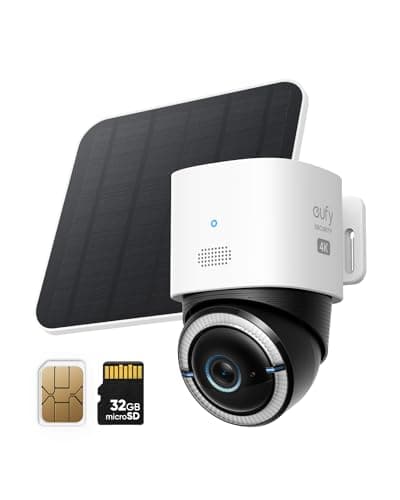 |
|---|
TechGearLab praises the Tapo C210 as an affordable indoor camera with surprisingly clear and sharp image quality, excellent 360-degree rotation, and useful app presets. However, reviewers criticize the clunky subject tracking and antiquated app interface. Other sources highlight solid specs like H.264 compression but note limitations in streaming resolution.
Users commonly praise the easy setup, clear 2K video, and reliable notifications, finding the camera effective for pet and baby monitoring. Recurring complaints involve app glitches, poor tracking performance, and the lack of 5 GHz Wi-Fi support which limits performance in busy networks.
“Easiest and cleanest interface I've ever used... maintaining 100% battery”
“complete in minutes with app guidance”
“100% battery always”
Choose the base model for lightweight, fixed-angle monitoring with 5G options, or the PT Ultra for comprehensive 355° pan coverage.
Professional reviewers and retailers offer mixed but generally positive feedback, highlighting the camera's value proposition for budget-conscious buyers. Newegg and Best Buy Canada praise the 350-degree view and night vision capabilities for providing blind-spot-free monitoring. Walmart emphasizes the superior 2K clarity and weatherproofing compared to 1080p competitors. However, there are no in-depth editorial reviews from major tech publications, with endorsements focusing primarily on spec-driven value for outdoor pan-tilt use.
Everyday users express general satisfaction with the product, particularly praising the ease of app setup and the effectiveness of the night vision. Recurring positive themes include the utility of the 360-degree rotation and the convenience of 2-way audio for visitor communication. Users also appreciate the siren and motion alerts for deterring intruders. Common complaints revolve around stock availability, potential Wi-Fi range limitations, and the necessity of buying a separate SD card. Some users report occasional delays in app notifications but note reliable all-weather performance.
Professional reviewers and editors praise the AOSU for its subscription-free model, hassle-free solar installation, and superior app interface. Experts highlight it as a favorite security kit for DIY users due to its true wireless PTZ capabilities, AI tracking, and 60-day local storage. The eco-friendly sustainability and IP66 durability are noted as outperforming many wired systems in terms of convenience.
Everyday users commonly praise the simple wire-free installation, reliable solar power that maintains 100% battery, and sharp 2K video quality with effective tracking. Recurring complaints include concerns about fixed solar panels regarding shading, occasional Wi-Fi range issues in large areas, and a desire for more flexible panel positioning options.
Professional reviewers commend the C520WS for its sharp 2K resolution, expansive 340° pan/90° tilt with motion tracking, and starlight color night vision that delivers vivid low‑light footage. They also appreciate the dual Wi‑Fi antennas for stable connectivity and the inclusion of free AI detection and activity‑zone alerts, positioning it as a high‑value, budget‑friendly PTZ solution. Minor criticisms focus on its wired power requirement, the default low frame rate, and occasional Wi‑Fi instability in larger deployments.
Everyday users consistently praise the camera’s crystal‑clear 2K video, easy app‑based pan/tilt control, accurate motion tracking, and full‑color night vision that helps identify details at night. They also value the lack of subscription fees for storage and the two‑way audio deterrent. Common frustrations revolve around the fixed wired power cord limiting placement, occasional Wi‑Fi drops, and the choppy feel of the default 15 fps video, as well as overly sensitive app notifications.
Professional reviewers consistently rate the eufy E340 highly for its image quality, AI accuracy, and deterrence capabilities, noting it as a top-tier wireless floodlight camera. While the 2000-lumen spotlight and Wi-Fi 6 connectivity are praised for performance, reviewers highlight that the requirement for professional hardwiring is a significant barrier for some consumers.
Everyday users generally praise the camera for its crystal-clear video quality, effective animal deterrence, and the value of subscription-free local storage. However, recurring complaints focus on the high cost and difficulty of professional installation, the bulky size making discreet mounting hard, and occasional issues with Wi-Fi stability or siren volume perception.
Professional reviewers and editors regard the Wyze Duo Cam Pan as a game‑changing security solution, emphasizing its dual‑camera architecture, 2K clarity, robust WDR, color night vision, and IP65 durability. They appreciate the Wi‑Fi 6 connectivity and advanced smart detections, while noting the need for a separate outdoor power adapter and a subscription for cloud storage as drawbacks.
Everyday users praise the camera for its easy setup, dual‑view app, sharp 2K video, and effective pan‑tilt tracking that eliminates blind spots. They value the color night vision, siren, and smart alerts, but commonly criticize the lack of included microSD storage, the requirement for an extra outdoor adapter, and the ongoing subscription cost for cloud features.
Professional reviewers commend the Wansview Solar Camera for delivering crystal‑clear 2K video, unmatched 360° PTZ coverage, and a reliable solar‑plus‑battery power system that eliminates subscription fees. They also appreciate its IP65 durability and Alexa integration, though they note the absence of 5 GHz Wi‑Fi and occasional app stability issues as drawbacks.
Everyday users are enthusiastic about the camera’s sharp video quality, easy wire‑free installation, accurate PIR motion alerts, and the convenience of solar charging. Common frustrations revolve around Wi‑Fi range limitations, occasional app glitches, and reduced performance of the solar panel in shaded environments.
Professional reviewers highlight the camera's superior 4K recording quality and impressive battery efficiency, noting that minimal daily sunlight can sustain continuous operation. They praise the intelligent motion tracking that reduces false alarms by keeping subjects centered, while also acknowledging the limitations in tilt range and the necessity of a separate HomeBase for advanced AI features.
Users generally praise the clear video quality and the convenience of solar charging, which reduces maintenance in moderate climates. The robust deterrence features are frequently cited as effective. However, recurring complaints focus on the hidden costs of advanced features requiring a separate HomeBase, the limited tilt range, and performance drops during extended cloudy weather.
Professional reviewers and editors highlight the camera's stunning 4K detail and vivid color night vision as key strengths. The device is positioned as superior for off-grid locations due to its solar portability and lack of required WiFi for 4G variants. While independent editor quotes are limited, the IP65 durability and smart detection accuracy are consistently praised in official descriptions.
Everyday users generally praise the solar reliability and the clarity of the 4K night vision footage. Common themes include the ease of wireless installation and the long battery life sustained by solar charging. Recurring complaints involve occasional WiFi drops in weak signal areas and app glitches related to preset positions.
Professional reviewers highlight the S330’s off‑grid versatility, praising its seamless hybrid LTE/Wi‑Fi switching, 4K clarity with 8x zoom, and AI‑driven tracking that minimizes false alarms. The solar‑powered battery and auto‑SIM selection are seen as standout features for remote installations, though experts caution about potential LTE data costs and the camera’s power draw.
Everyday users consistently praise the camera’s ability to function without Wi‑Fi, its vivid 4K color night vision, and the ease of setting up the solar panel. Common complaints revolve around the initial assembly requiring tools, occasional LTE signal weakness in fringe areas, and battery drain when solar charging is limited.
