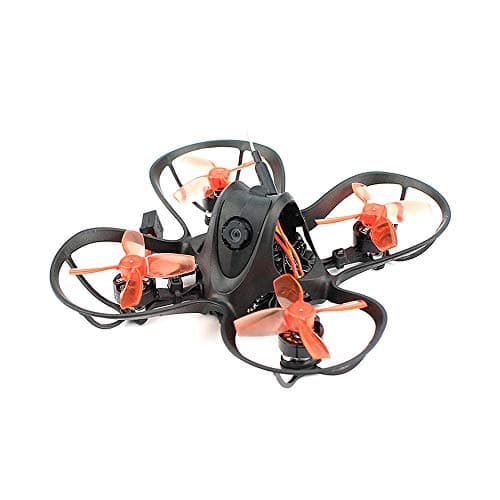
EMAX Nanohawk 1S
Score: 83/100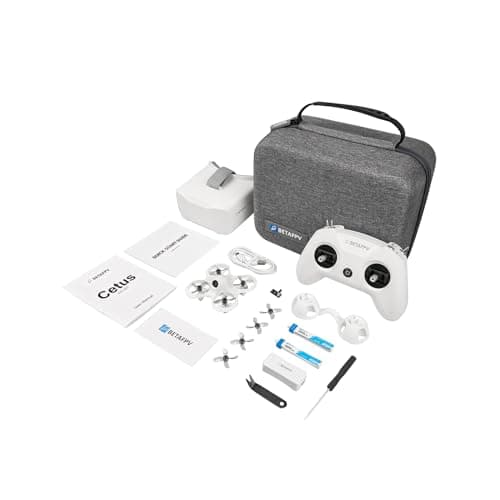
Betafpv Cetus FPV RTF Drone Kit
Score: 72/100Rankings
The Nanohawk 1S is an ultra-light 65 mm brushless micro quad with high-KV motors and a premium RunCam Nano 3 camera. Its trade-offs include a modest 300 mAh battery and low VTX power that limit flight time and range. Best for skilled indoor racers seeking maximum agility.
The BETAFPV Cetus is a beginner-focused tiny whoop with stabilized hover, multiple sensors and a full RTF package. Its drawbacks are a heavier brushed platform and limited flight time that hinder high-speed racing. Ideal for absolute beginners and indoor practice sessions.
| Attribute | | |
|---|---|---|
300 mAhbest | 300 mAhbest | |
| ↓ lower better | 19 gbest | 35 g |
— | 5 minutesbest | |
19,000 KVbest | 19,000 KVbest | |
25 mWbest | 25 mWbest | |
5.8 GHzbest | 5.8 GHzbest | |
— | 55 °best | |
1.22 inbest | 1.22 inbest |
Click an attribute name to sort · Green = best, red = worst (relative to this comparison)
| Attribute | | |
|---|---|---|
Build & Design(2) | ||
Dry Weight (g) | 19 g | 35 g |
Frame Size (Diagonal) (mm) | 65 mm | 91 mm |
Connectivity(1) | ||
Receiver Type | FrSky SPI | Frsky D8 |
Products in the top-left offer the best value (high score, low price).
Professional editors praise the Nanohawk as EMAX's lightest and most powerful 65 mm brushless micro, noting its high-KV motors, premium camera, and crash-resistant frame.
While formal user reviews are scarce, unboxing videos and community chatter highlight enthusiasm for the included charger, spare parts, and the drone's nimble indoor performance.
Professional reviewers praise the Cetus as a safe, easy-to-fly indoor tiny whoop that excels in hover stability thanks to its optical flow, barometer and laser positioning.
Everyday users love the plug-and-play nature, stable hover in Normal mode and crash-resistant design, reporting quick mastery after calibration.
“Users praise its plug-and-play ease for FPV newbies, stable hover in N mode for indoor house flying, quiet operation, and crash resistance; many report quick mastery after calibration.”
