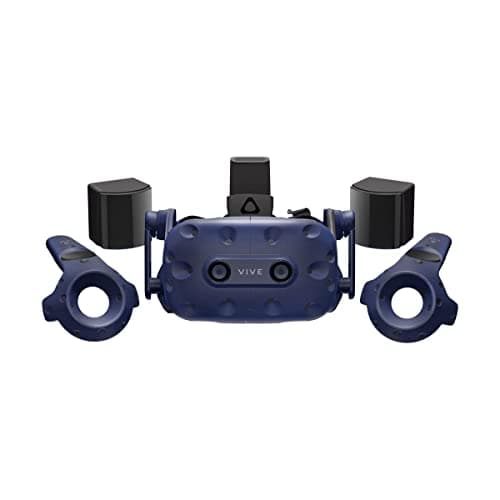
HTC Vive Pro
Score: 75/100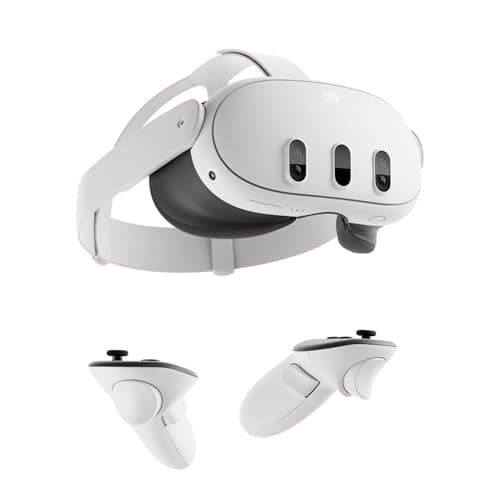
Meta Quest 3
Score: 79/100Rankings
The Meta Quest 3 512 GB is a high-end standalone headset featuring a 2064 × 2208 per-eye display, adjustable IPD, and powerful Snapdragon XR2 Gen 2 hardware. Its weight and limited battery endurance can be drawbacks for marathon sessions, and it lacks headset-level haptics. Ideal for VR enthusiasts and creators who prioritize visual fidelity and advanced mixed-reality capabilities.
The HTC VIVE Pro Full System is a professional-grade, PC-tethered headset offering high-resolution AMOLED displays and integrated spatial audio. Its heavy weight and need for a powerful PC make it less portable and more expensive. Best suited for developers, enterprises, and enthusiasts who demand top-tier visual fidelity and precise tracking.
| Attribute | | |
|---|---|---|
| ↓ lower better | 1,735.7 g | 400 gbest |
110 °best | 110 °best | |
90 Hzbest | — | |
6best | 6best | |
— | 2 hoursbest | |
— | 1 yearsbest |
Click an attribute name to sort · Green = best, red = worst (relative to this comparison)
| Attribute | | |
|---|---|---|
Display(2) | ||
Resolution per Eye (pixels) | 1440x1600 pixels | 2064x2208 pixels |
Refresh Rate (Hz) | 90 Hz | 72-120 Hz |
Build & Design(2) | ||
Weight (g) | 1735.7 g | 400 g |
Lens Type | AMOLED | Pancake |
Sensors & Tracking(1) | ||
Tracking System | SteamVR Lighthouse | Inside-out 6DOF |
Audio(1) | ||
Audio Type | headphones | Built-in surround sound speakers |
Connectivity(1) | ||
Connectivity Type | wired | WiFi 6E |
Products in the top-left offer the best value (high score, low price).
The VIVE Pro is a professional-grade VR headset featuring dual AMOLED displays with 1440×1600 per-eye resolution, integrated Hi-Res headphones, precise room-scale tracking, and mixed-reality capabilities, designed for both consumer and enterprise use.
Users praise the headset's premium visual clarity and immersive audio, but note the demanding hardware requirements and cumbersome wired setup.
Professional reviewers commend the Quest 3 for its 30 % resolution boost, doubled graphical performance, and the new pancake lens design that provides a wider, sharper field of view. They also highlight the adjustable IPD and integrated depth sensor as key enablers for high-quality mixed-reality experiences, and praise the Wi-Fi 6E/ Air Link connectivity for seamless PC-VR streaming. However, they note the relatively heavy 515 g chassis, limited battery life from a 3640 mAh cell, and the lack of headset-level haptic feedback as notable drawbacks.
Everyday users rave about the vivid 2064 × 2208 per-eye visuals and the comfort of the flexible fabric strap, appreciating the convenience of a fully standalone device with ample 512 GB storage. Common complaints revolve around the headset's weight causing fatigue after an hour or two, the controllers feeling slippery, and the battery draining quickly during high-refresh-rate or mixed-reality use. Storage still fills up fast despite the large capacity, and the absence of haptic feedback is frequently mentioned as a missing immersion feature.
