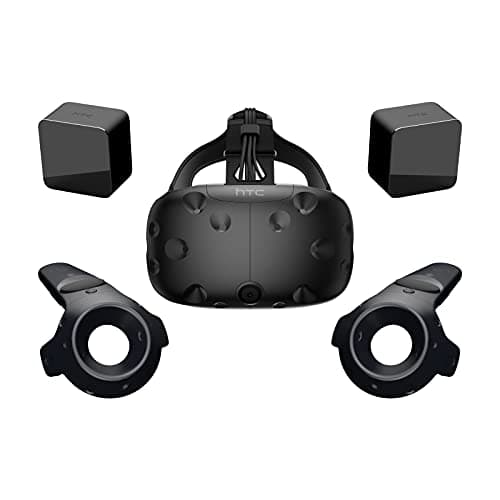
HTC Vive
Score: 72/100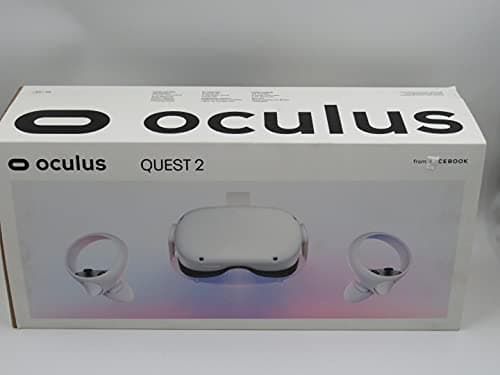
Oculus Quest 2 64 GB
Score: 80/100Rankings
The Oculus Quest 2 is a standalone, wireless VR headset delivering sharp 1832×1920 per-eye visuals, inside-out tracking and integrated 3D audio, making it a versatile all-in-one solution. Its limitations include a modest 72 Hz refresh rate, reliance on AA batteries for controllers, and a required Meta account. Ideal for beginners and casual gamers seeking a portable VR experience with optional PC tethering.
The HTC Vive (original 2016) is a PC-tethered, room-scale headset with precise Lighthouse tracking and a wide 110° field of view. Its front-heavy design and cable tether limit comfort and mobility. Best suited for enthusiasts who prioritize accurate tracking over portability.
| Attribute | | |
|---|---|---|
| ↓ lower better | 470 gbest | 503 g |
110 °best | — | |
90 Hzbest | 72 Hz | |
6best | 6best | |
0.08 yearsbest | — |
Click an attribute name to sort · Green = best, red = worst (relative to this comparison)
| Attribute | | |
|---|---|---|
Display(2) | ||
Resolution per Eye (pixels) | 1080x1200 pixels | 1832x1920 pixels |
Refresh Rate (Hz) | 90 Hz | 72 Hz |
Fit & Comfort(1) | ||
IPD Adjustment Range (mm) | 57-70 mm | 58-71 mm |
Build & Design(2) | ||
Weight (g) | 470 g | 503 g |
Lens Type | adjustable | Fast-switch LCD |
Sensors & Tracking(1) | ||
Tracking System | SteamVR Lighthouse 1.0 | inside-out 6DoF |
Audio(2) | ||
Spatial Audio Support | false | true |
Audio Type | none | Integrated speakers; 3.5mm headphone jack |
Connectivity(1) | ||
Connectivity Type | wired | Standalone wireless; USB‑C; Oculus Link |
Compatibility(1) | ||
Compatible Platforms | PC | Standalone; PC via Oculus Link |
Accessories(1) | ||
Included Accessories | Base stations, controllers, cable, adapters | Headset; Two Touch controllers; Two AA batteries; Glasses spacer |
General(1) | ||
Warranty (years) | 0.08 years | null years |
Products in the top-left offer the best value (high score, low price).
Reviewers praise the Vive's precise Lighthouse tracking, wide 110° field of view and the pioneering Chaperone system, noting the 15% weight reduction and slimmer cabling as comfort wins. However, they criticize the front-heavy ergonomics, the tethered cable that restricts movement, and the relatively low 1080×1200 resolution which shows a screen-door effect compared with newer headsets.
Users echo the experts, lauding the accurate room-scale tracking and the immersive experience in spacious play areas. Common complaints focus on the headset's front-heavy feel, cable drag, and the absence of built-in audio, with many mentioning neck strain after half an hour of play.
Professional reviewers praise the Quest 2 as an advanced all-in-one headset that delivers a 50 % pixel boost, Snapdragon XR2 performance, and the flexibility of both standalone and PC-tethered VR, while noting drawbacks such as the mandatory Meta account and the modest 72 Hz base refresh rate.
Everyday users love the wireless freedom, comfortable weight, and ease of setup, but repeatedly voice annoyance over AA controller batteries and the compulsory Facebook login, with some wishing for higher refresh rates.
“The tracking is spot on, but after an hour the front-heavy headset starts to hurt my neck.”
“I love the 110° FOV, but the cable really drags me around the room.”
Select Quest 2 for a budget-friendly, portable VR solution; choose HTC Vive for premium tracking accuracy and premium visual fidelity.
