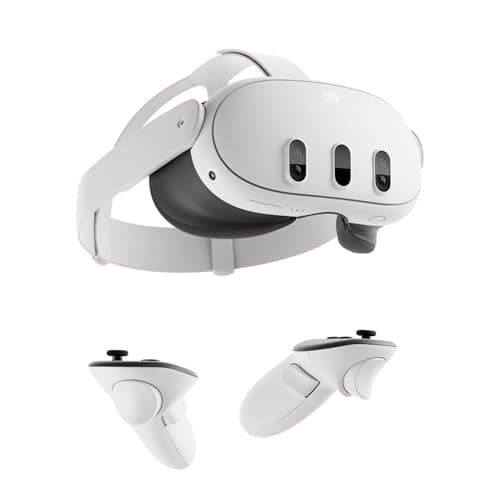
Meta Quest 3
Score: 79/100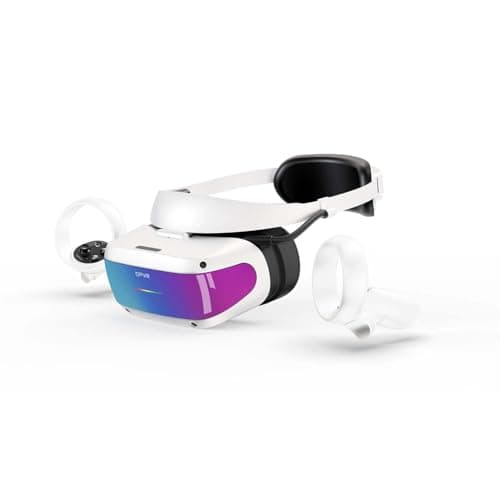
DPVR E4
Score: 78/100Rankings
The Meta Quest 3 512 GB is a high-end standalone headset featuring a 2064 × 2208 per-eye display, adjustable IPD, and powerful Snapdragon XR2 Gen 2 hardware. Its weight and limited battery endurance can be drawbacks for marathon sessions, and it lacks headset-level haptics. Ideal for VR enthusiasts and creators who prioritize visual fidelity and advanced mixed-reality capabilities.
The DPVR E4 offers high-resolution 4K per eye visuals at 120 Hz with a wide 116° field of view and inside-out tracking, targeting budget-conscious PC gamers. Its main drawbacks are the heavy full-setup weight and reliance on wired connections, making it less portable. Best for users who prioritize visual fidelity over mobility.
| Attribute | | |
|---|---|---|
| ↓ lower better | 400 gbest | 860 g |
110 ° | 116 °best | |
— | 120 Hzbest | |
6best | 6best | |
2 hoursbest | — | |
1 yearsbest | 0.25 years |
Click an attribute name to sort · Green = best, red = worst (relative to this comparison)
| Attribute | | |
|---|---|---|
Display(3) | ||
Field of View (°) | 110 ° | 116 ° |
Resolution per Eye (pixels) | 2064x2208 pixels | 3664x1920 pixels |
Refresh Rate (Hz) | 72-120 Hz | 120 Hz |
Fit & Comfort(1) | ||
IPD Adjustment Range (mm) | 58-71 mm | 50-80 mm |
Build & Design(2) | ||
Weight (g) | 400 g | 860 g |
Lens Type | Pancake | Fresnel |
Sensors & Tracking(1) | ||
Tracking System | Inside-out 6DOF | inside-out 6DoF |
Connectivity(1) | ||
Connectivity Type | WiFi 6E | DisplayPort 1.4 fiber‑optic |
Accessories(1) | ||
Included Accessories | 2 Controllers | Headset; Two controllers; 4 m fiber‑optic cable; Power adapter; Headstrap; Quick‑start guide |
General(1) | ||
Warranty (years) | 1 years | 0.25 years |
Products in the top-left offer the best value (high score, low price).
Professional reviewers commend the Quest 3 for its 30 % resolution boost, doubled graphical performance, and the new pancake lens design that provides a wider, sharper field of view. They also highlight the adjustable IPD and integrated depth sensor as key enablers for high-quality mixed-reality experiences, and praise the Wi-Fi 6E/ Air Link connectivity for seamless PC-VR streaming. However, they note the relatively heavy 515 g chassis, limited battery life from a 3640 mAh cell, and the lack of headset-level haptic feedback as notable drawbacks.
Everyday users rave about the vivid 2064 × 2208 per-eye visuals and the comfort of the flexible fabric strap, appreciating the convenience of a fully standalone device with ample 512 GB storage. Common complaints revolve around the headset's weight causing fatigue after an hour or two, the controllers feeling slippery, and the battery draining quickly during high-refresh-rate or mixed-reality use. Storage still fills up fast despite the large capacity, and the absence of haptic feedback is frequently mentioned as a missing immersion feature.
Professional reviewers commend the E4 for its high-refresh-rate 4K display, lightweight optics and comfortable flip-up strap, calling the tracking respectable for the price. However, they criticize the overall heft of the full setup, controller occlusion problems, and the lack of a wireless or standalone option, noting that the cable and paid software diminish the otherwise strong value proposition.
User feedback is sparse, but the limited comments echo the reviewers' concerns about cable weight and controller battery requirements, while also appreciating the headset's comfort and visual fidelity for extended sessions.
“The 120Hz DP cable gives "nitty gritty juicy" budget PCVR performance, sharp 4K visuals, and comfort via stretchy strap/removable padding; tracking is "respectable" and fit is "smooth."”
“Full setup feels heavy - about 1.9 lb/0.86 kg - making it forehead-heavy despite the light headset body.”
