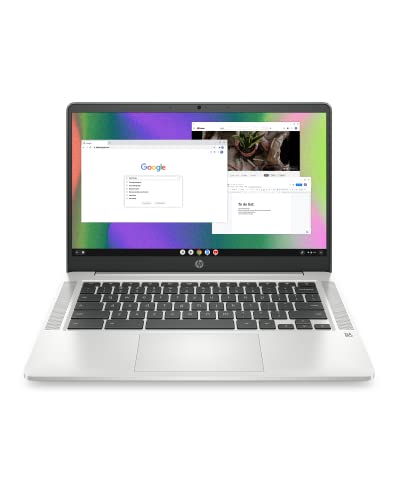
Finding a Chromebook that feels fast without blowing your budget can feel like a treasure hunt. We compared 13 models that all sit under the $200 ceiling, with prices ranging from $60.47 for the Acer Chromebook 11 C732 up to $185.00 for the HP Chromebook 11. That HP model leads the pack with a 4.4‑star rating from 2,478 reviewers, a claimed 15‑hour battery life and a listed price of $185.00, earning it the top‑scoring spot.
If you're stretching every dollar, you'll find four true budget picks – the Acer 11 C732, Dell 3100, Lenovo 300e and Samsung 4 – all priced under $100 and sporting 4‑plus star ratings. Mid‑range contenders like the Acer 2023 and HP 14 hover around $160, offering larger screens and longer battery claims. At the premium end the Lenovo IdeaPad 3i, ASUS CM14, Lenovo Flagship and HP 11 push the price close to $180 while adding stronger processors and up to 15‑hour battery promises. Below we break down each tier so you can spot the Chromebook that fits your budget and needs.

HP Chromebook 11
Its 15‑hour battery life from a 37 Wh pack keeps you productive all day.

Lenovo IdeaPad 3i Chromebook
Ideal for students needing solid stereo sound, it offers 2 W × 2 speakers and comes in at $171.99, about $13 less than the HP Chromebook 11.

ASUS Chromebook CM14
Stands out with a manufacturer‑listed 15‑hour battery life from a 42 Wh pack, delivering premium endurance the others don’t explicitly promise.
Also considered
Score Analysis
Key score advantages vs. runner-up (Lenovo IdeaPad 3i)
Price Range

HP Chromebook 11
$185.00

Lenovo IdeaPad 3i Chromebook
$184.88

ASUS Chromebook CM14
$175.00

Dell Chromebook 3100
$64.99
HP Chromebook 14 2021
$168.99
Acer Chromebook 2023
$149.99

Acer Chromebook 11 C732
$60.47

Lenovo Flagship Chromebook
$179.99

Samsung Chromebook 4
$89.00

Lenovo 300e Chromebook
$64.94

Lenovo IdeaPad 3 Chromebook
$160.00

HP Chromebook 14 2023
$165.76

Samsung Galaxy Chromebook Go
$187.99
Spec Comparison
TL;DR: The HP Chromebook 11 packs an 11.6‑inch anti‑glare IPS screen, 4 GB RAM and a 37 Wh battery into a feather‑light 2.36‑lb chassis for $185, making it a solid entry‑level choice for students and travelers.
The standout feature is its 11.6‑inch HD IPS display with an anti‑glare finish, 220 nits brightness and a wide 178‑degree viewing angle, all powered by a MediaTek MT8183 octa‑core processor and 4 GB of LPDDR4x RAM running at 3733 MHz. The device weighs just 2.36 pounds and carries a 37 Wh battery; the manufacturer lists up to 15 hours of runtime, while independent ratings put real‑world use at about 9.0 hours.
Compared with the other twelve contenders, the HP Chromebook 11 is the lightest – it undercuts the Samsung Galaxy Chromebook Go (3.2 pounds), the Lenovo Flagship Chromebook (2.86 pounds), the HP Chromebook 14 (3.24 pounds) and all the others. Its battery capacity of 37 Wh is lower than Samsung’s 42.3 Wh, ASUS’s 42 Wh, Lenovo IdeaPad 3i’s 47 Wh and the HP Chromebook 14’s 47 Wh, though its 220‑nit brightness matches Samsung and Lenovo IdeaPad 3i. The 11.6‑inch screen is also smaller than the 14‑inch displays found on several peers, which helps keep the chassis compact.
Professional reviewers note the device’s portability and the clear, anti‑glare screen, while everyday users love the dual‑speaker audio and the convenience of both USB‑C and USB‑A ports. Reviewers see the MediaTek processor as underpowered for heavy multitasking, and the 4 GB RAM plus 32 GB eMMC storage fill up quickly, especially when many browser tabs are open. Battery life also falls short of the 15‑hour claim, with most users reporting around 6‑8 hours of real‑world use.
Pros
Cons
Best for: Students in K‑8, first‑time laptop users, and travelers needing a lightweight secondary device.
Avoid if: You need advanced features or professional‑grade performance.
“budget Chromebook with limitations.”
“It’s fine for light use, but not for students or professionals with heavy workloads.”
TL;DR: The Lenovo IdeaPad 3i Chromebook delivers a 15.6‑inch Full HD screen, 8 GB RAM and up to 10 hours of battery life for $171.99, making it a solid budget choice for everyday browsing and study tasks.
The standout feature is the 15.6‑inch Full HD (1920 × 1080) anti‑glare TN display, a rarity at this price point. Coupled with 8 GB of LPDDR4x RAM running at 2933 MHz, the machine feels responsive for typical Chrome OS workflows, and the 47 Wh battery promises up to 10 hours of use on a single charge.
Compared with the other 12 entries, the IdeaPad 3i sits in the mid‑range for weight at 5.49 pounds—heavier than the HP Chromebook 14 2021 (3.24 lb) and the Samsung Galaxy Chromebook Go (3.2 lb), but similar to the ASUS Chromebook CM14 (4.4 lb). Its battery life of 10 hours trails the ASUS (15 hours) and HP 14 2021 (13.5 hours) models, though it matches the minimum claim of the Acer Chromebook 2023. Bluetooth 5.2 is newer than the Lenovo Flagship’s 5.1 but a step behind the ASUS’s 5.3. Brightness at 220 nits equals Samsung’s but is lower than the HP 14 2023’s 250 nits. The device also offers a USB‑C 3.2 Gen 1 port with Power Delivery; professional reviewers praise this feature for future‑proofing entry‑level hardware.
User feedback highlights the fast boot time—often under 10 seconds—and the spacious 15.6‑inch screen as perfect for students and families. Reviewers note the TN panel’s limited viewing angles and washed‑out colors, while the non‑backlit keyboard makes low‑light typing a challenge. The Intel Celeron N4500 handles basic web tasks well, but performance drops when more than five Chrome tabs are open, a common complaint among power users.
Under the hood sits an Intel Celeron N4500 (2 cores, 1.1 GHz base, 2.8 GHz turbo, 4 MB cache) paired with 64 GB eMMC storage and expandable microSD support up to 512 GB. Connectivity includes Wi‑Fi 6 (802.11ax) and Bluetooth 5.2, while ports comprise two USB‑A 3.2 Gen 1, one HDMI 1.4, a 3.5 mm combo jack, and a Kensington Nano security slot. The 720p webcam features a privacy shutter, and the stereo speakers deliver a total of 4 W.
Pros
Cons
Best for: Students and casual users who need a big, clear screen and solid battery life for web browsing, video calls and cloud‑based work.
Avoid if: You need advanced performance, a high‑color‑accuracy display, or a backlit keyboard for low‑light productivity.
“Perfect for my mom—simple, fast, and great for email and YouTube.”
“Love the screen size and clarity. Feels premium for the price.”
TL;DR: The ASUS Chromebook CM14 delivers military‑grade durability, a 15‑hour battery, and a lightweight 4.4‑lb chassis, making it a solid budget choice despite its low‑resolution display.
What really sets the CM14 apart is its MIL‑STD 810H‑certified chassis, which the manufacturer says inhibits bacterial growth by up to 99 % over 24 hours. Coupled with a 42 Wh battery that can last up to 15 hours, the notebook stays powered through a full school day. At 4.4 pounds (1996 g) it’s light enough to slip into a backpack without adding bulk.
Compared with the other budget Chromebooks in this roundup, the CM14 sits in the middle of the weight range – lighter than the Lenovo IdeaPad 3i (5.49 lb) but heavier than the HP Chromebook 14 2021 (3.24 lb) and the Lenovo Flagship model (2.86 lb). Its 15‑hour battery life outlasts the Lenovo IdeaPad 3i’s 10 hours, the HP 2021’s 13.5 hours, the Lenovo Flagship’s 13.5 hours, Samsung’s 12 hours and even the HP 2023’s claimed 14 hours. Bluetooth 5.3 tops the list, while peers list 5.2, 5.1 or 5.0. Brightness sits at 220 nits, matching the Lenovo IdeaPad 3i and Samsung but falling short of the HP 2023’s 250 nits.
Users consistently praise the rugged build and the long‑lasting battery, noting that the antimicrobial guard and spill‑resistant keyboard survive the rigors of classroom use. At the same time, reviewers and owners flag the 1366 × 768 HD panel on a 14‑inch screen as fuzzy, and the TN technology limits viewing angles and color vibrancy. The modest 220‑nit brightness makes outdoor work a challenge, and the lack of a backlit keyboard can be inconvenient in dim environments. With only 4 GB of LPDDR4X RAM, heavy multitasking feels sluggish.
Under the hood sits an ARM‑based MediaTek Kompanio 520 with eight cores clocked to 2.05 GHz and a 1 MB cache, paired with 64 GB of eMMC storage and a microSD slot for expansion. Connectivity includes two USB‑C ports, a single USB‑A port, a 3.5 mm combo jack, and Bluetooth 5.3. The 14‑inch anti‑glare TN display offers 112 PPI and a 77 % screen‑to‑body ratio, while the 720p webcam includes a physical privacy shutter.
Pros
Cons
Best for: Students, remote workers, and families who value durability and long battery life over high‑end visuals.
Avoid if: You need advanced features or professional‑grade performance.
TL;DR: The Dell Chromebook 3100 offers a rugged 11.6‑inch 2‑in‑1 design with 4 GB RAM, a 42 Wh battery and up to 14.0 hours of use, all for just $74.95.
The standout feature is its MIL‑STD‑810G certification, which promises drop resistance from 30 inches onto steel and a spill‑resistant 74‑key keyboard that can handle up to 12 oz of liquid. Combined with Corning Gorilla Glass NBT, the chassis withstands classroom abuse. Powerwise, the 42 Wh lithium‑ion pack and 65 W charger give you up to 14.0 hours of runtime on a single charge, while the 3.1‑pound weight keeps it portable enough for a backpack.
At the same $74.95 price point as the Lenovo 300e, the Dell is a touch heavier at 3.1 pounds versus Lenovo’s 3.0 pounds, but it compensates with a stronger 65 W charging adapter compared to Lenovo’s 45 W. Both share a 42 Wh battery, yet Dell’s brightness of 220 cd/m² is a shade dimmer than Lenovo’s 250‑nit panel. Compared with the lighter Acer 11 C732 (2.98 pounds) and the bulkier Samsung Chromebook 4 (3.7 pounds), Dell lands in the middle of the weight range while offering the strongest drop‑test rating.
Users and professional reviewers alike praise the Chromebook’s toughness and the long battery life that easily covers a school day. The 360° hinge and touchscreen make it flexible for note‑taking, and the built‑in TPM 2.0 adds a layer of security. However, many note that the Intel Celeron N4020 (1.1 GHz base, 2.8 GHz boost) can feel sluggish when many Chrome tabs are open, and the 1366×768 display is often described as low‑resolution and dim, especially on the base TN panel. Storage is limited to 32 GB of eMMC flash, which some users find restrictive for offline files.
Under the hood, the device ships with 4 GB of LPDDR4‑2400 MHz RAM and an integrated Intel UHD Graphics 600 GPU, sufficient for web browsing, document editing, and video streaming. Connectivity includes Wi‑Fi 5 dual‑band, Bluetooth 5.0, two USB‑A 5 Gbps ports and two USB‑C ports that support DisplayPort and Power Delivery. The 11.6‑inch IPS‑type screen (or TN on base models) offers 160° viewing angles, and the 1 MP front camera handles basic video calls.
Pros
Cons
Best for: Entry‑level buyers or those on a tight budget, especially K‑12 students and teachers who need a sturdy classroom device.
Avoid if: You need advanced features or professional‑grade performance, such as high‑resolution media editing or heavy multitasking.
TL;DR: The HP Chromebook 14 (2021) offers a 14‑inch, 82%‑ratio display, 13.5‑hour battery and 45‑minute fast charge in a lightweight 3.24‑lb body for $170, earning a 4.5‑star rating from nearly 4,000 users.
One of the standout specs is the 13.5‑hour battery life, backed by a 47 Wh cell, and the ability to reach 50 % charge in just 45 minutes, meaning you can grab it, charge it quickly, and stay productive all day.
At 3.24 pounds, the Chromebook feels light enough to slip into a backpack. It’s lighter than the Lenovo IdeaPad 3i (5.49 pounds) and the Acer Chromebook (3.59 pounds), though a bit heavier than the Lenovo Flagship (2.86 pounds) and Samsung Galaxy Go (3.2 pounds). Its 14‑inch panel with an 82 % screen‑to‑body ratio gives a roomy view without adding bulk.
Users consistently praise the fast start‑up of Chrome OS and the long‑lasting battery, noting that it handles web browsing, video streaming and schoolwork without needing a plug. Reviewers also point out that the 4 GB of RAM and 32 GB of eMMC storage can feel cramped when many tabs or apps are open, and the plastic chassis may not feel as premium as higher‑priced rivals.
Under the hood sits an Intel Celeron N4000 dual‑core processor that runs at 1.1 GHz and can boost to 2.6 GHz, paired with LPDDR4 memory. Chrome OS promises automatic updates for eight years, and the device ships with a one‑year limited hardware warranty for peace of mind.
Pros
Cons
Best for: Students needing a portable device for Google Classroom and web research; casual home users who value long battery life and a solid Chrome OS experience.
Avoid if: You need advanced features, heavy multitasking, video editing, gaming beyond light Android titles, or Windows‑only software.
“budget Chromebook with limitations.”
“It’s fine for light use, but not for students or professionals with heavy workloads.”
TL;DR: The Acer Chromebook 315 (2023) packs a 15.6‑inch Full HD touchscreen, 8 GB RAM and dual USB‑C ports into a $162.99 package, but its dim display and modest 7.2‑hour battery may limit all‑day unplugged use.
This model’s standout spec is the 15.6‑inch IPS touchscreen with a 1920 × 1080 resolution and a multi‑touch layer, all housed in a plastic chassis with a faux‑metal finish. Under the hood you get an Intel Pentium Silver N6000 quad‑core processor, 8 GB of RAM (upgradable from the base 4 GB) and 64 GB of eMMC storage, which reviewers note handles Chrome tab multitasking adequately.
Compared with the other 12 Chromebooks in the sub‑$200 roundup, the Acer sits at a similar price point to the HP Chromebook 14 2023 and Lenovo IdeaPad 3 Chromebook, yet it’s a touch‑screen while those two are non‑touch. At 3.59 pounds it’s slightly heavier than the HP Chromebook 14 2023 (3.35 lb) and the Lenovo IdeaPad 3 (3.48 lb), but its larger 15.6‑inch screen gives it it’s a more spacious workspace than the 14‑inch HP model.
User sentiment highlights the large touchscreen and numeric keypad as real wins for students and casual users. Professional reviewers praise the dual USB‑C ports, Wi‑Fi 6 connectivity and the 8 GB RAM for smoother tab switching. The same sources flag the low screen brightness, a noisy 720p webcam and a battery life listed at about 7.2 hours as notable drawbacks, especially for anyone needing long unplugged sessions.
Pros
Cons
Best for: Value-conscious buyers seeking quality at $162.99
Avoid if: You have limited desk space or need portability
“Great for students, but don’t expect brilliance from the camera or screen brightness.”
TL;DR: At $60.47, the Acer Chromebook 11 C732 offers an 11.6‑inch HD display, 4 GB RAM, and up to 17.3 hours of light‑browsing battery life in a lightweight 2.98‑lb, fanless package.
The standout spec is its battery endurance: a 45 Wh lithium‑polymer pack delivers up to 17.3 hours of consumer‑light browsing, while the 45 W AC adapter charges quickly. Weighing just 2.98 lb and built without a fan, it stays silent on the go. Its 11.6‑inch ComfyView LCD (1366 × 768) shines at 250 cd/m², and the Intel Celeron N3350 (1.1 GHz base, 2.4 GHz boost) runs on 4 GB LPDDR4 RAM with 32 GB eMMC storage, expandable to 128 GB via microSD.
Compared with the other twelve Chromebooks in the roundup, the Acer is lighter than the Dell Chromebook 3100 (3.1 lb) and the Lenovo 300e (3.0 lb), and it’s also more affordable than every peer. It ships with Bluetooth 4.2, a step behind Dell’s Bluetooth 5.0 but still compatible with most peripherals. The device provides two USB‑A 3.0 ports and two USB‑C 3.1 Gen 1 ports that support DisplayPort output, a richer I/O set than many budget rivals that only offer a single USB‑C or fewer USB‑A connections.
Users and professional reviewers consistently praise the all‑day battery and the sturdy, fanless chassis, noting that the keyboard’s QWERTY layout feels comfortable for extended typing sessions. However, the 1366 × 768 panel suffers from narrow viewing angles, and the Intel HD Graphics 500 (200 MHz‑650 MHz) is modest, making video rendering or gaming sluggish. The Auto Update Expiration ended in June 2024, so the device won't receive Chrome OS upgrades, a point that some buyers flag as a downside.
Pros
Cons
Best for: Entry‑level buyers or those on a tight budget
Avoid if: You need the latest OS support, a high‑resolution screen, or stronger graphics performance
“budget Chromebook with limitations.”
“It’s fine for light use, but not for students or professionals with heavy workloads.”
TL;DR: The Lenovo Flagship Chromebook delivers a 10‑point touchscreen, 13.5‑hour battery, and a lightweight 2.86‑lb build for $178.96, making it a solid budget choice for students and light users.
What really stands out is the 10‑point multi‑touch capacitive touchscreen paired with a backlit full‑size keyboard, all powered by an octa‑core MediaTek Kompanio 520 processor clocked at 2.0 GHz. The machine ships with 4 GB LPDDR4X RAM, 64 GB eMMC storage, and a battery that lasts up to 13.5 hours on a single charge. Its chassis measures 19 mm in height, 326 mm in length, 222 mm in width, and weighs just 2.86 pounds, making it easy to carry around all day.
Compared with the other Chromebooks in this roundup, the Lenovo is lighter than the Samsung Galaxy Chromebook Go (3.2 pounds) and the ASUS Chromebook CM14 (4.4 pounds), but a bit heavier than the HP Chromebook 11 (2.36 pounds). Its 13.5‑hour battery life tops Samsung’s 12‑hour claim, matches the HP Chromebook 14 2021’s 13.5 hours, and sits just below the 15‑hour figures that the HP Chromebook 11 and ASUS CM14 list. Like many peers, it offers both a USB‑A 3.2 Gen 1 port and a USB‑C 3.2 Gen 1 port that supports charging and DisplayPort, and it includes a 3.5 mm combo jack for headphones or a microphone.
Users consistently praise the device’s portability, long‑lasting battery, and responsive touchscreen, noting that it feels “MacBook Air of Chromebooks” in daily use. Professional reviewers also highlight its fanless, quiet operation and solid build quality. The main criticisms focus on the 4 GB RAM, which can slow down heavy tab‑bing, and the 64 GB eMMC storage that fills quickly, especially for media‑heavy users.
From a technical standpoint, the MediaTek Kompanio 520’s eight cores (four Cortex‑A73 and four Cortex‑A53) provide enough horsepower for typical Chrome OS tasks, from web browsing to video calls. The 720p webcam comes with a privacy shutter, adding a layer of security for remote learning or work. Wi‑Fi 6 (802.11ax) ensures fast, reliable wireless connectivity in modern networks.
Pros
Cons
Best for: Buyers willing to invest in a proven, high‑quality option
Avoid if: You need advanced features or professional‑grade performance
“Perfect for homeschooling”
“Fast boot-up, no waiting”
TL;DR: The Samsung Chromebook 4 offers an 11.6‑inch display, 4 GB RAM, and up to 12.5 hours of battery life for just $89.99, making it a solid budget choice for students and casual users.
What really stands out is the claimed battery endurance of up to 12.5 hours, letting you get through a full school day or a long commute without hunting for an outlet. It packs an Intel Celeron N4000 processor, 4 GB LPDDR4 RAM and 32 GB eMMC storage, all wrapped in a compact 11.6‑inch chassis that measures 508 mm deep, 304.8 mm wide and 76.2 mm thick. At 3.7 pounds, it’s a little heavier than the Dell Chromebook 3100 (3.1 pounds) and the Lenovo 300e Chromebook (3.0 pounds), but still light enough to slip into a backpack.
At $89.99, it’s well below the $150‑$200 price band many other budget Chromebooks occupy, giving you a cheaper entry point without sacrificing essential connectivity. It offers a USB‑C port that handles both data and charging, a USB‑A 3.0 slot, HDMI output, a headphone/mic combo jack, and a microSD slot that supports cards up to 512 GB—useful for expanding the modest 32 GB internal space.
Reviewers consistently praise the device’s portability and all‑day battery, noting that the spill‑resistant keyboard and MIL‑STD‑810G durability testing make it a rugged companion for classroom or travel. The downside that keeps popping up is the limited 4 GB RAM, which can feel cramped when many browser tabs are open, and the TN LCD panel that delivers muted colors and narrow viewing angles. Professional reviewers also point out that the lack of a touchscreen reduces flexibility for drawing or note‑taking.
Beyond the basics, the Chromebook 4 includes a TPM 2.0 chip for hardware security and a Kensington lock slot for added peace of mind in shared environments. Boot times hover around ~10 seconds and wake from sleep in ~1 second, so you’re rarely waiting long to start work or stream a video. The 720p HD webcam and dual 1.5 W speakers cover video calls and casual media consumption, even if the display isn’t the most vibrant.
Pros
Cons
Best for: Entry-level buyers or those on a tight budget
Avoid if: You need advanced features or professional‑grade performance
TL;DR: The Lenovo 300e Chromebook packs an 11.6‑inch IPS display, 10‑hour battery, and rugged 29.5‑inch drop resistance for $74.95, making it a solid budget pick for classrooms.
The standout feature is its durability – the chassis can survive drops of up to 29.5 inches and includes rubberized bumpers, reinforced ports, and a spill‑resistant keyboard, which is unusual at this price point.
Compared with the other 12 devices in this roundup, the 300e is among the lightest, only a shade lighter than the Dell Chromebook 3100’s 3.1‑pound build. Its screen brightness of 250 nits tops Dell’s 220 cd/m², and the 42 Wh battery gives up to 10 hours of use, a bit less than the Acer 11 C732’s manufacturer‑claimed 12‑hour claim but still enough for a full school day. Unlike the heavier Samsung Chromebook 4 (3.7 pounds) and the larger HP Chromebook 14, the 300e stays compact at 11.6 inches, making it easy to handle in tight classroom spaces.
Professional reviewers note that the MediaTek MT8173C quad‑core processor, clocked up to 2.1 GHz, is enough for basic web browsing and Google Workspace but can lag when many Chrome tabs are open. Users echo this, praising the long battery life and ruggedness while frequently mentioning that the 32 GB eMMC storage fills quickly and that the ARM64 architecture sometimes limits Linux app compatibility. The 4 GB LPDDR3 RAM and 10‑point multitouch IPS panel round out a device that feels responsive for everyday tasks but doesn't handle heavy multitasking.
Pros
Cons
Best for: K‑12 students or shared classroom devices that need a rugged, long‑lasting Chromebook on a tight budget.
Avoid if: You need advanced performance, extensive local storage, or full Linux app compatibility for professional‑grade work.
“My kids drop it daily—still works perfectly after a year.”
“Battery lasts all day, even with YouTube and Google Docs.”
TL;DR: The Lenovo IdeaPad 3 Chromebook offers a 15.6‑inch Full HD anti‑glare screen, 10.0 hours of battery life and Wi‑Fi 6 for $160, making it a solid entry‑level choice for students and casual users.
The standout feature is its 15.6‑inch Full HD (1920 × 1080) LED‑backlit TN anti‑glare display, which provides a clear workspace for note‑taking and streaming. Powered by an Intel Celeron N4500, the device runs at a base clock of 1.1 GHz and can burst up to 2.8 GHz, while the built‑in Titan C2 security chip adds a hardware layer of protection. Its 47 Wh battery delivers a claimed 600 minutes of use, which translates to about 10.0 hours of on‑the‑go productivity.
Compared with the other 12 Chromebooks in this roundup, the IdeaPad 3 is a touch heavier than the HP Chromebook 14 2021 (3.24 lb) and HP Chromebook 14 2023 (3.35 lb), but it’s lighter than the Acer Chromebook 2023 (3.59 lb). Battery life sits below the HP 14‑inch models, which claim up to 13.5 hours, yet it matches the minimum claim of the Acer model. Its Bluetooth 5.2 is newer than the HP Chromebook 14 2023’s Bluetooth 5.0, giving it a slight edge in peripheral connectivity.
User feedback highlights the large screen and quick Chrome OS setup as major pluses, especially for classroom and remote‑learning scenarios. Reviewers appreciate the Wi‑Fi 6 support for faster wireless performance, while reviewers note the lack of a backlit keyboard and the plastic chassis feel as downsides. The 4 GB of LPDDR4x‑2933 RAM and 64 GB eMMC storage can limit performance when multitasking or handling larger files, a point echoed by both everyday users and professional reviewers.
Pros
Cons
Best for: Entry-level buyers or those on a tight budget
Avoid if: You want the best value‑per‑dollar in its price range
“Perfect for my mom—simple, fast, and great for email and YouTube.”
“Love the screen size and clarity. Feels premium for the price.”
TL;DR: The HP Chromebook 14 (2023) delivers a lightweight 3.35‑lb design, 14‑hour claimed battery life, and a 14‑inch anti‑glare HD screen for under $200, making it a solid entry‑level choice.
The standout spec is its 47 Wh battery that HP claims can last up to 14 hours on a single charge. At just 0.72 in thick and weighing only 3.35 lbs, it's easy to carry around a backpack or a commuter bag. The 14‑inch micro‑edge, anti‑glare display offers 250 nits of brightness, which helps reduce eye strain during long study sessions.
Compared with other budget Chromebooks in this roundup, the HP model is slightly lighter than the Lenovo IdeaPad 3 Chromebook (3.48 lb) and noticeably lighter than the Acer Chromebook 2023 (3.59 lb). Its claimed 14‑hour battery life also exceeds the Lenovo’s 10‑hour figure (600 minutes) and the Acer’s maximum of 12 hours (720 minutes). Brightness is a bit higher than the Lenovo’s 220 nits, though its Bluetooth 5.0 trails the Lenovo’s newer 5.2 version. HP delivers a well‑balanced mix of portability and endurance that many peers lack.
Users consistently praise the Chromebook’s feather‑light chassis and the all‑day battery that lets students attend classes without hunting for an outlet. Reviewers note the anti‑glare screen as a plus for bright rooms, and they appreciate the inclusion of both HDMI and full‑size USB‑A ports—features that are rare at this price point. On the flip side, owners report sluggish performance when more than ten browser tabs are open, and the 64 GB eMMC storage fills quickly, especially with Android apps. The lack of a backlit keyboard and a modest 250‑nit brightness also make evening work or outdoor use less comfortable.
Under the hood sits an Intel Celeron N4120 processor with a 1.1 GHz base clock and a 2.6 GHz burst clock, delivering four cores and four threads. Paired with 4 GB LPDDR4 RAM, the system handles typical Chrome OS tasks but struggles with heavier multitasking. You can expand storage via a microSD slot up to 512 GB, and connectivity includes Wi‑Fi 5 (802.11ac) and Bluetooth 5.0. Dual stereo speakers tuned by Bang & Olufsen handle the audio, while the HP True Vision 720p webcam and dual‑array microphones round out the media setup.
Pros
Cons
Best for: Entry-level buyers or those on a tight budget
Avoid if: You need advanced features or professional‑grade performance
“budget Chromebook with limitations.”
“It’s fine for light use, but not for students or professionals with heavy workloads.”
TL;DR: The Samsung Galaxy Chromebook Go offers a 14‑inch HD screen, 12‑hour battery life, and MIL‑STD‑810G durability for $179, making it a solid, rugged choice for students and travelers.
The standout spec is the 14.0‑inch LCD panel paired with a 42.3 Wh battery that Samsung says will last about 12 hours on a charge. The chassis meets MIL‑STD‑810G standards, so it can survive the bumps of a backpack, and the optional LTE module adds true‑on‑the‑go connectivity alongside Wi‑Fi 6.
At 3.2 pounds, it's heavier than the Lenovo Flagship Chromebook (2.86 lb) and the HP Chromebook 11 (2.36 lb), but lighter than the ASUS Chromebook CM14 (4.4 lb) and far lighter than the Lenovo IdeaPad 3i Chromebook (5.49 lb). Its 12‑hour battery life sits between the Lenovo Flagship’s 13.5 hours and the HP Chromebook 11’s claimed 15 hours, matching the Acer Chromebook’s 12‑hour claim while falling short of the ASUS’s 15‑hour rating.
Reviewers consistently praise the all‑day battery and the sturdy, non‑backlit full‑size keyboard, noting that typing feels comfortable for long study sessions. However, users also flag the 1366 × 768 resolution and 220 nits brightness as “dull” for media consumption, and the Intel Celeron N4500 (1.10 GHz base, 2.80 GHz turbo, 2 cores, 4 MB L3) struggles with many Chrome tabs or Android apps. The lack of an HDMI port and occasional trackpad click inconsistency are additional pain points.
Under the hood, the device ships with 4 GB of LPDDR4x RAM and 64 GB of eMMC storage, expandable via microSD up to 1 TB. The integrated Intel UHD Graphics (8th Gen) shares system memory, which aligns with the modest performance expectations of a budget Chromebook.
Pros
Cons
Best for: Students and travelers who need a rugged, long‑lasting Chromebook with solid connectivity.
Avoid if: You need a bright, high‑resolution screen, heavy multitasking performance, or HDMI output for external displays.
“Battery lasts all day — perfect for school.”
“Keyboard is comfortable for long typing sessions.”
Breakdown

HP Chromebook 11
Pros

Lenovo IdeaPad 3i Chromebook
Pros

ASUS Chromebook CM14
Pros

Dell Chromebook 3100
Pros
Based on scoring data and product specs
Personalized picks

Best Overall Pick
HP Chromebook 11
Best OverallBest for: Buyers willing to invest in a proven, high-quality option

Lenovo IdeaPad 3i Chromebook
Best for: Buyers willing to invest in a proven, high-quality option
$184.88-$0.12 vs winner
Skip Samsung Galaxy Chromebook Go if…
You need advanced features or professional-grade performance
The HP Chromebook 11 wins our Best Overall award. It’s priced at $185.00, carries a solid 4.4‑star rating from 2,478 reviewers, and offers a claimed 15‑hour battery life that should get you through a full day of classes or work. Its 11.6‑inch IPS touchscreen and 4 GB of LPDDR4 RAM give a smooth, responsive experience for everyday tasks.
The Lenovo IdeaPad 3i Chromebook lands as the runner‑up, especially if you need a larger display for media and multitasking. Its 15.6‑inch Full HD screen (1920 × 1080) paired with 8 GB of RAM makes spreadsheet work and video streaming feel comfortable, while a 10‑hour battery and a price of $171.99 keep it practical for on‑the‑go use.
For tighter budgets, the Acer Chromebook 11 C732 at $60.47 offers the most affordable entry point for basic web browsing and schoolwork. If you want a step up without breaking the $200 ceiling, the HP Chromebook 14 2021 at $170.00 provides a bigger 14‑inch display and more storage, striking a sweet mid‑range balance.
Pick the HP Chromebook 11 today and enjoy a well‑rounded, budget‑friendly Chrome OS experience.
The HP Chromebook 11 and the ASUS Chromebook CM14 both list a claimed 15‑hour battery life, while the Dell Chromebook 3100 is rated for 13–14 hours and the Lenovo IdeaPad 3i for 10 hours. In real‑world testing the HP Chromebook 11 reaches about 9 hours, so the ASUS model may edge it out if you need the maximum advertised endurance.
Please sign in to leave a review
No reviews yet. Be the first to review!