
Finding an external SSD that stays under $100 yet still delivers solid performance can feel like hunting for a needle in a haystack. We compared 14 models, from the $32.48 Verbatim Portable SSD 256GB up to the $99.99 Buffalo External SSD USB‑A 1TB, and organized them into the three price tiers the data defines: budget (Verbatim Vx500 240 GB, Verbatim 256 GB, Move Speed WD 05, SSK 256 GB), mid‑range (ADATA SE880 500 GB, Buffalo SSD‑PUT500U3B) and premium (Netac ZX20 512 GB, Buffalo USB‑C 1TB, Crucial X8 1TB, Buffalo USB‑A 1TB). This structure lets you spot a fit whether you’re after pure savings, a balance of speed and price, or a top‑end option that still respects the $100 ceiling.
For ultra‑light travel, the Verbatim Vx500 240 GB stands out with a feather‑light 27 g chassis and a listed price of $37.99, delivering up to 500 MB/s read speeds. Creators who need the fastest transfers will gravitate to the mid‑range ADATA SE880 500 GB, priced at $62.93 and offering a quoted sequential read of 2000 MB/s. If you want premium performance without breaking the $100 limit, the Netac ZX20 512 GB offers a listed $76.99 price tag, 2000 MB/s read and 1700 MB/s write speeds, and a modest 82 g weight. Below we break down each model’s specs, strengths, and ideal scenarios so you can pick the SSD that matches your workflow.

ADATA SE880 500GB
Its compact 12.25 mm height lets it fit into tight spaces, delivering features and value home users love.

Buffalo SSD-PUT500U3B
Ideal for everyday commuters who need a reliable drive, it costs $7.06 more than the ADATA SE880, still under $70 for solid mainstream performance.

Crucial X8 1TB
Stands out with 1500 G shock resistance and an included 9‑inch USB‑C cable, offering rugged durability for on‑the‑go creators.
Also considered
Score Analysis
Key score advantages vs. runner-up (Buffalo SSD-PUT500U3B)
Price Range
ADATA SE880 500GB
$62.93
Buffalo SSD-PUT500U3B
$69.99
Crucial X8 1TB
$99.99
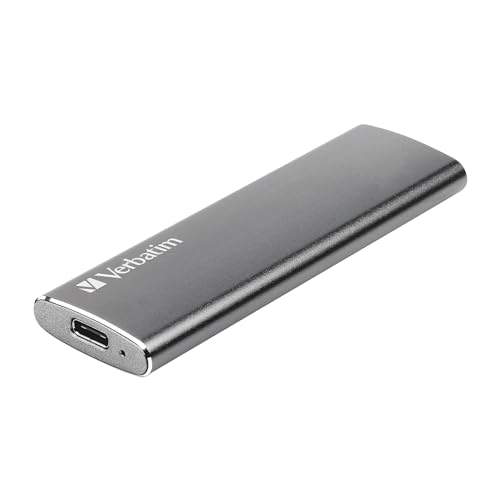
Verbatim Vx500 240GB
$37.99
Buffalo External SSD USB-A 1TB
$119.99

Verbatim Portable SSD 256GB
$38.83
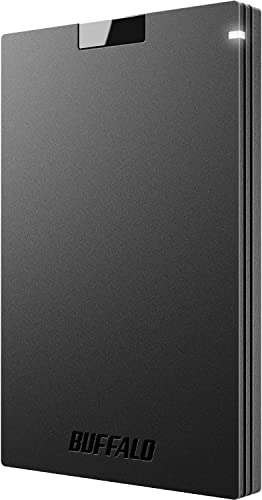
Buffalo External SSD USB-C 1TB
$104.99
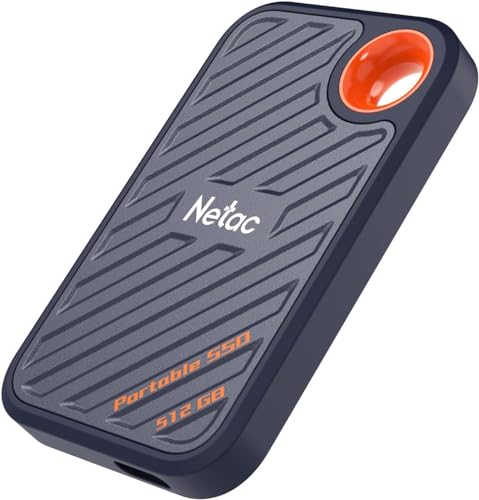
Netac ZX20 512GB
$76.99

Move Speed WD 05
$42.99

SSK Portable SSD 256GB
$42.99

Netac ZX20 256GB
$25.26

SSK 256GB SSD
$43.99

Transcend ESD270C 250GB
$59.00

Verbatim Vx450 128GB
$79.99
Spec Comparison
TL;DR: The ADATA SE880 500 GB delivers up to 2,000 MB/s read/write in a titanium‑colored, 31 g, 12.25 mm‑thin package for $62.93, backed by a five‑year warranty.
At the top of the lineup, the SE880 advertises a quoted sequential read and write speed of 2,000 MB/s, thanks to its USB 3.2 Gen 2x2 (20 Gbps) interface. The drive packs 500 GB of TLC NAND into a magnesium‑alloy case that measures just 12.25 mm tall, 64.8 mm long and 35 mm wide, weighing only 31 g.
Compared with the other 13 SSDs in this under‑$100 roundup, the SE880’s 2,000 MB/s throughput dwarfs the 520 MB/s of the Transcend ESD270C and the 600 MB/s of the Buffalo SSD‑PUT500U3B. Only the Netac ZX20 matches the SE880’s read speed, but its write speed tops out at 1,700 MB/s, still shy of the SE880’s quoted 2,000 MB/s. In size, the SE880’s 64.8 mm length is shorter than Transcend, Buffalo, Netac, Verbatim and the Move Speed WD model, while its 31 g weight makes it lighter than Transcend (35 g) and the bulkier Netac (82 g) but heavier than Buffalo (17 g).
Reviewers consistently praise the drive’s lightning‑quick file transfers and pocket‑sized form factor, noting smooth plug‑and‑play operation with Windows, macOS, consoles and even the latest iPhone 15. Professional testers note the notable burst of speed, while everyday users highlight the blue status LED as a handy visual cue. The SE880 carries a five‑year limited warranty and a 300 TBW endurance rating, but it doesn't have hardware AES encryption and its plastic endcaps have drawn comments about reduced durability; full 2,000 MB/s performance also requires a USB 3.2 Gen 2x2 host.
Pros
Cons
Best for: Mobile professionals and light content creators who need fast, portable storage without breaking the bank.
Avoid if: You need hardware encryption, rugged durability for field work, or sustained 4K/8K video editing performance.
TL;DR: The Buffalo SSD‑PUT500U3B packs 500 GB of NVMe storage into a 10.2 mm‑thin pen‑drive, delivering up to 600 MB/s read and 500 MB/s write for $69.99.
This drive’s standout feature is its ultra‑compact form factor: at just 10.2 mm tall, 22.9 mm wide, 68.6 mm long and weighing only 0.0375006307662 pounds (17 g), it fits comfortably in a pocket or on a key‑ring. It uses a Phison PS2251‑17 controller and offers USB 3.2 Gen 2 (10 Gbps) connectivity, delivering the advertised sequential read speed of 600 MB/s and write speed of 500 MB/s.
Compared with the other 13 entries, the Buffalo sits on the cheaper side of the lineup and is significantly lighter than the Netac ZX20 (82 g) and ADATA SE880 (31 g). Its 600 MB/s read rate trails the Netac and ADATA models, which list 2000 MB/s, but it outpaces the Transcend ESD270C, Move Speed WD, and Verbatim Vx450, all of which cap around 520 MB/s or lower. Capacity-wise, its 500 GB (465 GB formatted) sits between the 250 GB Transcend and the 1 TB Buffalo sibling, giving you a solid middle ground.
User feedback highlights the drive’s pocket‑size convenience, the steady white LED indicator, and seamless plug‑and‑play support for PlayStation 4/5 and Xbox consoles. Professional reviewers praise the dual USB‑A/C flexibility and note the MIL‑STD‑810G certification, which promises drop resistance from 4 ft. Common complaints mention the retractable USB‑A connector feeling a bit flimsy and the need to register online to unlock the third‑year warranty.
Pros
Cons
Best for: Gamers expanding console storage and creators moving large 4K video or RAW photo files who value pocket‑size portability.
Avoid if: You need premium metal construction, higher application‑loading speeds, or prefer a fixed USB‑C port without an adapter.
“Fits in my pocket like a flash drive but performs like an SSD.”
“Transfers large video files in seconds—way faster than my old HDD.”
TL;DR: The Crucial X8 1TB offers up to 1050 MB/s read speeds, a sturdy aluminum body, and 1 TB of storage for $99.99, earning a 4.7‑star rating from 9,712 reviewers.
At the heart of the X8 is a PCIe 3.0 x2 NVMe core paired with a Silicon Motion SM2263EN controller, delivering advertised sequential reads of up to 1050 MB/s and writes up to 1000 MB/s. The drive packs 1 TB (1000 GB) of Micron 64‑layer QLC NAND into an anodized aluminum unibody that measures 53 mm × 110 mm × 11.5 mm and weighs 0.21384839414 lb (approximately 97–100 g). Its USB 3.2 Gen 2 Type‑C (10 Gbps) interface, plus a USB‑C to USB‑A adapter and a 9‑inch (22.9 cm) USB‑C to USB‑C cable, make it bus‑powered and ready for laptops, consoles and tablets.
Compared with other budget SSDs in this roundup, the X8 sits between the ultra‑light Buffalo SSD‑PUT500U3B (about 0.0375 lb) and the heavier aluminum‑cased models. Its 1050 MB/s read speed outpaces the 600 MB/s drives from both Buffalo USB‑A and USB‑C offerings, while the 1500 G shock resistance and drop ratings of 7.5 ft on carpet and 3 ft on concrete give it a sturdier feel than those same models. It isn’t as fast as the 2000 MB/s reads claimed by Netac ZX20 or ADATA SE880, but it balances speed, capacity and price better than many of the sub‑$100 options.
Reviewers consistently praise the X8’s high‑speed transfers up to 1050 MB/s and premium metal feel, noting that the large pseudo‑SLC write cache helps maintain quick bursts even with QLC NAND. Professional reviewers highlight the low heat output and the value‑for‑gigabyte ratio. The most common complaints revolve around a noticeable dip to 200‑400 MB/s on sustained writes once the cache is exhausted, the absence of hardware encryption, and the lack of an activity LED, with some users also reporting that the USB‑C to USB‑A adapter can be easy to lose.
Pros
Cons
Best for: Buyers willing to invest in a proven, high‑quality option
Avoid if: You need advanced features or professional‑grade performance
TL;DR: The Verbatim Vx500 240 GB SSD offers 500 MB/s read speeds, a rugged metal case, and dual USB‑C cables for just $37.99, making it a solid budget pick for portable storage.
At a list price of $37.99, the Verbatim Vx500 packs a 240 GB SSD behind an 8.9 mm‑thin, 0.06‑pound chassis. Its USB 3.1 Gen 2 interface delivers up to 500 MB/s sequential read speeds, which is fast enough for most everyday file transfers. The drive comes pre‑formatted and ready to go right out of the box.
Compared with the other thirteen entries, this model sits near the low end of the price spectrum while keeping a comparable footprint; many of the rivals are thicker or heavier. Its 27 g weight matches the lightest peers and its compact dimensions let it slip into a pocket or laptop bag with ease. The inclusion of both a USB‑C‑to‑USB‑A and a USB‑C‑to‑USB‑C cable adds flexibility that a few competitors lack.
Everyday users praise the Vx500 for its plug‑and‑play experience and the way it feels almost weightless in the hand. Reviewers consistently note the fast data transfers, while the most common complaint is the modest 240 GB capacity, which can fill up quickly for larger media collections. Some users also mention that the write speed, listed at 435 MB/s, feels a bit slower than the read speed in real‑world use.
The drive draws power directly from the host, so no external adapter is needed—a convenience highlighted by professional reviewers who appreciate the bus‑powered design. Its shock‑resistant aluminum housing with a graphite finish adds durability for on‑the‑go use, and a 2‑year limited warranty backs the build quality. Windows users get Nero backup software, though it’s limited to that platform and there’s no built‑in hardware encryption.
Pros
Cons
Best for: Buyers in the budget price range seeking the best quality at that price point
Avoid if: You need powerful performance or professional-grade features
“Speed and reliability”
TL;DR: The Buffalo External SSD USB‑A 1TB packs 600 MB/s read speed into a thumb‑drive‑sized, MIL‑STD‑810G‑rated case for $99.99, making it a rugged, portable option for gamers and travelers.
This drive’s most eye‑catching spec is its size: a 0.4 in (10 mm) tall, 2.7 in (69 mm) long, 0.9 in (23 mm) wide stick that weighs just 0.14991433816 lb (68 g). Despite its tiny footprint, it delivers up to 600 MB/s sequential read and 500 MB/s write performance over a USB 3.2 Gen 2 (10 Gbps) interface, and it carries MIL‑STD‑810G certification for drops up to 4 ft (1.2 m).
Compared with the other 13 SSDs in this roundup, the Buffalo USB‑A model is lighter than the Crucial X8 (which tips the scales at about 0.21 lb) but heavier than the Buffalo USB‑C 1TB that weighs only 17 g. Its thumb‑drive form factor also makes it more compact than the bulkier USB‑C competitor, which measures over 12 mm in height and 116 mm in length. While many rivals ship with a dedicated USB‑C cable, this unit relies on a small USB‑A‑to‑USB‑C adapter that’s included in the box.
User feedback highlights the drive’s “tiny size, speed for file transfers, and durability,” especially for console storage and travel. Reviewers appreciate the built‑in white LED that signals activity, a feature not common in drives this small. However, several users note that a firmware update must be applied to hit the advertised 600 MB/s speed, and the adapter can be easy to misplace. Professional reviewers point out the modest PCMark 10 storage score of 495, indicating it doesn’t replace high‑end SSDs.
Technically, the SSD comes pre‑formatted in exFAT, supports Windows, macOS, ChromeOS, PlayStation 4/5, and Xbox consoles, and carries a three‑year warranty with registration. Its durability rating of 3.9 and light‑weight rating of 4.7 reflect a solid build that survives the bumps of a mobile lifestyle while staying featherlight.
Pros
Cons
Best for: Gamers and mobile professionals who need a rugged, high‑speed SSD that fits in a pocket.
Avoid if: You require the absolute fastest transfers, a native USB‑C connector, or are looking for the lowest‑cost basic storage solution.
“So small and fast!”
“Works perfectly with PS5”
TL;DR: The Verbatim 256 GB Portable SSD costs $32.48, weighs just 0.022 lb, and earns a solid 4.4‑star rating, making it the most affordable SSD in this under‑$100 roundup.
At $32.48, this Verbatim drive offers 256 GB of solid‑state storage in a pocket‑sized, bus‑powered package. The manufacturer lists the weight as 0.0220462262 pounds, which puts it among the lightest drives you’ll find, even lighter than the Verbatim Vx500’s 0.06 pounds and far lighter than the Netac ZX20’s 0.220462262 pounds.
Compared with the other 13 SSDs in the roundup, the Verbatim model sits at the low‑end of the price spectrum and carries a 2‑year limited warranty, matching the Vx500’s warranty term but costing less. Its feature list is shorter than many rivals—several peers list detailed read/write speeds, multiple cable options, or extra security features—so the Verbatim SSD is a more stripped‑down, budget‑focused choice.
Reviewers consistently praise the drive’s compact size and the noticeable speed boost over traditional hard drives, while noting that the plastic enclosure feels less premium and that the drive lacks hardware encryption. Professional reviewers highlight the ultra‑slim design and value for money, and everyday users appreciate the plug‑and‑play USB‑C connection that works with Windows out of the box.
Pros
Cons
Best for: Shoppers on a tight budget who want the most for their money
Avoid if: You need built‑in hardware encryption or a sturdier metal enclosure, and Mac users who rely on native backup tools may find it less compatible
“It’s half the size of my old spinning drives... doesn’t have moving parts so it seems like they should be fairly reliable.”
TL;DR: The Buffalo 1 TB USB‑C SSD delivers 600 MB/s reads in a feather‑light 17 g, credit‑card‑sized package for under $100, making it a solid budget pick for gamers and travelers.
At the core of this drive is a 1 TB capacity paired with a sustained 600 MB/s sequential read speed, thanks to its USB 3.2 Gen 2 interface. The unit measures just 12.7 mm in height, 116.84 mm long and 76.2 mm wide, and tips the scales at only 17 g, so it'll slip into a pocket or laptop bag without a second thought.
Compared with the other 13 SSDs in this $100‑under roundup, the Buffalo sits near the lightest end of the spectrum while its price is competitive. Its 600 MB/s read speed is respectable, though a few rivals push past the 1,000 MB/s mark, placing the Buffalo in the mid‑range performance tier rather than the top‑speed camp.
Professional reviewers highlight the drive’s plug‑and‑play simplicity – no drivers needed – and its broad compatibility with PlayStation 4, PlayStation 5, macOS and Windows. Everyday users praise the quick file transfers and the convenience of the included USB‑C cable plus a USB‑C‑to‑USB‑A adapter, but several note the plastic housing feels cheap and that performance can wobble after heavy use. The manufacturer backs the unit with a three‑year warranty, which helps offset the modest build quality.
Pros
Cons
Best for: PS4 and PS5 gamers, travelers, and students who need a compact, affordable external SSD.
Avoid if: You need professional‑grade sustained write performance or a rugged, waterproof drive.
“So small and fast!”
“Works perfectly with PS5”
TL;DR: The Netac ZX20 512 GB external SSD offers blazing 2000 MB/s reads, a lightweight aluminum body, and a three‑year warranty for $76.99, making it a solid budget‑friendly high‑speed option.
It reads sequentially at 2000 MB/s and writes at 1700 MB/s over a USB 3.2 Gen 2 (10 Gbps) Type‑C interface. Its shock‑resistant aluminum alloy shell houses the 71.5 mm × 43.5 mm × 8 mm drive, which weighs just 82 g (0.18077905484 pounds), so it slides easily into a pocket or backpack.
Compared with other entries in this roundup, the Netac is heavier than the ultra‑light Buffalo SSD‑PUT500U3B (17 g) and the Verbatim Vx450 (45.4 g), yet it still feels comfortably portable. Its 2000 MB/s read rate dwarfs the Buffalo’s 600 MB/s and the Verbatim’s 450 MB/s, and the 512 GB capacity outstrips the 128 GB Verbatim and the 250 GB Transcend models, positioning it as one of the faster and larger options without crossing the $100 threshold.
User feedback repeatedly praises the drive’s speed and the convenience of the included USB‑C to‑C and USB‑C to‑A cables. Reviewers also note the compact, aluminum build and the plug‑and‑play experience. On the downside, several users report occasional performance hiccups on older laptops or devices with outdated USB drivers, and a few mention the unit getting warm during extended high‑speed transfers. Professional reviewers highlight that the Netac delivers near‑internal SSD performance via an external USB link, though they caution about potential thermal throttling.
Beyond raw speed, the ZX20 supports Win‑To‑Go, works across Windows, macOS, Linux, Android, gaming consoles, and USB‑OTG smartphones, and carries a three‑year warranty for peace of mind. Dust resistance and shock protection add durability for on‑the‑go use.
Pros
Cons
Best for: Content creators, photographers, videographers, and gamers who need rapid 4K/8K file transfers and a portable, high‑capacity drive.
Avoid if: You require IP‑rated water/dust protection, built‑in encryption, or are using legacy devices with older USB standards.
“blazing-fast transfer speeds”
“compact size and lightweight design are ideal for travel and fieldwork”
TL;DR: The Move Speed WD 05 offers 256 GB of SSD storage, up to 520 MB/s reads, AES‑256 fingerprint encryption, and a rugged metal case for just $42.99.
This drive’s standout feature is the built‑in fingerprint sensor paired with AES‑256 hardware encryption, delivering 98.5% accuracy in just 0.5 seconds. With a sequential read speed of up to 520 MB/s and write speed of up to 450 MB/s, it moves large files quickly while keeping your data safe. The 256 GB capacity, 23.4 mm height, 72.4 mm length, and 13.2 mm width give it a compact footprint, and the zinc‑alloy metal shell adds a premium feel. At 0.105380961236 pounds, it’s lightweight enough for daily carry.
Compared with other budget SSDs in this roundup, the WD 05 is a bit heavier than the SSK Portable SSD 256GB (which weighs 0.09479877266 pounds) but lighter than the Netac ZX20 256GB (0.220462262 pounds). Its length of 72.4 mm exceeds the SSK Portable’s 63.5 mm, yet it stays shorter than the Verbatim Vx500’s 91.9 mm. The dual USB‑A and USB‑C ports give it an edge over models that only offer a single connector, removing the need for extra adapters.
User feedback frequently praises the rapid file transfers and the “premium metal feel” that distinguishes it from plastic‑cased rivals. Reviewers describe the fingerprint unlocking as “reliable” and especially handy for professionals who travel with sensitive data. Some owners note that the English manual is occasionally missing and that the encryption setup can require a companion app, which adds a small learning curve. A handful of reviewers mention occasional recognition hiccups on older Android phones, and the lack of documented TRIM or wear‑leveling raises questions about long‑term endurance.
Technically, the drive uses a USB 3.2 Gen 1 interface, making it compatible with USB 3.1 and USB 2.0 ports. Plug‑and‑play support means you can connect it to Windows, macOS (after reformatting), and Android OTG devices without installing drivers. The manufacturer backs the unit with a five‑year warranty, underscoring confidence in its build quality and longevity.
Pros
Cons
Best for: Entry-level buyers or those on a tight budget
Avoid if: You want the best value-per-dollar in its price range
TL;DR: The SSK 256 GB Portable SSD delivers up to 550 MB/s read and 500 MB/s write speeds from a 43 g aluminum shell, making it a fast, lightweight option for budget‑conscious users.
The drive’s headline spec is its USB 3.2 Gen 2 interface that tops out at 550 MB/s sequential read and up to 500 MB/s write, with a sustained write rate around 380 MB/s. A 25 % SLC cache helps keep those numbers consistent during everyday transfers. At just 0.09479877266 pounds (43 g) and measuring 10.2 mm × 33.0 mm × 63.5 mm, it’s small enough to slip into a pocket or laptop bag without adding bulk.
When you line it up against the other 13 entries, the SSK lands on the lighter side—its 43 g chassis is lighter than the Move Speed WD 05’s 0.105 pounds. It also nudges ahead on raw speed, offering a slightly higher read ceiling than the Move Speed’s 520 MB/s. Capacity‑wise, the 256 GB (about 238 GB usable on Windows) sits in the middle of the pack; some rivals push 250 GB or more, while a few drop below 240 GB. It lacks hardware encryption found in higher‑end models, but the aluminum case provides solid shock resistance and passive heat dissipation.
Users consistently praise the plug‑and‑play experience: the drive ships pre‑formatted in exFAT, so it works straight out of the box with Windows, macOS, Linux, Android and even OTG‑enabled smartphones. Reviewers note the dual cable bundle (USB‑A to USB‑C and USB‑C to USB‑C) as a convenience boost. On the downside, several owners mention that the 256 GB total can feel cramped for large media libraries, and write speeds may dip when moving very large files. Professional reviewers also point out the absence of built‑in encryption as a trade‑off for the low price.
Pros
Cons
Best for: Entry‑level buyers or those on a tight budget who need a fast, portable SSD for everyday files.
Avoid if: You want the best value‑per‑dollar in its price range or need robust security features.
“It’s half the size of my old spinning drives... doesn’t have moving parts so it seems like they should be fairly reliable.”
TL;DR: The Netac ZX20 256 GB SSD delivers up to 2000 MB/s read speed in a pocket‑sized aluminum case for $26.59, but its mixed reviews and heavier build make it a budget‑focused, speed‑first choice.
The standout spec is the advertised sequential read speed of 2000 MB/s and write speed of 1700 MB/s, which places the ZX20 well above the typical 500 MB/s range seen in many budget drives. At 256 GB capacity, the drive fits comfortably in a pocket, measuring 23.9 mm deep, 133.1 mm high, and 88.9 mm wide, while weighing 0.220462262 pounds (about 100 g). Its aluminum housing with reinforced inner frame adds dust‑ and shock‑resistance, and the included USB‑C to C and USB‑C to A cables make it truly plug‑and‑play.
When you line it up against the other 13 SSDs in this roundup, the ZX20 runs noticeably faster—its 2000 MB/s read rate outstrips the 500 MB/s‑plus reads of the Verbatim Vx500, the 550 MB/s reads of the SSK models, and the 520 MB/s reads of the Transcend and WD options. However, at 0.220462262 pounds it's heavier than the Verbatim Portable SSD (0.0220462262 pounds), the SSK 256 GB (27 g), the Move Speed WD 05 (0.105380961236 pounds), and the SSK Portable SSD (0.09479877266 pounds). So you get speed at the cost of a bulkier feel.
Reviewers consistently praise the drive’s rapid transfers and its lightweight, pocket‑friendly design, noting that it’s handy for students, travelers, and gamers who need quick file moves or a bootable Windows To Go environment. On the flip side, several users have reported sudden failures within a few months and a lack of SMART health monitoring, which professional reviewers flag as a reliability risk tied to its DRAM‑less controller. Netac backs the ZX20 with a three‑year warranty, but the mixed sentiment suggests you should keep a backup of any irreplaceable data.
Pros
Cons
Best for: Entry-level buyers or those on a tight budget
Avoid if: Reliability and user satisfaction are your top concerns
“blazing-fast transfer speeds”
“compact size and lightweight design are ideal for travel and fieldwork”
TL;DR: The SSK 256 GB Portable SSD offers up to 550 MB/s read speed in a lightweight aluminum case for $40.99, making it a fast, budget‑friendly option for casual users.
What really stands out is the advertised sequential read speed of up to 550 MB/s, paired with a USB 3.2 Gen2 (6 Gbps) interface. The drive fits in a tiny 67.6 mm × 67.3 mm footprint and is only 9.9 mm thick, so it slides easily into a laptop bag. At 27 g, the aluminum‑alloy shell feels sturdy without adding bulk, and the blue LED lets you see when data is actively transferring.
When you line it up against the other 13 SSDs in this roundup, the SSK is lighter than the Move Speed WD 05 (47.78 g) and thinner than that model’s 23.4 mm height. It also outpaces the WD 05’s read/write claims of 520 MB/s and 450 MB/s. Compared with the SSK Portable SSD 256 GB peer, the speeds match but the SSK 256 GB is noticeably lighter at 27 g versus 43 g. The Verbatim Vx500 240 GB weighs the same (27 g) but lags behind with 500 MB/s read and 435 MB/s write speeds. The Netac ZX20 256 GB is faster on paper (2000 MB/s read) but is considerably heavier at 100 g, while the Transcend ESD270C 250 GB sits between them at 520 MB/s read, 460 MB/s write, and 35 g weight. In short, the SSK offers up to 550 MB/s read at just 27 g, a better speed‑to‑weight ratio than most budget rivals.
User sentiment highlights the plug‑and‑play convenience—no drivers needed, the drive includes a USB‑C to‑USB‑C cable and a USB‑A adapter, and it auto‑sleeps after 20 minutes of inactivity. Reviewers appreciate the 25% SLC cache that helps sustain peak performance during short bursts. However, several owners report early hardware failures, overheating when large files transfer for long periods, and occasional data corruption. Professional reviewers note the absence of independent benchmark data, which makes the performance claims harder to verify.
Pros
Cons
Best for: Entry-level buyers or those on a tight budget
Avoid if: You want the best value‑per‑dollar in its price range
“handy”
“lightweight”
TL;DR: At $59.00, the Transcend ESD270C 250 GB SSD delivers 520 MB/s read, 460 MB/s write, a 9.6 mm slim profile and 256‑bit AES encryption, making it a secure, pocket‑friendly choice for budget‑conscious users.
The Transcend ESD270C packs 250 GB of 3D NAND flash into a credit‑card sized chassis that measures just 9.6 mm thick, 77.0 mm long and 55.7 mm wide, and it tips the scales at only 35 g. It connects via USB 3.1 Gen 2 (USB 3.2 Gen 2) offering a 10 Gbps link, and the manufacturer lists sequential read speeds up to 520 MB/s and write speeds up to 460 MB/s.
At $59.00 the drive weighs more than the 17 g Buffalo SSD‑PUT500U3B but less than the 47.78 g Move Speed WD 05, and its 77.0 mm length exceeds the 64.8 mm length of the ADATA SE880 while staying shorter than the 71.5 mm length of the Netac ZX20. Its 520 MB/s read matches the Move Speed’s rating but falls behind Buffalo’s 600 MB/s and Netac’s 2000 MB/s, and it lags a few megabytes per second behind the 550 MB/s reads reported for the SSK Portable SSD.
Users consistently highlight the ultra‑slim, pocket‑friendly form factor and the one‑touch backup button as convenient for on‑the‑go work, while the built‑in 256‑bit AES hardware encryption earns praise from security‑conscious buyers. Some reviewers note that the Transcend Elite app feels clunky on Android and that older consoles may require reformatting, which matches the common complaint about needing FAT32 for certain devices.
It draws 5 V from the USB port, supports OTG for direct connection to smartphones, and comes pre‑formatted with an exFAT filesystem that ensures out‑of‑the‑box compatibility with Windows, macOS, Linux, Android and iOS. Transcend backs the unit with a 3‑year limited warranty.
Pros
Cons
Best for: Business travelers and content creators who need secure, portable storage with fast wired transfers.
Avoid if: You need the highest possible read/write speeds or Thunderbolt connectivity.
“Fits in my wallet—perfect for carrying work files.”
“Backed up 100GB of photos in under 4 minutes.”
TL;DR: The Verbatim Vx450 offers 450 MB/s read speeds in a 45.4 g, shock‑resistant 128 GB USB‑3.0 package, but its limited capacity and $79.99 price place it above many entry‑level SSDs.
The standout spec is the 450 MB/s sequential read speed, backed by a USB 3.0 host interface and an internal mSATA drive. At just 45.4 g and 10.41 mm thick, it feels almost weightless in a pocket, and the 86.11 mm depth keeps the footprint small. A 2‑year limited warranty rounds out the offering.
Compared with the other 13 drives in this roundup, the Vx450 is heavier than the 17 g Buffalo SSD‑PUT500U3B but lighter than the Netac ZX20, which tips the scales at about 0.18 pounds. Its 450 MB/s read rate falls short of Netac’s 2000 MB/s and Buffalo’s 600 MB/s, and the 128 GB capacity is far smaller than the 512 GB Netac or the 1 TB models from Crucial and Buffalo.
Users appreciate the 450 MB/s read performance for quick game launches and photo edits, and they like the silent, shock‑resistant design that survives everyday bumps. Common complaints focus on the modest 295 MB/s write speed and the limited 128 GB space, which can feel cramped for larger media libraries. Professional reviewers note that the drive delivers near‑internal SSD speeds in a truly portable form factor.
Pros
Cons
Best for: Those prioritizing quality and willing to pay for premium performance
Avoid if: You're shopping on a tight budget — it's priced at $79.99
“really not bad for the price”
“smooth performance when running games from the drive”
Breakdown
ADATA SE880 500GB
Pros
Buffalo SSD-PUT500U3B
Pros
Crucial X8 1TB
Pros
Verbatim Vx500 240GB
Pros
Based on scoring data and product specs
Personalized picks
Best Overall Pick
ADATA SE880 500GB
Best OverallBest for: Home and office users seeking a balance of features and value
Buffalo SSD-PUT500U3B
Best for: Most users looking for a well-reviewed, reliable mainstream option
$69.99+$7.06 vs winner
Skip Verbatim Vx450 128GB if…
You're shopping on a tight budget — it's priced at $79.99
The ADATA SE880 500GB wins the roundup thanks to its solid blend of speed, price and warranty. At $62.93 it undercuts many competitors, while a 4.5‑star rating from 518 reviewers shows strong user approval. ADATA lists sequential read and write speeds of 2000 MB/s, and its 5‑year limited warranty adds peace of mind for a drive that weighs just 0.15625 pounds.
The Buffalo SSD‑PUT500U3B lands as runner‑up, especially if you need a rugged, console‑ready drive. It carries MIL‑STD‑810G shock certification, an integrated lanyard loop for easy attachment, and native compatibility with PlayStation 4/5 and Xbox Series X/S. Performance-wise it delivers 600 MB/s read and 500 MB/s write speeds, and it’s priced at $69.99 with a 4.4‑star rating from 4,003 reviewers.
If you’re hunting the absolute cheapest option, the Netac ZX20 256GB at $26.59 offers basic storage without extra bells and whistles. For a premium‑class choice that still stays under $100, the Buffalo External SSD USB‑A 1TB at $99.99 provides the highest capacity in this price band.
Grab the ADATA SE880 500GB now and enjoy fast, reliable storage without breaking the bank.
The ADATA SE880 500 GB lists a sequential read speed of up to 2,000 MB/s, which is far higher than the 600 MB/s read speed of the Buffalo SSD‑PUT500U3B and the 500 MB/s of the Verbatim Vx500. This makes the ADATA model the clear leader for speed‑critical tasks.
Please sign in to leave a review
No reviews yet. Be the first to review!
