
Choosing the right full‑size SD card under $30 can feel overwhelming, especially when you’ve got 11 options to sift through. In this roundup we’ve grouped the cards into three price tiers – a budget set that starts at $8.98, a mid‑range bracket, and a premium tier that still stays below $30. The SanDisk Ultra Plus 128GB leads the premium list at $17.85, has a 4.7‑star rating from 87,408 reviewers and a real‑world sequential read of 99.5 MB/s, so it handles photo and light 4K video well.
If you’re pinching pennies, the Gigastone 4GB SD at $8.98 or the Transcend 16GB card ($11.19) give you basic capacity and the durability you need for older cameras. The mid‑range SanDisk Ultra 32GB ($14.20, 5.0‑star rating) and Transcend 2GB card balance price and performance for casual shooters. Creators focused on premium work can also consider the Lexar PRO 800x 128GB ($18.16) or the PNY Elite 128GB ($22.99) for faster reads up to 150 MB/s. Below you’ll find a deeper look at each card’s strengths, weaknesses, and ideal use cases.
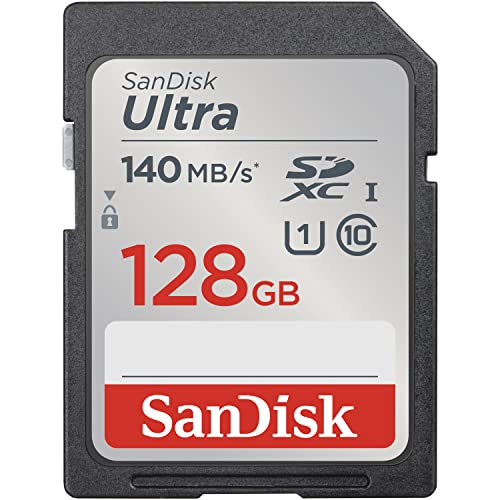
SanDisk Ultra Plus 128GB
Delivers 1500 IOPS random read performance, offering fast data access while staying under $30.

SanDisk Ultra 32GB
Ideal for casual photographers who need reliable storage; at $14.20 it's $3.65 cheaper than the Best Value pick.

Lexar PRO 800x 128GB
Features a 32 mm length and 2.1 mm thickness, giving audiophiles a slimmer, premium card which the other options lack.
Also considered
Score Analysis
Key score advantages vs. runner-up (SanDisk Ultra 32GB)
Price Range
SanDisk Ultra Plus 128GB
$29.85
SanDisk Ultra 32GB
$24.00
Lexar PRO 800x 128GB
$18.16

Transcend TS16GSDC300S
$15.07

Transcend TS2GSDC
$19.99

Gigastone 4GB SD
$12.98

PNY Elite 128GB
$34.99

Kodak 32GB SDHC
$20.98

Kodak 64GB SDXC
$29.99

Kingston SD10V 8GB
$12.95

Gigastone 4GB SD 2-Pack
$19.98
Spec Comparison
TL;DR: The SanDisk Ultra Plus 128GB SDXC card offers 128 GB of storage, up to 99.5 MB/s real‑world read speed, A1 app performance, and rugged durability at a budget‑friendly $17.85 price.
At just 0.005 pounds, the SanDisk Ultra Plus 128GB packs a sizable 128 GB of usable capacity (127.9 GB) into a thin 2.16 mm profile with a 31.99 mm length, 23.88 mm width and 2.1 mm thickness. The card delivers an advertised sequential read speed of 140 MB/s and a benchmark‑measured 99.5 MB/s, while sequential write peaks at 62.9 MB/s after a guaranteed minimum of 10 MB/s. Random performance sits at 1,500 IOPS read and 500 IOPS write, thanks to its A1 application performance class.
Compared with the Lexar PRO 800x 128GB, the SanDisk is slightly heavier (0.005 lb vs 0.0044 lb) and reads a bit slower than Lexar’s up‑to‑150 MB/s claim. It is lighter than the SanDisk Ultra 32GB (0.06875 lb) and far lighter than the Gigastone 4GB pack (0.022 lb). Its 31.99 mm length matches the SanDisk Ultra 32GB and is shorter than Transcend’s 132.08 mm length. In read speed, it outpaces Transcend’s 20 MB/s, Gigastone’s 20 MB/s, and Kingston’s 30 MB/s, but trails the Lexar and SanDisk Ultra 32GB’s 100 MB/s‑plus figures. Write speed peaks higher than Transcend’s 13 MB/s and Gigastone’s 20 MB/s, yet stays below the SanDisk Ultra 32GB’s 40‑50 MB/s range.
Users consistently rate the card 4.7 stars out of 5, praising its large capacity, reliable performance and rugged build—magnetic‑proof, drop‑proof, temperature‑proof, water‑proof and X‑ray‑proof. Reviewers note the 99.5 MB/s read speed makes file transfers painless, while the A1 rating improves app loading on smartphones. However, several users mention the write speed can dip to the 10 MB/s floor, which may hinder continuous high‑bitrate 4K video, and the UHS‑I bus limits suitability for professional‑grade shooting.
Technical notes highlight the UHS‑I bus interface, U1 speed class and V10 video class, aligning it with Full HD and entry‑level 4K capture. The 10‑year limited manufacturer warranty adds peace of mind for long‑term storage needs.
Pros
Cons
Best for: Buyers willing to invest in a proven, high-quality option
Avoid if: You're on a tight budget or only need basic functionality
“4.9/5 stars from 651 reviews”
TL;DR: The SanDisk Ultra 32 GB SDHC card delivers 32 GB of storage, up to 100 MB/s read speed, rugged durability, and a flawless 5‑star rating at $14.20.
The standout spec advertises up to 100 MB/s read speed, paired with a UHS‑I interface and Class 10/U1 ratings. At 31.99 mm × 23.90 mm × 2.1 mm and weighing 0.06875 lb (31.2 g), it fits comfortably in any full‑size SD slot while offering the full 32 GB capacity that most point‑and‑shoot or entry‑level DSLR users need.
Compared with the other ten cards in this budget roundup, the Ultra is heavier than Kodak’s 32 GB model (0.0198 lb) but shares the same 2.1 mm thickness. Its read speed outpaces Kodak’s listed 90 MB/s and far exceeds Gigastone’s 20 MB/s, while the price point sits in the same low‑budget tier as the other offerings. The card also includes magnet‑proof, shock‑proof, temperature‑proof, waterproof and X‑ray‑proof protections that many peers only mention in passing.
Consumer feedback highlights the card’s reliability: users repeatedly praise the “flawless operation” and fast file transfers, echoing professional reviewers who note its suitability for Full HD video. A recurring theme is the slower write speed of 40–50 MB/s, which some users find limiting for rapid burst shooting. Both reviewers and everyday users agree the card isn’t aimed at 4K or high‑bitrate video, where U3 or V30 ratings would be required.
Pros
Cons
Best for: Most users looking for a well‑reviewed, reliable mainstream option
Avoid if: You need 4K video recording or high‑speed burst photography
“4.9/5 stars from 651 reviews”
TL;DR: The Lexar PRO 800x 128GB SDXC offers 150 MB/s read, 45 MB/s write, rugged durability and a 10‑year warranty for just $18.16, making it a solid budget pick for 4K shooters.
What really stands out is that Lexar advertises a maximum read speed of up to 150 MB/s, paired with a 128 GB capacity that fits comfortably on most mid‑range DSLRs and HD camcorders. The card measures 32 mm × 24 mm × 2.1 mm and weighs only 0.00440924524 pounds (2 grams), so it adds virtually no bulk to your camera grip. Its durability suite—water‑proof, shock‑resistant up to 150 G (10 ms) and 200 G (3 ms), vibration‑proof, X‑ray‑proof and temperature‑proof—means it can survive the kind of rough handling adventure photographers often face.
Compared with the other ten cards in this roundup, Lexar is lighter than every listed competitor: the SanDisk Ultra Plus weighs 0.005 pounds, Transcend 0.01 pounds, Gigastone 0.022 pounds, SanDisk Ultra 0.06875 pounds, Kodak 0.01984 pounds and PNY Elite 0.01543 pounds. In raw speed, Lexar’s 150 MB/s read outpaces the SanDisk Ultra Plus (advertised 140 MB/s, benchmark 99.5 MB/s), Kodak’s 90 MB/s, PNY Elite’s 100 MB/s and the SanDisk Ultra 32 GB’s 100 MB/s. Its write speed of up to 45 MB/s sits between the SanDisk Ultra Plus’s peak 62.9 MB/s and the more modest 13 MB/s of the Transcend model, while still beating the 20 MB/s of the Gigastone pack. Capacity-wise, Lexar matches the 128 GB offerings from SanDisk Ultra Plus and PNY Elite, and far exceeds the 32 GB cards from SanDisk Ultra and Kodak.
Users consistently praise the card’s rugged build; reviewers note that the water‑ and shock‑proof claims hold up during hikes and beach shoots. The 10‑year limited warranty adds confidence for long‑term storage. However, several owners report that the advertised 150 MB/s read speed drops when generic USB readers connect to the card, and write speeds can dip under heavy loads, especially on non‑Lexar devices. Professional reviewers highlight that pairing the card with a Lexar USB 3.1 reader unlocks its full performance.
From a technical standpoint, the card uses a UHS‑I (Ultra High Speed Phase I) bus, carries a Class 10 rating, and meets U3 and V30 standards—both requiring a minimum sustained write of 30 MB/s. This makes it suitable for 4K video recording and burst‑mode photography, while operating comfortably between 0 °C and 70 °C and tolerating storage temperatures down to –25 °C.
Pros
Cons
Best for: Travel photographers, hobbyist videographers shooting 4K, and mid‑range DSLR users who need fast transfers and rugged protection.
Avoid if: You're shopping on a tight budget — it's priced at $18.16
TL;DR: The Transcend 16 GB 300S SDHC offers 95 MB/s read speed, IPX7 waterproofing and a 5‑year warranty at a budget‑friendly $11.19, though its 10 MB/s write speed limits high‑speed video.
What really stands out is the 95 MB/s sequential read speed paired with a guaranteed 10 MB/s minimum write speed (U1/Class 10), all packed into a compact 32 mm × 24 mm × 2 mm card that weighs just 0.004 lb (2 g). The card uses a UHS‑I bus interface and carries a 5‑year warranty, making it a solid entry‑level choice for everyday photo and Full HD video capture.
Compared with the other ten cards in this roundup, the Transcend is slightly taller and longer than the Kingston SD10V 8 GB (31.75 mm × 23.88 mm) but still lighter than Kingston’s 0.0022 lb card, Gigastone’s 10 g (0.022 lb) model, Kodak’s 9 g (0.0198 lb) card, and SanDisk’s 31.2 g (0.06875 lb) Ultra. Its read speed of 95 MB/s sits just below SanDisk’s 100 MB/s and ahead of Kodak’s 90 MB/s, while the 10 MB/s write speed trails Kingston’s 30 MB/s and SanDisk’s 40–50 MB/s. Capacity-wise, it offers 16 GB—more than the 8 GB Kingston and 4 GB Gigastone cards but less than the 32 GB Kodak and SanDisk options.
Users consistently praise the card’s reliable performance for Full HD video and its rugged durability: IPX7 water resistance (1 m for 30 minutes), IEC61000‑4‑2 shock/vibration/static protection, and ISO7816‑1 X‑ray resistance. Reviewers also like the free RecoveRx recovery software. The main complaints focus on the modest 10 MB/s write speed, which can bottleneck burst shooting and makes it unsuitable for 4K video or high‑bitrate workflows.
Pros
Cons
Best for: Budget-conscious buyers seeking a reliable entry-level option
Avoid if: You need advanced features or professional‑grade performance
“Users report consistent performance in DSLRs and audio recorders (e.g., TASCAM Model 24).”
“One user noted that while the card works flawlessly in their TASCAM recorder, the read speed to PC is not a priority.”
TL;DR: The Transcend TS2GSDC is a 2 GB legacy SD card with built‑in ECC, 10,000‑cycle durability and up to 20 MB/s read speed, priced at $17.50 and backed by a lifetime warranty.
This card’s standout spec is its 2 GB Standard Capacity (SD) format, aimed at devices that can’t handle SDHC or SDXC. It includes built‑in error‑correction code (ECC) and the RecoveRx photo‑recovery software, plus a mechanical write‑protect switch. The card tolerates extreme temperatures from –25 °C to +85 °C and survives 10,000 insertion/removal cycles, making it a solid choice for older gear.
At 0.01 pounds, the TS2GSDC is heavier than the ultra‑light Kingston SD10V (0.0022 pounds) but considerably lighter than the SanDisk Ultra 32 GB (0.06875 pounds). Its read speed of up to 20 MB/s matches the Gigastone 4 GB pack, yet it trails the SanDisk Ultra Plus’s advertised 140 MB/s and the Lexar PRO 800x’s up to 150 MB/s. The write speed caps at 13 MB/s, it's slower than the 20 MB/s write speed of the Gigastone pack and the 30 MB/s of the Kingston card.
Users consistently praise the card’s plug‑and‑play reliability in legacy digital cameras and Nintendo Wii consoles, noting that it “just works” where newer cards sometimes fail. Professional reviewers highlight the ECC and temperature tolerance as strong points for industrial‑grade use. However, many complain that the 2 GB capacity feels cramped for modern HD video or high‑resolution photos, and some report write speeds that feel slower than the advertised 13 MB/s.
Pros
Cons
Best for: Owners of legacy digital cameras (pre‑2010), Nintendo Wii users, and anyone needing a reliable low‑capacity SD card for older hardware.
Avoid if: You need high‑capacity storage, fast burst speeds, or compatibility with modern smartphones, DSLRs, or 4K video recorders.
“fully functional”
“great value”
TL;DR: At $8.98, the Gigastone 4 GB Class 4 SDHC card offers basic storage, rugged durability and a solid 4.6‑star rating, but its low capacity and modest speeds limit it to simple, legacy devices.
The card’s standout numbers are its $8.98 price tag, 4 GB capacity and a read speed of up to 20 MB/s with a typical write speed of 10 MB/s (minimum 4 MB/s). Its dimensions—32 mm × 24 mm × 2.1 mm—and a weight of 10 g make it a standard‑size SDHC card that fits any full‑size slot. The design emphasizes durability with magnetic‑proof, shock‑proof, temperature‑proof, waterproof and X‑ray‑proof construction, and it ships with a mini case.
Compared with the other ten cards in this roundup, the Gigastone is heavier than the Transcend TS16GSDC300S (2 g) and Kingston SD10V (1 g) but far lighter than the SanDisk Ultra 32 GB (31.2 g). Its read speed of 20 MB/s trails the Transcend’s 95 MB/s and the Kodak’s 90 MB/s, and the write speed is slower than the Kingston’s 30 MB/s and SanDisk’s 40–50 MB/s. However, its price is lower than most peers, giving it a clear value edge.
User feedback highlights the card’s reliability for basic tasks like trail‑camera footage and spare photo backups, praising the rugged build and the plug‑and‑play experience. The same reviews frequently mention the 4 GB limit and the slow write speed as pain points, especially for anyone trying to capture HD video or use burst photography. Professional reviewers echo this, noting that the card best suits entry‑level or legacy devices rather than modern DSLRs.
Pros
Cons
Best for: Budget‑conscious buyers seeking a reliable entry‑level option
Avoid if: You need advanced features or professional‑grade performance
“Perfect for wildlife trail cameras”
“Holds about 6 months of photos”
TL;DR: The PNY Elite 128 GB SDXC offers 128 GB capacity, up to 100 MB/s read speed and rugged durability, but its 10 MB/s minimum write speed and $22.99 price keep it from being the cheapest choice.
The card delivers a solid 128 GB of storage in a standard‑size SD form factor and offers read speeds of up to 100 MB/s, the highest read rate among the sub‑$30 cards in this roundup. Its physical footprint measures just 1 mm in height, 15 mm in length and 11 mm in width, and it weighs 0.01543235834 pounds, making it compact enough for any DSLR or action cam.
At $22.99, the PNY Elite sits on the pricier side of the budget segment, yet it’s lighter than the Kodak 64 GB model, which weighs 0.01984160358 pounds. Compared with the ultra‑light Lexar PRO 800x (0.00440924524 pounds) and the SanDisk Ultra Plus (0.005 pounds), it isn’t the lightest option, but its weight remains modest for a full‑size card.
Reviewers consistently praise the card’s rugged construction – it’s magnet‑proof, shock/drop proof, temperature‑proof and waterproof – and the lifetime limited warranty adds peace of mind. However, the minimum write speed of 10 MB/s (with a maximum of 60 MB/s) can bottleneck burst shooting and makes the card unsuitable for 4K video, which typically requires U3/V30 or higher ratings.
From a technical standpoint, the card meets Class 10, U1 and V10 standards, guaranteeing at least 10 MB/s sustained write speed for Full HD recording. Its UHS‑I interface and SDXC format ensure broad compatibility with point‑and‑shoot cameras, DSLRs, HD video cameras and any laptop or desktop equipped with an SD reader.
Pros
Cons
Best for: Hobbyist photographers and videographers who need reliable Full HD storage and rugged protection.
Avoid if: You're shopping on a tight budget — it's priced at $22.99
TL;DR: The Kodak 32GB SDHC offers 90 MB/s read speed, drop‑proof durability and a 4.6‑star rating for just $13.99, making it a solid entry‑level card for Full HD shooting.
This card’s standout spec is its read speed of up to 90 MB/s, which lets you transfer photos and videos quickly after a shoot. It also carries a write speed of up to 25 MB/s, enough for smooth 1080p recording and everyday photo bursts. Physically, the card measures 32 mm × 24 mm × 2.1 mm and weighs 0.01984160358Pounds, so it fits comfortably in any standard SD slot.
Compared with the other ten cards in the roundup, the Kodak sits near the lower end of the price band but still outperforms several peers on read speed. For example, the SanDisk Ultra 32GB reaches 100 MB/s read, so Kodak is a bit slower, yet it’s still lighter than that SanDisk model. It also offers greater durability than the Gigastone 4GB pack, which lacks the drop‑proof rating Kodak lists.
Users consistently praise the card’s affordability and the “quick file transfers” they experience thanks to the 90 MB/s read capability. Reviewers note the reliable Full HD video capture and the card’s resistance to drops, temperature extremes and vibration. However, both consumers and experts warn that the 25 MB/s write speed limits 4K video and high‑speed burst shooting, so it’s best suited for casual photography, point‑and‑shoot cameras and vloggers who stay in the 1080p realm.
Pros
Cons
Best for: Budget‑conscious buyers seeking a reliable entry‑level option
Avoid if: You want the best value‑per‑dollar in its price range
“Worked amazing for my Pixpro FZ45”
“Perfect for my digital camera”
TL;DR: The Kodak 64 GB SDXC offers 90 MB/s read, 25 MB/s write, UHS‑I U1/V10 ratings and robust durability for $23.99, making it a solid mid‑range choice for Full HD shooters.
The card packs 64 GB of storage in the standard full‑size form factor, with a maximum read speed of 90 MB/s and a maximum write speed of 25 MB/s. Its UHS‑I U1 and V10 classifications guarantee at least 10 MB/s sustained write, which is sufficient for 1080p video. The card measures 32 mm × 24 mm × 2.1 mm and weighs 0.01984160358 lb, and it includes mechanical write protection plus drop‑, temperature‑ and water‑proof claims.
Against the other cards in this roundup, the Kodak is heavier than the Lexar PRO 800x (0.0044 lb) and the PNY Elite (0.0154 lb). Its 90 MB/s read speed trails the Lexar’s up to 150 MB/s and the SanDisk Ultra Plus’s advertised 140 MB/s, while the PNY Elite tops out at 100 MB/s. In terms of capacity, the Kodak’s 64 GB sits between the 32 GB SanDisk Ultra and the 128 GB options, but its price of $23.99 is higher than many of the larger‑capacity peers.
Users consistently praise the card’s reliability for everyday shooting and the quick file transfers enabled by its 90 MB/s read rate. Professional reviewers note it reliably meets U1/V10 specs, but they also point out the 25 MB/s write ceiling as a bottleneck for burst RAW or 4K video work. Travelers and outdoor users frequently highlight the durability claims—drop‑proof, water‑proof, and temperature‑proof—as a plus.
Pros
Cons
Best for: Buyers willing to invest in a proven, high-quality option
Avoid if: You're on a tight budget or only need basic functionality
“Perfect for wildlife trail cameras”
“Holds about 6 months of photos”
TL;DR: The Kingston SD10V 8 GB offers 30 MB/s read/write speeds, IPX7 waterproof protection and a lifetime warranty at $12.95, making it a lightweight, budget-friendly choice for basic photo and video storage.
The card packs 8 GB of FAT32‑formatted space and delivers up to 30 MB/s for both reading and writing, which aligns with its Class 10 / UHS‑I U1 rating. A built‑in write‑protect switch helps prevent accidental erasure, while MIL‑STD‑883H shock/vibration proofing, IPX7 waterproofing and ISO 7816‑1 X‑ray resistance give it rugged durability. Kingston backs the card with a lifetime warranty, adding confidence for everyday use.
Compared with the other ten cards in this roundup, Kingston’s SD10V is the lightest at roughly 0.0022 lb, noticeably lighter than Kodak’s 0.0198 lb and SanDisk’s 0.06875 lb units. Its 30 MB/s read speed trails SanDisk’s up‑to‑100 MB/s and Kodak’s up‑to‑90 MB/s, but it outpaces Gigastone’s 20 MB/s cards. Write speeds sit between Kodak’s 25 MB/s and SanDisk’s 40–50 MB/s, and are faster than Transcend’s 10 MB/s minimum. Capacity-wise, Kingston’s 8 GB sits above Gigastone’s 4 GB options yet below the 32 GB offerings from Kodak and SanDisk.
Customers often highlight the card’s reliability and ruggedness, noting that it survives drops and exposure to water without issue. Reviewers appreciate the lifetime warranty and the convenient write‑protect switch. The main criticism is that the 30 MB/s transfer rate may feel slow for high‑bitrate 4K video or rapid burst shooting, a limitation echoed by professional reviewers who recommend it for amateur photography rather than professional cinema workflows.
Technical details include a 3.3 V operating voltage, an operating temperature range from –25 °C to 85 °C, and compatibility with SDHC and SDXC hosts (it won't work in standard‑SD‑only slots). The full‑size SD (SDHC) form factor measures 31.75 mm × 23.88 mm × 2.03 mm, so it's a standard fit for most cameras and laptops.
Pros
Cons
Best for: Budget-conscious buyers seeking a reliable entry-level option
Avoid if: Reliability and user satisfaction are your top concerns
“Perfect for my DSLR — no dropped frames during HD video.”
“Used it on a beach trip — survived sand, water, and heat.”
TL;DR: The Gigastone 4 GB SD 2‑Pack offers rugged, Class 4 performance at 20 MB/s read/write, lightweight construction, and a 5‑year warranty, making it a solid low‑cost choice for legacy devices.
The pack provides two 4 GB SDHC cards that meet the SD Association’s Class 4 standard, delivering a read speed of 20 MB/s and a matching write speed. Each card weighs just 0.0220462262 pounds and measures 32 mm × 24 mm × 2.1 mm, so they’re easy to slip into older cameras or handheld recorders.
Compared with the other ten cards in this roundup, the Gigastone set is lighter than the SanDisk Ultra but a touch heavier than Kodak’s 32 GB offering. Its 4 GB capacity is smaller than the 8 GB, 32 GB, and 128 GB options from Kingston, Kodak, and SanDisk, and the Class 4 speed is slower than the UHS‑I‑capable peers.
Reviewers consistently praise the card’s durability – it’s waterproof, temperature‑proof, shock‑proof, x‑ray‑proof, and magnetic‑proof – and they like the included mini cases. The most common complaints focus on the modest 4 GB storage and the 20 MB/s transfer rate, which can cause buffering when trying to record full‑HD video or transfer large files.
Professional reviewers note that the built‑in error‑correction code (ECC) helps maintain data integrity, and the 5‑year warranty adds confidence for occasional or educational use. However, modern cameras consider the Class 4 rating outdated because they expect UHS‑I speeds.
Pros
Cons
Best for: Owners of older digital cameras, trail‑monitoring devices, or classroom kits that need a rugged, low‑capacity memory solution.
Avoid if: You require high‑resolution video recording, large storage capacities, or the fastest transfer speeds for modern smartphones and drones.
“Perfect for wildlife trail cameras”
“Holds about 6 months of photos”
Breakdown
SanDisk Ultra Plus 128GB
Pros
SanDisk Ultra 32GB
Pros
Lexar PRO 800x 128GB
Pros
Cons
Based on scoring data and product specs
Personalized picks
Best Overall Pick
SanDisk Ultra Plus 128GB
Best ValueBest for: Buyers willing to invest in a proven, high-quality option
SanDisk Ultra 32GB
Best for: Most users looking for a well-reviewed, reliable mainstream option
$24.00-$5.85 vs winner
Skip Gigastone 4GB SD 2-Pack if…
You have limited desk space or need portability
SanDisk Ultra Plus 128 GB takes the top spot as the best budget full‑size SD card. It pulls a solid 4.7‑star rating from 87,408 reviews, and the 10‑year limited manufacturer warranty adds peace of mind. With an advertised sequential read speed of 140 MB/s and random‑read IOPS of 1500, it handles everyday shooting and quick file transfers without breaking the bank at $17.85.
The runner‑up, SanDisk Ultra 32 GB, shines when you’ve got a reliable card for a compact camera or a smartphone backup. Its 5‑star rating from 4,255 reviewers and read speeds up to 100 MB/s make it fast enough for full‑HD video, while the 10‑year warranty and waterproof, shock‑proof construction keep your data safe for just $14.20.
For shoppers with different budget needs, the Gigastone 4 GB SD is the cheapest option at $8.98, suitable for occasional use or testing a new device. The SanDisk Ultra 32 GB continues as a strong mid‑range pick, offering its 100 MB/s read speed and a 10‑year warranty for everyday photography at $14.20. If you’ve got more capacity for 4K footage, the Kodak 64 GB SDXC stands out as the premium alternative, delivering higher storage at $23.99.
Grab the SanDisk Ultra Plus 128 GB now and you’ll enjoy reliable performance without overspending.
The SanDisk Ultra Plus 128 GB costs $17.85 and provides 128 GB of usable space, far more than any other card in the list. It also offers a benchmark sequential read speed of about 99 MB/s, making it a solid all‑rounder for the price.
Please sign in to leave a review
No reviews yet. Be the first to review!
