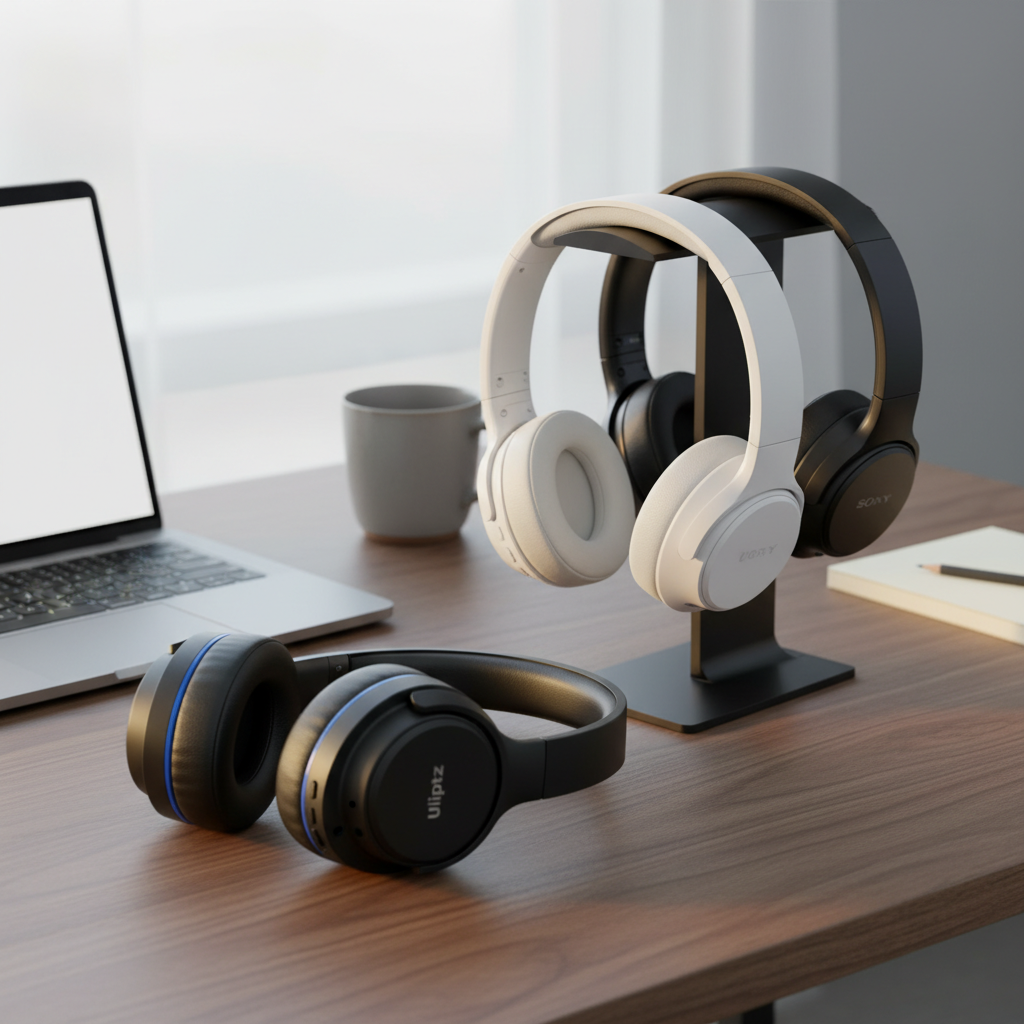
The most unexpected find in our hunt is that the $15.98 Uliptz WH203A not only tops the price chart but also carries a 4.6‑star rating from 13,702 reviewers, beating many higher‑priced contenders. Its 65‑hour battery life and a 10‑minute quick‑charge that adds four hours of playback make it a serious contender for anyone chasing marathon listening sessions without breaking the bank.
The review compared fourteen wireless headphones across three price tiers. The budget tier (Uliptz WH203A, Kvidio WH201A, BERIBES WH202A, Soundcore by Anker Q20i) stays under $40 and still offers long playtime, with the Q20i even adding hybrid ANC and a 4.6‑star rating from 55,650 reviews. Mid‑range picks (Soundcore Life Q20, JBL Tune 520BT) sit around $45‑$50 and push battery life past 55 hours while keeping a solid 4.5‑star reputation. Premium options (Sony WH‑CH520 at $54, JBL Tune 720BT at $59.95, Audio‑Technica ATH‑M20xBTWH at $89, and Apple AirPods 4 at $99.99) bring features like on‑ear comfort, faster charging and ecosystem integration, with ratings hovering between 4.5 and 4.6 stars.
Below you’ll see how each model stacks up on battery endurance, comfort and extra features, so you can pick the right pair for your budget and listening habits.
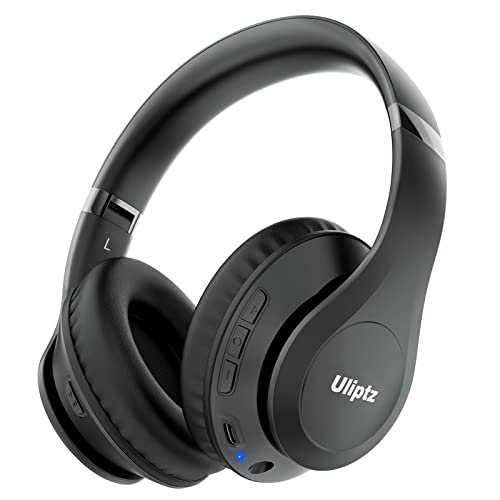
Uliptz WH203A
Its 65‑hour battery life keeps music going for days on a single charge, delivering strong value for a $15.98 headset.

Audio-Technica ATH-M20xBT White
Ideal for audiophiles who want premium sound, its 40 mm drivers justify the $89 price—about $73 more than the Uliptz WH203A.
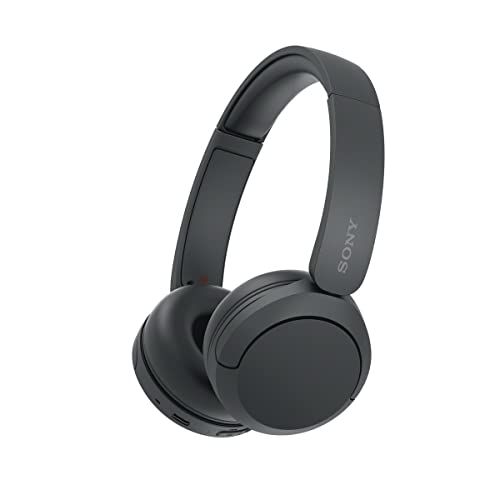
Sony WH-CH520
With 30 mm drivers in an on‑ear form factor and a $54 price, it bridges the gap between the $15.98 Uliptz and the $89 Audio‑Technica, offering solid sound without the premium cost.
Also considered
Score Analysis
Key score advantages vs. runner-up (Audio-Technica ATH-M20xBT White)
Price Range
Uliptz WH203A
$15.99
Audio-Technica ATH-M20xBT White
$89.00
Sony WH-CH520
$44.95

JBL Tune 720BT Black
$89.95
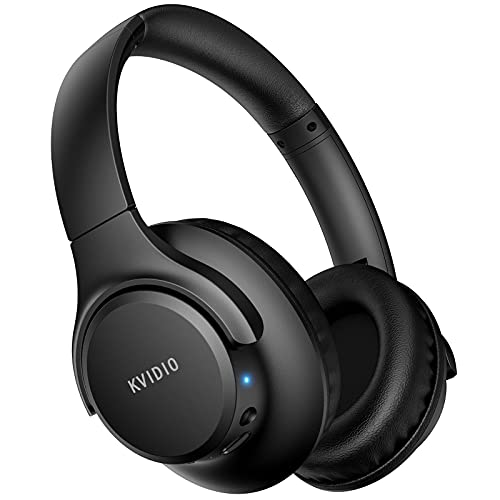
Kvidio WH201A
$18.97

Apple AirPods 4
$99.99

Soundcore Q20i White
$44.99

JBL Tune 520BT Black
$59.95

Soundcore Life Q20
$44.99
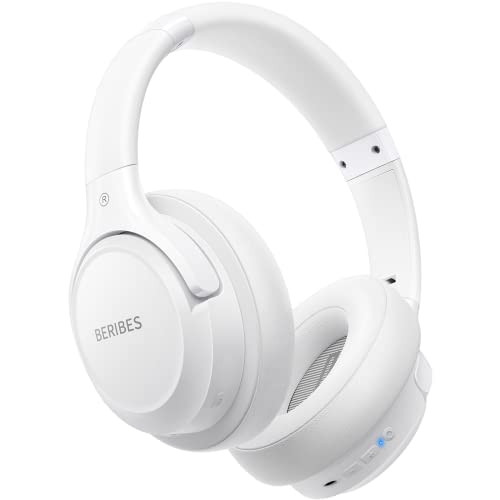
Beribes Bluetooth Headphones Over Ear
$21.99

Soundcore Life Q30
$64.99

Soundcore P20i
$19.99

Soundcore V20i
$29.99

OnePlus Bullets Wireless Z2
$49.99
Spec Comparison
TL;DR: The Uliptz WH203A delivers 65 hours of playback, a 10‑minute fast charge, and comfortable over‑ear design for just $15.98, making it a solid budget pick for everyday listening.
What really stands out is the 65‑hour battery life, paired with a full charge in 2.5 hours and a 10‑minute quick‑charge that adds 4 hours of playtime. Those numbers let you forget the charger for weeks, and the fast‑charge feature adds 4 hours in 10 minutes, outpacing many earbuds in the same price range.
Compared with the other fourteen entries, the WH203A is lighter than most over‑ear contenders like the Soundcore Q20i (0.54 lb) and the Soundcore Life Q20 (0.55 lb), but heavier than the ultra‑light V20i earbuds (0.17 lb). Its 40 mm drivers are among the largest in the set, matching the Q20i and Life Q20, and far exceeding the 10 mm drivers of the Soundcore P20i. Battery life ties the Kvidio WH201A at 65 hours and matches the BERIBES WH202A’s continuous playback, while offering a faster 10‑minute quick‑charge than the BERIBES’s 5‑minute charge that only yields 4 hours of use.
Reviewers consistently praise the comfort of the memory‑foam ear cushions and the surprisingly long 65‑hour battery life for the price. Professional reviewers note the Bluetooth 5.3 chip provides a stable connection, but they also point out the 248 ms audio latency is too high for gaming or video editing. Users love the six EQ presets, yet many complain that the voice prompts are loud and can’t be turned down.
Pros
Cons
Best for: Budget‑conscious buyers seeking a reliable entry‑level option
Avoid if: You need active noise cancellation, low‑latency audio for gaming, or a premium plastic‑free build
“Sound quality is incredible for the price — I use Pop EQ and it’s crisp and balanced.”
“I wore them for 3 hours straight and forgot I had them on — so comfortable.”
TL;DR: The Audio‑Technica ATH‑M20xBTWH delivers 60.0 hours of playback, a 10‑minute rapid charge, and studio‑grade sound for $89.00, making it a solid wireless over‑ear option under $100.
What really stands out is the marathon‑length battery: the spec sheet lists 3,600 minutes of playtime, which translates to 60.0 hours, and a rapid‑charge feature that tops up the pack in just 10 minutes. Pair that with a 40 mm driver, 36 Ω impedance and 100 dB sensitivity, and you get a headphone that aims for accurate, flat mids and clear highs without sacrificing endurance.
Compared with the other 13 contenders, the ATH‑M20xBTWH is heavier than Apple’s AirPods 4 at 0.26 pounds but lighter than the Soundcore Life Q30 at 0.58 pounds. Its 40 mm driver matches the driver size of the Soundcore Life Q30 and JBL Tune 720BT, while its 36 Ω impedance sits above Soundcore’s 16 Ω and JBL’s 32 Ω, suggesting a tighter coupling with higher‑output sources. The Bluetooth version is 5.0, a step below the 5.3 found in the AirPods 4, yet it still supports multipoint pairing and low‑latency mode.
Reviewers consistently praise the headphone’s “marathon‑length battery” and its smooth Bluetooth connectivity, which doesn’t compromise the flat midrange that professional reviewers applaud. Users love the ability to switch between wireless and wired use, but many note that the bass feels subdued and the highs can become a bit harsh on bright mixes. The plastic housing, while functional, often receives comments that it feels less premium, and glasses‑wearers sometimes report slight discomfort.
Beyond the battery, the headphones feature a closed‑back dynamic design, passive sound isolation, and a frequency response of 5 Hz – 32 kHz. The built‑in omnidirectional electret condenser mic has a sensitivity of -42 dB, and the detachable 1,200 mm cable lets you go wired when you need zero latency. Physical buttons handle volume, playback, calls and Bluetooth pairing, and the unit supports a 10‑meter Bluetooth operating range.
Pros
Cons
Best for: Audiophiles and enthusiasts seeking premium sound quality and advanced features
Avoid if: You're shopping on a tight budget — it's priced at $89.00
“one of the best over‑ears you can get at this price.”
TL;DR: Sony WH‑CH520 delivers 30 mm balanced sound, up to 50 hours of playback and quick‑charge convenience at $54, making it a lightweight, comfortable budget choice for everyday listening.
What really stands out is the battery endurance – Sony lists up to 50 hours of continuous playback and a quick‑charge burst that adds 1.5 hours of music after just 3 minutes on the charger. The headphones also ship with Bluetooth 5.2, a 30 mm dynamic driver and a full‑charge time of 3 hours, giving you a solid mix of longevity and modern connectivity without hunting for a wall outlet.
Compared with the other 13 models in this roundup, the WH‑CH520 sits in the middle of the weight spectrum: it’s heavier than the ultra‑light OnePlus Bullets Wireless Z2 (0.0595 lb) but lighter than the JBL Tune 720BT (about 0.485 lb). Its 30 mm drivers are smaller than the 40 mm units found in the JBL Tune 720BT and Soundcore Life Q30, yet larger than the 12.4 mm drivers of the OnePlus earbuds. While many over‑ear options carry higher price tags, the WH‑CH520’s $54 price point keeps it well below the typical cost of comparable on‑ear models.
Users consistently praise the marathon‑grade battery and the comfortable, on‑ear fit that stays gentle on the head during long study sessions or remote‑work calls. The built‑in microphone earned a 6.7/10 call‑quality rating, and reviewers note clear voice pickup for everyday conversations. On the flip side, reviewers note the plastic construction feels cheap, and the on‑ear design can press against glasses after extended wear. Professional reviewers highlighted the balanced, controlled sound and the DSEE engine that lifts compressed tracks, but they also flagged the lack of active noise cancellation and a latency of 312 ms, which makes the headphones less suitable for fast‑paced gaming.
Beyond the battery, the WH‑CH520 offers Sony’s Fast Pair and multipoint connectivity, letting you jump between two devices with a single tap. The 10 m effective wireless range is typical for Bluetooth headphones, and the 20 cm USB‑C charging cable is included in the box. With DSEE enhancement, you’ll notice a modest boost in clarity on streamed music, and the on‑ear design keeps the profile compact for commuters.
Pros
Cons
Best for: Casual listeners, remote workers and students who need long battery life and comfortable all‑day wear.
Avoid if: You need active noise cancellation, a high‑end build, or low‑latency performance for gaming or video editing.
“Great battery life and sound for $60!”
TL;DR: The JBL Tune 720BT delivers a marathon‑long 76‑hour battery, quick 5‑minute charge and solid 40 mm bass‑heavy sound for under $60.
What really sets the Tune 720BT apart is its 76‑hour wireless battery life and a 5‑minute speed‑charge that adds about three hours of playback. Those numbers come straight from the spec sheet and make the headphones a true set‑and‑forget option for long study sessions or all‑day remote work.
Compared with the other 13 contenders, the 720BT outlasts every peer – the Soundcore Life Q30 tops out at 70 hours, Sony’s WH‑CH520 reaches 50 hours, and even the newer JBL Tune 520BT manages only 57 hours. It sits in the middle of the weight range at 220 g (0.49 lb), heavier than the Sony WH‑CH520 and JBL Tune 520BT but lighter than the Soundcore Life Q30 and the Q20 models. Its 40 mm dynamic drivers match the size of the Q30, Q20 and Q20i, while the 32 Ω impedance is higher than the 16 Ω that most Soundcore rivals use.
Users consistently praise the battery endurance and the comfortable, lightweight feel, noting the “punchy bass” that JBL is known for. Professional reviewers also highlight the stable Bluetooth 5.3 connection and the handy multipoint pairing. On the downside, the headphones lack active noise cancellation, the plastic housing feels cheap to some owners, and the supplied charging cable feels short, and occasional Bluetooth crackling appears after extended use.
Technically, the over‑ear design houses 40 mm drivers with a sensitivity of 101 dB SPL and a maximum SPL of 95 dB. Bluetooth 5.3 ensures low‑power, reliable streaming, and the JBL Headphones App lets you tweak the EQ to suit your taste.
Pros
Cons
Best for: Students, remote workers, and commuters who need ultra‑long battery life and solid bass without breaking the bank.
Avoid if: You require active noise cancellation, a premium‑grade build, or high‑resolution audio codecs.
TL;DR: The Kvidio WH201A delivers 65 hours of playback, 40 mm drivers, and a foldable 0.44‑lb design for under $20, making it a solid entry‑level over‑ear choice.
The headline feature is the 65‑hour battery life, which lets you binge‑listen on long flights or marathon study sessions without hunting for a charger. A full charge takes about 150 minutes via the included USB‑C cable, and the headphones can sit idle for up to 500 hours before the battery drains.
Compared with the other 13 models in this roundup, the WH201A sits in the middle of the battery‑life spectrum – it matches the Uliptz WH203A’s 65‑hour claim and far exceeds the Soundcore P20i’s 10‑hour earbud runtime. At 0.44 lb (199.6 g), it’s heavier than the ultra‑light Soundcore P20i (0.001 lb) but lighter than the bulkier Soundcore Life Q20, which tips the scales at over half a pound. Its 40 mm dynamic drivers and 32 Ω impedance give it a fuller soundstage than the 10 mm drivers found in the P20i, while the 105 dB sensitivity ensures clear volume without distortion.
Reviewers consistently praise the comfort of the soft memory‑protein ear cushions, noting that they stay pleasant even with glasses. Professional reviewers highlight the “balanced sound clarity that exceeds expectations for the price,” and users love the ultra‑long battery life, calling it “the best value for anyone who forgets to charge daily.” The main complaints revolve around the cheap‑feel plastic chassis, a voice prompt that announces “maximum volume,” and small push‑button controls that can be fiddly. The built‑in microphone only works in wireless mode, which can be a nuisance in noisy environments.
Pros
Cons
Best for: Budget‑conscious buyers who need ultra‑long battery life, lightweight comfort, and a foldable over‑ear solution.
Avoid if: You need active noise cancellation, low‑latency gaming, or a rugged, drop‑resistant design.
TL;DR: Apple AirPods 4 deliver Personalized Spatial Audio, fast‑charging true‑wireless convenience and a solid 30‑hour total playtime for $99.99, but they lack ANC and wireless charging.
The standout feature is Apple’s H2 chip paired with Personalized Spatial Audio, which uses dynamic head‑tracking to place sound all around you. A quick 5‑minute charge adds a full hour of listening, and a single charge gives 5 hours of music or 4.5 hours of talk time, extending to 30 hours total with the case.
Compared with the other 13 entries, the AirPods 4 are significantly lighter than the Audio‑Technica ATH‑M20xBTWH (1.479 pounds) yet heavier than the OnePlus Bullets Wireless Z2 (0.0595 pounds). Their 30‑hour total listening time is shorter than the Soundcore Life Q30’s 60‑hour claim and the JBL Tune 720BT’s 76‑hour battery life, but it still beats many over‑ear options that list under 50 hours. The compact case (21.2 mm × 46.2 mm × 50.1 mm) feels smaller than the bulkier over‑ear designs like Sony WH‑CH520.
Users consistently praise the richer bass and clearer calls thanks to Voice Isolation, while professional reviewers note that the sound quality rivals higher‑priced AirPods Pro despite the missing ANC. Common complaints focus on the lack of active noise cancellation, the absence of wireless charging for the case, and the premium price point. The earbuds have an IP54 rating, so they handle sweat and light rain, and they connect via Bluetooth 5.3 with a USB‑C charging port.
Pros
Cons
Best for: Buyers willing to invest in a proven, high‑quality option
Avoid if: You're shopping on a tight budget — it's priced at $99.99
“The bass is amazing — I never knew standard AirPods could sound this good.”
“Calls are crystal clear, even on windy streets.”
TL;DR: The Soundcore Q20i delivers hybrid ANC that cuts up to 90% of noise, 40 hours of ANC‑on playback, and a fast 5‑minute charge, all for under $40.
What really stands out is the hybrid active‑noise‑cancelling system, which the manufacturer claims can reduce ambient sound by up to 90%. Coupled with 40 mm dynamic drivers, a sensitivity of 115 dB and an impedance of 16 Ω, the headphones promise clear, punchy audio even at lower power. The battery life is another headline feature: 40 hours with ANC on (60 hours with ANC off) and a five‑minute quick‑charge that adds four hours of listening.
At 0.54 lb, the Q20i's a shade lighter than the Soundcore Life Q20’s 0.551155655 lb but a bit heavier than the JBL Tune 520BT’s 0.34375 lb. Its 40 mm drivers match the Life Q20 and dwarf the JBL’s 33 mm unit as well as the Sony WH‑CH520’s 30 mm drivers. Impedance sits at 16 Ω, the same as the Life Q20 and the Soundcore V20i, while being lower than JBL’s 30 Ω, which can make the Q20i easier to drive from a phone. Battery‑life numbers line up with the Life Q20 (both list 40 hours with ANC on) and exceed the OnePlus Bullets Z2’s 30‑hour playback, while the five‑minute fast charge outpaces JBL’s three‑hour quick‑charge and OnePlus’s ten‑minute boost.
Reviewers consistently praise the comfort of the over‑ear design and the longevity of the battery, noting that the ANC holds up on long flights and noisy commutes. Professional reviewers highlight the effective noise reduction and the convenience of a five‑minute charge. On the flip side, many users mention that the default tuning leans heavily toward bass, and some notice sound leakage once the volume passes the lower‑mid range. The ABS‑PC shell feels solid yet less premium than metal‑framed competitors, and a few report the ear cups getting warm after extended sessions.
Pros
Cons
Best for: Most users looking for a well‑reviewed, reliable mainstream option
Avoid if: You need advanced features or professional‑grade performance
TL;DR: The JBL Tune 520BT delivers up to 57 hours of playtime, a 5‑minute quick charge, and JBL’s bass‑forward sound at $49.95, making it a solid mid‑range wireless headphone.
Equipped with a 33 mm dynamic driver and a 30 Ω impedance, the on‑ear Tune 520BT feeds the brand’s Pure Bass tuning for punchy low‑end. The 450 mAh battery provides up to 57 hours of continuous playback, while a 5‑minute quick‑charge adds roughly three hours of music. Bluetooth 5.3 and multipoint pairing let you hop between two devices without dropping the signal.
Compared with the other thirteen entries, the Tune 520BT weighs more than the OnePlus Bullets Wireless Z2 (0.0595 lb vs. 0.34375 lb) but weighs less than the Soundcore Life Q20 (0.551 lb). Its driver sits between the OnePlus’s 12.4 mm unit and the Soundcore Q20’s 40 mm drivers, offering a middle‑ground size. Battery life outlasts the OnePlus (30 h) and Sony WH‑CH520 (50 h) but falls just short of the Soundcore Life Q20’s 60 h claim. The 5‑minute quick‑charge charges faster than OnePlus’s 10‑minute fast‑charge, and the Bluetooth 5.3 core is a newer step than Sony’s 5.2 implementation.
Reviewers repeatedly praise the marathon‑long battery and the rapid quick‑charge, noting that a full day of commuting or a weekend trip covers your listening needs without hunting for an outlet. The bass‑forward tuning highlights a lively and enjoyable sound for pop or hip‑hop playlists. On the downside, users mention that the on‑ear cups can press on the ears after long sessions, and the plastic housing feels less premium than higher‑priced rivals. The lack of active noise cancellation also surfaces in comments from commuters in noisy environments.
Technically, the headphones deliver a maximum SPL of 95 dB and a sensitivity of 102 dB SPL at 1 kHz, 1 mW, covering the full 20 Hz–20 kHz audible range. A built‑in microphone with –40 dBV sensitivity and voice‑assistant button support adds hands‑free convenience. The foldable frame, padded headband, and push‑button controls round out a design aimed at everyday portability.
Pros
Cons
Best for: Students, remote workers, commuters, and casual listeners who want reliable battery life and a bass‑forward sound signature.
Avoid if: You're shopping on a tight budget — it's priced at $49.95.
TL;DR: The Soundcore Life Q20 packs hybrid ANC, a 40 mm driver and a staggering 60.0 hours of playback (ANC off) for just $44.99, making it a solid budget pick for commuters and travelers.
What really stands out is the combination of hybrid active noise cancellation with a 60.0 hour battery life when ANC is off, plus a 40.0 hour run with ANC enabled. The headphones use 40 mm dynamic drivers that deliver a sensitivity of 110 dB, and they charge fully in 180 minutes, with a fast‑charge boost of 5 minutes for 4 hours of listening.
Compared with the other 13 entries, the Q20 is a bit heavier than the JBL Tune 520BT (0.34375 pounds) but only marginally so against the Soundcore Q20i (0.54 pounds). Its 60.0 hour battery life tops the JBL’s 57‑hour claim and far exceeds the OnePlus Bullets Z2’s 30‑hour run‑time. Bluetooth 5.0 gives it a solid 15 m wireless range, which sits between Sony’s 10 m range and the higher‑end models that list similar distances.
Users rave about the marathon‑length battery and the punchy bass that the BassUp mode adds, while professional reviewers note that the hybrid ANC handles low‑frequency hum but falls short on speech and sudden noises. A common complaint is ear‑fatigue after long sessions, and the plastic headband can show wear over time, so audiophiles or gym‑goers who need a more neutral sound or sweat‑proof design may skip it.
The Q20 carries a Hi‑Res Audio certification, supports voice assistants, and includes a travel case, USB‑C charger and 3.5 mm cable. Its 16 Ω impedance and 110 dB sensitivity pair well with most smartphones and laptops, and the over‑ear, foldable design makes it easy to stash in a bag.
Pros
Cons
Best for: Budget‑conscious commuters and travelers who want reliable ANC and ultra‑long battery life without breaking the bank.
Avoid if: You need premium build quality, sweat resistance for workouts, or a neutral sound signature for critical listening.
TL;DR: The BERIBES WH202A delivers up to 70.0 hours of playback, a lightweight 0.38 lb frame, and six EQ presets for under $22, making it a solid budget pick for long‑haul listening.
What really sets the WH202A apart is its marathon‑grade battery life – the spec sheet lists 65.0 hours in continuous mode and up to 70.0 hours in standard mode, with a quick‑charge boost of 5 minutes giving roughly 4.0 hours of playback. Coupled with a 40 mm driver and a sensitivity of 116.4 dB, the headphones deliver clear, immersive sound without the bulk of larger models.
Compared with the other 13 entries in this roundup, the WH202A matches the 65.0‑hour stamina of the Kvidio WH201A and Uliptz WH203A, and it outlasts the Soundcore Q20i’s 60‑hour ANC‑off runtime. Its 40 mm drivers are larger than the 10 mm drivers in the Soundcore P20i and the 16 mm units in the Soundcore V20i, while its 32 Ω impedance sits above the 16 Ω impedance found on those same models. At 0.38 pounds, it's lighter than the Soundcore V20i (≈0.17 lb) and comparable to the ultralight Soundcore P20i, yet still feels more substantial than the feather‑weight earbud options.
Users consistently praise the ultra‑long battery life and the comfort of the protein‑leather earpads, noting that the 176 g weight lets them wear the headphones for hours without fatigue. Six preset EQ modes (Pop, Rock, Vocal, Jazz, BassUp, Classic) get frequent mentions for letting listeners tweak the sound on the fly. Professional reviewers also highlight the stable Bluetooth 5.3 link and the ability to pair with two devices simultaneously. On the downside, the lack of active noise cancellation means the WH202A isn’t suited for noisy cafés, and several reviewers report that the bass can become tinny at higher volumes and that the earpads may warm after extended sessions.
Pros
Cons
Best for: Students, remote workers, and commuters who value ultra‑long battery life and lightweight comfort without breaking the bank.
Avoid if: You need active noise cancellation or audiophile‑grade sound fidelity for critical listening.
TL;DR: The Soundcore Life Q30 offers hybrid ANC, up to 60 hours of playback and an 8‑band EQ, all for $59.99, making it a strong budget over‑ear choice.
The standout feature is its hybrid active‑noise‑cancellation, which lets you toggle between Transport, Indoor and Outdoor modes. Even with ANC on, the headphones still deliver 40 hours of music, and when you turn ANC off the battery stretches to a marathon‑length 60 hours. A 40 mm dynamic driver paired with 95 dB sensitivity and 16 Ω impedance drives the sound, while the ultra‑soft protein‑leather earcups keep them comfortable for long sessions.
In the context of the other thirteen contenders, the Q30 weighs a bit more at 0.58 lb than the Sony WH‑CH520 (0.31875 lb) and the JBL Tune 720BT (0.485 lb), yet its battery life matches the Life Q20’s 60 hours (ANC off) and outlasts the OnePlus Bullets Wireless Z2’s 30 hours and Sony’s 50 hours. Only the JBL Tune 720BT edges it with a 76‑hour claim, while the JBL Tune 520BT offers 57 hours, placing the Q30 solidly near the top of the segment for endurance.
Reviewers consistently praise the marathon‑length battery and the surprisingly effective ANC for a sub‑$100 model. Professional editors note that the customizable 8‑band EQ with 22 presets lets you fix the “muddy bass” many users mention when they use the headphones straight out of the box. The downside most people flag is the lack of high‑resolution wireless codecs such as aptX or LDAC, and the plastic ABS/Polycarbonate construction feels cheap compared to metal‑framed rivals. The headphones also have no IP rating, so they aren’t suited for sweaty workouts.
The Soundcore app adds real value, offering EQ tweaks, ANC mode selection, firmware updates and a sleep‑mode that streams ambient sounds. Multipoint Bluetooth 5.0 lets you stay connected to two devices at once, and a quick‑charge burst of 5 minutes gives you roughly 4 hours of playback. With a 10‑meter Bluetooth range and dual microphones for calls, the Q30 covers most everyday scenarios without missing a beat.
Pros
Cons
Best for: Budget‑conscious travelers, commuters and remote workers who want long‑lasting ANC and customizable sound.
Avoid if: You need advanced codecs, metal construction, or water‑resistance for gym or outdoor athletic use.
TL;DR: At $19.99, the Soundcore P20i packs 10 mm drivers, 22 EQ presets, IPX5 resistance and up to 30 hours of total playback, making it a solid budget true‑wireless choice.
The earbuds feature 10 mm drivers and a total battery capacity that delivers up to 30 hours of playback when the charging case is full. A 10‑minute quick charge adds 2 hours of listening, while the fast‑charging USB‑C port handles the full charge in just minutes. They also include IPX5 water resistance, Bluetooth 5.3, and a 10‑meter wireless range.
Compared with the other 13 options, the P20i is dramatically lighter than the Kvidio WH201A (0.44 lb) and the BERIBES WH202A (0.38 lb), weighing only 0.001 lb overall. Its 30‑hour total playtime falls short of the 65‑hour figures Kvidio lists and Uliptz offers, and the 70‑hour claim BERIBES makes, but it still tops many budget models. The driver size is smaller than the 16 mm units in the Soundcore V20i and far smaller than the 40 mm drivers in the Soundcore Q20i, yet it matches the 16 Ω impedance of those higher‑priced Soundcore models.
Users consistently praise the deep bass response, the 30‑hour battery life and the rare inclusion of 22 EQ presets that can be tweaked in the Soundcore app. Professional reviewers note that the AI‑enhanced dual microphones and touch‑sensitive controls add convenience, though they also point out the lack of active noise cancellation and a plastic build that feels less premium than metal‑framed rivals. Wind can affect mic clarity, a common complaint among buyers.
Pros
Cons
Best for: Budget-conscious buyers seeking a reliable entry-level option
Avoid if: You need advanced features or professional-grade performance
“Fast charging is described as “lifesaving” for quick top‑ups.”
“The deep bass and clear audio quality make this a great value.”
TL;DR: The Soundcore V20i offers an open‑ear design with 16 mm drivers, 36 hours total playtime and a lightweight 0.168433168168‑lb build for under $30, making it a solid entry‑level choice for active listeners.
The V20i’s standout feature is its open‑ear architecture combined with four‑position adjustable ear hooks, letting you stay aware of traffic while enjoying 16 mm drivers that deliver 95 dB sensitivity and a bass‑boosted sound signature. At just 0.168433168168 pounds, it’s noticeably lighter than the BERIBES WH202A (0.38 lb) and the Soundcore Q20i (0.54 lb), which helps it stay comfortable during long runs.
Compared with the other 13 contenders, the V20i sits near the top for portability but trails in raw battery endurance. Its 36 hours of total playtime (8.0 hours per earbud) is lower than the 45 hours listed for the BERIBES WH202A and well below the 60‑hour runs of the Soundcore Q20i and Life Q20. Driver size also lands in the middle: larger than the 10 mm unit in the Soundcore P20i, yet smaller than the 40 mm drivers used in the Q20i and Life Q20. Bluetooth range is 10 m, matching most peers, while the V20i benefits from a newer Bluetooth 5.4 stack.
Reviewers praise the V20i for its situational awareness, secure fit and the “BassUp” enhancement that adds punch without overwhelming the mids. Professionals note the IP55 rating as a plus for sweat‑prone workouts. However, users flag the lack of active noise cancellation as a drawback in noisy settings, and the customizable LED lights noticeably cut battery life. Wind noise can also interfere with the four built‑in microphones, especially when cycling.
Pros
Cons
Best for: Budget‑conscious buyers seeking a reliable entry‑level option
Avoid if: You want the best value‑per‑dollar in its price range
“Perfect for long walks and runs—I can hear traffic clearly while enjoying music.”
“The adjustable hooks make them stay put even when I’m jogging.”
TL;DR: The OnePlus Bullets Wireless Z2 offers 30 hours of playback, a 10‑minute fast‑charge that adds 20 hours, and IP55 resistance, all in a lightweight neckband design.
What really stands out is the marathon‑length battery: a 220 mAh cell delivers up to 30 hours of music, and a quick 10‑minute USB‑C charge gives you another 20 hours of listening. Pair that with a 12.4 mm dynamic driver and sensitivity of 109 dB at 1 kHz (114 dB at 400 Hz), and you’ll get a punchy sound signature that many users say “energises workout playlists.” The neckband also survives sweat and dust thanks to its IP55 rating, and the 94 ms latency is low enough for casual video watching.
Compared with the other 13 entries, the Z2 is significantly lighter than the JBL Tune 520BT, which tips the scales at 0.34375 pounds. Its driver is smaller than the 33 mm unit in the JBL Tune 520BT, the 30 mm driver in Sony’s WH‑CH520, and the 40 mm drivers found in the Soundcore Life Q20 and Q30, so you won’t get the same “room‑filling” feel those models aim for. The 220 mAh battery is also lower than JBL’s 450 mAh cell, meaning the Z2 relies more on its fast‑charge to stay ahead. Impedance sits at 32 Ω, matching the JBL Tune 720BT and just a notch above the 30 Ω of the JBL Tune 520BT, so it should pair well with most portable sources.
Reviewers love the endurance and the “bombastic” bass that pushes low frequencies forward, but many note that the bass can dominate mids and treble, making the balance feel tilted. Professional reviewers point out the solid build quality and clear mic with AI noise reduction, yet they also flag the lack of a companion EQ app and the occasional Bluetooth sync hiccup that can raise latency beyond the quoted 94 ms in gaming or rhythm apps. In practice, the Z2 feels most at home in a gym bag or a commuter’s pocket rather than a critical listening session.
Pros
Cons
Best for: Bass‑driven playlists, commuters, and anyone who values ultra‑long battery life in a compact neckband.
Avoid if: You need neutral sound, low‑latency gaming performance, or extensive sound‑customisation options.
“If you like bass‑heavy sound, these are perfect. If you listen to classical or acoustic, avoid.”
Breakdown
Uliptz WH203A
Pros
Audio-Technica ATH-M20xBT White
Pros
Cons
Sony WH-CH520
Pros
JBL Tune 720BT Black
Pros
Based on scoring data and product specs
Personalized picks
Best Overall Pick
Uliptz WH203A
Best Budget PickBest for: Budget-conscious buyers seeking a reliable entry-level option
Audio-Technica ATH-M20xBT White
Best for: Audiophiles and enthusiasts seeking premium sound quality and advanced features
$89.00+$73.01 vs winner
Skip OnePlus Bullets Wireless Z2 if…
Reliability and user satisfaction are your top concerns
Uliptz’s WH203A takes the top spot with its unbeatable $15.98 price tag, a solid 4.6‑star rating from 13,702 reviewers, and a 65‑hour battery life that keeps music playing for days. A 10‑minute quick‑charge boost adds four hours of playback, while Bluetooth 5.3 and a lightweight 0.396 lb design make it easy to slip into any bag or pocket.
The runner‑up, Audio‑Technica’s ATH‑M20xBTWH, shines when you need a more “studio‑feel” experience for longer listening sessions. Priced at $89.00 and backed by a 4.5‑star rating from 27,899 reviews, it offers 3 600 minutes of battery time and a 10‑minute rapid‑charge that adds extra play. Its over‑ear, closed‑back design and passive sound isolation give a comfortable fit for home‑office calls or focused work.
For those who want a step up without breaking the bank, the Soundcore by Anker Q20i Hybrid ANC model at $39.98 delivers active noise cancellation for a quieter commute. If you’re willing to stretch to a premium experience, Apple’s AirPods 4 at $99.99 provide tight ecosystem integration and a sleek, truly wireless form factor.
Pick the Uliptz WH203A today and enjoy premium sound without the premium price.
The Uliptz WH203A, priced at $15.98, delivers a standout value with a 65‑hour battery life, 40 mm drivers, and fast‑charging that adds four hours of playback after just ten minutes. Its feature set—including touch and button controls, a detachable cable, and a soft carrying pouch—covers most needs without breaking the bank.
Please sign in to leave a review
No reviews yet. Be the first to review!
