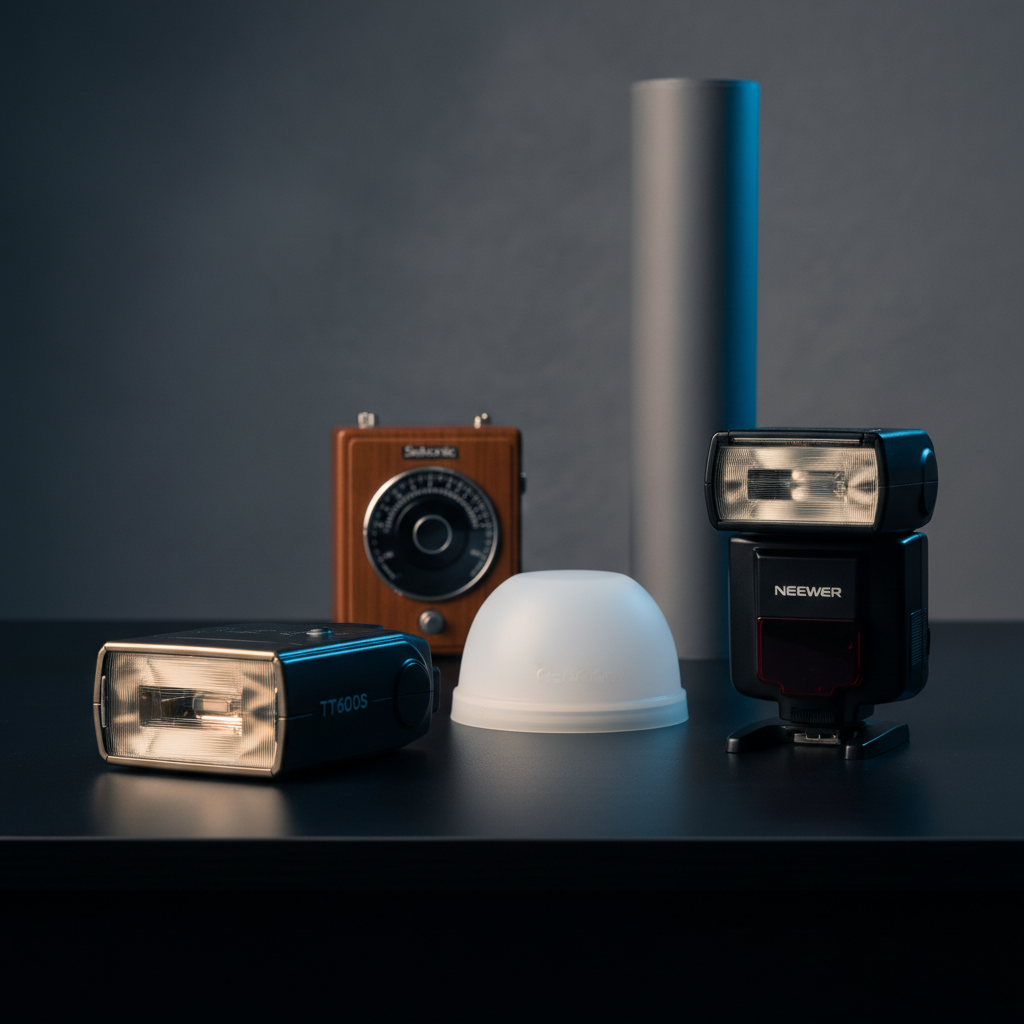
Our top pick for mid‑to‑high power flashes is the Godox TT600S. At $70.00 it carries a 4.5‑star rating from 1,358 reviewers and has a guide number of 60 meters (ISO 100, 200 mm), putting it ahead of every other unit we evaluated. Its manual‑only design for Sony cameras includes a 2.4 GHz X wireless system, 32 channels, and a fast recycle window of 0.1 s to 2.6 s, making it a solid choice for off‑camera work without breaking the bank.
Fifteen products span three price tiers. Budget options like the Powerextra DF‑400 ($35.99) and Neewer TT560 ($59.84) deliver GN33–38 at a low cost, while mid‑range choices such as the Voking VK750II Nikon ($59.94) and Meike MK430C ($59.99) add TTL support and higher guide numbers around GN58. Premium picks—including the Godox MS300V ($119.00), the Godox TT600 Diffuser (also $70.00), and the Meike MK‑320S ($59.99)—offer the most power, advanced wireless features, and sturdier builds for serious shooters.
The following breakdown of each tier highlights the strengths and quirks of every flash, helping you decide which model fits your lighting needs best.

Godox TT600S
Its slim profile—only 63.96 mm tall—makes the TT600S easy to mount on camera bodies without adding bulk; it's a clear advantage for on‑the‑go shooters.

Godox TT600 Diffuser
Tailored for photographers who want an integrated diffuser for softer lighting, the TT600 Diffuser matches the Best Overall’s $70 price, offering the same cost with added diffusion capability.
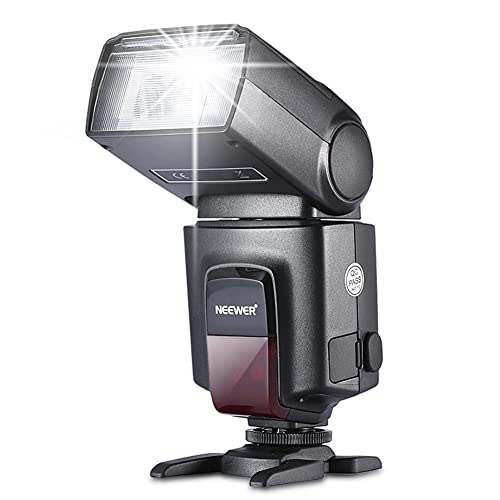
Neewer TT560
The Neewer TT560 stands out with a larger 101.6 mm depth and a lower $59.84 price, appealing to budget‑focused users who still want solid performance.
Also considered
Score Analysis
Key score advantages vs. runner-up (Godox TT600 Diffuser)
Price Range
Godox TT600S
$70.00
Godox TT600 Diffuser
$70.00
Neewer TT560
$59.84

Godox MS300V
$129.00

Godox TT520Ⅱ
$46.99

Voking VK750II Nikon
$59.99

Powerextra DF-400
$35.99
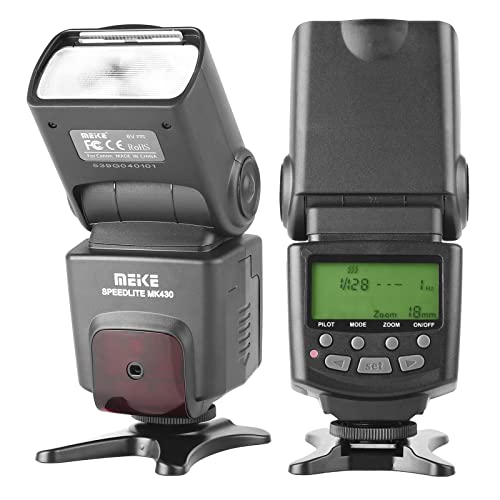
Meike MK430C
$59.99

Photoolex FK300G
$50.39
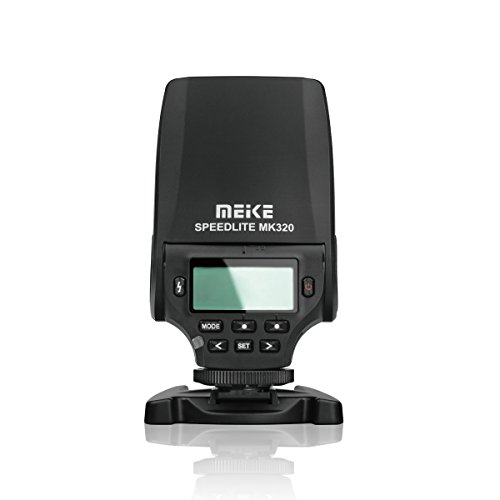
Meike MK-320S
$59.99
Flashpoint Zoom R2
$179.00

Godox TT520II
$48.60
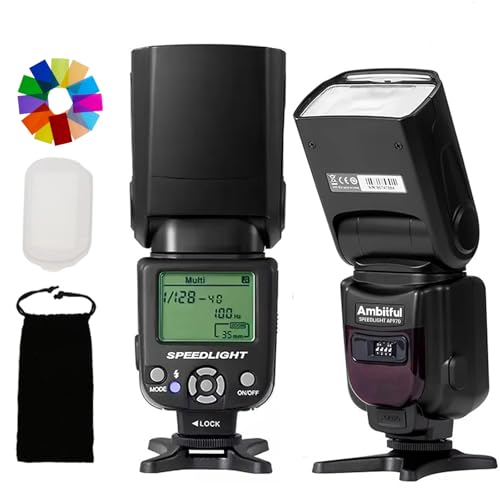
Ambitful AF970
$59.46

Altura Photo Flash
$49.98
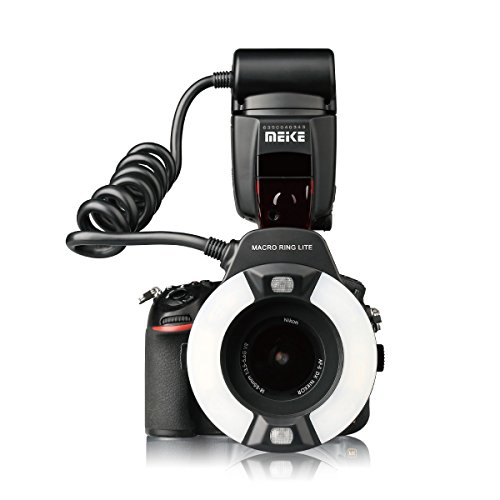
Meike MK-14EXT-N
$79.99
Spec Comparison
TL;DR: The Godox TT600S delivers a GN60 guide number, 100 m wireless range and 1/20,000 s high‑speed sync for $70, making it a powerful manual flash for Sony shooters.
The standout spec is its 60‑meter guide number at ISO 100, which outpaces most entry‑level speedlites in this group. Coupled with a minimum recycle time of 0.1 s and up to ≈230 full‑power flashes per AA battery set, it offers both reach and speed for demanding lighting setups.
Compared with the other fourteen units, the TT600S is heavier than the Neewer TT560 (which weighs about 1 pound) and the Meike MK‑320S (150 g), but lighter than the Godox TT600 Diffuser (0.881 pounds). Its 32 wireless channels and five groups exceed the Meike MK‑430C’s “up to 5 groups” and match the Voking VK750II’s 5‑group support, while its 100 m transmission range is longer than the Meike MK‑430C’s indoor 20–25 m range. The flash’s 22 power levels also surpass the Meike MK‑320S’s limited exposure compensation steps.
Users consistently praise the value‑for‑money feel, noting the reliable 100 m radio link and the rare inclusion of high‑speed sync up to 1/8000 s when used off‑camera. Professional reviewers highlight the solid build, intuitive LCD and the flexibility of a 360° horizontal swivel with a –7° to +90° vertical tilt. Common complaints focus on the manual‑only operation, the lack of TTL, and the fact that HSS stops working when you mount the unit on‑camera. Some early batches also miss the test button, and the AA‑cell power source can feel limiting for long shoots.
Additional technical notes: the flash offers a wide‑angle diffuser panel of 14 mm, a focus‑assist lamp, and a built‑in diffuser panel for softer light. Power output ranges from 1/1 to 1/128 in 1/3 EV steps across 22 levels, and the flash modes include Manual, Multi (stroboscopic), S1 and S2 optical slaves. The device runs on four AA batteries (alkaline or Ni‑MH) with a 2500 mAh capacity per cell, and you can attach an optional HV battery pack via the external port.
Pros
Cons
Best for: Sony photographers who need a powerful, affordable manual flash with strong wireless capabilities and high‑speed sync.
Avoid if: You require TTL auto‑exposure, on‑camera HSS, or a built‑in lithium‑ion power source.
“Perfect for off-camera flash on a budget.”
“HSS works great with my X1T-S trigger – I can shoot wide open in daylight.”
TL;DR: The Godox TT600 delivers a GN60 output, up to 700 flashes per charge, and a 0.1‑second recycle for $70, offering a reliable, budget‑friendly manual flash with 2.4 GHz wireless.
The standout spec is its guide number of GN60 at ISO 100 (200 mm), which outshines many peers in this group. It also recycles as fast as 0.1 seconds at full power and can fire between 100 and 700 flashes on a fresh set of AA batteries, giving you plenty of shots before swapping cells.
Compared with the other 14 flashes, the TT600 is lighter than the Neewer TT560 (weighing 1.0 pound) and the Godox TT600S (1.10231131 pounds). Its GN60 surpasses the Meike MK‑14EXT‑N (GN14 m) and Meike MK‑320S (GN32 m), and it recycles noticeably faster than the Meike MK‑430C’s roughly 4‑second cycle.
Users consistently praise the bright output, clear LCD panel, and dependable 2.4 GHz radio that reaches up to 100 meters. Professional reviewers note the flash’s solid value and its HSS support when paired with external triggers, though they point out the manual‑only operation and lack of on‑camera HSS as drawbacks for fast‑moving subjects.
Pros
Cons
Best for: Budget‑conscious photographers building a wireless flash setup, studio work, or controlled‑environment shooting where manual control is acceptable.
Avoid if: You need TTL or on‑camera HSS for fast‑paced events like weddings, journalism, or rapid action photography.
“Users consistently praise the brightness and range of the TT600, noting it outperforms many similarly priced flashes.”
“The lack of TTL is the most common complaint, especially for event or portrait photographers who need fast adjustments.”
TL;DR: The Neewer TT560 delivers a 38 m guide‑number, 8‑step manual output and bounce‑swivel head for $59.84, making it a solid, budget‑friendly flash for beginners and hobbyists.
At its core the TT560 packs a 38 m guide number (ISO 100, 105 mm zoom) and offers eight power‑output steps that you can fine‑tune in 1/8‑stop increments. The flash recycles in as fast as 0.1 s on low power and up to 5 s at full power, while a single set of four AA batteries can fire between 100 and 1,500 flashes. Physically, it measures 101.6 mm deep, 221.2 mm tall and 80.0 mm wide, and weighs about 1.0 lb, giving you a compact yet sturdy unit for on‑camera use.
Compared with its peers, the TT560 sits in the middle of the price range – roughly on par with the Voking VK750II and Meike MK430C. Its guide number of 38 m is lower than the Voking’s 58 m and the Ambitful AF970’s 60 m, but higher than the Meike MK‑320S’s 32 m. In terms of weight, the TT560 (≈453 g) is heavier than the Voking’s 350 g yet lighter than the Altura Photo Flash’s 440 g, and its dimensions are larger than the Meike MK‑320S (110 mm × 36 mm × 65 mm) but comparable to the Voking’s 57 mm × 200 mm × 75 mm footprint.
Users consistently praise the flash’s affordability and the reliability of its optical‑slave S1/S2 modes, noting that the bounce‑and‑swivel head makes portrait and product lighting easy to shape. Professional reviewers call it a “fantastic entry‑level flash” and highlight its solid build for the price. The most common complaints revolve around the lack of TTL and high‑speed sync (HSS), and occasional incompatibility with newer Canon bodies, which can be a deal‑breaker for those needing those features.
Beyond the basics, the TT560’s flash duration ranges from 1/300 s to 1/20,000 s, giving you fast shutter‑speed control for freezing motion in daylight. The unit also includes a red LED low‑battery indicator, a test button, and a PC sync port for wired off‑camera setups. You can attach an external power source via the CP‑E4 port to speed up recycling, and built‑in protection helps prevent overheating.
Pros
Cons
Best for: Beginner photographers, budget‑conscious creators, and portrait or product shooters who want a reliable manual flash.
Avoid if: You need high‑speed sync for sports or fast‑action photography, or you rely on TTL automation.
“a fantastic entry-level flash”
TL;DR: The Godox MS300V delivers a 58 m guide‑number, 300 Ws output and wireless control in a compact 28.3 cm, 5.51155655‑lb body for $119.00.
The standout spec is its 58 m guide number (ISO 100) backed by a 300 Ws maximum power output, letting you light subjects at a distance comparable to a 190 ft GN strobe while staying under a kilogram. Its recycle time ranges from 0.1 s at low power to 1.8 s at full power, meaning you won’t be waiting long between shots.
Compared with the other 14 flashes in this roundup, the MS300V is larger than the Meike MK‑14EXT‑N’s 165 mm depth and heavier than the Flashpoint Zoom R2, which weighs about 540 g. Still, at just 28.3 cm length and roughly 1.3 kg net weight, it remains more portable than many studio‑grade strobes and offers a full‑featured wireless system that many peers lack.
Reviewers consistently praise the compact size, the dimmable 10 W LED modeling lamp that stays cool, and the solid 4.7‑star rating from 223 users. Common complaints focus on the audible fan during long runs, the lack of TTL or high‑speed sync, and the need for AC power, which can limit on‑location flexibility. Professional reviewers highlight the stable output (within 2 % tolerance) and the built‑in 2.4 GHz radio with 32 channels and 5 groups as major strengths.
Pros
Cons
Best for: Those prioritizing quality and willing to pay for premium performance
Avoid if: You're shopping on a tight budget — it's priced at $119.00
“Perfect for small studios”
“LED modeling is a game-changer”
TL;DR: The Godox TT520Ⅱ packs a GN33 output, 15 m wireless range and full 270° swivel into a 286 g, $46.99 manual flash, making it a solid budget starter for on‑camera and off‑camera work.
The headline spec is the 33‑meter guide number at ISO 100, which puts it on par with other entry‑level units like the Powerextra DF‑400 while out‑shooting many compact flashes that sit below GN30. Coupled with a fast 0.1 s minimum recycle time and eight power‑step increments, the flash can keep up with typical indoor shooting bursts.
Compared with its 14 peers, the TT520Ⅱ is lighter than the Altura Photo Flash (440 g) and the Neewer TT560 (453.6 g), and it even undercuts the Powerextra DF‑400’s 315 g weight. Its guide number matches the DF‑400’s GN33 but trails the Ambitful AF970’s GN60 and the Altura’s GN38. The 16‑channel 2.4 GHz radio reaches up to 15 m, which is similar to the Powerextra’s range but shorter than the higher‑end units that claim longer distances.
Users highlight the built‑in bounce card and pull‑out wide‑angle diffuser as handy tools for softening portrait light without extra gear. Reviewers also note the full 0°‑270° swivel and 0°‑90° tilt give plenty of positioning flexibility on tight sets. However, several users report wireless dropouts beyond roughly 10 m and slower recycle times when using alkaline AA cells, echoing the product’s manual‑only operation and lack of TTL or remote power control.
Pros
Cons
Best for: Entry-level buyers or those on a tight budget
Avoid if: You want the best value‑per‑dollar in its price range
“Perfect for portraits and indoor events — bounce lighting looks great.”
“Easy to use with my Canon DSLR — set it and forget it for group shots.”
TL;DR: The Voking VK750II delivers a strong GN 58, TTL support and dust‑proof build for Nikon DSLRs, but its reliance on AA batteries and lack of radio wireless keep it in the mid‑range.
The standout spec is its guide number of 58 m (ISO 100, 105 mm), which outpaces many of the other flashes in this 15‑item set. It also reaches a flash duration as short as 1/20,000 s, letting you freeze fast action, while the recycle time sits at 4 seconds at full power.
Weighing 350 g, the VK750II it's lighter than the Meike MK430C’s packaged weight of 381 g but noticeably heavier than the Meike MK‑320S’s 150 g. Its dimensions (57 mm × 75 mm × 200 mm) sit comfortably between the bulkier Neewer TT560 and the compact Ambitful AF970. Priced at $59.94, it lands in the same price band as most of its peers, offering a solid value proposition for its power level.
Buyers consistently praise the flash’s strong output and reliable TTL integration with Nikon bodies; the built‑in LCD and adjustable LED focus assist help on‑site. Common complaints revolve around the optical slave’s inconsistency in bright environments, the lack of a rechargeable battery option, and the LCD is hard to read without backlight. The unit can deliver 100 to 1,500 flashes per full AA‑battery charge, which matches user expectations for a mid‑tier speedlite.
Beyond raw power, the VK750II adds dust and water resistance, a PC sync port, and wireless optical triggering that reaches 20‑30 m indoors and 10‑15 m outdoors. You can swivel the head horizontally from 0° to 270° and tilt it up to 90°, while flash modes include TTL, manual, multi, and both S1/S2 optical slave options, giving you flexibility for portrait bounce or creative lighting.
Pros
Cons
Best for: Enthusiast Nikon DSLR shooters who need a powerful, TTL‑enabled flash for events, portraits, and travel.
Avoid if: You're shopping on a tight budget — it's priced at $59.94
“Users appreciate the strong flash output and consistent TTL performance with Nikon DSLRs.”
“The inclusion of S1/S2 optical slave modes is frequently cited as a major plus for off‑camera lighting.”
TL;DR: The Powerextra DF-400 delivers a 33‑meter guide‑number flash with 8 power levels for just $35.99, making it a compact, budget‑friendly starter flash for most DSLR and mirrorless cameras.
The DF‑400’s standout spec is its GN 33 (ISO 100, 1 m, 50 mm) paired with eight selectable power levels from 1/128 to full power, all fit inside a 55 mm × 190 mm × 75 mm body that weighs only 315 g. At a list price of $35.99, it’ll provide the core flash functionality most beginners need without breaking the bank.
Compared with the other 14 flashes in this roundup, the DF‑400 is cheaper than the Godox TT520II, Altura Photo Flash, Photoolex FK300G and several higher‑priced models. Its guide number of 33 m sits just below Altura’s 38 m and Photoolex’s 35 GN, while its 315 g weight is a shade heavier than the Godox TT520II’s 310 g but noticeably lighter than Altura’s 440 g and Photoolex’s 662 g. Unlike some peers that list additional wireless features, the DF‑400 sticks to manual control and optical slave modes.
Reviewers consistently praise the low price and the rotating head that swings 0°‑270° horizontally and 0°‑90° vertically for bounce lighting. Users also like the built‑in S1 and pre‑flash‑canceling S2 optical slave modes for off‑camera work. Common complaints focus on the lack of TTL or high‑speed sync, a plastic housing that feels less rugged, and incompatibility with several Canon Rebel and Sony A‑series bodies. Professional reviewers note that the S2 mode successfully ignores pre‑flashes from TTL systems, which provides a handy workaround for manual shooters.
Technical details reinforce its entry‑level positioning: a battery life of up to 1500 flashes per set, a recycle time of 3.0 seconds at full power, and a fastest flash duration of 1/20 000 s. The unit runs on four AA batteries (not included) and offers eight indicator LEDs to show power status.
Pros
Cons
Best for: Budget‑concious buyers seeking a reliable entry‑level option
Avoid if: Reliability and user satisfaction are your top concerns
TL;DR: The Meike MK430C offers a solid GN 42, TTL support and a 4‑second recycle time in a compact, metal‑hot‑shoe design, making it a strong mid‑range flash for hobbyists.
The standout spec is its guide number of 42 meters (ISO 100, 105 mm), paired with high‑speed sync support that lets you freeze fast motion down to 1/20000 s. The flash packs a backlit LCD for quick setting changes and a 3.5 mm PC sync port, giving you both modern TTL control and classic wired sync options.
Compared with other flashes in this roundup, the MK430C sits in the middle of the power spectrum: its GN 42 outshines the Meike MK‑320S’s 32 m but is lower than the Voking VK750II’s 58 m and the Ambitful AF970’s 60 m. It weighs 381 g with packaging, making it heavier than the MK‑320S’s 150 g yet lighter than the Voking’s 350 g unit. Its recycle time of roughly 4 seconds matches the Voking’s 4‑second claim and beats the MK‑320S’s 5‑second recycle.
Users consistently praise the flash’s reliable TTL performance on Canon bodies and the ease of navigating settings on the LCD. Reviewers note the sturdy metal hot shoe and the inclusion of a protective bag as solid value adds. However, several owners mention that the optical wireless mode can be finicky in bright sunlight and that the lack of a built‑in radio trigger limits off‑camera flexibility.
Additional technical notes include a wireless triggering range of 20–25 m indoors and 15 m outdoors, a tilt range from –7° to +90°, and a 270° horizontal swivel, giving you ample positioning options. The flash runs on four AA batteries (alkaline or Ni‑MH) and delivers between 100 and 1500 flashes per set of batteries, with an approximate recycle time of 0.07 minutes (≈4 seconds) at full power.
Pros
Cons
Best for: Beginner to intermediate photographers learning off‑camera flash, portrait and event shooters who want solid power without breaking the bank.
Avoid if: You need ultra‑fast recycle times for high‑volume studio sessions or a reliable radio‑based wireless system for demanding outdoor action photography.
“Stopped firing after first use... very disappointed.”
TL;DR: The Photoolex FK300G offers a GN 35 guide number, a rapid 2.8‑second recycle, and a built‑in wireless trigger for just $50.39, making it a solid entry‑level flash.
The standout spec delivers a GN 35 output (ISO 100, 1 m, 35 mm) and a 2.8‑second recycle time, letting you shoot at a steady pace without long pauses. It runs on four AA batteries and even provides a continuous LED mode that delivers about 150 lux at 0.5 m, useful for hybrid photo/video work.
Compared with the other 14 flashes in this roundup, the FK300G recycles faster than the Godox TT520II’s 2.9‑second recycle and matches the Godox TT520Ⅱ’s 2.8‑second figure. Its guide number of 35 GN sits above the Godox TT520II’s 33‑meter rating, giving you a bit more reach. At 662 g, it is heavier than the Godox TT520II (310 g) and the Neewer TT560 (453.6 g), but still lighter than the Altura Photo Flash’s 440 g. While many peers list only a diffuser or pouch, Photoolex includes a wireless optical trigger, color filter, protective pouch, stand, and manual. This accessory bundle is more extensive than the Altura Photo Flash’s single diffuser and pouch.
Reviewers consistently praise the GN 35 output and the value of the included trigger, noting that the continuous light mode helps illuminate subjects for video without extra gear. Common complaints focus on the manual‑only operation—there’s no TTL metering—and the tilt‑only flash head, which limits bounce‑lighting flexibility. Users also point out incompatibility with newer Canon EOS Rebel models (such as the SL3/250D) and certain Sony DSLRs, so check your camera’s compatibility before buying.
Pros
Cons
Best for: Budget-conscious buyers seeking a reliable entry-level option
Avoid if: You need advanced features or professional‑grade performance
“Users appreciate the strong flash output and reliability for event and portrait photography.”
“The continuous light function is praised for vlogging and low-light video work.”
TL;DR: The Meike MK‑320S packs a 32 m guide‑number into a 150 g, 36 mm‑high flash that offers TTL, optical wireless master control and a 5‑second recycle, but it lacks high‑speed sync and a bounce head.
The standout spec is its guide number of 32 meters (ISO 100, 105 mm focal length) – notable for a flash that measures only 36 mm tall, 110 mm long and 65 mm wide and weighs 150 g. That combination of power and portability makes it one of the most compact high‑output units in this group.
Compared with peers, the MK‑320S’s guide number sits below the 42 m of the Meike MK430C and the 58 m of the Voking VK750II, yet it exceeds the 35 m of the Photoolex FK300G and the 38 m of the Neewer TT560. Its 5‑second recycle is slower than the roughly 4‑second recycle of the MK430C and VK750II and considerably slower than the sub‑second recycle of the Godox TT600 Diffuser, but it matches the 5‑second figure quoted for the VK750II. At 150 g it is lighter than the 350 g Voking VK750II and the 381 g MK430C (with packaging), though heavier than the 1.0‑pound Neewer TT560. The wireless optical range of 14.9 meters is shorter than the 20–25 m indoor range of the MK430C but comparable to the 15 m outdoor range of the same model.
Users appreciate the flash’s tiny footprint for travel and street shooting, noting that the TTL automation and built‑in LED assist light simplify on‑the‑go shooting. Professional reviewers highlight the IGBT circuit that delivers precise flash durations down to 1/20,000 s and the ±3‑stop exposure compensation in 1/3‑stop steps. Common complaints focus on the missing high‑speed sync (no sync faster than 1/200 s), the fixed 24 mm zoom coverage that prevents on‑the‑fly focal‑length adjustments, and a LCD lattice screen that can be hard to read in bright sunlight.
The unit runs on 2 × AA batteries (alkaline or Ni‑MH) and offers a battery life of 100–1500 flashes depending on the battery type. It supports TTL, manual, stroboscopic, optical slave (S1/S2) and remote control modes, with front‑ and rear‑curtain sync. The horizontal swivel range of 150° and vertical tilt from –7° to +90° give modest head positioning, while the optical wireless master mode lets you control compatible Meike slave flashes.
Pros
Cons
Best for: Most users seeking a balanced, mainstream option
Avoid if: Reliability and user satisfaction are your top concerns
“Perfect size for my A6000—doesn’t make the camera top-heavy.”
“TTL works great indoors; flash adjusts automatically without fiddling.”
TL;DR: The Flashpoint Zoom R2 delivers a 60 m guide number, 1.5 s full‑power recycle and built‑in 2.4 GHz radio, but its premium $159.02 price and lack of weather sealing keep it niche.
The standout spec delivers a 60 m guide number at ISO 100 across a 20–200 mm zoom range, providing enough punch for on‑location portraits and events. Coupled with a fast 1.5 s recycle time at full power and high‑speed sync up to 1/8000 s, the flash can keep pace with rapid shooters.
Compared with the other 14 units, the Zoom R2 is pricier than the Godox TT600S, yet it recycles faster than that model’s maximum 2.6 s. Its 19 oz (540 g) weight with battery makes it significantly lighter than the Godox MS300V, which tips the scales at over 5 lb. The guide number matches the Godox TT600S’s 60 m, but the Flashpoint adds a 32‑channel R2 radio and five slave groups, features not listed for many peers.
Reviewers consistently praise the flash’s speed and power, noting the ≈650 flashes per charge and the reliable 100 m (≈330 ft) radio range for off‑camera work. Professionals highlight the 10‑level LED modeling lamp as useful for video. Common complaints focus on the monochrome LCD, the non‑replaceable Li‑ion battery, and the absence of weather sealing, which makes it unsuitable for rain‑soaked shoots.
Pros
Cons
Best for: Event and wedding photographers who need fast recycle, high‑speed sync and a reliable built‑in radio for off‑camera setups.
Avoid if: You’re on a tight budget — it’s priced at $159.02 — or you frequently shoot in rain, need a replaceable battery, or prefer a modern color LCD.
“Perfect for event photography — fast, reliable, and powerful.”
“Love the built-in radio — no need for extra triggers.”
TL;DR: The Godox TT520II offers a 33 m guide number, 16‑channel 433 MHz wireless, and up to 1500 flashes per charge for just $48.60, making it a solid entry‑level manual flash.
The flash delivers a 33 meter guide number at ISO 100 and can fire as fast as 1/20,000 s at its shortest duration. Its built‑in 433 MHz receiver works on 16 channels with an indoor range of 15 meters, and the included RT transmitter lets you trigger it without cables. A single set of four AA batteries powers up to 1500 full‑power flashes, while the unit weighs only 310 g, making handheld shooting easy. On full power the recycle time can reach 5 seconds, though the minimum cycle is a rapid 0.1 seconds.
Compared with the other 14 flashes in this roundup, the TT520II is lighter than the Altura Photo Flash (440 g) and more compact than the Neewer TT560 (221 mm tall). Its 33 m guide number sits below the Ambitful AF970’s 60 m and the Voking VK750II’s 58 m, but it still outpaces the smaller‑output Photoolex FK300G’s 35 m. The wireless range of 15 meters matches that of the Godox TT520Ⅱ peer, while its 16‑channel support exceeds the single‑channel options of some competitors.
Reviewers consistently note the reliable 433 MHz triggering and the convenience of the integrated diffuser and bounce card, which help produce softer portraits straight out of the box. Professional reviewers praise its broad camera compatibility and intuitive manual controls. On the flip side, users point out the lack of TTL or high‑speed sync, the absence of an LCD display for quick setting checks, and the slower recycle when running on alkaline batteries.
Pros
Cons
Best for: Budget-conscious buyers seeking a reliable entry-level option
Avoid if: You need high‑speed sync, TTL, or fast‑action shooting capabilities
“Worked perfectly with my Sony A7III—reliable triggering and great bounce lighting.”
“Used it on my Nikon Z50 with no issues; the diffuser makes light very soft.”
TL;DR: The Ambitful AF970 delivers a 60 m guide number, fast 0.1 s recycle and built‑in 2.4 GHz wireless for under $55, making it a strong manual flash for beginners and portrait shooters.
The headline spec is the 60 m (197 ft) guide number at ISO 100, which outpaces the 35 GN of the Photoolex FK300G and the 33 m of both Godox TT520II units. This high output lets you fill a room or catch a subject from farther away without raising ISO.
In the context of the 15‑item roundup, the AF970 sits heavier than the Godox TT520II (310 g) but lighter than the Photoolex FK300G (662 g). Its guide number also tops most peers, exceeding the 58 m of the Voking VK750II and the 38 m of the Altura Photo Flash. The built‑in 2.4 GHz wireless receiver adds off‑camera flexibility that many budget flashes lack.
Everyday users applaud the affordable price, the 60 m guide number output, and the included mini‑stand, diffuser and 12‑piece gel set. Reviewers note that the flash can fire 100–1500 times per set of 4 AA alkaline batteries, and the recycle time drops to as low as 0.1 seconds at full power. Professional reviewers highlight the combination of high guide number and wireless capability as a rare value at this tier. The main complaints revolve around the manual‑only operation—no TTL or high‑speed sync (limited to 1/200 s)—and the reliance on disposable AA cells, which some find inconvenient.
Additional technical details include an eight‑step power dial (1/1 down to 1/128), a tilt range from –7° to +90°, and a swivel range of 0° to 270°. The flash unit measures 20.5 cm deep, 7.5 cm high and 6 cm wide, and weighs 390 g, fitting comfortably on most camera hot shoes.
Pros
Cons
Best for: Beginners learning flash technique, event and portrait photographers who work in controlled lighting.
Avoid if: You want the best value‑per‑dollar in its price range.
“Great price for a manual flash”
“Easy to use off-camera with wireless”
TL;DR: The Altura Photo AP‑UNV2 delivers a 38‑meter guide‑number flash with full manual control, 90° bounce, and a budget‑friendly $49.98 price, making it a solid starter option for DSLR and mirrorless users.
At the heart of this unit is a 38 m guide number at ISO 100, which puts it ahead of many entry‑level competitors. The head swivels 180° left/right and tilts up to 90°, letting you bounce light off walls or ceilings for softer illumination. A built‑in zoom covers 18 mm to 180 mm, and the unit measures 8.5 in tall with a 3.0 in square footprint, weighing 440 g.
Compared with other flashes in the roundup, the Altura’s guide number exceeds the 33 m offered by the Godox TT520II and the 35 GN listed for the Photoolex FK300G, while its 440 g weight is heavier than the Godox’s 310 g but lighter than the Photoolex’s 662 g. The Neewer TT560 matches the 38 m guide number but lists a net weight of 286 g, making the Altura a bit bulkier. All three models rely on 4 AA batteries, but users note occasional looseness in the Altura’s battery compartment.
Reviewers consistently praise the flash’s precise manual power steps—from full output (1/1) down to 1/128—giving fine control for learning manual lighting. The included wide‑angle diffuser, bounce card, and protective pouch add value for beginners. However, users flag the lack of TTL and high‑speed sync as limiting for fast‑action or event work, and several mention a dim or unresponsive LCD screen during low‑light setups.
Technical details reinforce its practicality: a recycle time of 2.9 seconds at full power keeps you moving between shots, while optical slave modes S1 and S2 let the unit fire in sync with another flash. The flash automatically enters sleep mode after 30 seconds of inactivity and features overheat protection that shuts down the unit if it gets too hot.
Pros
Cons
Best for: Entry-level buyers or those on a tight budget
Avoid if: Reliability and user satisfaction are your top concerns
TL;DR: The Meike MK-14EXT‑N is a dual‑tube Nikon ring flash with i‑TTL, a 14 m guide number, adjustable tube ratio and up to 800 shots per battery set, ideal for macro work.
The standout feature is its two independent flash tubes that can fire together or at different power levels, with a ratio control ranging from 1:8 to 8:1. At ISO 100 the unit delivers a guide number of 14 m (46 ft) and a flash duration as fast as 1/2000 sec, giving you tight control over exposure for close‑up subjects.
Compared with the other flashes in this roundup, the MK‑14EXT‑N’s guide number is lower than the Godox TT600S (60 m) and the Voking VK750II (58 m), but its minimum recycle time of 0.1 s matches the fast end of those models. Its battery life of roughly 100 – 800 flashes per set tops the Godox TT600 Diffuser’s 100 – 700 range. At 398 g, it's lighter than the Godox TT600S (500 g) while still offering a hot‑shoe, PC sync port and an external power socket that many peers lack.
User feedback highlights the dual‑tube ratio control as a major plus, with photographers appreciating the ability to soften flat lighting in macro and jewelry shoots. Reviewers also note reliable i‑TTL performance, though some users report occasional TTL inconsistency on certain Nikon bodies and a dim LED assist lamp in bright settings. The plastic housing and rapid battery drain during extended use are the most common complaints.
The flash covers an 80° angle, with modeling lamp coverage of 45° horizontal and 40° vertical. It syncs up to 1/320 s and works from a minimum distance of 200 mm to a maximum of 5000 mm—it's versatile for close‑up and portrait work. Included adapter rings (40.5 – 77 mm) let you mount the unit on a range of lenses, and the option to attach an external battery pack adds flexibility for longer sessions.
Pros
Cons
Best for: Macro, jewelry, portrait and dental photographers who need precise TTL control and adjustable tube ratios.
Avoid if: You require off‑camera wireless triggering, high‑speed sync, bounce/swivel flexibility, or a rugged metal‑body construction.
“does not need to fear comparison with more expensive ring flashes.”
“light quality and ease of use”
Breakdown
Godox TT600S
Pros
Godox TT600 Diffuser
Pros
Neewer TT560
Pros
Godox MS300V
Pros
Cons
Based on scoring data and product specs
Personalized picks
Best Overall Pick
Godox TT600S
Best OverallBest for: Audiophiles and enthusiasts seeking premium sound quality and advanced features
Godox TT600 Diffuser
Best for: Audiophiles and enthusiasts seeking premium sound quality and advanced features
$70.00
Skip Meike MK-14EXT-N if…
Reliability and user satisfaction are your top concerns
Our top pick is the Godox TT600S, which earns the Best Overall title thanks to its solid 60‑meter Guide Number (ISO 100, 200 mm) and a generous 22 power‑level steps that let you fine‑tune exposure. It delivers up to 230 full‑power flashes per battery set and a max recycle time of 2.6 seconds, keeping you shooting without long pauses. A 4.5‑star rating from 1,358 reviewers and a 2‑year manufacturer guarantee round out a very compelling package at $70.00.
The runner‑up is the Godox TT600 Diffuser, perfect if you need an on‑board wide‑angle diffuser for softer, more even lighting straight out of the box. It shares the same GN60 performance and large backlit LCD as the TT600S, while the built‑in diffuser panel expands coverage to 14 mm. At the same $70.00 price point it offers a solid feature set, though it carries a shorter 1‑year warranty.
For tighter budgets, the Powerextra DF‑400 stands out as the most affordable option at $35.99, delivering decent power for entry‑level shooters. If you’re looking for a strong mid‑range flash, the Neewer TT560 at $59.84 balances price and performance nicely. And for those who want premium capabilities, the Flashpoint Zoom R2, priced at $159.02, brings high‑end features and sturdy build quality.
Pick the Godox TT600S today and get reliable, high‑power lighting without compromise.
The Godox TT600S offers high‑speed sync up to 1/8000 s when used off‑camera, which is ideal for freezing fast action in bright daylight. Most of the other units, such as the Neewer TT560 and Powerextra DF‑400, do not support HSS at all.
Please sign in to leave a review
No reviews yet. Be the first to review!
