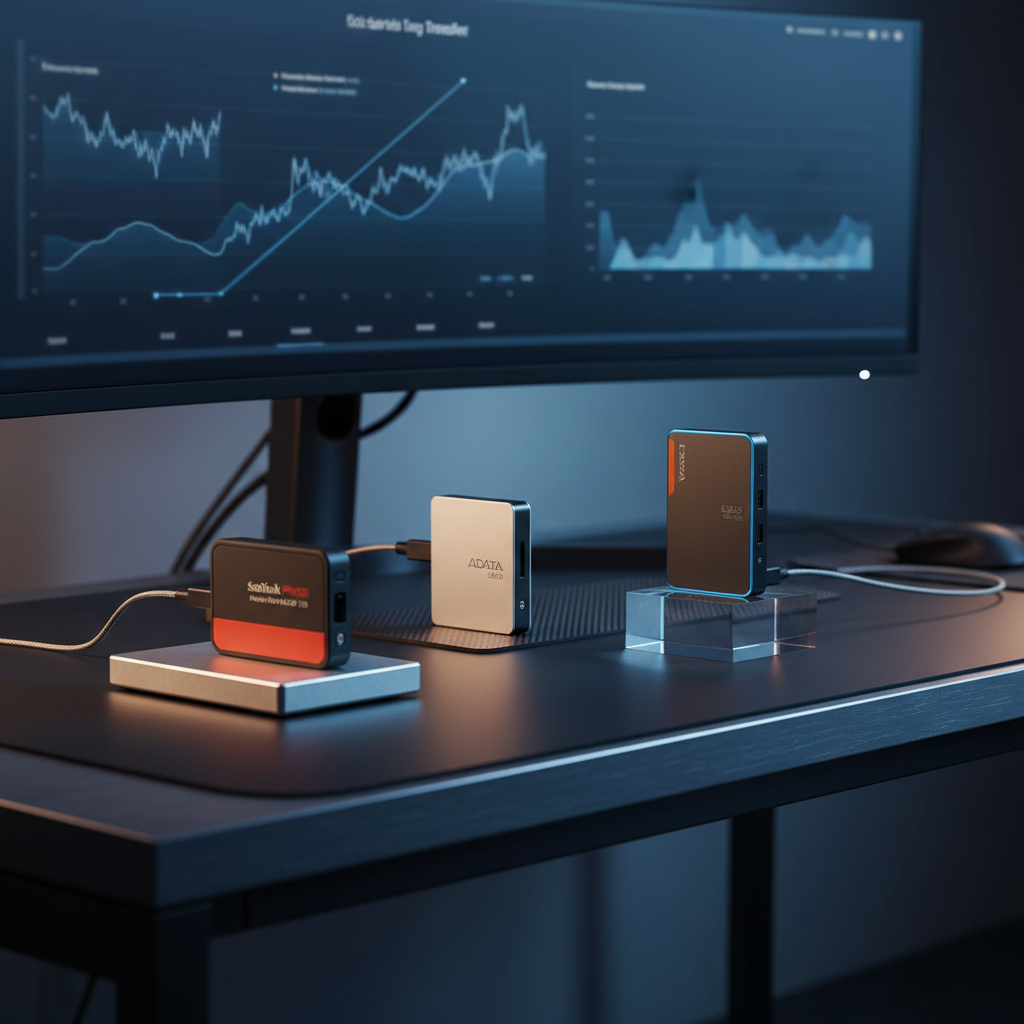
If you need an external SSD that can shift terabytes in a flash, the market now offers 13 models that push past the 2,000 MB/s threshold. The SanDisk Extreme PRO Portable SSD 1TB leads the pack with a 4.4‑star rating from 16,435 reviewers, while the Crucial X10 Pro 4TB boasts a quoted 2,100 MB/s sequential read speed.
We’ve grouped the lineup into three price tiers. On a budget, the ADATA SE880 500GB sells for $62.93, the Kingston XS2000 1TB for $199.00, and the Amazon Basics LSPSSD1TB 1TB for $199.49, all scoring 4.5 stars or higher. Mid‑range options include the SanDisk Extreme PRO 1TB at $224.99 and the WD BLACK P40 Game Drive 1TB at $219.72, each have a rating of around 4.6 stars. Premium picks such as the Lexar ES5 2TB ($399.99) and the Crucial X10 Pro 4TB ($518.99) push performance to 2,100 MB/s and carry 4.5‑plus star reviews.
Below we break down each model’s specs, strengths and who they’re best suited for.
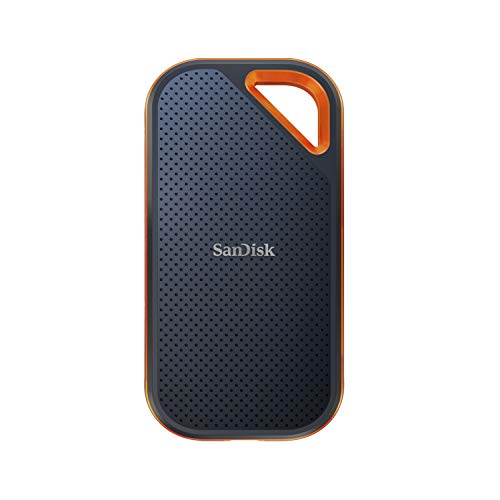
SanDisk Extreme PRO Portable SSD 1TB
Comes with both a USB‑C to USB‑A cable and a USB‑C to USB‑C cable, giving you flexible connectivity right out of the box.
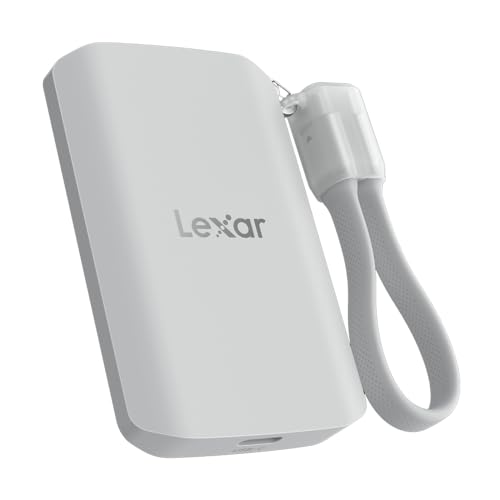
Lexar ES5 2TB
Ideal for audiophiles and enthusiasts who need premium sound‑grade storage, and they’ll pay about $175 more than the Best Overall model for the larger 2 TB capacity.

ADATA SE880 500GB
Stands out with a compact 12.25 mm height, making it ultra‑portable for tight spaces, and it costs under $63, which is cheaper than the other picks.
Also considered
Score Analysis
Key score advantages vs. runner-up (Lexar ES5 2TB)
Price Range
SanDisk Extreme PRO Portable SSD 1TB
$224.99
Lexar ES5 2TB
$399.99
ADATA SE880 500GB
$62.93

Amazon Basics 2TB External SSD
$284.99

Kingston XS2000
$149.99
Lexar ES5 1TB
$119.99

WD P40 Game Drive 1TB
$196.73

Transcend ESD410 2TB SSD
$489.99
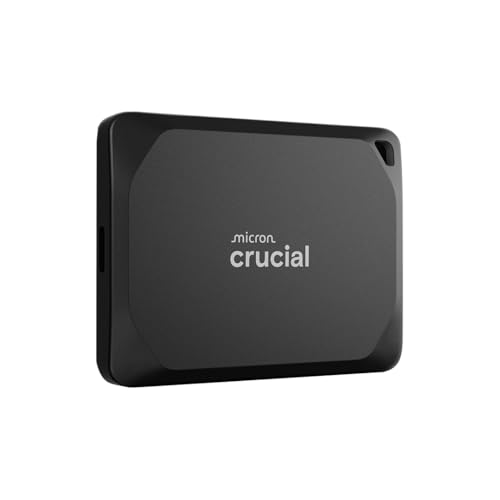
Crucial X10 Pro 4TB
$494.99

Amazon Basics LSPSSD1TB 1TB
$180.49

SanDisk Extreme PRO 4TB USB4
$758.81

SanDisk Creator Pro 1TB
$229.99

Fikwot 1TB SSD
$115.99
Spec Comparison
TL;DR: The SanDisk Extreme PRO 1 TB Portable SSD delivers up to 2000 MB/s read/write, survives 3 m drops, is IP65‑rated, and comes with a 5‑year warranty for $224.99.
What really sets this drive apart is its 2000 MB/s sequential read and write performance, paired with a full 1 TB of storage. The forged‑aluminum body wrapped in silicone rubber not only looks premium but also provides an IP65 dust‑ and water‑resistance rating and a 3 meter drop protection rating. At just 0.17 pounds (77.5 g), it's light enough for on‑the‑go creators, and the built‑in 256‑bit AES hardware encryption adds a layer of security for sensitive files.
Within the twelve SSDs in this roundup, the Extreme PRO matches the 2000 MB/s speed of the SanDisk Creator Pro, WD P40, Amazon Basics, Kingston, and Lexar models. It weighs about the same as the Creator Pro and WD P40, but it's heavier than the Amazon Basics and Kingston options and it's lighter than the Lexar model. Its 3 m drop protection exceeds the 2 m rating of the WD P40, and it’s the only drive that lists an IP65 rating, giving it a durability edge.
Customers consistently praise the ultra‑fast transfers and the rugged chassis, especially noting the convenience of the included USB‑C to USB‑A and USB‑C to USB‑C cables. Professional reviewers highlight the solid build and the generous five‑year warranty. On the downside, a number of users have reported firmware glitches that can render the drive unreadable after several months, and the exposed USB‑C port is prone to dust buildup. The lack of an activity LED and incompatibility with the latest iPhone 15/Pro series are also frequent complaints.
The drive runs on a NVMe‑based SSD behind a USB‑C 3.2 Gen 2x2 (20 Gbps) interface, drawing power directly from the host. It operates from 0 °C to 45 °C and can be stored from –20 °C to 85 °C. The SanDisk Memory Zone app is bundled for easy file organization, and the 256‑bit AES encryption works with Windows 8/10 and macOS 10.9+.
Pros
Cons
Best for: Professional photographers, videographers, and content creators who need rapid off‑loading of large files.
Avoid if: You need Apple iPhone 15/Pro compatibility, full macOS speed, or cannot tolerate potential firmware reliability concerns.
“Transfers 4K video files in seconds”
“Love the included cables — no need to carry adapters”
TL;DR: The Lexar ES5 2TB delivers up to 2000 MB/s sequential speeds, a magnetic MagSafe‑compatible body and IP65 protection, but you need a USB 3.2 Gen 2×2 host to unlock its full performance.
The drive’s headline numbers impress: CrystalDiskMark records 2135 MB/s read and 1911 MB/s write, while the manufacturer claims up to 2000 MB/s for both sequential read and write. A 102 GB pSLC cache helps sustain those bursts, and the unit survives drops from 3000 mm with an IP65 dust‑and‑water rating. Lexar also backs the SSD with a 5‑year limited warranty and 256‑bit AES encryption.
At 0.2645547144 pounds, the ES5 is noticeably heavier than the Amazon Basics (0.1168670450862 pounds) and Transcend (0.1433004703 pounds) models, and its 85 mm height exceeds the 9.9 mm profile of the Amazon Basics and the 10 mm height of the Crucial X10 Pro. Its 11 mm depth is slightly deeper than the 10.2 mm depth of the SanDisk Extreme PRO, while the 54 mm width sits between the 42 mm width of the Transcend and the 57.4 mm width of the SanDisk Extreme PRO. Thus, the Lexar is a bit bulkier than many of its peers, but it compensates with a solid build and magnetic attachment.
Professional reviewers praise the magnetic MagSafe‑compatible ring for easy iPhone mounting and note the SSD’s rugged IP65 shell as a real advantage for on‑the‑go video work. Everyday users echo the sentiment, highlighting the “blazing” transfer speeds and the convenience of the included USB‑C cable that doubles as a lanyard. However, many Macs cap at roughly 1000 MB/s because they lack a native USB 3.2 Gen 2×2 port, and the lack of Thunderbolt or USB4 limits future‑proofing for high‑end Mac users.
Pros
Cons
Best for: Mobile filmmakers and content creators who need fast, rugged storage for Apple ProRes or Samsung 8K video recording.
Avoid if: Your primary devices lack USB 3.2 Gen 2×2 ports, you require Thunderbolt/USB4 bandwidth, or you’re on a tight budget.
“Incredibly fast transfers—moved a 100GB project in under 2 minutes”
“Stays attached to my iPhone even when walking”
TL;DR: The ADATA SE880 500 GB delivers up to 2,000 MB/s read/write speeds in a pocket‑sized, 31 g magnesium‑alloy case for just $62.93, making it a fast and affordable portable SSD.
What really stands out is the quoted sequential performance of 2,000 MB/s for both reads and writes, backed by CrystalDiskMark results of 1,978 MB/s read and 1,765 MB/s write. It runs over a USB 3.2 Gen 2x2 (20 Gbps) interface and fits in a tiny 12.25 mm × 35 mm × 64.8 mm chassis that weighs only 31 g (0.15625 pounds). The magnesium‑alloy body with blue LED gives it a premium feel while staying lightweight.
At $62.93 it’s considerably cheaper than most of the 1 TB rivals in this roundup. Weighing 31 g, it’s lighter than the Lexar ES5 (0.2403 pounds) but a touch heavier than the Kingston XS2000 (0.12 pounds). Its height of 12.25 mm is taller than the ultra‑thin 7.9 mm Fikwot, yet its overall footprint remains smaller than many bulkier competitors.
Users consistently praise the SSD’s “lightning‑quick” file transfers and its pocket‑sized convenience for on‑the‑go work, especially with Macs, consoles and the new iPhone 15. Professional reviewers note the blistering speeds and plug‑and‑play ease, but they also flag a noticeable drop in sustained write performance after roughly 50 GB due to limited cache. Many users complain about the lack of hardware AES encryption and the plastic endcaps, and full 2,000 MB/s speeds require a USB 3.2 Gen 2x2 host.
Additional technical details include a 300 TBW endurance rating, operating temperature range from 5 °C to 50 °C, and a 5‑year limited warranty from ADATA. The package comes with USB‑C to USB‑C and USB‑C to USB‑A cables, and it supports Windows, macOS, Linux, Android, as well as Xbox Series X|S, PlayStation 5 and iPad Pro.
Pros
Cons
Best for: Mobile professionals and light content creators who need fast, portable storage without breaking the bank.
Avoid if: You require heavy‑duty video editing performance, hardware encryption, or a rugged, fully metal‑cased drive.
TL;DR: The Amazon Basics 2TB External SSD delivers advertised 2000 MB/s read/write speeds in a ultra‑compact, IP65‑rated metal case for $294.49, earning a 4.7‑star rating from 576 reviewers.
This SSD’s standout spec is its dual‑rated 2000 MB/s sequential read and write performance, paired with a USB 3.2 Gen 2 (USB‑C) interface. The drive sits at just 9.9 mm thick and measures 59.2 mm on each side, while weighing only 53.01 g, making it easy to slip into a pocket or backpack. Its metal casing, finished with scratch‑resistant polymer, also carries an IP65 rating, meaning it resists dust and water splashes—a rare combination for portable storage.
Compared with the other twelve entries in this roundup, the Amazon Basics model is lighter than the SanDisk Extreme PRO, SanDisk Creator Pro, and WD P40 drives, all of which tip the scales at around 77–78 g. It’s a hair heavier than the 1TB Amazon Basics sibling (about 51.8 g) but still undercuts the bulkier Lexar ES5, which weighs 120 g. In terms of features, it includes both a USB‑C‑to‑USB‑A and a USB‑C‑to‑USB‑C cable—something reviewers note as a rarity among peers.
Professional reviewers praise the SSD’s fast‑transfer claims and the durability of its metal shell, while everyday users love the portable size and the confidence that comes with an IP65 rating. The same sources, however, point out that real‑world transfers often fall short of the headline 2000 MB/s, and the unit can feel warm during long, intensive copies. Stock shortages have also been a recurring complaint, so you might need to keep an eye on availability.
Pros
Cons
Best for: Buyers willing to invest in a proven, high‑quality option
Avoid if: You're on a tight budget or only need basic functionality
“Extremely fast – my 100GB video project backed up in under 2 minutes.”
“Not reaching 2000MB/s – I’m getting around 800–1000MB/s on my PC.”
TL;DR: The Kingston XS2000 1 TB portable SSD packs up to 2 000 MB/s read speed into a 0.12‑lb, IP55‑rated case, making it a fast, rugged choice for creators who can tap a USB 3.2 Gen 2x2 port.
What really stands out is the claimed sequential read performance of up to 2 000 MB/s, with a reported speed of 1 987 MB/s. The drive also offers a rated write speed of up to 2 000 MB/s, though reported speeds are 1 691–1 792 MB/s. At just 0.12 pounds and measuring 69.6 mm × 13.5 mm × 32.5 mm, it slips easily into a pocket, and the IP55 rating plus a removable rubber sleeve add confidence against dust and splashes.
Compared with the other 12 SSDs in this roundup, the XS2000 is lighter than the WD P40 (0.17 lb) and the SanDisk Extreme PRO (0.17 lb), yet a shade heavier than the Amazon Basics model (≈0.114 lb). Its height of 13.5 mm sits between the Amazon Basics’ 9.9 mm and the WD P40’s 13 mm, while its width of 32.5 mm is notably narrower than the SanDisk Extreme PRO’s 57.4 mm. Speed‑wise, its 2 000 MB/s read rating matches the Amazon Basics, WD P40, SanDisk Creator Pro, and Lexar ES5, but its write performance falls short of the 2 000 MB/s write figures listed for those peers.
User sentiment repeatedly praises the SSD’s rapid file transfers and pocket‑sized durability, especially for on‑the‑go photo and video work. Professional reviewers echo the same points, highlighting the Silicon Motion SM2320 controller and Micron 96‑layer 3D TLC NAND as drivers of the near‑2 GB/s reads. The main criticisms focus on the need for a USB 3.2 Gen 2x2 (20 Gbps) port to unlock full speed and the absence of hardware‑based AES encryption, which some users expect for sensitive data.
Technically, the drive runs exFAT out of the box, operates from 0 °C to 70 °C, and can be stored between –20 °C and 85 °C. Kingston backs it with a 5‑year limited warranty, reinforcing its position as a long‑term storage companion for creators who value both speed and ruggedness.
Pros
Cons
Best for: Budget-conscious buyers seeking a reliable entry-level option
Avoid if: You need advanced features or professional‑grade performance
“Incredibly fast—transferred a 20GB video project in under 20 seconds”
“Fits in my pocket and survived a rainstorm during a shoot”
TL;DR: The Lexar ES5 1TB delivers up to 2000 MB/s read/write speeds, IP65 protection and a magnetic iPhone mount, making it a rugged, fast‑transfer SSD for on‑the‑go creators.
The standout spec is the USB 3.2 Gen 2×2 interface that tops out at 2000 MB/s for both reading and writing, matching the highest advertised speeds among the 13‑unit roundup. It also ships with a magnetic metal ring that lets you snap the drive onto MagSafe‑compatible iPhones for direct ProRes capture, a feature you won’t find on most competitors.
In a side‑by‑side look, the Lexar’s 80 g weight is heavier than the ADATA SE880’s 31 g chassis but lighter than the Fikwot’s 130.4 g unit, placing it in the middle of the pack. Its 3‑meter drop resistance outperforms the WD P40’s 2‑meter shock rating, and the IP65 dust‑and‑water seal adds durability that several peers don’t list. Speed‑wise, it ties with the Fikwot and ADATA, both of which also claim 2000 MB/s reads, but it edges them by offering a dedicated magnetic mount for iPhone creators.
Reviewers consistently praise the magnetic attachment and the rugged build, noting that field shooters can mount the SSD directly to an iPhone 15 Pro and capture 4K 120 FPS ProRes without a separate rig. Professional outlets highlight the “professional‑grade performance” and the 256‑bit AES hardware encryption for data security. On the flip side, many macOS users report real‑world speeds hovering around 1000 MB/s due to driver limits, and the silicone coating tends to attract lint. The drive also lacks Thunderbolt support, which some power users consider a missed opportunity.
Pros
Cons
Best for: Mobile filmmakers, vloggers, and travelers who need fast transfers, rugged protection and magnetic iPhone mounting on a budget.
Avoid if: You require Thunderbolt‑level throughput, the absolute lightest chassis, or consistently maxed‑out speeds on macOS.
“Incredibly fast transfers—moved a 100GB project in under 2 minutes”
“Stays attached to my iPhone even when walking”
TL;DR: The WD_BLACK P40 Game Drive 1TB delivers up to 2000 MB/s read/write speeds, a rugged aluminum case with 2‑meter drop resistance, and a 5‑year limited warranty for a price of $219.72.
The drive’s headline spec advertises 2000 MB/s sequential read and write performance, thanks to a USB 3.2 Gen 2x2 (20 Gbps) interface and a PCIe 3.0 x4 WD SN560E controller paired with TLC 3D NAND. Its compact metal shell measures just 13 mm in height, 107 mm in length and 50.8 mm in width, and it weighs 78.5 grams (0.17 pounds), making it sturdy yet portable.
Compared with the other twelve SSDs in this roundup, the P40 is a bit heavier than the SanDisk Creator Pro (77.5 g) but lighter than the Lexar ES5 (0.2403 pounds). Its 2‑meter drop resistance sits between the 3‑meter protection of the SanDisk Extreme PRO and the lower‑profile Amazon Basics models, which drop‑proof specs aren’t listed. While its dimensions are larger than the ultra‑thin Amazon Basics LSPSSD1TB (9.9 mm tall), the P40 still fits easily in a gaming bag and offers a full‑size 1 TB capacity.
Users consistently praise the lightning‑fast transfers, noting that large game libraries move in minutes. Professional reviewers highlight the solid aluminum build and the fact that random‑write performance exceeds many rivals. However, several owners report thermal throttling that can dip speeds to around 527 MB/s after prolonged use, and the RGB lighting only customizes through the Windows‑only WD_BLACK Dashboard, which limits macOS users.
Beyond speed, the drive lacks a DRAM cache and hardware encryption, relying on the controller’s firmware for data management. The included USB‑C to USB‑C cable (≈60 cm) and a USB‑C to USB‑A adapter ensure compatibility with Xbox One, Xbox Series X|S, PlayStation 4, PlayStation 5, Windows, macOS and Linux. Operating temperatures range from 0 °C to 45 °C, and it can survive storage temperatures as low as –20 °C up to 65 °C.
Pros
Cons
Best for: Gamers and creators who want a well‑reviewed, fast external SSD with eye‑catching RGB and strong drop protection.
Avoid if: You need cross‑platform encryption, or you plan to run the drive on consoles that lack USB 3.2 Gen 2x2 ports.
“Transfers my Steam library in minutes”
“Looks amazing on my desk with the RGB”
TL;DR: The Transcend ESD410 2TB SSD delivers up to 2000 MB/s read/write speeds, a rugged 3‑meter drop rating and IPX5 water resistance, but its premium $489.99 price may deter budget‑focused buyers.
What really sets this drive apart is its USB 3.2 Gen 2x2 interface that pushes a maximum read and write speed of 2000 MB/s, and includes a 64 GB pSLC cache and 3D NAND flash. The unit measures just 14.5 mm × 79 mm × 42 mm and weighs 0.1433004703 pounds (65 g), yet it can survive a 3‑meter drop and an IPX5 splash, making it one of the most durable SSDs in the lineup.
Compared with its peers, the ESD410 is heavier than the Amazon Basics 2TB SSD (0.1168670450862 pounds) and the Crucial X10 Pro (0.09259415004 pounds), but it offers a longer drop resistance than the Crucial (2.3 m) and matches the Lexar ES5’s 3 m rating. Its 2000 MB/s ceiling is on par with the Amazon Basics and SanDisk Creator Pro, while the Crucial X10 Pro edges ahead with a 2,100 MB/s sequential read. The Lexar ES5 claims a slightly higher crystal read of 2135 MB/s, but the Transcend still ranks near the top of the speed band.
User feedback repeatedly praises the “lightning‑quick” transfers and the rugged feel, especially for on‑the‑go 4K/8K footage offloading. Professional reviewers note the drive hits roughly 1910 MB/s read and 1687 MB/s write in benchmark tests, and it sustains about 1128 MB/s after the cache fills. The downside that surfaces in many comments is noticeable heat during long, high‑speed sessions and the need for a USB‑C‑to‑USB‑C cable to unlock the full 20 Gbps bandwidth.
Beyond speed, the SSD runs on a 5 V supply, operates from 0 °C to 60 °C and carries a 5‑year limited warranty. The combination of a 64 GB pSLC cache, MIL‑STD‑810G‑grade drop protection and IPX5 water resistance makes it a solid choice for creators who travel, shoot in harsh environments, or need a reliable backup on the road.
Pros
Cons
Best for: Those prioritizing quality and willing to pay for premium performance
Avoid if: You're shopping on a tight budget — it's priced at $489.99
TL;DR: The Crucial X10 Pro 4TB packs 2,100 MB/s read, 2,000 MB/s write speeds into a 10 mm‑thin, 42 g, IP55‑rated shell, but you’ll need a USB 3.2 Gen 2x2 port to unlock its full potential.
The standout spec is the 2,100 MB/s maximum sequential read speed, paired with a 4 TB capacity that fits into a 10 mm‑thin, 65 mm‑long, 50 mm‑wide chassis. At just 0.09259415004 pounds (42 g), it’s one of the lightest drives in this roundup, lighter than the Amazon Basics 2TB SSD and far lighter than the Lexar ES5.
Compared with its peers, the X10 Pro is more compact than the Transcend ESD410’s 14.5 mm height and slimmer than the Lexar ES5’s 85 mm depth. Its read speed sits just below the Lexar ES5’s 2,135 MB/s but its 2,000 MB/s write speed exceeds Lexar’s 1,911 MB/s. Its 2.3 m drop‑resistance rating sits a bit lower than Transcend’s 3 m, yet it still outperforms the SanDisk Extreme PRO 4TB’s 2 m rating, and the drive uniquely carries an IP55 dust‑ and water‑resistance rating that none of the other listed SSDs mention.
Users rave about the drive’s tiny footprint and the ability to edit 4K video straight from the SSD, praising the 256‑bit AES hardware encryption and password protection for added peace of mind. However, many note that the USB 3.2 Gen 2x2 interface isn’t common on older laptops or most Macs, so real‑world speeds often cap at 10 Gbps. A minority of owners have reported early failures around the 80 % capacity mark, and Mac users with Thunderbolt/USB4 ports experience lower speeds.
Under the hood, the X10 Pro runs on a PCIe 3.0 x4 bus with a Silicon Motion controller and 3D TLC NAND flash. It draws power directly from the USB connection, includes a 3‑month Mylio Photos Plus subscription, and ships pre‑formatted in exFAT with downloadable Acronis True Image software. The 5‑year limited manufacturer warranty rounds out a feature‑rich package for creators who value portability and security.
Pros
Cons
Best for: Those prioritizing quality and willing to pay for premium performance
Avoid if: You need advanced features or professional‑grade performance
“Incredibly fast and small — perfect for travel.”
“No issues with editing 4K video directly from the drive.”
TL;DR: The Amazon Basics 1 TB Portable SSD offers a 2000 MB/s read speed, a sleek 9.9 mm profile and a $199.49 price tag, making it a solid budget‑friendly choice for fast transfers.
The advertised 2000 MB/s sequential read speed pairs with a 20 Gbps theoretical bandwidth, all packed into a 9.9 mm‑thin metal case. At 0.114199451716 pounds, it feels almost weightless in the hand, and the included USB‑C to USB‑A and USB‑C to USB‑C cables let you connect to almost any modern device. The drive also carries a 1 TB capacity, giving you plenty of room for 4K video, game libraries or large project files.
Compared with the other 12 SSDs in this roundup, the Amazon Basics model weighs less than the Kingston XS2000 and has a slimmer profile than the WD P40 Game Drive, which has a thicker profile. It falls in a similar price bracket to those competitors, but the warranty lasts only a 1‑year limited term, whereas many rivals list five‑year coverage. This shorter warranty represents the main trade‑off for the lower price point.
Customer feedback consistently praises the drive’s speed and pocket‑sized form factor, though several reviewers note that real‑world transfer rates can dip below the 2000 MB/s claim on older USB ports. Professional reviewers have highlighted the IP65 dust‑ and water‑resistance rating and the sturdy metal enclosure as unexpected durability perks for a budget SSD. The dual‑lane USB 3.2 Gen 2x2 interface means you’ll hit the full 2000 MB/s read and up to 2000 MB/s write speeds when paired with a compatible host, while the Indian market model advertises a 1900 MB/s write speed.
Pros
Cons
Best for: Budget‑conscious buyers seeking a reliable entry‑level option
Avoid if: You need advanced features or professional‑grade performance
“Extremely fast – my 100GB video project backed up in under 2 minutes.”
“Not reaching 2000MB/s – I’m getting around 800–1000MB/s on my PC.”
TL;DR: The SanDisk Extreme PRO 4TB USB4 SSD delivers up to 3800 MB/s reads, 3700 MB/s writes, IP65‑rated durability, and a 5‑year warranty, but its $649.99 price places it in the premium tier.
The standout specification is the USB4 interface that tops out at 40 Gbps, enabling a quoted maximum read speed of 3800 MB/s and a maximum write speed of 3700 MB/s. Coupled with a forged aluminum chassis, textured silicone shell, and an IP65 rating, the drive can survive a 2‑meter drop while weighing just 0.38 lb. The included 12‑inch USB‑C cable makes it bus‑powered, so you won’t need an extra power brick.
Compared with the other twelve SSDs in this roundup, the Extreme PRO is noticeably larger and heavier than the ultra‑slim 2‑TB options, and it carries a higher price tag. While many peers sit under a pound and sport a 10‑mm profile, this model’s 3.97‑inch height and 0.38‑inch depth give it a more substantial feel. The trade‑off is the speed edge: no other drive listed here reaches the 3800 MB/s read ceiling, making it the fastest option among the group.
Consumer sentiment highlights the drive’s “near‑internal SSD” performance, especially for 4K/8K video editing and large‑file transfers on location. Reviewers also appreciate the plug‑and‑play experience and the peace of mind from 256‑bit AES hardware encryption. A recurring theme notes that the drive throttles to lower USB speeds when the host doesn’t fully support USB4 or Thunderbolt 4, often prompting a BIOS or firmware update to unlock full bandwidth.
From a technical standpoint, the SSD uses a PCIe‑based 2280 form factor and offers 5 years of manufacturer warranty. The 12‑inch cable length provides enough reach for most desktop setups, and the bus‑powered design keeps your workspace tidy. With compatibility across any USB‑C device, including Xbox Series X|S and PlayStation 5, it’s a versatile tool for both creative professionals and power gamers.
Pros
Cons
Best for: Those prioritizing quality and willing to pay for premium performance
Avoid if: You're shopping on a tight budget — it's priced at $649.99
“Transfers 4K video files in seconds”
“Love the included cables — no need to carry adapters”
TL;DR: The SanDisk Creator Pro 1TB delivers 2000 MB/s read/write speeds in a compact, IP65‑rated aluminum case, but you’ll need a USB 3.2 Gen 2x2 port to unlock its full potential.
The standout spec offers the advertised 2000 MB/s sequential read and write performance, which a USB‑C 3.2 Gen 2x2 (20 Gbps) interface enables. Combined with an IP65 dust‑ and water‑resistance rating and 3.0 m drop protection, the drive serves on‑location shoots where both speed and durability matter.
In practice, its 77.5 g weight and 9.7 mm width make it as lightweight as the WD P40 and SanDisk Extreme PRO, yet its 52.6 mm height measures shorter than the Extreme PRO’s 110.2 mm height. Compared with the Amazon Basics LSPSSD1TB, it’s a bit heavier but offers a rugged aluminum chassis that reviewers say helps keep temperatures down during long transfers. The drop resistance matches the 3 m protection found on the Extreme PRO and Lexar ES5, placing it solidly among the more rugged peers.
Users consistently praise the “blazing‑fast” transfers and the included one‑month Adobe Creative Cloud subscription as a nice creative‑tool perk. Professional reviewers highlight the forged aluminum body for preventing thermal throttling. Common complaints focus on the need for a USB 3.2 Gen 2x2 host to reach the full 2000 MB/s speed, the lack of hardware encryption, and occasional warmth during extended use.
Pros
Cons
Best for: Professional videographers, photographers, and AI content creators who need fast, rugged portable storage and appreciate the Adobe subscription bonus.
Avoid if: Your computer lacks a USB 3.2 Gen 2x2 port, you require built‑in hardware encryption, or you’re looking for the lowest‑price option.
TL;DR: The Fikwot FP80 1TB SSD packs a 2000 MB/s USB‑C read rate into a slim 7.9 mm aluminum case for $105.99, but it’s heavier than many rivals and drops to about 1000 MB/s on the included USB‑A cable.
The headline spec is the 2000 MB/s maximum read speed when you connect the drive with the supplied USB‑C to USB‑C cable, thanks to the USB 3.2 Gen 2x2 (20 Gbps) interface. At just 7.9 mm thick, the aluminum‑alloy enclosure is one of the thinnest in this lineup, and the drive weighs 130.4 g (0.5Kilograms), giving it a solid, pocket‑ready feel.
Compared with the other 12 SSDs, the Fikwot is longer than the Lexar ES5 (99.9 mm vs 85 mm) and the WD P40 (107 mm), but it’s noticeably thinner than Lexar’s 11 mm height. Its width of 49.9 mm sits between Lexar’s 54 mm and the ADATA SE880’s 35 mm. In weight, the Fikwot’s 130.4 g is heavier than the Lexar (80 g), ADATA (31 g), Kingston (54 g), Amazon Basics (≈0.114 lb), WD P40 (78.5 g) and SanDisk Creator Pro (77.5 g), making it one of the bulkier options despite its sleek profile.
Users consistently praise the drive’s “blazing” transfer speeds when paired with a Gen 2x2‑capable host, noting how quickly 4K video files move onto the drive. The aluminum body and dust‑resistant rating also earn compliments for durability on the go. Common complaints focus on the speed dip to roughly 1000 MB/s with the included USB‑A to USB‑C cable, the absence of a built‑in carrying case, and the lack of hardware encryption or Thunderbolt support, which some power users miss.
Beyond speed, the FP80 offers plug‑and‑play operation across consoles (PS5, PS4 Pro, Xbox), smartphones (iPhone 15/16, Android OTG), Smart TVs, tablets, laptops and cameras, and it carries a 5‑year warranty. The dust‑ and shock‑resistant design, combined with the aluminum heat‑sink, aims to keep the drive cool during intensive transfers.
Pros
Cons
Best for: Entry-level buyers or those on a tight budget
Avoid if: You need advanced features or professional‑grade performance
“Transferred a 20GB 4K video in under 20 seconds!”
“Fits perfectly in my pocket and survived a drop from my desk”
Breakdown
SanDisk Extreme PRO Portable SSD 1TB
Pros
Lexar ES5 2TB
Pros
ADATA SE880 500GB
Pros
Amazon Basics 2TB External SSD
Pros
Based on scoring data and product specs
Personalized picks
Best Overall Pick
SanDisk Extreme PRO Portable SSD 1TB
Best OverallBest for: Most users looking for a well-reviewed, reliable mainstream option
Lexar ES5 2TB
Best for: Audiophiles and enthusiasts seeking premium sound quality and advanced features
$399.99+$175.00 vs winner
Skip Fikwot 1TB SSD if…
You need advanced features or professional-grade performance
SanDisk’s Extreme PRO Portable SSD 1TB leads the pack, thanks to its blazing 2000 MB/s sequential read and write speeds, a rugged forged‑aluminum body with an IP65 rating, and a 5‑year limited warranty that backs its durability. At just 0.17 pounds (77.5 g), it’s light enough for on‑the‑go use while still protecting your data with 256‑bit AES hardware encryption.
The Lexar ES5 2TB ranks second, ideal for creators who need extra capacity and iPhone 15/16/17 Pro video support. It offers a manufacturer‑claimed 2000 MB/s read speed, IP65 protection, and a MagSafe‑compatible, liquid‑silicone design that can handle drops from 3000 mm—perfect for field shooting and 4K 120 FPS ProRes recording.
Looking for alternatives on a budget? The ADATA SE880 500GB offers the most affordable fast SSD at $62.93, delivering solid performance without breaking the bank. If you want premium capacity, the SanDisk Extreme PRO 4TB USB4 version tops out at $649.99, giving you massive storage for high‑resolution workflows while retaining the same rugged build and speed pedigree.
Pick the SanDisk Extreme PRO 1TB today for the fastest, most reliable portable storage you can trust.
Both the SanDisk Extreme PRO Portable SSD (IP65 rating and 3 m drop protection) and the Lexar ES5 2TB (IP65 rating and 3 m drop resistance) are built for harsh conditions, but the SanDisk’s forged‑aluminum body is slightly lighter at 77.5 g versus Lexar’s 120 g, which may matter on long hikes.
Please sign in to leave a review
No reviews yet. Be the first to review!
