When you need to move 4K video clips, large photo libraries, or game saves in a flash of light, the right USB stick can save you minutes—or hours. We’ve lined up 13 flash drives that all claim at least 300 MB/s read performance, then sliced them into budget, mid‑range and premium buckets so you can spot the sweet spot for your wallet.
On the budget end, the Samsung BAR Plus 128 GB sells for $21.49 and carries a 4.7/5 rating from 49,602 reviewers, while the PNY Pro Elite 256 GB sits at $29.48 with a 4.5/5 score. Mid‑range picks include the Samsung FIT Plus 512 GB at $69.99 (4.7/5) and the Transcend JF920 128 GB for $45.90 (4.4/5), both promising up to 400 MB/s sequential reads. If you’re chasing SSD‑like speeds, the premium tier offers the Kingston DataTraveler Max 1 TB at $110.67 with a listed 1,000 MB/s read rate and a solid 4.5/5 rating from 1,999 users, alongside the SanDisk Extreme PRO 512 GB Dual at $129.99.
Below you’ll see how each model stacks up on speed, durability and price, so you can pick the drive that fits your workflow.

Samsung FIT Plus 512GB
Its ultra‑thin 2.54 mm profile lets it slip into tight spaces, delivering high‑speed storage without bulk.

Samsung Type-C 512GB
Audiophiles and enthusiasts appreciate its Type‑C connections, and it costs $35 more than the Best Overall at $104.99.

Samsung BAR Plus 128GB
The larger 11.9 mm, 40.1 mm metal body offers rugged durability at $21.49, a clear trade‑off from the slimmer, pricier models.
Also considered
Score Analysis
Key score advantages vs. runner-up (Samsung Type-C 512GB)
Price Range
Samsung FIT Plus 512GB
$69.99
Samsung Type-C 512GB
$104.99
Samsung BAR Plus 128GB
$21.49

SanDisk Extreme PRO 512GB Dual
$132.99

SanDisk Ultra Fit 512GB
$70.40

Garmese USB-C SSD 256GB
$42.99

Transcend JF920 128GB
$27.64
PNY Pro Elite 256GB
$28.83
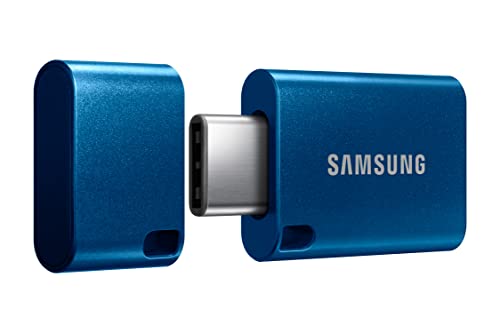
Samsung Type-C 128GB
$31.99

Kingston DataTraveler Max 1TB
$110.67

PNY Pro Elite 128GB
$21.72

SSK 2TB Dual USB-C
$235.99

SSK Dual USB-C 128GB
$36.99
Spec Comparison
TL;DR: The Samsung FIT Plus 512 GB flash drive delivers up to 400 MB/s read/write speeds in a metal‑cased, 2.54 mm‑thin package that survives water, shock, magnets and extreme temperatures.
What really sets this drive apart is its claimed sequential read and write speed of up to 400 MB/s while fitting into a 2.54 mm‑high, 23.62 mm‑long, 18.80 mm‑wide metal shell that weighs just 3.10 g (0.006834330122 lb). The five‑way protection—15000 gauss magnet resistance, 1500 G shock tolerance, waterproof to 1 meter for 72 hours, temperature range from –10 °C to 70 °C (non‑operating) and 100 mGy X‑ray resistance—makes it one of the most rugged USB‑A sticks on the market.
Compared with other flash drives in this roundup, the FIT Plus is noticeably lighter than the SanDisk Ultra Fit (0.0220462262 lb vs 0.006834330122 lb) and slimmer than the Transcend JF920 (5.1 mm vs 2.54 mm height). It also undercuts the Samsung Type‑C 512 GB in weight (0.007495716908 lb for the Type‑C versus 0.006834330122 lb here) while offering the same 512 GB capacity. Unlike many competitors, it packs a sturdy metal casing and an integrated key ring for true plug‑and‑leave convenience.
Users have given the drive an average of 4.7 / 5 stars across 38,723 reviews, praising the up‑to‑400 MB/s large‑file transfers and the confidence that the rugged build can survive drops and spills. Professional reviewers note the consistently achievable 400 MB/s read speed on modern hosts, but they also point out that write performance can dip below 100 MB/s on older machines and that the lack of a USB‑C connector limits use with newer laptops.
Beyond speed, the FIT Plus benefits from a USB 3.2 Gen 1 (formerly USB 3.1 Gen 1) interface that remains backward compatible with USB 2.0, and Samsung’s Magician software for performance tuning and secure erase. The one‑year manufacturer warranty rounds out a package that’s built for creators moving 4K video, travelers needing a drop‑proof stash, and anyone who wants a discreet, high‑capacity stick that won’t protrude from tight USB ports.
Pros
Cons
Best for: Home and office users seeking a balance of features and value
Avoid if: You're shopping on a tight budget — it's priced at $69.99
“Transfers large video files in seconds—way faster than my old SanDisk.”
“Left it in my laptop for weeks—no issues, no breakage.”
TL;DR: The Samsung Type‑C 512 GB flash drive packs 400 MB/s read speed into a 3.4 g metal stick, offering rugged 5‑proof protection for creators who need fast, portable storage.
At the heart of this drive is a sequential read speed of 400 MB/s, paired with a USB 3.2 Gen 1 Type‑C connector that flips both ways. The metal housing measures just 33.8 mm × 16.0 mm × 2.54 mm and weighs only 3.4 g, making it easy to slip into a pocket or laptop bag without adding bulk.
Compared with the other twelve entries, the Samsung stick is lighter than the Kingston DataTraveler Max (which tips the scales at 12 g) and far lighter than the SanDisk Extreme PRO 512 GB (22.68 g). Its read speed matches the SanDisk Ultra Fit 512 GB’s 400 MB/s but falls short of Kingston’s 1,000 MB/s. While it generally carries a higher price tag than the Ultra Fit, it offers a metal build and USB‑C‑only design that many competitors lack.
Reviewers consistently applaud the drive’s speed when moving large 4K video files and its sturdy metal finish, noting that the reversible USB‑C plug works flawlessly with modern laptops. The most common gripes revolve around the 110 MB/s write speed, the capless connector that can gather lint, and the need for an adapter on legacy USB‑A ports. Professionals who frequently off‑load high‑resolution media appreciate the 5‑proof durability: 15000 gauss magnet resistance, 1500 G shock resistance, waterproof depth of 1 meter for up to 72 hours, and 100 mGy X‑ray resistance.
Pros
Cons
Best for: Content creators, photographers, and videographers who need fast 4K off‑load and a rugged, pocket‑sized drive.
Avoid if: You rely heavily on legacy USB‑A ports, need high write speeds for large backups, or are looking for the lowest‑cost option.
“lets you transfer big files between computers, back up data, or even boot a PC”
“Users frequently commend the drive’s speed, noting quick transfers of large video and photo libraries.”
TL;DR: The Samsung BAR Plus 128 GB USB‑A flash drive delivers 400 MB/s read speeds, a rugged metal body, and a 5‑year warranty at a budget‑friendly $21.49, making it a solid everyday storage choice.
The drive’s standout spec is its advertised sequential read speed of up to 400 MB/s, which lets large files copy in seconds. It packs that speed into a 0.0025‑pound, 11.9 mm‑high metal unibody that resists up to 15,000 gauss magnetic fields, 1500 G shocks, 72 hours of seawater immersion, and 50 Roentgen X‑ray exposure. The 128 GB capacity and USB 3.1 Gen 1 interface round out a package aimed at fast, reliable transfers.
Compared with the PNY Pro Elite 128 GB, which weighs 0.000625 pounds, the BAR Plus weighs more yet matches the claimed 400 MB/s read speed. Its write speed of up to 60 MB/s runs notably slower than the PNY’s 180 MB/s, so pure write‑throughput isn’t its strong suit. Against Samsung’s own Type‑C 128 GB model (weight 0.007495716908 pounds), the BAR Plus weighs less while offering the same read speed, though the Type‑C’s write speed isn’t listed for direct comparison.
Users consistently praise the plug‑and‑play ease, the sleek champagne‑silver metal finish, and the integrated keyring loop that keeps the drive from getting lost. Reviewers highlight the confidence that comes from its military‑grade durability, especially when it survives drops or accidental water exposure. The most common complaints focus on the slower write performance, the absence of built‑in encryption, and the metal body feeling cold or becoming slippery when handled.
Beyond speed, the BAR Plus runs from –25 °C to 85 °C, includes Samsung’s V‑NAND and DRAM, and carries a five‑year warranty—an assurance that many budget‑oriented drives lack. Its USB‑A connector ensures compatibility with PCs, Macs, smart TVs, and in‑car entertainment systems, making it a versatile choice for a wide range of devices.
Pros
Cons
Best for: Budget‑friendly students, professionals, and travelers who need fast read access and a durable, portable drive.
Avoid if: You require high write throughput, built‑in encryption, or a USB‑C connector.
“Even your grandma can use this”
“Sleek, compact, and very portable”
TL;DR: The SanDisk Extreme PRO 512 GB Dual flash drive delivers 1000 MB/s read and 900 MB/s write speeds in a rugged metal case, but its premium $129.99 price may deter budget shoppers.
What really sets this drive apart is its advertised sequential performance – 1000 MB/s read and 900 MB/s write – paired with a USB 3.2 Gen 2 interface and dual USB‑C/USB‑A connectors. The full‑metal enclosure and swivel mechanism give it a solid, premium feel, while the 0.05 lb (22.68 g) weight keeps it portable enough for a laptop bag.
Compared with the other 12 flash drives in the roundup, the Extreme PRO matches the Kingston DataTraveler Max’s 1000 MB/s read speed, but it tops the Samsung Type‑C 512 GB’s 400 MB/s read. It’s bulkier than the ultra‑thin SanDisk Ultra Fit (5.1 mm tall) and heavier than the Samsung Type‑C (0.0075 lb), yet it’s slightly shorter than Kingston’s 82.17 mm length at 80 mm. The metal body also makes it heavier than many plastic‑cased peers.
Reviewers consistently praise the drive’s ability to move large 4K‑video files in seconds, noting that the 128‑bit AES hardware encryption adds peace of mind for sensitive work. Professional reviewers highlight the near‑advertised sequential speeds in benchmark tools, while everyday users love the convenience of the dual‑connector design. The main complaints center on the modest 16.39 MB/s random 4K read speed and the drive warming up during prolonged transfers.
On the technical side, the drive offers 0.204 ms read and 0.292 ms write access times, 13,144 IOPS read and 8,361 IOPS write for random 4K workloads, and a 63.04 MB/s random 4K write speed. The included SanDisk app and RescuePRO Deluxe software round out the feature set, and the lifetime limited warranty underscores SanDisk’s confidence in durability.
Pros
Cons
Best for: Creative professionals and videographers who need fast, reliable transfers of large media files and value built‑in hardware encryption.
Avoid if: You're shopping on a tight budget — it's priced at $129.99.
“Users appreciate the seamless transfer between MacBook (USB-C) and older Windows PCs (USB-A).”
“One user mentioned confusion about software setup for encryption, requiring a visit to SanDisk’s support site.”
TL;DR: The SanDisk Ultra Fit 512 GB offers a tiny plug‑and‑stay design, 400 MB/s read speed and a large 512 GB capacity for $77.99, but its write speed may drop to as low as 4 MB/s.
At just 5.1 mm high, 29.7 mm long and 14.2 mm wide, the Ultra Fit packs 512 GB of NAND flash into a form factor that barely sticks out of a laptop port. The USB 3.2 Gen 1 interface delivers a maximum sequential read speed of 400 MB/s, while the advertised write speed ranges from 4 MB/s up to 60 MB/s. Weighing 0.0220462262 pounds (10 g), it stays firmly in place thanks to its plug‑and‑stay design.
Compared with the Samsung FIT Plus 512 GB, the SanDisk drive's heavier and taller, though its width is narrower. It also costs more than the Samsung FIT Plus, while offering a similar 400 MB/s read speed that the Samsung Type‑C model lists. Its write performance, however, trails many peers that advertise faster write rates, making it less suited for bulk transfers.
Professional reviewers praise the ultra‑compact shape and the ability to move a full‑length movie in under 30 seconds thanks to its 400 MB/s read speed. Users love the hidden‑in‑plain‑sight fit for laptops, consoles and car stereos, and the 128‑bit AES encryption with SecureAccess adds a layer of security. The main complaints revolve around the painfully slow write speeds and the lack of a lanyard or keyring hole, which can make removal tricky.
Best for: Laptop owners who want permanent extra storage, gamers needing quick load times for saves and media, and anyone valuing a discreet, high‑capacity flash drive.
Avoid if: You regularly move large files, need a rugged metal case, or require a USB‑C connector.
Pros
Cons
“Perfect for my PS5 — fits behind the panel and stores game saves and screenshots.”
“I leave it in my laptop all the time — barely sticks out.”
TL;DR: The Garmese 256 GB USB‑C SSD delivers advertised 450 MB/s reads and 400 MB/s writes in a metal, dual‑connector package for $40.99, but large‑file speeds fall back to around 68 MB/s.
What really stands out is the advertised sequential read speed of 450 MB/s and write speed of 400 MB/s, backed by a burst read of 397 MB/s and burst write of 300 MB/s in benchmark tests. The drive fits in a pocket thanks to its slim 8.4 mm depth, 19.8 mm width and 66.5 mm height, and the zinc‑alloy metal case adds a solid, shock‑proof feel while weighing 82 g.
Compared with the other twelve entries, the Garmese is heavier than the Transcend JF920 (10 g), Samsung Type‑C (3.4 g) and Samsung BAR Plus (1.13 g), and also bulkier than the ultra‑thin Samsung Type‑C (8.1 mm thick). Its dual‑sided USB‑A/USB‑C connector gives it an edge over models that only offer a single port, while its USB 3.2 Gen 1 interface matches the generation used by the Transcend and Samsung Type‑C drives.
Everyday users praise the instant‑transfer feel for small files and the rugged metal housing that survives drops. Professional reviewers note the excellent burst performance but also point out that sustained write speeds can dip to just 68.1 MB/s, especially with larger video files, and the drive may become warm during prolonged use. It works with a broad range of devices—Windows, macOS, Linux, Android, smart TVs and game consoles—and it’s plug‑and‑play with an exFAT default file system.
Pros
Cons
Best for: Value-conscious buyers seeking quality at $40.99
Avoid if: You prefer products with extensive real-world feedback and proven track records
“It's plenty fast compared to your standard USB stick... just don't expect to reach the advertised speeds in real-world environments.”
TL;DR: The Transcend JF920 128 GB flash drive delivers 420 MB/s reads and 400 MB/s writes in a sturdy aluminum case with a retractable slider, but its FAT32 format and premium price may limit some users.
The standout spec is the advertised maximum read speed of 420 MB/s and write speed of 400 MB/s, powered by a USB 3.2 Gen 1 (5 Gbps) interface. Its sandblasted aluminum housing and slider‑cover design give it a premium feel while protecting the connector without a separate cap.
At 10 g (0.0220462262 lb), it's heavier than the ultra‑light Samsung Type‑C 128 GB stick, which weighs 3.4 g, yet far lighter than the Garmese USB‑C SSD 256 GB at 82 g. Its 7.8 mm thickness is slimmer than the Garmese’s 8.4 mm depth, and its 20 mm width matches the SSK Dual USB‑C 128 GB’s 20.5 mm width. Capacity‑wise, it sits in the middle of the roundup – larger than the PNY Pro Elite 128 GB but smaller than the Samsung FIT Plus 512 GB and Garmese 256 GB options.
Reviewers consistently praise the drive’s speed, noting that large video files transfer quickly, and they appreciate the rugged aluminum body for dashcam or Sentry Mode use. Professional reviewers highlight its “near‑SSD” performance and high endurance rating for continuous recording. Common complaints revolve around the default FAT32 format, which caps single‑file size at 4 GB, and occasional stiffness or looseness in the slider after prolonged use. Users also point out the lack of an IP‑rated waterproof rating.
Pros
Cons
Best for: Users who want fast, durable flash storage for large media files, dashcam recording, or frequent transfers across Windows, macOS, Linux, ChromeOS and Android OTG.
Avoid if: You need waterproof or IP‑rated protection, or built‑in hardware encryption for sensitive data.
TL;DR: The PNY Pro Elite 256 GB USB‑A flash drive delivers up to 400 MB/s reads, a 64 GB pSLC cache, and a sturdy metal case for a solid, budget‑friendly performance boost.
The standout spec is the advertised sequential read speed of 400 MB/s, backed by a CrystalDiskMark result of 419.27 MB/s. Coupled with a 64 GB pSLC cache, the drive can shift large 4K video files and photo libraries quickly, while the metal housing adds a premium feel and helps dissipate heat during intensive transfers.
Compared with the other twelve entries, this model sits in the middle of the weight range: it weighs 0.0661 pounds (30 g), heavier than the ultra‑light Samsung Type‑C 128 GB at 0.0075 pounds, but lighter than the SSK Dual USB‑C 128 GB which tips the scales at 0.0816 pounds. Its 11.43 mm height exceeds the 8.1 mm profile of the Samsung Type‑C and the 8.6 mm of the SSK Dual, giving it a more substantial presence that matches its metal construction. In terms of speed, the claimed 400 MB/s read aligns with Samsung’s 400 MB/s claim, while its write speed of 180 MB/s falls short of the 520 MB/s write advertised by the SSK Dual.
User sentiment repeatedly praises the “metal tank” feel and the reliable plug‑and‑play experience on Windows, macOS, and Linux. Reviewers note that the drive maintains stable transfers for large files, but many point out a noticeable drop to about 48 MB/s once the 64 GB cache is exhausted—a behavior also highlighted by professional testers. Reviewers mention the lack of hardware encryption as a security shortfall for users handling sensitive data. Nonetheless, the lifetime warranty and 4.5‑star rating from over two thousand reviewers underline strong confidence in durability.
Pros
Cons
Best for: Creative professionals and IT staff who need fast reads and a durable, metal‑cased flash drive without breaking the bank.
Avoid if: You want the best value‑per‑dollar in its price range or need sustained high write speeds for continuous backup workloads.
“feeling like a metal tank”
“way nicer than SanDisk”
TL;DR: The Samsung Type‑C 128 GB flash drive delivers up to 400 MB/s reads, a dual USB‑C/USB‑A design, and a rugged build for a solid $32 price tag.
What sets this drive apart is its high‑speed USB 3.2 Gen 1 interface that tops out at 400 MB/s read and 300 MB/s write. Samsung’s dual‑sided connector—reversible USB‑C on one end, classic USB‑A on the other—means you can plug straight into a modern laptop or an older PC without a dongle. The stick measures just 8.1 mm × 33.8 mm × 16.0 mm and weighs 0.007495716908 lb (about 3.4 g), making it easy to slip into a pocket or laptop bag.
Compared with the other 12 entries, the Samsung’s read speed matches the Samsung BAR Plus 128 GB (both 400 MB/s) but trails the SSK Dual USB‑C 128 GB’s 550 MB/s. Its write speed of 300 MB/s also sits below the SSK’s 520 MB/s, though it’s faster than the BAR Plus’s 60 MB/s. In terms of heft, the Samsung is lighter than the SSK’s 0.08157103694 lb but heavier than the BAR Plus’s feather‑light 0.0025 lb. The drive measures shorter than the SSK’s 78 mm length, giving it a more compact profile.
Users consistently praise the drive’s “blazing fast” transfers—four‑gigabyte files move in roughly 9–11 seconds, according to the specs. Reviewers also highlight the rugged build: it survives a 72‑hour soak at 1 m depth in 3 % salt water, endures up to 1500 G shock, and resists magnetic fields up to 15000 gauss. The five‑year limited warranty adds peace of mind. On the downside, several owners note the plastic housing feels less premium than metal rivals, and the write speed, while solid, is noticeably slower than the read speed, especially when handling many small files.
Pros
Cons
Best for: Content creators and mobile professionals who need up to 400 MB/s reads, a dual‑interface, and rugged durability without overspending.
Avoid if: You prioritize the highest write speeds, a premium metal finish, or built‑in encryption.
“lets you transfer big files between computers, back up data, or even boot a PC”
“Users frequently commend the drive’s speed, noting quick transfers of large video and photo libraries.”
TL;DR: The Kingston DataTraveler Max 1TB delivers SSD‑like performance with up to 1,000 MB/s reads and 900 MB/s writes in a compact USB‑C stick, though its 22 mm width makes it bulkier than many thumb drives.
The standout spec is its advertised sequential speed: up to 1,000 MB/s read and 900 MB/s write via a USB 3.2 Gen 2 (10 Gbps) interface. At 12 g (0.03086471668 lb) and measuring 82.17 mm × 22.00 mm × 9.02 mm, it packs a full 1 TB (931 GB usable) into a size that rivals many external SSDs.
Compared with the other twelve entries, the Max weighs more than the ultra‑light Samsung FIT Plus (0.006834330122 lb) and Samsung Type‑C 512 GB (0.007495716908 lb), yet it weighs less than the SanDisk Extreme PRO (0.05 lb). Its 1,000 MB/s read speed dwarfs the Samsung Type‑C’s listed 400 MB/s, putting it at the top end of the roundup’s transfer‑speed spectrum. Regarding dimensions, the 22 mm width exceeds the SanDisk Ultra Fit (14.2 mm) and the Transcend JF920 (20 mm), making it a bulkier thumb‑drive option.
User sentiment repeatedly praises the blazing transfers—large RAW photo batches and 4K video clips zip over in seconds—and the retractable USB‑C connector with a blue LED indicator. Professional reviewers note the NVMe‑like performance and the five‑year warranty as confidence boosters, while many users flag heat buildup during long transfers and the plastic housing as less premium than metal‑cased rivals.
Technical details round out the picture: the drive ships pre‑formatted in exFAT, works with Windows 11/10/8.1, macOS 10.14+, Linux 2.6+ and Chrome OS, and supports backward compatibility with USB 3.0 and USB 2.0 ports. Its operating temperature range spans 0 °C to 60 °C, and it’s covered by a five‑year warranty for peace of mind.
Pros
Cons
Best for: Buyers willing to invest in a proven, high-quality option
Avoid if: You need advanced features or professional‑grade performance
TL;DR: The PNY Pro Elite 128 GB USB 3.0 flash drive delivers up to 384 MB/s real‑world sequential reads, a rugged metal sliding collar, and a keyring hole—all for a budget‑friendly $21.72.
The standout spec is its sequential read speed, which reaches a real‑world maximum of 384 MB/s and a minimum of 356 MB/s, while the claimed write speed tops out at 180 MB/s. At 128 GB total (about 118 GB usable), it can hold roughly 25,000 18 MP photos, 23,500 songs, or 7 hours of 4K video. The capless metal sliding collar not only looks sleek but also protects the connector, and the built‑in keyring hole adds everyday portability.
Compared with peers, this drive is dramatically lighter than the Samsung BAR Plus, which weighs 0.0025 pounds versus the Pro Elite’s 0.000625 pounds. It shares the BAR Plus’s 400 MB/s sequential read claim, yet it writes at 180 MB/s—far faster than the BAR Plus’s 60 MB/s write speed. In length, the Pro Elite (134.11 mm) is longer than the compact 40.1 mm Samsung BAR Plus, but its height (11.43 mm) is slightly shorter than the BAR Plus’s 11.9 mm. Against the SSK Dual USB‑C 128 GB, the Pro Elite is much lighter (0.000625 pounds vs. 0.08157103694 pounds) but trails the SSK’s advertised 550 MB/s read and 520 MB/s write speeds.
Reviewers consistently praise the metal, capless design and the keyring hole for everyday convenience. Professionals highlight the large‑file transfers, noting that moving 4K video or high‑resolution photo batches at up to 384 MB/s feels “instant” compared with older USB 2.0 sticks. However, many users point out that random‑file performance suffers—random 4K read IOPS sit at 2,224 and write IOPS at 551.5, leading to slower small‑file writes and occasional speed inconsistencies in benchmark tools. The slightly reduced usable capacity (118 GB) also shows up in user comments.
Technically, the drive uses a USB 3.0 Type‑A connector that remains backward compatible with USB 2.0 ports, making it a versatile choice for both newer laptops and legacy desktops. Random performance figures (2,224 IOPS read, 551.5 IOPS write) indicate it’s tuned for sequential workloads rather than intensive small‑file operations. The lifetime warranty adds confidence for long‑term storage needs.
Pros
Cons
Best for: Creative professionals, photographers, videographers, and power users who regularly move large HD or 4K files.
Avoid if: Your workflow is dominated by many small files, system backups, or software installations where random write performance matters.
“feeling like a metal tank”
“way nicer than SanDisk”
TL;DR: The SSK 2TB Dual USB‑C flash drive offers 2 TB of storage, up to 1000 MB/s read/write speeds, and dual USB‑C/A ports in a rugged zinc‑alloy body, but it sits at a premium price.
This drive packs a massive 2 TB advertised capacity and advertises maximum read and write speeds of 1000 MB/s via its USB 3.2 Gen 2 dual ports. The included USB‑C and USB‑A cables let you plug straight into modern laptops, phones, or legacy PCs without an adapter. Its zinc‑alloy casing measures 80.8 mm × 19.8 mm × 8.4 mm and weighs 68 g, giving it a solid, key‑ring‑ready feel.
Compared with the other twelve contenders, the SSK weighs noticeably more than the sub‑12 g options like the Kingston DataTraveler Max and the Samsung FIT Plus, and its dimensions exceed those of the ultra‑compact Samsung Ultra Fit. It also commands a higher price point than most flash drives in the list, but it delivers the only 2 TB capacity, outclassing the 1 TB and 512 GB models.
Reviewers consistently praise the drive’s blistering transfer rates of up to 1000 MB/s and the durability of its zinc‑alloy shell, especially for on‑the‑go video creators who value the built‑in keyring hole and leather protective case. The most common complaints focus on the lack of an LED activity indicator, occasional warmth during long transfers, and the Windows‑visible usable capacity of ~1907 GB, which can confuse users expecting the full 2 TB.
Technical details show TLC NAND flash with S.M.A.R.T. and TRIM support, a maximum power draw under 5 W and typical consumption around 4 W, and typical read/write speeds of 550 MB/s and 500 MB/s respectively. The drive ships pre‑formatted to exFAT and you can reformat it to NTFS, APFS, or ext4 if needed.
Pros
Cons
Best for: Buyers willing to invest in a proven, high‑quality option
Avoid if: You're on a tight budget or only need basic functionality
“feels solid, almost heavy, but reassuring.”
“434.8 MB/s read and 406.6 MB/s write”
TL;DR: The SSK Dual USB‑C 128 GB flash drive packs a metal body, dual USB‑C/A connectors and SSD‑class speeds up to 550 MB/s read, making it a fast, rugged option for creators at $32.99.
The SD301 offers a zinc‑alloy metal casing that weighs 0.08157103694 pounds (37 g) and measures 8.6 mm × 78.0 mm × 20.5 mm. It supports both USB‑C and USB‑A 3.2 Gen 2 ports, delivering up to 550 MB/s read and 520 MB/s write speeds on its 128 GB capacity.
Compared with other flash drives in this roundup, the SSK weighs considerably more than the Samsung Type‑C 128 GB (which weighs 3.4 g) and is longer than its 33.8 mm length, but it outpaces Samsung’s 400 MB/s read speed and Transcend’s 420 MB/s read and 400 MB/s write speeds. While its metal build adds durability, it also makes the drive bulkier than ultra‑slim plastic alternatives.
Reviewers consistently praise the drive’s “blazing fast transfers” and sturdy feel, noting its usefulness for 4K video editing on iPhone 15 and MacBook devices. The main complaints revolve around its bulk potentially blocking adjacent ports, a drop in write performance when the drive is near full, and the lack of a Lightning connector for older iPhones.
Pros
Cons
Best for: Budget-conscious buyers seeking a reliable entry-level option
Avoid if: You've limited desk space or need portability
“feels solid, almost heavy, but reassuring.”
“434.8 MB/s read and 406.6 MB/s write”
Breakdown
Samsung FIT Plus 512GB
Pros
Cons
Samsung Type-C 512GB
Pros
Samsung BAR Plus 128GB
Pros
SanDisk Extreme PRO 512GB Dual
Pros
Cons
Based on scoring data and product specs
Personalized picks
Best Overall Pick
Samsung FIT Plus 512GB
Best OverallBest for: Home and office users seeking a balance of features and value
Samsung Type-C 512GB
Best for: Audiophiles and enthusiasts seeking premium sound quality and advanced features
$104.99+$35.00 vs winner
Skip SSK Dual USB-C 128GB if…
You have limited desk space or need portability
The Samsung FIT Plus 512 GB takes the top spot because it delivers up to 400 MB/s read and 400 MB/s write speeds, hits a 4.7‑star rating from 38,723 reviewers, and packs a sturdy metal case with an integrated key ring—all for $69.99. Weighing just 3.10 g, it survives 1500 G shocks and resists water up to 1 meter for 72 hours, making it both fast and rugged.
The runner‑up is the Samsung Type‑C 512 GB, which shines when you need a USB‑C stick for modern laptops or tablets. It offers the same 400 MB/s sequential read speed, a reversible Type‑C connector, and a five‑year manufacturer warranty. Its sequential write speed tops out at 110 MB/s, and it works with Windows, macOS, Linux, Android and select smart TVs, providing a solid choice for devices that lack a traditional Type‑A port.
If you’re watching the wallet, the Samsung BAR Plus 128 GB at $21.49 gives reliable performance in a compact metal shell. For a premium, high‑capacity option, the SSK 2TB Dual USB‑C at $190.99 provides massive 2 TB storage and dual‑USB‑C connectivity for power users.
Grab the Samsung FIT Plus 512 GB now and enjoy fast, reliable storage right away.
The Samsung FIT Plus 512 GB stands out with read and write speeds of up to 400 MB/s and a price of $69.99, making it the most cost‑effective high‑speed option. Its metal casing, waterproof rating of 1 m for 72 hours, and 1‑year manufacturer warranty add durability without raising the price.
Please sign in to leave a review
No reviews yet. Be the first to review!
