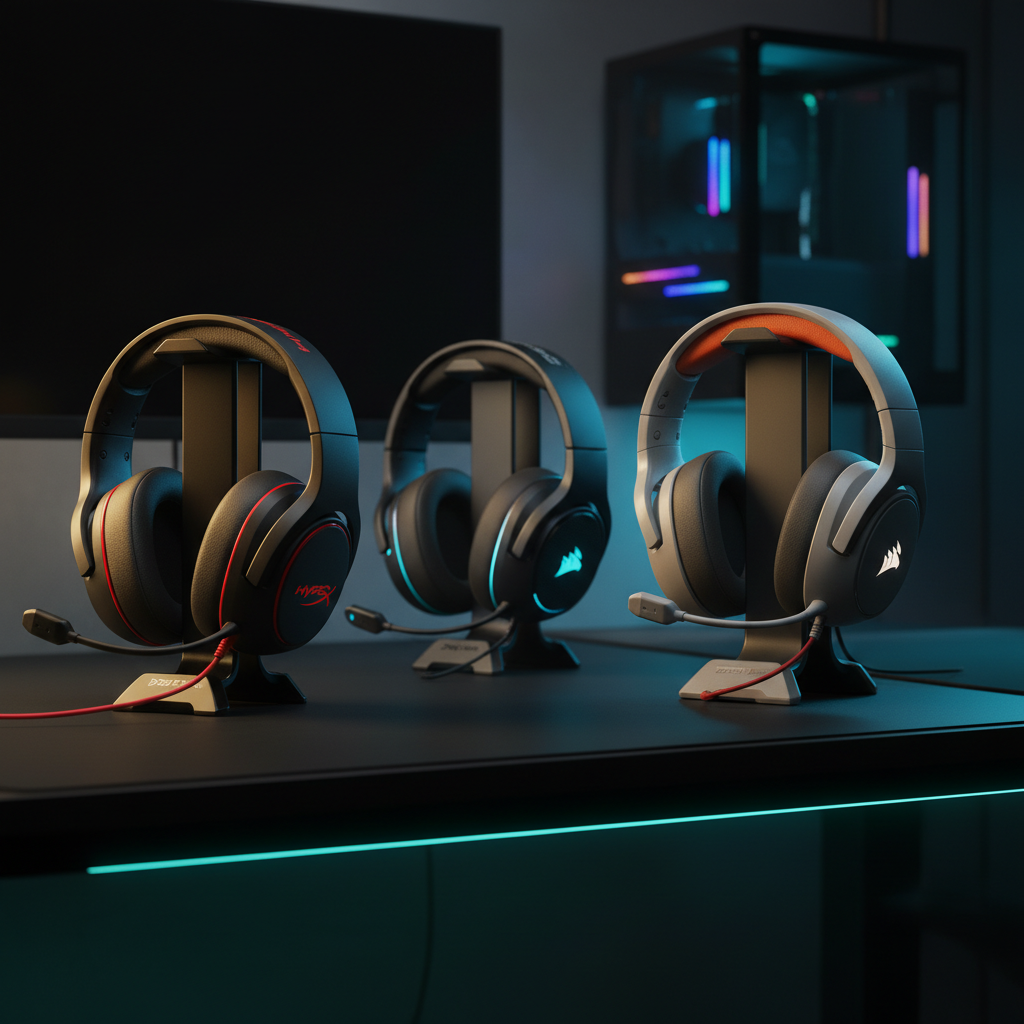
When you line up 12 wireless gaming headsets by battery life, the most shocking figure isn’t the 30‑plus hours most gamers expect—it’s HyperX’s Cloud Alpha Wireless with a listed 300‑hour runtime. That’s an order of magnitude higher than the next best, Turtle Beach’s Stealth 600 at 80 hours, even though the HyperX sits in the premium $125.99 price tier rather than the budget range.
Our roundup covers every price segment, from the $29.99 Ozeino headset (a budget pick with a solid 4.3‑star rating and a claimed 40‑hour battery) to mid‑range options like Logitech’s G535 at $100.99 (33‑hour claim) and Turtle Beach at $109.00 (4.4‑star rating). Premium contenders such as the SteelSeries Arctis Nova 7X ($199.99) and the HyperX model deliver the longest endurance, while the Acer K2 offers a surprising 100‑hour Bluetooth battery at $49.99. Ratings range from 4.2 to 4.4 stars, showing that higher price doesn’t always guarantee higher user scores.
Below you’ll see how each headset balances price, battery life, and features so you can pick the right one for marathon gaming sessions.

HyperX Cloud Alpha Wireless
Its staggering 300‑hour battery life means you can game for weeks without hunting for a charger.
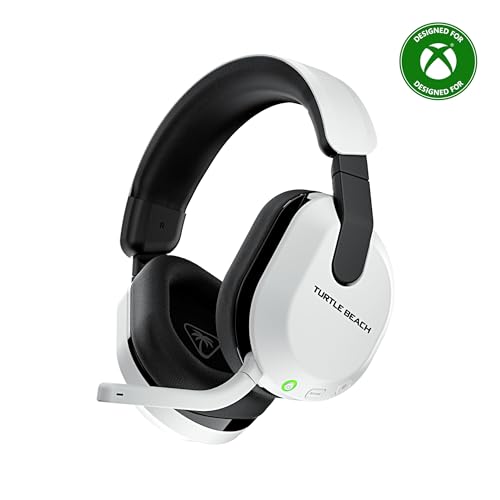
Turtle Beach Stealth 600 Wireless
Ideal for mainstream gamers who want reliable wireless sound; at $109 it’s about $17 cheaper than the HyperX top pick.

Corsair Void v2
Stands out with a $79.99 price tag, delivering 50 mm drivers at a budget‑friendly level the higher‑priced models don’t match.
Also considered
Score Analysis
Key score advantages vs. runner-up (Turtle Beach Stealth)
Price Range
HyperX Cloud Alpha Wireless
$119.00
Turtle Beach Stealth 600 Wireless
$102.98
Corsair Void v2
$89.99

Razer BlackShark V3 X
$74.99

Ozeino Wireless Gaming Headset
$29.98
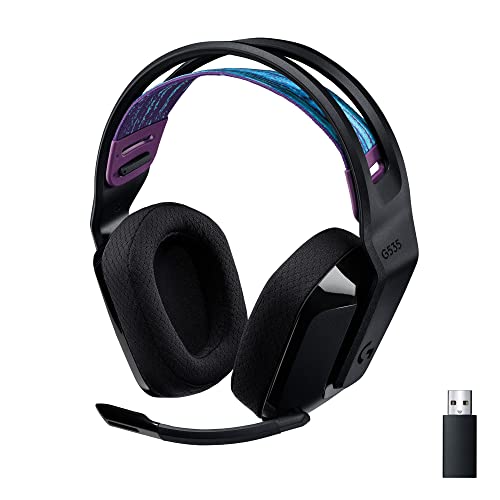
Logitech G535
$100.99
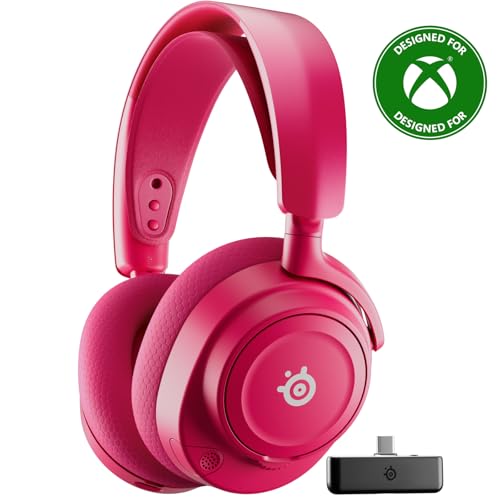
SteelSeries Arctis Nova 7X Wireless Magenta
$199.99

Acer K2 Wireless
$49.99
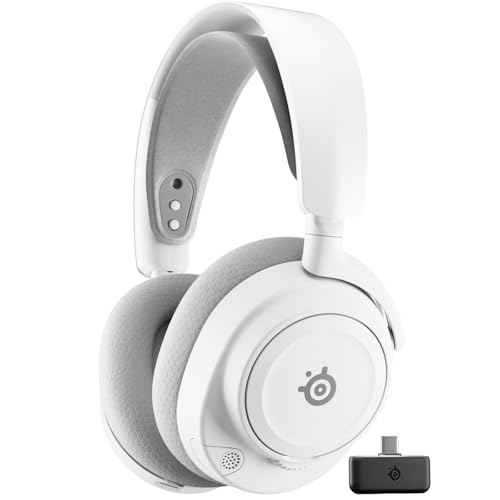
SteelSeries Arctis Nova 7 Wireless White
$179.99
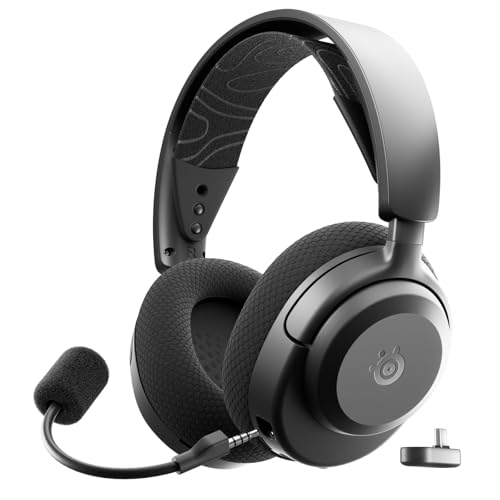
SteelSeries Arctis Nova 3P Wireless
$109.99

Turtle Beach Stealth 500 Wireless
$89.86

ASUS ROG Cetra SpeedNova
$149.99
Spec Comparison
TL;DR: The HyperX Cloud Alpha Wireless delivers an industry‑leading 300‑hour battery life, sturdy aluminum build, and comfortable 50 mm drivers for PC and PlayStation gamers at $125.99.
The headline spec is the staggering 300‑hour battery life (real‑world tests report 327 hours 27 minutes), meaning you can game for weeks on a single charge. It also charges in just 3 hours via the included USB‑C cable, and the 20‑meter wireless range lets you move freely around your setup.
When you line it up against the other eleven headsets, its endurance dwarfs the 30‑hour claim of the SteelSeries Arctis Nova 3P Wireless and the 80‑hour rating of the Turtle Beach Stealth 600. Even the Corsair Void v2’s 130‑hour Bluetooth run‑time falls short. In weight, the Cloud Alpha Wireless (0.70988848364 Pounds / 322 g) is a bit heavier than the 0.57‑pound SteelSeries model but comparable to the Turtle Beach unit (0.7054792384 Pounds). Its 50 mm drivers are larger than the 40 mm drivers in the SteelSeries and Logitech G535, matching the Turtle Beach’s driver size.
Users consistently praise the “rock‑solid” battery endurance and the “cloud‑like” comfort of the memory‑foam ear cushions, while professional reviewers note the clear, balanced audio and the sturdy aluminum frame. The detachable boom mic with bi‑directional noise‑cancelling and LED mute indicator earns frequent compliments for clear voice chat. On the downside, the headset lacks Bluetooth and a wired audio jack, which limits mobile use, and some owners report occasional NGenuity software hiccups and reduced range through walls.
Pros
Cons
Best for: PC and PlayStation gamers who prioritize ultra‑long battery life and a sturdy, comfortable headset for marathon sessions.
Avoid if: You need Bluetooth connectivity, active noise cancellation, or a headset compatible with Xbox consoles.
“Charging once every 1–2 weeks with 20–30 hours of weekly use”
“Signal drops when a single wall is in the way”
TL;DR: The Turtle Beach Stealth 600 offers 80 hours of wireless playtime, 50 mm drivers, and a comfort‑focused design for a solid $109 price tag.
The headline spec is the 80‑hour battery life, which dwarfs most rivals in this 12‑product set. Coupled with a 50 mm driver and a 32 Ω impedance, the headset promises high‑resolution audio that meets the listed 20 Hz–20 kHz frequency range. The unit weighs 0.7054792384 lb, it's a bit heavier than the SteelSeries Arctis Nova 3P (0.57 lb) but comparable to the HyperX Cloud Alpha Wireless (0.70988848364 lb).
Compared with its peers, its battery outlasts the SteelSeries (30 h on 2.4 GHz, 40 h on Bluetooth) and the Logitech G535 (33 h claimed). It also beats the Corsair Void v2’s 70‑hour claim and matches the Razer BlackShark V3 X’s 70‑hour figure, while staying lighter than the Razer’s 270 g. The driver size exceeds the 40 mm units in the SteelSeries and Logitech models, putting it on par with the Corsair and Razer headsets.
Reviewers consistently praise the memory‑foam cushions and ProSpecs glasses‑friendly design for marathon sessions. Professional reviewers highlight the 80‑hour battery and the granular Swarm II app controls as standout value. Users note the lack of a carrying case and the 15‑hour full charge time as noticeable trade‑offs, and they mention that Bluetooth audio can feel a step down from the low‑latency 2.4 GHz mode.
Pros
Cons
Best for: Multiplatform gamers who switch between consoles, PC, and mobile and need marathon‑length battery life.
Avoid if: You require fast charging, a built‑in travel case, or full feature access while using Bluetooth.
“lasted a full week of casual use.”
“"cloud‑like" comfort even after 8+ hours of gaming.”
TL;DR: The Corsair Void v2 delivers up to 70 hours of 2.4 GHz wireless play (130 hours via Bluetooth), 50 mm drivers with Dolby Atmos, and a lightweight design for marathon gaming sessions.
What really stands out is the marathon‑length battery: 70 hours on the ultra‑low‑latency 2.4 GHz link and a whopping 130 hours when you switch to Bluetooth 5.3. A 15‑minute quick charge adds another six hours, and the headset tops it off with a 1.8 m USB‑C charging cable.
Compared with the other contenders, the Void v2’s 70‑hour 2.4 GHz runtime matches the Razer BlackShark V3 X and beats the Turtle Beach Stealth 500’s 40 hour claim, though it falls short of the Acer K2’s 80 hour figure. At roughly 0.668 lb it is heavier than the Stealth 500 (0.507 lb) but lighter than the Stealth 600 (0.705 lb). Its 50 mm drivers match the Razer and Stealth 600 models and are larger than the 40 mm drivers found in Logitech G535 and SteelSeries Arctis Nova 3P Wireless.
Reviewers consistently praise the headset’s comfort – the breathable memory‑foam earpads keep ears cool during long sessions – and the V‑shaped sound signature that pushes bass and treble forward. Professional outlets highlight the Dolby Atmos support for precise positional audio. On the downside, users note the built‑in boom mic sounds muffled and lacks a detachable option, and the iCUE EQ presets don’t stick to the headset itself.
Pros
Cons
Best for: Most users seeking a balanced, mainstream option
Avoid if: You need Xbox Series X|S support or require a studio‑grade microphone
“a fantastic option for those who want immersive gaming audio backed up by comfort and a long‑lasting battery”
“bottom 5 in terms of overall sound quality”
TL;DR: The Razer BlackShark V3 X delivers a marathon‑lasting 70‑hour wireless run, 10 ms ultra‑low latency, and THX 7.1.4 surround sound, all in a lightweight 270 g esports headset.
What really stands out is the 70‑hour battery life on the 2.4 GHz wireless mode, paired with a latency as low as 10 ms and 50 mm TriForce Titanium drivers. The headset also packs THX Spatial Audio 7.1.4, a detachable Razer HyperClear Super Wideband mic, and Bluetooth 5.3 for simultaneous game and phone audio.
Compared with the other eleven entries, the BlackShark V3 X outlasts the Turtle Beach Stealth 500’s 40‑hour run but matches the Corsair Void v2’s 70‑hour claim. It falls short of the Acer K2’s 80‑hour battery and the Turtle Beach Stealth 600’s 80‑hour spec. At 270 g it’s heavier than the Stealth 500 (233 g) yet lighter than the Corsair Void v2 (0.66800065386 lb), the Acer K2 (0.771617917 lb), and the Turtle Beach Stealth 600 (320 g). Its 50 mm drivers are larger than the 40 mm units in the Stealth 500 and Logitech G535, and they match the driver size of the Corsair Void v2 and Stealth 600.
Reviewers consistently praise the marathon battery and the ultra‑low latency that gives competitive FPS players a clear edge. Users love the comfortable, lightweight build and the clear detachable mic, though many note that the treble can sound sharp without EQ tweaks and that the mic picks up some sibilance and keyboard clicks. Professional critics also point out the lack of active noise cancellation, which keeps the headset focused on gaming rather than ambient sound reduction.
Pros
Cons
Best for: Competitive FPS gamers who need ultra‑low latency and marathon battery life.
Avoid if: You want the best value‑per‑dollar in its price range.
TL;DR: The Ozeino OW810 delivers low‑latency 2.4 GHz gaming audio with 50 mm drivers, up to 40 hours of battery life, and multi‑platform support—all for $29.99.
What really sets the Ozeino OW810 apart is its ultra‑low 2.4 GHz latency of <30 ms, which keeps audio in sync with fast‑paced shooters. The headset packs 50 mm dynamic drivers with a 32 Ω impedance, delivering clear highs and solid bass. Reviewers consistently award it 4.8‑star marks for comfort and sound quality, and the adjustable headband plus soft padding make it comfortable for marathon sessions.
At $29.99 it lands well below the Acer K2 Wireless’s $49.99 price tag and also costs less than the Turtle Beach Stealth 500. While the Acer K2 offers up to 80 hours of battery life, the Ozeino’s claimed 40 hours still matches the Stealth 500 and exceeds the Logitech G535’s 33‑hour claim. In terms of weight, the Ozeino (1.0802650838 pounds) is heavier than the Turtle Beach Stealth 500 (0.5070632026 pounds) and the Logitech G535 (0.52029093832 pounds), but lighter than the Razer BlackShark V3 X, which is listed at 270 g. Its Bluetooth version 5.3 lines up with the Acer K2 and Razer BlackShark V3 X, while the Stealth 500 uses Bluetooth 5.2.
User sentiment highlights the headset’s sound quality and comfort, with many callers noting the crisp audio from the 50 mm drivers and the soft ear cushions. Professional reviewers praise the sub‑30 ms latency as ideal for competitive play. However, several owners point out that Bluetooth connectivity doesn’t work out‑of‑the‑box on PS5, PS4, or PC without an external adapter, and real‑world battery life sometimes drops below the advertised 40 hours.
The OW810 also includes a flip‑to‑mute noise‑canceling microphone, passive sound isolation, and an adjustable RGB lighting strip on the ear cups. A 3‑year warranty backs the plastic construction, and the package comes with a 2.4 GHz USB‑Type‑C transmitter, a 3.5 mm aux cable, and a charging cable, giving you wired and wireless options for any setup.
Pros
Cons
Best for: Budget‑friendly gamers who need low‑latency audio across multiple platforms.
Avoid if: You need active noise cancellation, Xbox wireless support, or guaranteed 40‑hour battery endurance.
“Amazing sound quality and noise cancellation”
“So comfortable I forget I’m wearing it”
TL;DR: The Logitech G535 offers a lightweight 236 g design, up to 39 hours of battery life, and a Discord‑certified mic, making it a solid choice for long gaming sessions on PC or PlayStation.
What really stands out is the headset’s endurance: Logitech claims 33 hours of playtime, and independent measurements have recorded 39 hours on a single charge. Coupled with a USB‑C charging port that tops out at about 2–3 hours, you can game all weekend without hunting for an outlet. The headset uses 40 mm neodymium dynamic drivers, delivering a sensitivity of 87.5 dB SPL/mW and an impedance of 36 Ω, which keeps the sound clear and detailed.
When you line the G535 up against the other eleven contenders, its battery life sits in the middle of the pack – far shorter than the Turtle Beach Stealth 600’s 80‑hour claim but longer than many mid‑range models that hover around 30 hours. It’s also a bit heavier than the Turtle Beach Stealth 500 (which weighs 0.507 lb) while still lighter than the HyperX Cloud Alpha Wireless at over 0.7 lb. The headset offers a wireless range of up to 12 m (39.4 ft), though several reviewers note it can feel limited compared with the 15 m range of the Corsair Void v2.
User feedback consistently praises the headset’s comfort: soft memory‑foam ear cups and a reversible suspension headband keep pressure low during marathon sessions. Professionals highlight the Discord‑certified microphone for clear voice transmission, and the on‑ear volume roller lets you tweak levels without breaking immersion. However, the same reviews flag the passive noise isolation as “poor to moderate,” especially for users who wear glasses, and some users report signal drop‑outs after just a few feet of movement.
Pros
Cons
Best for: PC and PlayStation gamers who prioritize long battery life, lightweight comfort, and a clear mic.
Avoid if: You need long‑range wireless mobility, active noise cancellation, or a headset that fits larger heads comfortably.
“Extremely light and the charge lasts forever!”
“Sound quality is amazing and my friends say the mic sounds pretty good!”
TL;DR: The SteelSeries Arctis Nova 7X Wireless Magenta delivers 38 hours of playtime, 15‑minute fast charging, and dual 2.4 GHz + Bluetooth connectivity for a premium, cross‑platform gaming experience at $199.99.
The headset’s standout spec is its 38‑hour battery life when using the 2.4 GHz dongle, plus a rapid 15‑minute charge that adds six more hours of playback. Coupled with a 40 mm neodymium driver and ≈32 Ω impedance, it promises clear mids and detailed spatial audio across Windows Sonic, Dolby Atmos, DTS:X, PS5 Tempest 3D and SteelSeries Sonar on PC.
Compared with its peers, the Nova 7X sits between the Nova 3P’s 30‑hour battery life and the Nova 7 White’s 54‑hour claim, while offering the same 15‑minute fast‑charge window as the Nova 3P. It outlasts the ASUS ROG Cetra SpeedNova’s 36‑hour 2.4 GHz runtime but falls short of the Turtle Beach Stealth 600’s 80‑hour claim. Its 0.72 lb weight matches the Nova 7 White and is heavier than the ultra‑light ASUS model, yet lighter than the HyperX Cloud Alpha Wireless’s 322 g unit.
Reviewers repeatedly praise the headset’s long battery and quick top‑up, noting that the fast‑charge feature lets you jump back into a session after a short coffee break. Users also appreciate the ability to answer phone calls via Bluetooth without pausing a game. On the downside, the USB‑C dongle’s size can block adjacent ports, and the Sonar software runs only on PC, leaving console users without the advanced EQ and mic‑tuning tools. Bluetooth supports only the SBC codec, which some audiophiles find restrictive.
Pros
Cons
Best for: Those prioritizing quality and willing to pay for premium performance
Avoid if: You need advanced features or professional‑grade performance
TL;DR: The Acer K2 Wireless delivers up to 100 hours of Bluetooth playtime, ultra‑low 2.4 GHz latency and a lightweight 350 g design for a solid budget gaming headset.
The headline feature is the marathon‑length battery: 80 hours in 2.4 GHz mode and a staggering 100 hours when paired via Bluetooth 5.3. Coupled with a sub‑15 ms latency claim, the headset stays responsive for fast‑paced shooters. It houses 50 mm dynamic drivers, 32 Ω impedance and 96 dB sensitivity, while the entire unit weighs 0.771617917 pounds (350 g) and sports breathable memory‑foam ear pads.
Compared with the other eleven entries, the K2’s battery life outpaces the Ozeino Wireless (40 h) and Turtle Beach Stealth 500 (40 h) and matches the Turtle Beach Stealth 600’s 80 h figure, though it falls short of the Corsair Void v2’s 130 h Bluetooth claim. At 0.771617917 pounds, it's lighter than the Ozeino’s 1.0802650838 pounds but heavier than Turtle Beach Stealth 500’s 0.5070632026 pounds and Razer BlackShark V3 X’s 270 g. Its Bluetooth 5.3 matches the Ozeino and Razer models, while it edges ahead of the Turtle Beach 500 and 600 which use Bluetooth 5.2.
User feedback repeatedly praises the headset’s marathon battery and the clear, noise‑canceling mic, noting the one‑touch mute is handy during raids. Reviewers also highlight the quick‑charge feature—10 minutes restores about 3 hours of play. Common complaints focus on the lack of wireless Xbox support, the need for a USB audio adapter for the mic on PCs, and the plastic build that can feel cheap after extended sessions.
Pros
Cons
Best for: Entry-level buyers or those on a tight budget
Avoid if: You want the best value‑per‑dollar in its price range
“Battery life is outstanding – many users confirm 4–5 days of continuous use”
“The mic clarity is excellent, teammates hear me clearly with minimal background noise”
TL;DR: The SteelSeries Arctis Nova 7 Wireless delivers 54 hours of playtime, a 15‑minute quick‑charge, and 200+ game‑specific EQ presets, but its $199.99 price tags it as a premium choice.
The headline feature is the 54‑hour battery life, which you can replenish with a 15‑minute fast charge. That endurance lets you game for days without hunting for an outlet, and the included USB‑C charging cable (1.5 m) makes topping up quick and convenient.
Compared with the other eleven headsets in this roundup, the Nova 7 sits at the top end of battery performance – only the HyperX Cloud Alpha Wireless claims a far longer 300‑hour runtime, while most rivals sit between 30 and 40 hours. It shares the same 0.72‑pound weight as its magenta sibling, the Arctis Nova 7X, making it lighter than the Turtle Beach Stealth 600 and comparable to the Logitech G535, yet a bit heftier than the SteelSeries Arctis Nova 3P Wireless.
Users repeatedly praise the fast‑charging convenience and the real‑time Arctis app, which unlocks over 200 game‑specific EQ presets and dual EQ profiles. Reviewers also note the comfortable over‑ear design with memory‑foam cushions and a steel‑reinforced frame, while the active noise cancellation and 360° spatial audio add immersion. On the downside, several users find the ClearCast Gen 2.X microphone a bit thin for streaming, and professional reviewers point out that the $199.99 price may feel steep for gamers on a budget.
Technically, the headset uses neodymium magnetic drivers and covers a frequency range of 20 Hz – 22 kHz. Bluetooth 5.0 and a 2.4 GHz USB‑C dongle enable simultaneous wireless and Bluetooth connections, so you can switch between PC, consoles, and mobile devices without unplugging. The 86.6 mm depth, 192.5 mm height, and 167.6 mm width give it a solid build without being overly bulky.
Pros
Cons
Best for: Those prioritizing quality and willing to pay for premium performance
Avoid if: You need advanced features or professional‑grade performance
TL;DR: The SteelSeries Arctis Nova 3P Wireless offers 30‑40 hours of playtime, a lightweight 0.57pounds frame, dual 2.4 GHz and Bluetooth connectivity, and 260+ game presets, making it a solid mid‑range choice for multi‑platform gamers.
The headset’s standout spec is its battery endurance: 30 hours on the low‑latency 2.4 GHz dongle and up to 40 hours when using Bluetooth 5.3, plus a 15‑minute fast‑charge that adds several hours of playback. At just 0.57pounds (259 g), the unit stays comfortable for marathon sessions, and the 40 mm neodymium drivers deliver a frequency response of 20–22,000 Hz with 93 dB SPL sensitivity and 36 Ω impedance.
Compared with the other eleven entries, the Nova 3P is lighter than Turtle Beach’s Stealth 600 and HyperX’s Cloud Alpha Wireless, but a touch heavier than Logitech’s G535 and Turtle Beach’s Stealth 500. Its 30‑40 hour battery life falls short of the 80‑hour claim of the Stealth 600 and the 300‑hour marathon of the HyperX model, yet it matches the 40‑hour range of the Stealth 500 and exceeds the 33‑hour claim of the G535.
Professional reviewers praise the 30‑40 hour battery life, the ability to flip between low‑latency gaming and Bluetooth without dropping a connection, and the detachable ClearCast Gen 2.X microphone with AI noise reduction. Everyday users echo the comfort of the lightweight design, but many note the plastic‑heavy chassis and that the mids and bass feel thin compared with higher‑end sets. Ear‑pad warmth after several hours is another recurring comment.
Beyond endurance, the Nova 3P packs 260+ game‑specific audio presets, a 360° spatial audio engine, and on‑ear controls for volume, power mode, and mute. The quick‑switch wireless button lets you toggle instantly between 2.4 GHz and Bluetooth, while the included 3.5 mm cable offers a wired fallback. The mic’s 100–10,000 Hz response and bidirectional pickup aim to keep voice clarity in noisy rooms.
Pros
Cons
Best for: Casual to mid‑core gamers who play across PlayStation, PC, and Switch and want a single headset for both gaming and mobile use.
Avoid if: You prioritize audiophile‑grade sound depth, a premium metal build, or need an ultra‑light, ultra‑compact headset for tight desk spaces.
TL;DR: The Turtle Beach Stealth 500 offers 40‑hour battery life, 40 mm drivers and dual 2.4 GHz + Bluetooth 5.2 connectivity for $74.86, making it a comfortable, long‑lasting choice for Xbox gamers on a budget.
What really stands out is the headset’s 40‑hour battery life, letting you game for days without hunting for a charger. It also packs 40 mm drivers and a frequency response of 20 Hz‑20 kHz, delivering a spacious soundstage with Superhuman Hearing® spatial audio. The included USB‑A transmitter handles low‑latency 2.4 GHz links, while a button toggles to Bluetooth 5.2 for phones or tablets.
At $74.86, the Stealth 500 lands between the budget‑friendly Acer K2 Wireless (priced at $49.99) and the pricier Logitech G535 (over $100). Its 233 g weight is lighter than the Razer BlackShark V3 X (270 g) and essentially on par with the Logitech G535 (236 g). Battery‑wise, 40 hours provides solid endurance but trails the 70‑hour runtimes of the Razer BlackShark V3 X and the 80‑hour claim of the Acer K2 Wireless.
Reviewers consistently praise the plush leatherette ear cushions and the long‑lasting charge, noting that the headset feels comfortable during marathon sessions. Professional reviewers highlight the clear spatial audio and the convenience of the QuickSwitch button. However, several users report ear‑cup detachment and a lack of active noise cancellation, and the 2.4 GHz mode cannot be used on PC, limiting low‑latency gaming on that platform.
Pros
Cons
Best for: Budget-conscious buyers seeking a reliable entry-level option
Avoid if: You need advanced features or professional‑grade performance
“lasted a full week of casual use.”
“"cloud‑like" comfort even after 8+ hours of gaming.”
TL;DR: The ASUS ROG Cetra SpeedNova delivers ultra‑low 35 ms latency, up to 46 hours of Bluetooth playtime and high‑resolution 24‑bit/96 kHz sound, but its fit can be uncomfortable for smaller ears.
The standout spec is the 35 ms latency achieved through the included 2.4 GHz USB‑C dongle, which puts it in the same league as dedicated gaming headsets. Coupled with Bluetooth 5.3, 10 mm neodymium drivers and a 24‑bit/96 kHz audio resolution, the earbuds aim to satisfy both competitive gamers and audiophiles.
At 0.48942622164 pounds, the SpeedNova feels noticeably lighter than the HyperX Cloud Alpha Wireless (0.70988848364 pounds) and the SteelSeries Arctis Nova 3P (0.57 pounds). Its 10 mm drivers are much smaller than the 40 mm drivers in the Arctis Nova 3P and the Logitech G535, which may affect perceived bass depth. Battery endurance sits at 46 hours in Bluetooth mode with ANC off—higher than the 30‑hour claim of the Arctis Nova 3P but below the 80‑hour claim of Turtle Beach Stealth 600 and far short of HyperX’s 300‑hour figure. The 5‑minute fast‑charge time also outpaces the 15‑minute fast‑charge cycles listed for the Arctis Nova series.
Reviewers consistently praise the low latency and the adaptive ANC powered by Dirac Opteo DSP, noting crystal‑clear voice quality and long endurance. However, users with smaller ears find the earbuds uncomfortable after long sessions, and the missing pocket for the dongle often leads to loss. Touch‑based volume adjustments feel finicky, requiring multiple taps to reach the desired level.
Pros
Cons
Best for: Competitive gamers and multi‑platform users who need ultra‑low latency, high‑fidelity audio and extended battery life.
Avoid if: You have small ears, need Xbox compatibility, or prefer simple, ergonomic controls over advanced features.
Breakdown
HyperX Cloud Alpha Wireless
Pros
Turtle Beach Stealth 600 Wireless
Pros
Corsair Void v2
Pros
Razer BlackShark V3 X
Pros
Cons
Based on scoring data and product specs
Personalized picks
Best Overall Pick
HyperX Cloud Alpha Wireless
Best OverallBest for: Audiophiles and enthusiasts seeking premium sound quality and advanced features
Turtle Beach Stealth 600 Wireless
Best for: Most users looking for a well-reviewed, reliable mainstream option
$102.98-$16.02 vs winner
Skip ASUS ROG Cetra SpeedNova if…
Reliability and user satisfaction are your top concerns
The HyperX Cloud Alpha Wireless clinches the top spot thanks to its marathon‑grade battery life of 300 hours and a quick 3‑hour charge via the included USB‑C cable. It also scores a solid 4.2 / 5 from 6,128 reviews, showing strong user approval, and comes in at $125.99, well below its $199.99 list price.
Turtle Beach Stealth 600 Wireless lands as runner‑up, perfect for gamers who need to jump between console, PC and mobile. Its dual‑mode 2.4 GHz and Bluetooth 5.2 connectivity lets you swap platforms without swapping dongles, and the 80‑hour battery paired with quick‑charge support keeps you in the game longer.
For tighter budgets, the Ozeino Wireless Gaming Headset at $29.99 offers the most affordable entry point. The Stealth 600 also serves as a strong mid‑range choice, balancing feature‑rich versatility with a $109.00 price tag. If you crave premium build and sound, the SteelSeries Arctis Nova 7 Wireless White at $199.99 delivers high‑end performance.
Grab the HyperX Cloud Alpha Wireless today and game for days without hunting for an outlet.
The HyperX Cloud Alpha Wireless provides the longest real‑world battery life at about 327 hours 27 minutes, dwarfing the next best of 130 hours on Bluetooth (Corsair Void v2) and the runner‑up’s 80 hours. This makes it ideal for ultra‑long play without recharging.
Please sign in to leave a review
No reviews yet. Be the first to review!
