⚡ Quick Answer
Putting a cinema‑size screen in a living room used to mean a hefty price tag, but the four large‑screen TVs we compared span a price range from $329.99 for the Insignia F50 Series 70‑inch up to $795.00 for the Panasonic Professional Display. All four clear the 55‑inch threshold, making them viable candidates for a dedicated home‑theater setup.
On the budget end, the Insignia F50 offers a 70‑inch panel, 60 W of audio power and 350 nits of brightness for $329.99, while the Hisense A6 delivers a 55‑inch screen, 300 nits peak brightness and a 4.2‑star rating at $397.12. The premium tier includes the Hisense U6, which packs a native 144 Hz refresh rate, 1000 nits peak brightness and Dolby Atmos support for $429.99, and the Panasonic Professional Display, featuring 24 W stereo speakers and a sturdy 36.80 kg chassis at $795.00.
Next, we’ll break down picture quality, sound performance, smart‑platform usability and how each model fits different viewing environments, so you can match the right screen to your home‑theater goals.

Insignia F50 Series 70-inch
Its 60 W audio power delivers surprisingly rich sound for a 70‑inch entry‑level TV.

Hisense U6 55-inch
Audiophiles who want stronger built‑in sound will appreciate its premium audio, and at about $100 more than the Insignia, it offers that upgrade.

Hisense A6 Series 55-inch
With an ultra‑slim 2.9‑inch depth and no stand, it fits tighter spaces that the bulkier Insignia and Hisense U6 can’t.
Score Analysis
Key score advantages vs. runner-up (Hisense U6 55-inch)
Price Range
Insignia F50 Series 70-inch
$329.99
Hisense U6 55-inch
$398.96
Hisense A6 Series 55-inch
$396.85
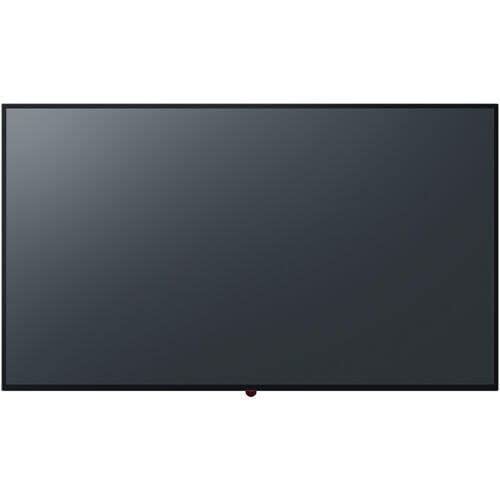
Panasonic Professional Display
$795.00
Spec Comparison
TL;DR: The Insignia F50 Series 70‑inch TV gives you a massive 4K LED display, quantum‑dot color and built‑in Alexa for a budget‑friendly home‑theater centerpiece.
Its 1778 mm (about 70‑inch) screen pairs with HDR10 and a quantum‑dot panel that widens the color gamut. The TV rates brightness at 350 nits, and it refreshes at 60 Hz. It weighs 24300 g and measures 301 mm deep, 930 mm high and 1570 mm wide.
Compared with the other three models, the Insignia’s screen is considerably larger than the 55‑inch Hisense A6 and Hisense U6, whose dimensions are listed in inches. Its 350‑nit brightness tops the Hisense A6’s 300 nits but falls short of the Hisense U6’s 1000 nits. The 60 Hz refresh rate is lower than the Hisense U6’s 144 Hz native rate, and its three HDMI 2.1 ports with eARC match the connectivity level of the peers while offering one USB‑A slot. At 24300 g the unit sits in the same ballpark as the Hisense A6’s 37.5‑lb shipping weight, and it's lighter than the Panasonic Professional Display, which weighs over 100 lb.
Users consistently praise the TV’s huge screen and the simplicity of the Fire TV platform, especially the Alexa voice control that integrates with smart‑home devices. Reviewers note the quantum‑dot panel delivers richer colors than standard LEDs, and the DTS Virtual:X audio system provides decent surround‑like sound for everyday viewing. However, many mention the edge‑lit LED panel lacks local dimming, so dark scenes can look flat, and the 350‑nit peak brightness may struggle in very bright rooms. The built‑in speakers are adequate but often get a sound‑bar recommendation for a fuller home‑theater experience.
Technical details include three HDMI 2.1 inputs with eARC, one USB‑A port, an optical audio output, and Ethernet plus Wi‑Fi connectivity. The TV lists power consumption at 60 W, with an annual energy use of 407 kWh at 120 V. The TV supports HDR10, 1080p @144 Hz and 1440p @60 Hz upscaling, and it's wall‑mountable.
Pros
Cons
Best for: Budget-conscious buyers seeking a reliable entry-level option
Avoid if: You have limited desk space or need portability
“perfect size and sound & picture quality is great. I definitely would recommend”
TL;DR: The Hisense U6 55‑inch Mini‑LED QQLD TV delivers a native 144 Hz refresh, 1000 nits peak brightness and Dolby Vision IQ for bright‑room gaming, but its 20 W speakers are modest.
This model’s standout spec is the 144 Hz native refresh rate paired with a Motion Rate of 480, which together promise ultra‑smooth motion for fast‑action games and sports. The panel also reaches 1000 nits of peak brightness, and the Full Array Local Dimming Pro with 600 zones adds strong contrast.
Compared with the Hisense A6 55‑inch, which limits itself to 60 Hz refresh and 300 nits brightness, the U6 feels noticeably faster and brighter. The Panasonic Professional Display weighs considerably more, so the U6’s 43.0 pounds feels more manageable for a living‑room setup.
Reviewers love the buttery‑smooth 144 Hz gaming experience and the vibrant QLED colors that stay punchy even in sunny rooms. Professional reviewers highlight low input lag in Game Mode Pro and the AI‑driven Hi‑View AI Engine’s upscaling as strong points. Most users note the trade‑off: the 20 W 2.0‑channel speaker system often needs a soundbar for a full home‑theater feel, and some report uniformity quirks and occasional motion artifacts outside dedicated game modes.
Pros
Cons
Best for: Budget‑conscious gamers and sports fans who want a 144 Hz native panel, strong HDR brightness and VRR support.
Avoid if: You need premium built‑in audio or flawless uniformity for a high‑end home‑theater experience.
TL;DR: The Hisense A6 55‑inch delivers 4K Google TV with Dolby Vision and a full‑array LED panel at a budget‑friendly $397, but its modest 300‑nit brightness and lack of local dimming keep it best for dimmer spaces.
The A6 sports a 54.6‑inch 4K UHD LCD panel backed by a full‑array LED backlight that reaches a peak brightness of 300 nits. Dolby Vision and HDR10 support give you cinema‑grade contrast, while the 8 ms response time and 120 motion rate help smooth fast action. With three HDMI ports (including eARC) and two USB inputs, you’ll have plenty of connectivity for consoles and media players.
Compared with its peers, the A6 weighs notably less – it tips the scales at 25.4 lb with the stand, versus the Hisense U6’s 43 lb. Its depth measures 2.9 inches, slimmer than the U6’s 3.0‑inch profile. However, the U6 shines brighter at 1000 nits and refreshes at a native 144 Hz, while the Insignia F50’s 350‑nit panel and 60‑Hz refresh match the A6’s brightness but not its Dolby Vision support. The Panasonic Professional Display weighs far more at 109 lb and lacks the smart features the A6 offers.
Reviewers consistently praise the straightforward setup and the solid feel of the heavy shipping box, noting the stand’s width aligns well with standard furniture. Professionals highlight the AI UHD Upscaler, which lifts lower‑resolution sources close to 4K quality, and Game Mode Plus that adds VRR at 4K 60 Hz and ALLM for smoother gaming. The built‑in Google TV platform with Chromecast gives you instant access to a large app library, and DTS Virtual:X creates a virtual surround feel from the two 8‑W speakers.
Power‑wise the TV draws a typical 125 W during use and only 0.5 W on standby, keeping energy costs low. Bluetooth connectivity and dual‑band 802.11ac Wi‑Fi keep wireless streaming reliable, while voice control works with Alexa and Google Assistant for hands‑free operation.
Pros
Cons
Best for: Entry‑level buyers or those on a tight budget
Avoid if: Bright‑room viewing or premium home‑theater setups that demand high peak brightness, local dimming, or wide‑color gamut
TL;DR: Panasonic TH‑75CQE1W delivers a 75‑inch 4K IPS panel with 400 cd/m² brightness, built‑in 24 W stereo speakers, and a USB media player, but its high power draw and premium price suit commercial spaces more than bright‑room home theaters.
Panasonic's TH‑75CQE1W offers a 75‑inch screen with a 3840 × 2160 resolution and an IPS/ADS panel that provides 178° horizontal and vertical viewing angles. Its 400 cd/m² brightness and a dynamic contrast ratio of 50000:1 deliver vivid images, while an 8.0 ms response time keeps motion smooth. The display’s anti‑glare coating (Haze 3%) helps reduce reflections in dimmer environments.
At 36.80 kg, the unit's considerably heavier than the Hisense U6 (43 lb) and the Insignia F50 (about 53 lb), and it's also heavier than the Hisense A6’s listed weights. The 75‑inch panel is larger than the 55‑inch Hisense models and the 70‑inch Insignia, giving you a more immersive size. Brightness‑wise, it outshines the Insignia’s 350 nits but falls short of the Hisense U6’s 1000 nits, so very bright rooms may feel dimmer. Its 24 W stereo speakers exceed the Hisense U6’s 20 W but are lower than the Insignia’s 60 W audio output.
Professional reviewers highlight the built‑in 4K USB media player, removing the need for an external playback device, and the device’s continuous‑operation rating of 24/7 at 98 inches. Users appreciate the wide viewing angles and the anti‑glare surface, but several note that the 307 W power consumption during use can raise electricity costs. The remote works up to 7 meters away and the unit includes four HDMI ports, a USB‑C port, RS232C, and IR input for flexible integration.
Pros
Cons
Best for: Those prioritizing quality and willing to pay for premium performance
Avoid if: You need advanced features or professional‑grade performance
Breakdown
Insignia F50 Series 70-inch
Pros
Hisense U6 55-inch
Pros
Cons
Hisense A6 Series 55-inch
Pros
Cons
Panasonic Professional Display
Pros
Cons
Based on scoring data and product specs
Personalized picks
Best Overall Pick
Insignia F50 Series 70-inch
Best Budget PickBest for: Budget-conscious buyers seeking a reliable entry-level option
Hisense U6 55-inch
Best for: Audiophiles and enthusiasts seeking premium sound quality and advanced features
$398.96+$68.97 vs winner
Skip Panasonic Professional Display if…
You need advanced features or professional-grade performance
The Insignia F50 Series 70‑inch wins the top spot, featuring a $329.99 price and a 4.3‑star rating from 7,634 reviewers. It packs 60 W of audio power, 350 nits of brightness, and three HDMI 2.1 ports, while Quantum Dot technology and the built‑in Fire TV platform deliver vibrant colors and instant streaming.
The Hisense U6 Series 55‑inch lands as the runner‑up, ideal for a bright‑room home theater or a gaming setup that craves fast motion. It shines with 1000 nits peak brightness, a native 144 Hz refresh rate and VRR from 48‑144 Hz, plus Dolby Vision IQ and Dolby Atmos for immersive picture and sound. Full‑Array Local Dimming with 600 zones and Wi‑Fi 6 keep the image uniform even during rapid action.
If you’re ready to stretch the budget, the Panasonic Professional Display at $795.00 offers a premium‑grade panel and advanced color accuracy for a truly cinema‑like experience.
Grab the Insignia F50 Series now and enjoy a large screen without overspending.
The Hisense U6 Series 55‑inch lists a peak brightness of 1000 nits, which is significantly higher than the Insignia F50 Series 70‑inch at 350 nits and the Panasonic Professional Display at 400 cd/m². That extra brightness helps maintain vivid HDR performance even in well‑lit rooms.
No reviews yet — be the first to share your experience.
Please sign in to leave a review