Thirteen noise‑cancelling headphones that support spatial audio are sorted into budget, mid‑range and premium tiers. If you’re hunting for a commuter‑friendly pair that won’t weigh you down, the Beats Studio Buds+ (priced at $99.95 with a 4.1/5 rating) delivers solid ANC, a lightweight 0.220462262‑pound design and up to 9 hours of playtime on a single charge. For listeners who crave the deepest immersion without breaking the bank, the Soundcore P31i shines at $39.99, has a 4.5/5 rating and offers a 50‑hour total battery life (ANC off) thanks to its fast‑charge feature.
Travelers and audiophiles who want top‑tier performance should look at the Bose QuietComfort Ultra, the premium flagship at $429.00 with a 4.3/5 rating, industry‑leading ANC, and up to 30 hours of playback with ANC on. Mid‑range fans can also consider Apple’s AirPods Pro 3 at $219.00, which promise “2× more noise removal than AirPods Pro 2” and 8 hours of ANC use. Whether you need a light‑weight daily driver, a value‑packed workhorse, or a high‑end cinematic experience, the upcoming sections break down each category in detail.

Beats Studio Buds +
Features three new acoustic vents that improve sound flow, and provides up to 8 hours of playback without ANC, delivering balanced performance for most users.
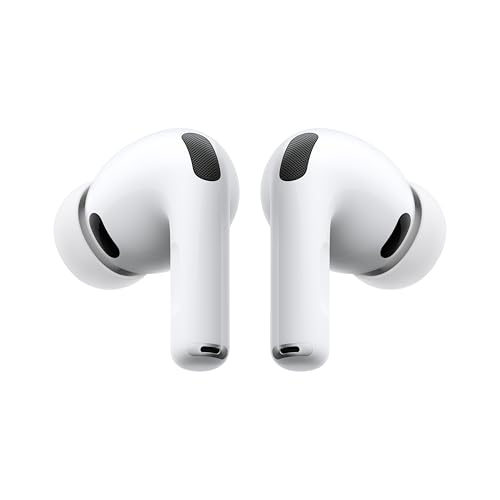
Apple AirPods Pro 3
Ideal for audiophiles willing to spend about $119 more than the Beats option, which provides proven brand confidence and 8 hours of ANC battery life.
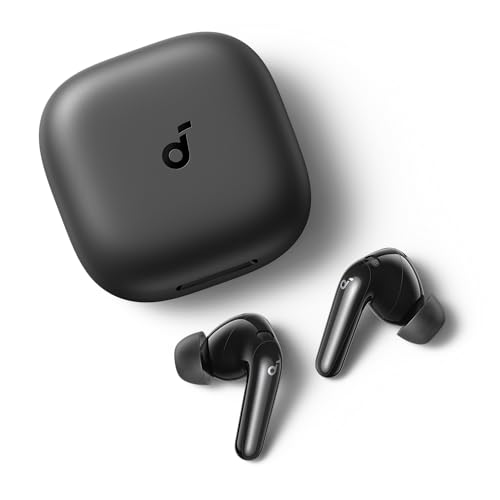
Soundcore P31i
Stands out with 11 mm drivers and six microphones for crisp audio and call quality, all at $39.99, which makes it a solid entry‑level choice for budget‑conscious listeners.
Also considered
Score Analysis
Key score advantages vs. runner-up (Apple AirPods Pro)
Price Range
Beats Studio Buds +
$99.95
Apple AirPods Pro 3
$199.99
Soundcore P31i
$39.99

JLab JBuds Lux ANC Sage
$79.98

Bose QuietComfort Ultra
$429.00

Beats Powerbeats Pro 2
$212.49
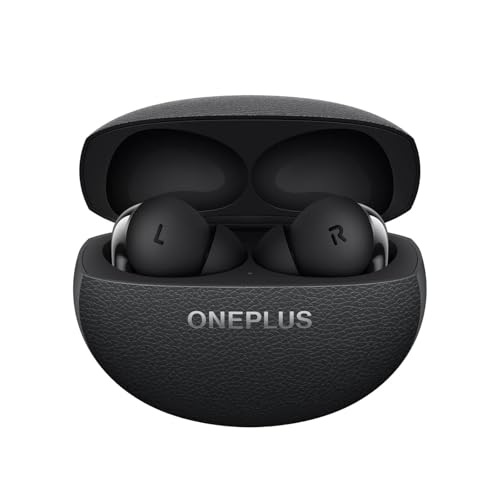
OnePlus Buds Pro 3
$179.82

OnePlus Nord Buds 3 Pro
$75.31

Bose QuietComfort Ultra
$299.99

realme Wireless5
$43.20

realme Air 6 Pro
$85.14

Denon PerL
$136.99
realme Earbud T300
$40.44
Spec Comparison
TL;DR: Beats Studio Buds+ pack Dolby Atmos spatial audio, 3 acoustic vents and up to 9 hours of playback (ANC off) into a 0.22‑lb, IPX4‑rated design for $99.95.
What really sets the Studio Buds+ apart is the trio of new acoustic vents and an ANC system that Beats claims is up to 1.6× stronger than the original model. Combined with Dolby Atmos‑enabled spatial audio, the earbuds aim to deliver a more immersive listening experience while still fitting comfortably in the ear.
At 0.220462262 pounds, the Buds+ share the same weight as the Realme Air 6 Pro but are noticeably lighter than JLab JBuds Lux ANC Sage, which tips the scales at 0.5180863157 pounds. Battery‑wise they outlast several peers: the Air 6 Pro offers 10 hours with ANC off, while the Buds+ push that to 9 hours (Plus mode). Even the Realme Earbud T300 tops out at 8 hours ANC off, so Beats gives you a modest edge in endurance.
Everyday users praise the effortless one‑touch pairing and the secure fit provided by four silicone tip sizes. Reviewers from TechRadar and CNET note the balanced sound signature—strong bass, clear highs—and consider the ANC “good for the price.” However, the same outlets point out that ANC drains the battery to just 5 hours (original) or 6 hours (Plus), and the case isn’t water‑resistant and lacks wireless‑charging, which some power users find limiting.
Technical extras include three microphones (with a 3× larger voice‑targeting array in Plus mode) that help filter background noise on calls, Class 1 Bluetooth for a longer, more stable range, and an IPX4 rating that makes the earbuds sweat‑resistant for workouts. The charging case uses USB‑C and supports a fast‑fuel feature that adds an hour of playback after a 5‑minute charge.
Pros
Cons
Best for: Most users seeking a balanced, mainstream option
Avoid if: you need all‑day ANC battery life, a fully waterproof case, or wireless charging
TL;DR: Apple AirPods Pro 3 deliver industry‑leading active noise cancellation, spatial audio and health tracking in a feather‑light $219 package, but the premium price may deter budget shoppers.
What really sets these earbuds apart is the claim of “2x more noise removal than AirPods Pro 2,” backed by an active‑noise‑cancellation system that lets you stay immersed for up to 8 hours on a single charge. The case adds another 10 hours in Transparency mode, and the earbuds themselves weigh just 9.07 g each (0.02 pounds overall), making them comfortable for marathon listening sessions.
When you line them up with the other twelve contenders, the AirPods Pro 3 are lighter than the Beats Powerbeats Pro 2 (0.171 pounds) and the Denon PerL (0.1 pounds). Their price of $219 places them in the premium tier, a notch above many mid‑range options, while the battery life of 8 hours with ANC is comparable to most peers, though some competitors tout longer total case life. Feature‑wise, the AirPods Pro 3 pack live translation, heart‑rate sensing for 50 workout types, and adaptive EQ, out‑scoring many rivals that list fewer health‑oriented specs.
User sentiment frequently highlights the tight integration with Apple devices—automatic switching and audio sharing are praised as “magical” conveniences. Reviewers also love the spatial‑audio experience, describing it as an “immersive three‑dimensional sound.” On the downside, a few users note that the lack of an explicit water‑resistance rating leaves outdoor use uncertain, and the premium price is a common point of friction for cost‑conscious buyers.
Pros
Cons
Best for: Buyers willing to invest in a proven, high‑quality option
Avoid if: You're on a tight budget or only need basic functionality
TL;DR: The Soundcore P31i packs -52 dB adaptive ANC, 11 mm drivers and up to 50 hours of total playback into a $39.99, 59‑gram true‑wireless earbud that feels premium for its price.
The headline feature is its adaptive active noise cancellation rated at –52 dB, which professional reviewers call “a standout for a mid‑tier model.” Coupled with 11 mm titanium‑coated drivers, the earbuds deliver deep bass and clear treble that users repeatedly praise.
Compared with the other twelve entries, the P31i is lighter than the Realme Buds Wireless 5 and Beats Studio Buds+, yet heavier than the Realme Earbud T300. Its ANC strength edges out the Realme Buds Wireless 5’s 50 dB level and far exceeds the 35 dB reduction of the JLab JBuds Lux ANC. Battery‑wise, the case‑powered 50 hours of playback (ANC off) beats the Realme Buds Wireless 5’s 38 hours and the Beats Studio Buds+ lineup’s 24 hours, while still trailing the JLab JBuds Lux ANC’s 70 hours.
User sentiment highlights the value of the six‑mic AI system and real‑time translation, especially for commuters who juggle calls and foreign language podcasts. Reviewers also note the fast‑charge capability: a 10‑minute boost yields 3.5 hours of listening. The main complaints revolve around touch controls that can be triggered unintentionally and the absence of spatial audio, which some audiophiles miss.
Pros
Cons
Best for: Commuters and travelers who want strong ANC, long battery life, and AI translation without breaking the bank.
Avoid if: You prioritize spatial audio, high‑resolution Bluetooth codecs, or deep integration with Apple or Samsung ecosystems.
“Hands down, best set of earbuds for the price. I regret purchasing more expensive brand-type earbuds.”
“Very impressed with the noise cancelling—works really well on long flights.”
TL;DR: The JLab JBuds Lux ANC Sage delivers a massive 40 mm driver, up to 35 dB hybrid noise cancellation and a staggering 70 hour battery life for $79.98, making it a solid budget pick for long‑haul listening.
What really stands out is the 40 mm dynamic driver paired with hybrid ANC that cuts ambient sound by up to 35 dB. Those large drivers give a fuller soundstage than the 11‑13.6 mm drivers you’ll find on most rivals, and the battery can last 70 hours with ANC off—far beyond the 44‑hour case life of the OnePlus Nord Buds 3 Pro or the 38‑hour playtime of Realme’s Buds Wireless 5.
Compared with the other twelve entries, the Sage is heavier at 0.5180863157 pounds, while most competitors sit around 0.1‑0.25 pounds. Its ANC reduction of 35 dB is modest next to Realme Air 6 Pro’s 50 dB or Soundcore’s –52 dB, but the driver size tops the group. Battery‑wise it dominates, offering more than double the ANC‑off runtime of the Realme Air 6 Pro (10 h) and the OnePlus Nord Buds 3 Pro earbuds (12 h).
Users consistently praise the “near‑indefinite” battery life and the comfort of the faux‑leather cushions with 1″ Cloud Foam™ for marathon study sessions or commutes. Professional reviewers note the value at $79.98 and the solid ANC for the price, but they also point out the plastic build feels cheap and the lack of an IP rating means it isn’t suited for sweaty workouts. The JLab app adds a 10‑band EQ, spatial‑audio support (Dolby Atmos, Windows Sonic, Tempest 3D), and quick‑charge convenience: a 10‑minute charge nets 7.5 hours of playback.
Pros
Cons
Best for: Budget‑conscious buyers seeking a reliable entry‑level option with long battery life and decent ANC.
Avoid if: You need sweat‑proof headphones, premium‑grade ANC, or a lightweight design for frequent travel.
“Battery lasts forever — I charge it once a week.”
“So comfortable for long flights and workdays.”
TL;DR: Bose QuietComfort Ultra delivers industry‑leading ANC, immersive spatial audio, and up to 30 hours of playback, but its premium $429 price makes it a high‑end choice.
The standout feature of the QuietComfort Ultra is its Spatial Audio platform, paired with Bose’s Immersive Audio mode that delivers up to 23 hours of playback. When you switch to the quieter Quiet or Aware modes, the battery stretches to up to 30 hours. The headphones weigh 1.0582188576 pounds, and they connect via Bluetooth 5.4 with a wireless range of up to 30 feet. A 15‑minute quick‑charge burst adds roughly 2 hours of listening in Immersive mode.
Compared with the other Bose QuietComfort Ultra Bluetooth model, the new Ultra offers the same 23‑hour Immersive battery life and identical 15‑minute quick‑charge, but it has a larger ear‑cup housing – 213.5 mm long, 155.5 mm wide and 55.5 mm high versus the older model’s 195 mm × 139 mm × 50.8 mm frame. It also carries a higher price tag, making it pricier than the Beats Powerbeats Pro 2, which tip the scales at just 0.171299177574 pounds. The QuietComfort Ultra weighs noticeably more than those earbuds.
Users consistently praise the plush ear cushions and the metal headband for all‑day comfort, and professional reviewers call the ANC “industry‑leading” against low‑frequency hum. The built‑in microphone array with AI‑based wind suppression also scores high for clear calls. On the downside, many owners find the capacitive touch strip overly sensitive, and the lack of an IP rating means the headphones aren’t suited for sweat‑heavy workouts or rainy commutes.
The Ultra adds a dedicated Cinema Mode that spatializes movie soundtracks, while CustomTune analyzes your ear shape to fine‑tune the frequency response via the Bose Music app. For wired audiophiles, the USB‑C lossless audio port delivers bit‑perfect playback, and multipoint Bluetooth lets you stay connected to two devices at once.
Pros
Cons
Best for: Buyers willing to invest in a proven, high-quality option
Avoid if: You're shopping on a tight budget — it's priced at $429.00
TL;DR: The Beats Powerbeats Pro 2 deliver adaptive ANC, real‑time heart‑rate monitoring, and up to 10 hours of playback, all wrapped in a secure, sport‑ready ear‑hook design.
What really sets these earbuds apart is the combination of Adaptive ANC with Transparency mode and a built‑in optical heart‑rate sensor that pulses more than 100 times per second. You get 10 hours of listening on a single charge, and a rapid 5‑minute boost adds another 1.5 hours of playback. The case holds enough charge for a total of 45 hours, and it weighs just 68 g, while each earbud is a feather‑light 8.5 g.
At $249 the Powerbeats Pro 2 land in the premium tier of this roundup. They weigh more than the Apple AirPods Pro 3, which tip the scales at about 0.02 pounds, yet they still feel light compared with the Beats' overall weight of 0.1713 pounds. Compared with the Bose QuietComfort Ultra, which lists fewer specifications, the Powerbeats pack more features—including Bluetooth multipoint and Qi‑compatible wireless charging—making them a richer option for active users.
Everyday reviewers love the secure fit of the nickel‑titanium ear‑hooks and the clear soundstage that pairs well with the dynamic, dual‑layer drivers. They frequently praise the heart‑rate monitor as a rare bonus for true‑wireless earbuds. On the downside, several users note that the box doesn’t include a wall charger, and people with very small ears sometimes struggle to achieve a comfortable seal, which can mute the ANC’s effectiveness when the earbuds sit idle.
Beyond the core audio tech, the Powerbeats Pro 2 sport an IPX4 rating for sweat and water resistance, three microphones per earbud for clear calls, and touch controls that let you toggle ANC, playback, and voice assistants without reaching for your phone. The charging case connects via USB‑C and also supports Qi wireless charging, giving you flexible power options on the go.
Pros
Cons
Best for: Those prioritizing quality and willing to pay for premium performance
Avoid if: You're on a tight budget or only need basic functionality
TL;DR: The OnePlus Buds Pro 3 deliver three‑level ANC up to 50 dB, 10‑minute fast charging for 10 hours of playback, and a lightweight 4.35 g design, all for $174.97.
What really sets these buds apart is the ANC system: three modes (Faint, Smart, Extreme) can attenuate up to 50 dB of ambient noise, and the dual‑driver layout pairs an 11 mm woofer with a 6 mm tweeter for a balanced soundstage. Fast charging impresses too—just 10 minutes in the case adds roughly 10 hours of combined playback.
Compared with the other twelve contenders, the Buds Pro 3 sit on the heavier side (0.46076612758 lb overall) than the Beats Studio Buds+ (0.220462262 lb) but lighter than the Beats Powerbeats Pro 2 (0.171299177574 lb). Their 11 mm driver is larger than Denon PerL’s 10 mm unit, though JLab’s 40 mm driver is considerably bigger. Battery endurance also stands out: 38 hours total playback with ANC off beats most peers, which list 8–10 hours per charge, while only JLab claims a longer 70‑hour figure.
Reviewers consistently praise the 4.35 g earbuds' comfort and the 10‑minute fast charge that provides about 10 hours of playback. Professional outlets note the ANC’s effectiveness, but they also point out a thin sound signature and a hissy transparency mode. Users love the in‑app fit test and the Zen Mode air sounds, yet many wish for on‑device EQ or volume sliders, which the HeyMelody app currently lacks.
Additional technical notes: the buds support Dolby Atmos only on select OnePlus phones, feature IPX4 splash resistance on the case and IP55 dust‑ and water‑resistance on the earbuds, and include a 94 ms latency gaming mode within a 10‑meter wireless range.
Pros
Cons
Best for: Most users seeking a balanced, mainstream option
Avoid if: You need advanced features or professional‑grade performance
TL;DR: The OnePlus Nord Buds 3 Pro deliver 49 dB ANC, 44 hours of case playback and a 10‑minute quick‑charge that adds 11 hours, all in a lightweight, IP55‑rated package.
What really stands out is the active‑noise‑cancelling performance – the buds claim up to 49 dB reduction, which puts them ahead of the JLab JBuds Lux ANC’s 35 dB and just shy of the 50 dB levels found in Realme Air 6 Pro and Realme Buds Wireless 5. Coupled with a 12.4 mm dynamic driver, the ANC feels solid enough for busy cafés or commuter trains.
In terms of endurance, the charging case supplies a total of 44 hours of playback when ANC is off and 20 hours with ANC on. That outlasts many rivals such as Beats Studio Buds+ and Realme Earbud T300, though it falls short of JLab’s 70‑hour case life. Users frequently praise the 10‑minute fast‑charge that yields 11 hours of listening as “best‑in‑class” for a budget‑friendly earbud.
User feedback highlights the comfort of the three‑size eartips and the IP55 rating that protects against sweat and light rain. Reviewers love the Dolby Atmos support when paired with a compatible OnePlus phone, but they note that the touch‑sensitive controls can feel overly eager and that the lack of wireless charging keeps the model from feeling premium. Professional reviewers also point out that while the sound is competent, it doesn’t reach the refined tuning of high‑end Sony or Bose models.
Pros
Cons
Best for: Commuters and travelers who need strong ANC and long battery life.
Avoid if: You want the best value‑per‑dollar in its price range or prioritize wireless charging.
“I plug it in during my shower and get through my commute.”
“Feels cheap not to include it.”
TL;DR: Bose QuietComfort Ultra headphones deliver top‑tier ActiveSense ANC, up to 30 hours of playback with ANC on, quick 15‑minute charging, and immersive spatial‑audio modes for a premium travel companion.
The standout feature is Bose’s CustomTune technology, which auto‑calibrates sound using ten built‑in microphones and ActiveSense ANC. With a listed battery life of 30 hours when ANC is active and a 15‑minute quick‑charge that adds roughly 2.5 hours of playtime, you’ll stay powered through long flights without hunting for an outlet.
At 250 g, these over‑ear headphones are noticeably heavier than the Beats Powerbeats Pro 2 earbuds (weighing about 0.17 pounds) and the Apple AirPods Pro 3 (around 0.02 pounds). However, the larger form factor lets Bose pack a 30‑hour ANC‑on runtime, which outlasts many true‑wireless competitors that typically sit around 8–10 hours. The battery life still falls short of a few premium rivals that push past the 40‑hour mark, so power‑hungry users may notice the difference.
Users consistently praise the comfort of the protein‑leather ear cushions and the way the ANC silences airplane engines and bustling cafés. Professional reviewers call the noise cancellation “best‑in‑class” and highlight the Cinema spatial‑audio mode for a movie‑night feel. The quick‑charge convenience and crystal‑clear call quality, thanks to ten microphones, also surface repeatedly in consumer feedback. On the downside, iOS users report limited codec support (no LDAC or aptX), and some note the plastic‑dominant construction feels less premium than all‑metal competitors.
Beyond comfort and ANC, the QuietComfort Ultra supports Bluetooth multipoint, a 9 m (30 ft) range, and a suite of codecs including SBC, AAC, aptX Adaptive, and Snapdragon Sound certification. The headphones also feature on‑head detection that auto‑pauses playback when you remove the earcups, and the Bose app lets you fine‑tune EQ and assign shortcuts.
Pros
Cons
Best for: Frequent travelers and remote workers who prioritize top‑tier ANC, comfort, and spatial audio.
Avoid if: You’re on a tight budget, need the absolute longest battery life, or require iOS‑specific high‑resolution codecs.
TL;DR: Realme Buds Wireless 5 deliver 50 dB hybrid ANC, a 13.6 mm driver, and up to 38 hours of playback for $40, making them a budget‑friendly, long‑lasting neckband for noisy commutes.
The standout spec is the 13.6 mm titanized dynamic driver, the largest in its class, paired with a 50 dB hybrid active‑noise‑cancellation system that automatically shifts through three adaptive levels. Realme also packs 360° spatial audio with HRTF modeling, and an IP55 rating promises protection against sweat and light rain.
Compared with the other twelve entries, the Buds Wireless 5’s driver outsizes the 11 mm unit in the Soundcore P31i and the 12.4 mm drivers in both the Realme T300 and OnePlus Nord Buds 3 Pro. Its 50 dB ANC sits alongside the OnePlus’s 49 dB figure and well above the Realme T300’s 30 dB, while the 38‑hour playback time (20 hours with ANC) dwarfs the roughly 10‑hour runs of the Soundcore and Realme T300 models. At 0.2425 pounds, it's heavier than the ultra‑light true‑wireless options but comparable to the OnePlus Nord Buds 3 Pro, which weigh 0.2205 pounds.
Everyday users rave about the marathon‑length battery and the effective ANC that quiets office chatter and train noise. Reviewers also note the comfortable fit thanks to six eartip sizes, and clear call quality from the five built‑in microphones with ENC and DNN algorithms. On the flip side, the neckband can feel bulky for pocket‑sized carries, and some listeners say the ANC struggles with deep, low‑frequency hums. Professional reviewers highlight the combination of a large driver and adaptive ANC as a rare find at this price point.
Beyond the core audio features, the earbuds charge in just one hour, and a 10‑minute quick charge adds a full 20 hours of playback. Latency sits at 45 ms, making them suitable for casual gaming, while a 10‑meter Bluetooth range and dual‑device pairing let you switch between phone and laptop without re‑pairing. The realme Link app provides firmware updates, EQ tweaks, and spatial‑audio controls, though iOS users report limited functionality.
Pros
Cons
Best for: Commuters, travelers, and remote workers who need strong ANC, marathon‑length battery life, and spatial‑audio immersion without breaking the bank.
Avoid if: You prefer true‑wireless earbuds for maximum portability or demand premium over‑ear ANC performance comparable to high‑end studio headphones.
TL;DR: The Realme Air 6 Pro packs 50 dB ANC, a dual‑driver system with LDAC and 40 hours total battery life into a lightweight, IP55‑rated case for $87.10.
What really stands out is the up‑to‑50 dB active‑noise‑cancellation combined with a dual‑driver architecture—an 11 mm dynamic woofer paired with a 6 mm planar tweeter. Together they feed 360° spatial audio and support LDAC streaming up to 990 kbps, giving you a surprisingly detailed soundstage for true‑wireless earbuds.
Compared with the other twelve entries, the Air 6 Pro is noticeably lighter than the JLab JBuds Lux ANC Sage (which tips the scales at 0.518 pounds) and matches the weight of Beats Studio Buds+. Its ANC reduction outperforms JLab’s 35 dB and OnePlus Nord Buds 3 Pro’s 49 dB, while the Soundcore P31i lists a –52 dB figure that sits in the same ballpark. Battery‑wise, Realme offers 10 hours of playtime with ANC off and a total of 40 hours with the case, which's shorter than JLab’s 70 hours but comparable to the mid‑range competitors. The IP55 rating also gives it an edge, as none of the peer specs mention water resistance.
Everyday users praise the strong ANC and the richness of LDAC‑enabled tracks, especially on commutes and flights. Professional reviewers echo the “excellent 50 dB ANC performance” and the balanced audio from the dual‑driver setup. The downside that surfaces repeatedly is the transparency mode’s hiss, and the touch‑only controls sometimes trigger unintentionally. Users also note you have to adjust the volume on the phone because the earbuds lack on‑device volume buttons.
Pros
Cons
Best for: Value‑conscious buyers seeking quality at $87.10
Avoid if: You rely heavily on transparency mode, need on‑earbud volume knobs, or prefer seamless iOS ecosystem integration
TL;DR: The Denon PerL packs a 10 mm titanium driver, adaptive ANC and Dirac‑Virtuo spatial audio into a wing‑stabilized earbud that delivers 8 hours of playtime for $206.99.
What really stands out is the 10 mm ultralow‑distortion titanium diaphragm driver paired with Masimo Adaptive Acoustic Technology, which creates a personalized sound profile for each listener. The earbuds also feature adaptive active noise cancelling rated 3.0 and Dirac Virtuo spatial audio, plus an Immersion Mode that lets you boost bass on the fly.
At 0.1 pounds, the PerL is heavier than Apple’s AirPods Pro 3 (0.02 pounds) but lighter than Beats Powerbeats Pro 2 (0.17 pounds) and far lighter than OnePlus Buds Pro 3 (0.46 pounds). Its 8‑hour battery life matches the AirPods Pro 3’s ANC runtime, while Beats offers 10 hours and OnePlus drops to about 5 hours when ANC is on. The Denon sits in a higher price tier than many of the other earbuds in this roundup, so it's pricier than the budget‑focused Beats Studio Buds+.
Users consistently praise the custom sound calibration and the secure, wing‑stabilized fit that stays put during commutes. Professional reviewers note the “huge difference” in sound quality thanks to the adaptive tuning, and they commend the stable comfort despite the larger earbud shape. The main complaints revolve around the bulkier design, the absence of LDAC support for high‑resolution Android streaming, and the reliance on the Denon app for full calibration.
Beyond the driver and ANC, the PerL offers IPX4 water resistance, four microphones per earbud (including two bone‑conduction mics), and touch controls that you can customize. Quick charging restores playback in just 5 minutes, and the Qi‑compatible case adds another 24–32 hours of use. The earbuds weigh 45.4 g, and the case weighs between 51.2 g and 55.5 g.
Pros
Cons
Best for: Audiophiles who want personalized sound, spatial audio and a secure fit, and commuters who value long battery life.
Avoid if: You need a discreet, low‑profile earbud, rely on LDAC for high‑res Android streaming, or are looking for a budget‑friendly option.
“The sound profile calibration made my music sound completely new.”
“Best fit I’ve ever had—never falls out during workouts.”
TL;DR: The Realme Earbud T300 delivers 12.4 mm dynamic sound, 30 dB ANC, Dolby Atmos and up to 40 hours of total playback for just $43.99, making it a solid budget pick.
The standout hardware features a 12.4 mm dynamic driver paired with 30 dB feed‑forward active noise cancellation, plus Dolby Atmos 360° spatial audio for an immersive feel without breaking the bank.
At roughly 0.099 lb per earbud, the T300 is lighter than most rivals in this group, such as the Realme Buds Wireless 5, Soundcore P31i and OnePlus Nord Buds 3 Pro, which all tip the scales well above 0.13 lb. Its $43.99 price tag also lands it below premium‑priced options like the JLab JBuds Lux ANC or Beats Studio Buds+, while offering a comparable feature set.
Users consistently praise the 40‑hour total battery life with the case and the 10‑minute quick‑charge that adds about 7 hours of playback. Reviewers note the bass feels punchy, the ANC handles everyday café chatter, and the 50 ms ultra‑low latency works well for mobile gaming. Common complaints focus on the ANC struggling with very loud environments, the Realme Link app being Android‑only, and a plastic build that feels less premium over long listening sessions.
Additional technical notes include an IP55 water‑resistance rating, Bluetooth range of 10 meters, AAC codec support, and wireless charging capability. The earbuds weigh just 4 g each, and the case adds up to a total of 45 g, making them easy to carry in any pocket.
Pros
Cons
Best for: Commuters who need long battery life and ANC, and mobile or console gamers who value low latency.
Avoid if: You are an audiophile seeking a neutral sound signature, an iPhone user needing full app features, or you regularly face extremely noisy environments.
“Battery life is incredible — I only charge it once a week”
“ANC works great on the subway and during flights”
Breakdown
Beats Studio Buds +
Pros
Apple AirPods Pro 3
Pros
Soundcore P31i
Pros
JLab JBuds Lux ANC Sage
Pros
Cons
Based on scoring data and product specs
Personalized picks
Best Overall Pick
Beats Studio Buds +
Best OverallBest for: Most users seeking a balanced, mainstream option
Apple AirPods Pro 3
Best for: Buyers willing to invest in a proven, high-quality option
$199.99+$100.04 vs winner
Skip realme Earbud T300 if…
You have limited desk space or need portability
Beats Studio Buds+ take the top spot as the best noise‑cancelling headphones with spatial audio. They deliver up to 1.6× stronger ANC than the original buds, and the case‑plus‑earbuds combo can provide a whopping 36 hours of listening time when ANC is off. With a 4.1‑star rating from 6,872 reviews and a list price of $99.95, they blend solid performance, long battery life and an affordable price point.
The runner‑up, Apple AirPods Pro 3, shines if you need health‑tracking and on‑the‑go translation. They provide 2× more noise removal than the previous generation, include heart‑rate sensing for up to 50 workout types, and offer live translation—all backed by 8 hours of ANC battery life and a price of $219.00.
For tighter budgets, the Soundcore P31i at $39.99 offers the best value, delivering respectable ANC and spatial audio at a fraction of the cost. If you’re willing to splurge for premium features, the Bose QuietComfort Ultra at $429.00 provides top‑tier noise cancellation, premium comfort and the most popular choice among high‑end users.
Pick the Beats Studio Buds+ now for the best mix of price, performance and spatial sound.
The Beats Powerbeats Pro 2 are designed for active use with ear‑hooks, an IPX4 sweat‑ and water‑resistant rating, and a built‑in heart‑rate sensor, making them a solid choice for intense workouts. The Beats Studio Buds+ also have an IPX4 rating but lack ear‑hooks and a heart‑rate monitor, so they’re better suited for lighter activity.
Please sign in to leave a review
No reviews yet. Be the first to review!
