⚡ Quick Answer
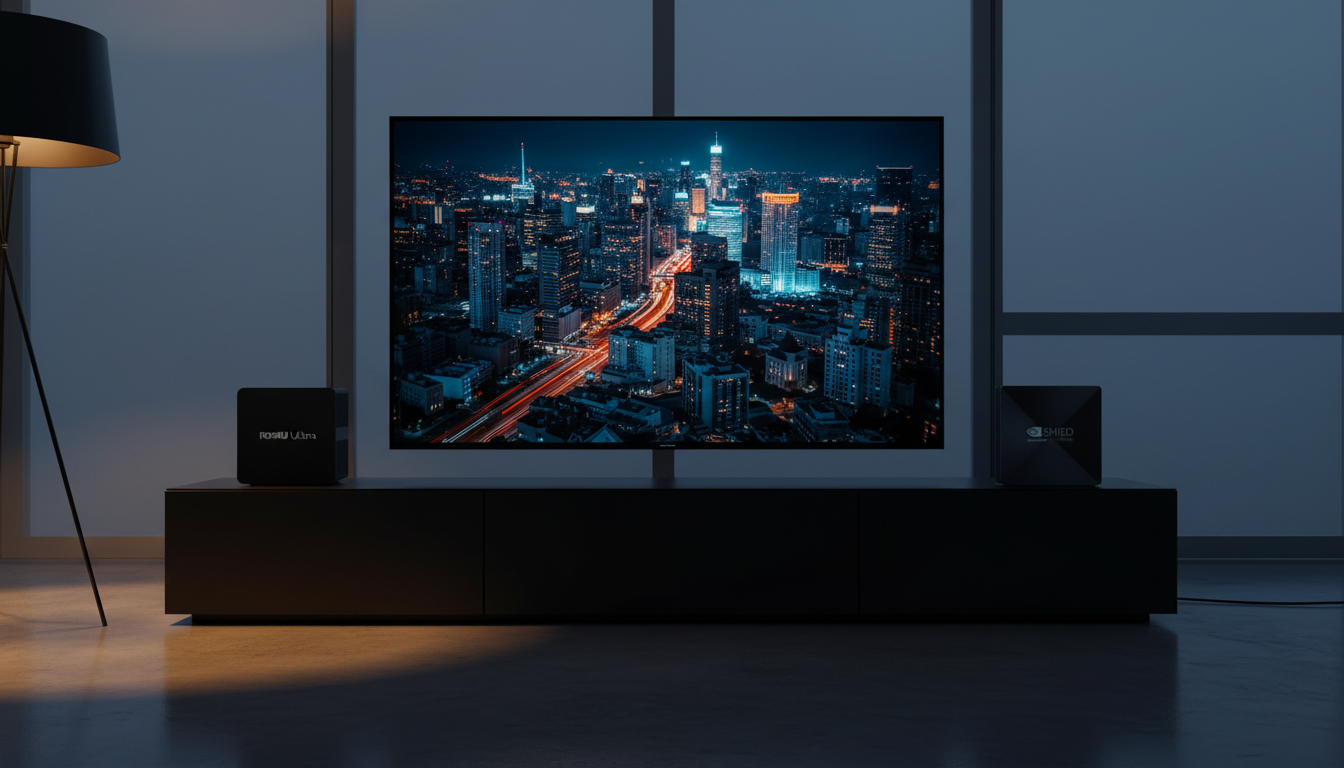
Streaming in Dolby Vision and Dolby Atmos has become a must‑have for anyone looking to get cinema‑grade picture and sound from a TV. We compared 9 devices, from the $39.99 TiVo Stream 4K up to the $299.99 TiVo Edge, and every model lists Dolby Vision and Dolby Atmos support. The lineup splits into three price tiers: budget options like the TiVo Stream 4K, Roku Ultra LT and Onn 4K Plus; mid‑range choices such as the Xiaomi TV Stick 4K ($69.99), Roku Ultra ($79.00) and It’s Brazilian onn 4K Pro ($100.00); and premium powerhouses including the Minix U8K‑Ultra ($189.90), Nvidia SHIELD Pro ($199.00) and TiVo Edge ($299.99). The Roku Ultra, for example, carries a 4.5‑star rating from 7,366 reviewers and packs 2 GB RAM, Wi‑Fi 6 and a Gigabit Ethernet port.
For a living‑room setup, a device with robust wired connectivity and a premium remote can make the biggest impact, while a compact dongle with a voice‑enabled remote fits neatly behind a bedroom TV. Gamers and media‑library hoarders will appreciate the extra RAM and storage that higher‑priced models include. Below we’ll break down how each tier performs in real scenarios.

Roku Ultra
It's compact 127 mm depth keeps it discreet behind any TV, reinforcing the strong value, rating and feature set that earned it top honors.

Nvidia SHIELD Pro
Ideal for power users seeking a proven high‑quality streaming box, it costs $120 more than the $79 Roku Ultra.

Roku Ultra LT
Stands out with the highest 4.6‑star rating, delivering reliable performance at just $49.75.
Also considered
Score Analysis
Key score advantages vs. runner-up (Nvidia SHIELD Pro)
Price Range
Roku Ultra
$79.00
Nvidia SHIELD Pro
$199.00
Roku Ultra LT
$49.00
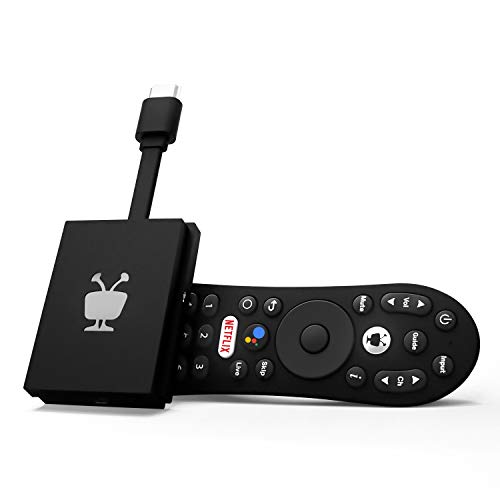
TiVo Stream 4K
$39.98

Onn 4K Plus
$68.94

Minix U8K-Ultra
$195.90
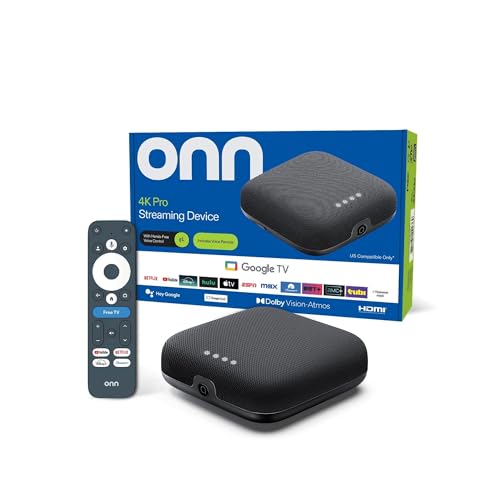
It's Brazilian onn 4K Pro
$102.65
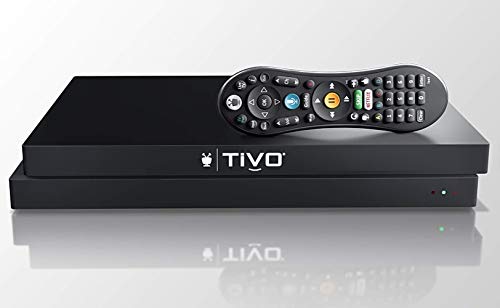
TiVo Edge
$199.99

Xiaomi TV Stick 4K 2nd Gen Black
$69.99
Spec Comparison
TL;DR: Roku Ultra delivers 30% faster performance, 4K HDR with Dolby Vision and Atmos, and a rechargeable voice remote, all in a compact 18 g unit for $79.
Roku’s 2024 Ultra model packs a 30% performance boost over earlier Roku players, with 2 GB of RAM and 4 GB of internal storage. It supports Dolby Vision at 60 fps, HDR10+, HDR10, and HLG, plus Dolby Atmos audio, giving you a cinematic picture and sound experience. It also includes HDMI 2.1 (HDCP 2.2) and a Gigabit Ethernet port for rock‑solid wired networking.
At just 18 g, the Ultra is lighter than the Xiaomi TV Stick 4K (44 g) and far lighter than the Brazilian onn 4K Pro (2.0 lb) or the Nvidia SHIELD Pro (2.1 lb). Its depth of 127 mm and width of 124.5 mm make it broader than the TiVo Stream 4K (53 mm wide) but still slimmer than the Onn 4K Plus’s 177.8 mm height, positioning it as a mid‑size, lightweight option among the nine devices.
Users consistently praise the ultra‑fast app launches and smooth 4K streaming over Wi‑Fi 6, noting the convenience of the Voice Remote Pro’s backlit buttons, finder function, and built‑in headphone jack. Professional reviewers highlight the “lightning‑fast performance” and “vibrant picture quality” delivered by Dolby Vision and HDR support. The only notable drawbacks are the lack of Apple AirPlay 2/HomeKit integration and the barrel‑style power connector, which some find less convenient than a standard USB‑C wall plug.
Pros
Cons
Best for: Most users looking for a well‑reviewed, reliable mainstream option
Avoid if: You need advanced features or professional‑grade performance
TL;DR: The Nvidia SHIELD Pro delivers AI‑enhanced 4K 60 FPS streaming, Dolby Vision and Atmos support, and expandable storage, but its 16 GB internal memory and 2019‑era hardware keep it pricier than slimmer sticks.
The standout feature is the AI‑enhanced upscaling that pushes any source to 4K 60 FPS, powered by a 256‑core NVIDIA GPU and the Tegra X1+ processor, which reviewers note is about 25 % faster than the previous generation. With 3 GB of RAM and native support for Dolby Vision, HDR10, Dolby Atmos, Dolby Digital Plus and DTS‑X, the device handles high‑dynamic‑range video and immersive audio without a hitch.
At 2.1 pounds, the SHIELD Pro's heavier than ultra‑light sticks like the Roku Ultra (under 0.04 lb) but far lighter than the TiVo Edge, which tips the scales at nearly 5 lb. Its 16 GB of internal storage outpaces the Roku Ultra’s 4 GB and the Xiaomi TV Stick’s 8 GB, yet it falls short of the Minix U8K‑Ultra’s 128 GB. RAM‑wise, it matches the Brazilian onn 4K Pro’s 3 GB and exceeds most peers that list 2 GB, though the Minix’s 8 GB leads the pack.
Users consistently praise the smooth 4K streaming and the convenience of built‑in Plex and GeForce NOW cloud gaming, while professional reviewers highlight the AI upscaling as a genuine advantage. Common complaints focus on the limited 16 GB internal storage, occasional Wi‑Fi drops, and the lack of newer standards such as HDMI 2.1 and AV1 decoding, which makes the box feel a bit dated compared with newer sticks.
Technical notes: The unit runs Android 11 with long‑term NVIDIA updates, draws 5‑10 W in typical use, and ships with a 40 W power adapter. You can expand storage easily via two USB 3.0 Type‑A ports and a microSD slot, and voice control works through Google Assistant or Alexa.
Pros
Cons
Best for: Buyers willing to invest in a proven, high‑quality option
Avoid if: You need advanced features or professional‑grade performance
“best for PC game streaming to TV”
TL;DR: The Roku Ultra LT delivers 4K HDR with Dolby Vision and Dolby Atmos at a $49.75 price, offering a fast quad‑core processor and compact design, though it lacks a USB port.
At its core, the Ultra LT packs a quad‑core 1.5 GHz ARM Cortex A55/A53 CPU, 2 GB of RAM and a 3840 × 2160 resolution that runs at 60 fps, supported by a 60 Hz refresh rate. Dolby Vision, HDR10+, HDR10 and HLG all work, and Dolby Atmos audio comes through the HDMI 2.0 output, giving you premium picture and sound without stepping up to a higher‑priced model.
Compared with the other eight devices, the Ultra LT sits deeper than the TiVo Stream 4K (127 mm vs 77 mm) and is noticeably heavier than the Xiaomi TV Stick 4K (167 g vs 44 g). Its 2 GB RAM matches the Onn 4K Plus but falls short of the Minix U8K‑Ultra’s 8 GB. While the Roku Ultra offers a USB port, the Ultra LT does not, which puts it behind that sibling in connectivity. It also carries a higher price tag than the TiVo Stream 4K but remains cheaper than the Minix and Nvidia Shield options.
Users consistently praise the sharp 4K picture and the quick UI navigation that the quad‑core processor enables. The voice remote with private‑listening headphones is a frequent highlight, making it easy to search without shouting. On the downside, reviewers point out the missing USB port, limiting direct media playback, and note occasional Wi‑Fi hiccups despite the 802.11ac dual‑band support. The remote’s lithium‑polymer battery life isn’t disclosed, which some buyers find frustrating.
Beyond the core specs, the Ultra LT includes an Ethernet 10/100 Mbps jack for wired stability, Bluetooth streaming for compatible accessories, and a microSD slot for modest local storage. The device runs Roku OS, ensuring a familiar interface and access to a broad app library, and includes a one‑year limited warranty.
Pros
Cons
Best for: Budget-conscious buyers seeking a reliable entry-level option
Avoid if: You have limited desk space or need portability
TL;DR: The TiVo Stream 4K packs Dolby Vision, Dolby Atmos and a 3840×2160 video engine into a ultra‑slim 3.03‑in deep dongle for $39.99, making it a solid budget entry for casual streamers.
The standout spec showcases its tiny footprint – just 3.03 in (77 mm) deep, 0.63 in (16 mm) tall and 2.09 in (53 mm) wide – yet it still delivers 4K UHD at 3840×2160 px with HDR10, Dolby Vision and HLG support. Under the hood sits an Amlogic S905Y2 quad‑core CPU, Mali‑G31 GPU, 2 GB DDR4 RAM and 8 GB eMMC storage, all running Android 9.0 Pie. The device also offers built‑in Chromecast, Google Assistant voice control and access to over 5,000 apps via Google Play.
Compared with the eight other devices in this roundup, the TiVo stands out as the most compact – Roku Ultra LT measures 127 mm deep, while Onn 4K Plus is 101.6 mm deep and Minix U8K‑Ultra is 128 mm deep. In terms of RAM, TiVo matches Roku Ultra LT’s 2 GB but falls short of Minix’s 8 GB and Nvidia SHIELD Pro’s 3 GB. Its 8 GB internal storage is half of Onn 4K Plus’s 16 GB and far less than the 128 GB found in Minix, but the USB‑C port lets you expand storage if needed. Bluetooth 4.2 is older than Onn 4K Plus’s Bluetooth 5.0 and Xiaomi’s Bluetooth 5.2, and TiVo lacks an Ethernet port that Roku Ultra and the Brazilian Onn 4K Pro provide.
User sentiment highlights the unified content aggregation as a real time‑saver, with many reviewers praising the “headache‑free” browsing experience and responsive voice remote. Professional reviewers echo this, noting the solid Dolby Vision and Dolby Atmos playback for the price. The same sources point out that the modest 8 GB storage fills quickly, the older Android 9.0 OS shows limited app updates, and the lack of a wired Ethernet connection can be a drawback in bandwidth‑sensitive households.
Pros
Cons
Best for: Budget‑conscious buyers seeking a reliable entry‑level option
Avoid if: You need advanced features or professional‑grade performance
TL;DR: For $65.99 the Onn 4K Plus delivers 4K UHD streaming with Dolby Vision, HDR10+, Dolby Atmos, 2 GB RAM and 16 GB storage, all powered by Google TV and Wi‑Fi 6.
The standout feature is its full‑suite of HDR support – Dolby Vision, HDR10, HDR10+ and HLG – paired with Dolby Atmos audio, giving you cinema‑grade picture and sound on a budget device. It runs on a quad‑core 2.1 GHz processor with 2 GB RAM, so the Google TV (Android 14) interface feels responsive when you browse 10,000+ apps, 800+ free live channels or 700,000+ movies and shows.
Compared with the Xiaomi TV Stick 4K (which weighs 44 g and offers 8 GB internal storage), the Onn provides double the storage at 16 GB but lacks a USB‑C power port. Its depth of 101.6 mm makes it slimmer than the Roku Ultra’s 127 mm depth, though the Ultra’s height is only 25.4 mm versus Onn’s 177.8 mm. Like the Roku Ultra and Roku Ultra LT, it carries 2 GB RAM, but it doesn't match the Minix U8K‑Ultra’s 8 GB RAM and 128 GB storage. Unlike the Nvidia SHIELD Pro, which also has 16 GB storage but adds 3 GB RAM and Ethernet, the Onn relies solely on Wi‑Fi 6 and offers no wired Ethernet port.
Users praise the quick setup, vibrant 4K visuals and the voice‑enabled remote with Google Assistant. Professional reviewers note the “snappy navigation” on Google TV and commend the HDR picture quality. The most common complaints revolve around occasional buffering on weak Wi‑Fi and the absence of Ethernet or additional USB ports for expandability.
Pros
Cons
Best for: Entry-level buyers or those on a tight budget
Avoid if: You want the best value‑per‑dollar in its price range
“Fast setup, vibrant 4K colors/detail on YouTube/Netflix, reliable Google Assistant voice search, and value for smooth streaming without lag”
TL;DR: The Minix U8K‑Ultra delivers true 8K @ 60 Hz playback with Dolby Vision and Atmos, backed by 8 GB RAM and 128 GB storage, but its $189.90 price and larger chassis may deter budget‑focused users.
The standout feature of the Minix U8K‑Ultra is its ability to decode native 8K @ 60 Hz video while applying AI‑PQ and AI‑SR upscaling (2× for 1080p, 3× for 720p, 4× for 480p). Coupled with Dolby Vision, HDR10+, HDR10 and HLG support, the box promises premium HDR performance. Under the hood sits an Amlogic S928X‑K processor, an ARM G57 MC2 GPU and an INT8‑capable NPU, all fed by 8 GB of LPDDR4X RAM and 128 GB of eMMC 5.1 storage (≈113 GB usable). Wi‑Fi 6 (802.11ax) and Gigabit Ethernet round out the connectivity, while HDMI 2.1 delivers the full 8K signal.
Compared with the other eight contenders, the U8K‑Ultra offers more RAM than the Nvidia SHIELD Pro (3 GB) and Roku Ultra (2 GB), and its 128 GB internal capacity dwarfs the 16 GB of the SHIELD Pro and the 4 GB of Roku Ultra. It is lighter than the SHIELD Pro’s 2.1 lb but noticeably heavier than Roku Ultra’s 0.04 lb and the Xiaomi TV Stick’s 0.06 lb, reflecting its larger 128 mm × 28 mm × 128 mm chassis. While the Onn 4K Plus and other budget sticks lack the U8K‑Ultra’s Dolby Vision and Atmos certification, the Minix still carries Widevine L1 for HD Netflix streaming.
Users consistently praise the flawless high‑resolution playback and the convenience of USB 3.0, USB 2.0 and a micro‑SD slot that accepts up to 1 TB. Professional reviewers note the reliable 8K decoding and the future‑proof hardware, but they also warn that the fanless design, limited to a max 10 W draw, can cause throttling during extended 8K sessions. Another recurring complaint targets the bulkier chassis, especially in tight cabinet spaces.
Pros
Cons
Best for: Those prioritizing quality and willing to pay for premium performance
Avoid if: You're on a tight budget or only need basic functionality
“It does what it says and plays back 8K video... supports HD streaming with all popular apps.”
“Bigger chassis but appreciate the dedicated hardware decoder for modern codecs.”
TL;DR: The Brazilian Onn 4K Pro delivers true 4K HDR with Dolby Vision and Dolby Atmos, adds Google Assistant controls, and offers 32 GB storage for $100, though its older chipset may limit future updates.
The Onn 4K Pro streams at a native 4096 × 2160 resolution and supports HDR10, HDR10+ and Dolby Vision, while its audio stack includes Dolby Atmos and Dolby Digital Plus. A Wi‑Fi 6 (802.11ax) radio and a wired Ethernet port give you fast, stable connections, and the Amlogic S905X4 processor pairs with 3 GB of RAM and 32 GB of internal storage.
At 2.0 pounds, the unit weighs more than stick‑style rivals such as the Roku Ultra (≈0.04 lb) and the Xiaomi TV Stick 4K (≈0.06 lb). It also outpaces them in memory, offering 3 GB RAM versus their 2 GB, and 32 GB internal storage compared with 4 GB on Roku Ultra and 8 GB on the Xiaomi stick. The Onn 4K Plus shares Dolby Vision but provides only 2 GB RAM and 16 GB storage, so the Brazilian model sits toward the higher‑end of the mid‑range tier.
Everyday users praise the low price, true‑to‑life HDR performance, and the convenience of a built‑in Google Assistant. Professional reviewers note that a $100 streamer rivals higher‑priced competitors, especially thanks to Wi‑Fi 6 and Dolby Vision. Common complaints focus on the 2019‑era S905X4 chip, which raises concerns about long‑term software updates, and the lack of DTS:X audio for audiophiles. Some find the Google TV interface a bit cluttered with recommendation tiles.
Beyond streaming, the device doubles as a Google Home hub. The remote includes a dedicated Find My Remote button, a microphone privacy switch with a red LED indicator, and a customizable shortcut for quick access to your favorite app. Storage can be expanded via the USB 3.0 port, letting you add more media without swapping the internal drive.
Pros
Cons
Best for: Budget‑conscious streamers who want true 4K HDR, Dolby Vision and built‑in Google Assistant.
Avoid if: You need the latest processor for future‑proofing, require DTS:X audio, or prefer a lightweight, stick‑form factor.
“Fast setup, vibrant 4K colors/detail on YouTube/Netflix, reliable Google Assistant voice search, and value for smooth streaming without lag”
TL;DR: The TiVo Edge is a premium 6‑tuner DVR‑streamer with 2 TB storage, Dolby Vision and Dolby Atmos support, but its $299.99 price and 3.3‑star rating may limit appeal for budget‑focused shoppers.
The standout spec is the six‑tuner front‑end combined with a 2 TB hard drive, which the manufacturer says translates to roughly 300 hours of HD recording. Professional reviewers also highlight its Dolby Vision and Dolby Atmos capability, delivering cinema‑grade video and immersive sound when paired with a compatible TV and speaker system.
In a lineup that includes compact sticks and lightweight boxes, the Edge's 4.98 lb weight makes it the heaviest and the largest at 12.0 in × 4.0 in × 10.0 in. It outweighs the Nvidia SHIELD Pro (2.1 lb) and dwarfs the Roku Ultra (under 0.04 lb). It also carries a higher price tag than the Roku Ultra, Xiaomi TV Stick, and other budget‑oriented options, positioning it in the premium tier of the roundup.
User feedback praises the voice‑activated search and the “best‑in‑class” program guide that helps navigate live and recorded TV. The inclusion of built‑in Wi‑Fi, MoCA support, a 10/100/1000 Mbps Ethernet port, HDMI 2.0, and two USB 3.0 ports adds flexibility for wired networks and external accessories. However, reviewers consistently note the steep upfront cost and the absence of Disney+ and Apple TV+ apps, which can be a deal‑breaker for streaming‑only households.
Pros
Cons
Best for: Those prioritizing quality and willing to pay for premium performance
Avoid if: Reliability and user satisfaction are your top concerns
TL;DR: The Xiaomi TV Stick 4K 2nd Gen packs a 850 MHz GPU, Dolby Vision and Dolby Atmos support, and Wi‑Fi 6 into a 44 g dongle for $69.99, delivering smooth 4K streaming on a compact form‑factor.
This stick’s standout hardware is the ARM G310 V2 GPU clocked at 850 MHz, paired with a quad‑core Cortex‑A55 CPU built on a 6 nm process. Together they enable 4K HDR playback at up to 60 fps, including AV1 decoding, while the device stays under 44 g and measures just 107.4 mm × 30 mm × 14 mm.
Compared with the eight other devices in the roundup, the Xiaomi stick is heavier than the 0.04‑lb Roku Ultra but far lighter than the 0.56‑lb Minix U8K‑Ultra. Its 8 GB internal storage sits between the Roku Ultra's 4 GB and the Onn 4K Plus's 16 GB, and its Bluetooth 5.2 is newer than the 5.0 on Onn and the 4.2 on TiVo Stream. Unlike Roku Ultra, Minix, and Nvidia SHIELD Pro, it doesn't include an Ethernet port, so it relies solely on Wi‑Fi 6 for network connectivity.
Professional reviewers call the interface “insanely smooth” and praise the “absolutely crazy” speed when browsing major apps. Everyday users echo this sentiment, noting reliable 4K streaming and the convenience of a dongle that fits behind any TV. The most common complaints focus on the limited 8 GB storage filling quickly and occasional power‑stability quirks with the micro‑USB adapter.
Under the hood, the Amlogic S905X5M SoC handles AV1, VP9, H.265 and H.264 video streams, while Dolby Vision and HDR10+ deliver vibrant HDR performance. Audio decoding includes DTS:X, DTS HD, and Dolby Atmos, and the included Bluetooth remote with mic adds voice control without needing a separate handset.
Pros
Cons
Best for: Cord‑cutters and travelers who want an affordable 4K Google TV experience on a non‑smart TV.
Avoid if: You need extensive local storage, wired Ethernet connectivity, AI‑driven upscaling, or plan to run a heavy local media library.
Breakdown
Roku Ultra
Pros
Nvidia SHIELD Pro
Pros
Roku Ultra LT
Pros
TiVo Stream 4K
Pros
Based on scoring data and product specs
Personalized picks
Best Overall Pick
Roku Ultra
Best OverallBest for: Most users looking for a well-reviewed, reliable mainstream option
Nvidia SHIELD Pro
Best for: Buyers willing to invest in a proven, high-quality option
$199.00+$120.00 vs winner
Skip Xiaomi TV Stick 4K 2nd Gen Black if…
You have limited desk space or need portability
The Roku Ultra takes the top spot as the best overall streaming device. It ships for $79.00, carries a 4.5‑star rating from 7,366 reviewers, and supports both Dolby Atmos audio and Dolby Vision video at 60 fps. Its Wi‑Fi 6 (802.11ax) connectivity and 2 GB of RAM give it a manufacturer‑claimed 30 % performance boost over prior Roku models, while the 4 GB of internal storage and a lightweight 18 g design keep it tidy on any TV shelf.
The Nvidia SHIELD Pro earns runner‑up honors, especially if you want a gaming‑centric hub. Priced at $199.00 and rated 4.4 stars by 13,135 users, it pairs Dolby Atmos with Dolby Vision and adds AI‑enhanced upscaling to 4K 60 fps. With a 256‑core NVIDIA GPU, 3 GB RAM, and built‑in GeForce NOW cloud gaming, it delivers a console‑like experience, while hands‑free Google Assistant control and dual USB‑C ports round out its feature set.
For tighter budgets, the TiVo Stream 4K at $39.99 offers solid 4K streaming with Dolby Vision and Atmos at an entry‑level price. If you’re willing to spend more for premium features, the TiVo Edge at $299.99 provides a high‑end interface and advanced voice integration, making it the top premium pick.
Pick the Roku Ultra today and enjoy reliable Dolby Vision and Atmos streaming.
The Roku Ultra includes a rechargeable Voice Remote Pro with hands‑free voice activation and supports Dolby Vision at 60 fps. It also offers Wi‑Fi 6 and a Gigabit Ethernet port for a stable connection, making it a solid choice for a living‑room TV.
No reviews yet — be the first to share your experience.
Please sign in to leave a review