
We’ve lined up 11 VR‑ready desktops, from entry‑level rigs to high‑end workhorses, and the CyberPowerPC Gamer Xtreme RTX 5060 Ti grabs the top spot. It costs $1359.99, carries a 4.7‑star rating from 396 reviewers, and earned the top award, making it a solid pick for anyone who wants strong 1080p/1440p VR performance without building a PC from scratch.
Our selection spans three price tiers. The budget corner features the CyberPowerPC Gamer Xtreme VR (RTX 4060) at $1039.99, the standard CyberPowerPC Gamer Xtreme VR at $1129.00, and the RTX 5060 Ti model at $1249.00, all with 4.6‑plus‑star ratings. Mid‑range options include the CyberPowerPC Gamer Xtreme VR (i5‑14400F) for $1299.99, the top‑ranked RTX 5060 Ti at $1359.99, and the MSI Codex Z2 RTX 5060 at $1362.98. Premium contenders step up with the MSI Codex Z2 RTX 5070 at $2099.00, The Horizon Autherium at $2429.99 with a 4.8‑star rating, and the MSI Aegis R2 RTX 5070 Ti at $2449.99.
Below you’ll find a closer look at each model’s strengths, so you can match the right VR‑ready PC to your headset and budget.

CyberPowerPC Gamer Xtreme RTX 5060 Ti
Five fans (Fans Count: 5) provide strong cooling, keeping VR performance steady during marathon sessions.

The Horizon Autherium
Ideal for performance‑focused gamers willing to invest—priced about $1,070 higher than the Best Overall model.

CyberPowerPC Gamer Xtreme VR
Offers immersive 7.1‑channel HD audio and Bluetooth 5.3, catering to budget builds that still want high‑fidelity sound without the higher price tag.
Also considered
Score Analysis
Key score advantages vs. runner-up (The Horizon Autherium)
Price Range
CyberPowerPC Gamer Xtreme RTX 5060 Ti
$1,359.99
The Horizon Autherium
$3,259.99
CyberPowerPC Gamer Xtreme VR
$1,129.99

CyberPowerPC Gamer Xtreme VR (RTX 4060)
$1,149.99
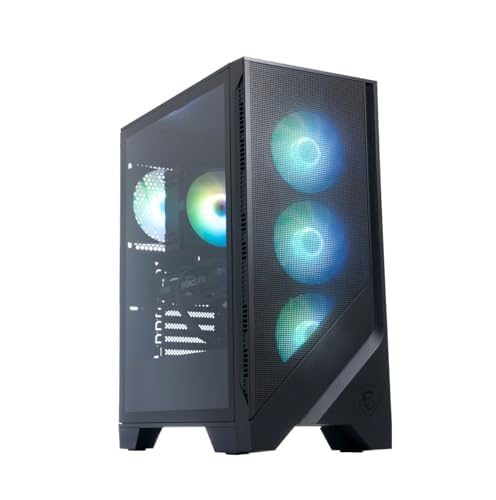
MSI Codex Z2 RTX 5060
$1,369.99

MSI Codex Z2 RTX 5070
$1,899.99

CyberPowerPC Gamer Xtreme VR (i5-14400F)
$1,349.99
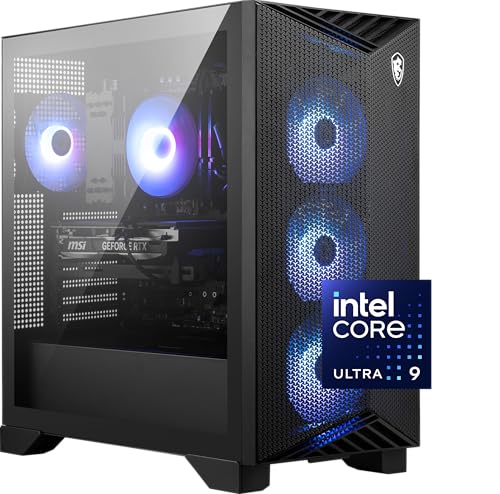
MSI Aegis R2 RTX 5070 Ti
$2,449.99

CyberPowerPC Gamer Xtreme VR (RTX 5060)
$1,299.99
CyberPowerPC Gamer Xtreme VR (RTX 5060 Ti)
$1,249.00
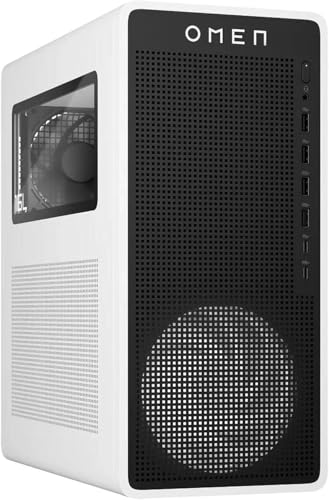
HP OMEN 16L Ultra 7 Ti
$1,239.99
Spec Comparison
TL;DR: The CyberPowerPC Gamer Xtreme RTX 5060 Ti packs a 16 GB GDDR6 GPU, 16 GB DDR5‑6000 RAM and five fans into a $1,359.99 mid‑tower that delivers solid 1080p‑1440p and VR performance, though early‑boot quirks may need a BIOS tweak.
This model stands out with a dedicated 16 GB GDDR6 graphics memory and a 16 GB DDR5 kit running at 6000 MHz, both of which are high‑end specs for the $1,359 price point. The chassis houses five fans and an optional liquid cooler, promising ample airflow for the i7‑14700F and its 20 cores (28 threads) under load.
When you line it up against the other ten contenders, its price sits right alongside the MSI Codex Z2 RTX 5060, which also retails near $1,360. In terms of heft, the Gamer Xtreme’s 14,600 g chassis is lighter than the MSI’s 21.3‑pound frame, yet noticeably lighter than the CyberPowerPC Gamer Xtreme VR (i5‑14400F) that tips the scales at over 34 pounds. It also offers more USB‑C ports (2) than the MSI’s single front‑panel USB‑C, and a richer port mix overall.
Reviewers consistently praise the out‑of‑the‑box gaming feel, noting the fast 1 TB PCIe 4.0 NVMe SSD and the 7.1‑channel HD audio for immersive sessions. Professional voices highlight the i7‑14700F’s strong multi‑threaded performance and the efficient RTX 5060 Ti for 1080p‑1440p VR titles. However, a recurring theme is that users must apply a BIOS update before the system boots reliably, and the default fan configuration leans toward intake, which some users adjust for quieter operation.
Pros
Cons
Best for: Buyers in the mid price range seeking the best quality at that price point
Avoid if: You need a built‑in DVD/CD drive, have very limited desk space, or want a flawless out‑of‑the‑box boot experience
“Runs The Sims 4 with massive mods flawlessly”
“Boots in seconds after BIOS update”
TL;DR: The Horizon Autherium packs a 16‑core i9, 64 GB DDR4 RAM and an RTX 5070 OC into a full‑tower with 11 fans and a 360 mm AIO, delivering premium VR‑ready performance at $2429.99.
The standout spec is the combination of an unlocked Intel Core i9 (16 cores, 24 threads, 3.2 GHz base, 5.4 GHz turbo) with a massive 64 GB of DDR4 RAM running at 3200 MHz. Pair that with an NVIDIA GeForce RTX 5070 OC that carries 12 GB of GDDR7X VRAM, and you get a machine built for 4K‑plus gaming and heavy content‑creation workloads.
Compared with the other ten entries, this system runs hotter on paper but counters that with 11 system fans and a 360 mm AIO liquid cooler—far more than the four‑fan setups on the MSI Aegis R2, MSI Codex Z2, and the five‑fan CyberPowerPC Xtreme models. It also weighs 35.0 lb, which makes it heavier than the MSI Aegis R2 (26.9 lb) and the MSI Codex Z2 (21.3 lb). In the memory department, the Autherium’s 64 GB dwarfs the 32 GB that the MSI Codex Z2 RTX 5070 includes and the 16 GB in the CyberPowerPC Xtreme RTX 5060 Ti. Its storage mix—1 TB NVMe Gen 4 SSD (7000 MB/s read) plus a 4 TB 7200 RPM HDD for a total of 5 TB—outpaces the single‑drive configurations the peers list.
User feedback repeatedly praises the raw horsepower, noting that the i9’s unlocked multiplier lets enthusiasts push clocks higher, while the RTX 5070 OC “delivers ultra‑smooth ray‑traced frames” in VR titles. Professional reviewers highlight the AI‑driven cooling system that keeps noise low even under load. On the downside, a handful of owners mention occasional Wi‑Fi speed hiccups despite the up‑to‑2.4 Gbps Wi‑Fi 6E module, and the full‑tower chassis can dominate a modest desk footprint.
Pros
Cons
Best for: Those prioritizing quality and willing to pay for premium performance
Avoid if: You're shopping on a tight budget — it's priced at $2429.99
“Runs everything flawlessly—games, video editing, and 100+ Chrome tabs.”
“I’ve installed 50+ games and still have over 3 TB free.”
TL;DR: The CyberPowerPC Gamer Xtreme VR packs an Intel i5‑13400F, 16 GB DDR5 at 6000 MHz, an RTX 4060 with 8 GB VRAM and a 1 TB PCIe 4.0 SSD for $1,129, delivering solid 1080p and VR performance in a stylish mid‑tower.
What really stands out is the combination of a 2.5 GHz Intel Core i5‑13400F (10 cores, 16 threads) and an NVIDIA GeForce RTX 4060 with 8 GB of VRAM. Paired with 16 GB of DDR5 RAM running at 6000 MHz, the system can handle modern 1080p titles and most VR headsets without a hitch. The 1 TB PCIe 4.0 NVMe SSD adds rapid load times, and the 7.1‑channel HD audio delivers immersive sound straight from the tower.
Compared with the other ten entries, this model sits in the middle of the weight range at 28.6 pounds—lighter than the RTX 4060 variant at 30.6 pounds and the RTX 5060 Ti models that tip over 34 pounds, but heavier than the MSI Codex Z2 RTX 5060’s 21.3 pounds. Its height of 594 mm also makes it taller than the RTX 4060’s 498 mm chassis, while the depth of 380 mm is shorter than the 478 mm depth of the RTX 5060 Ti. In graphics memory, its 8 GB VRAM matches the RTX 5060 Ti units, yet its 6000 MHz RAM speed outpaces the RTX 4060’s 5200 MHz, giving it a modest edge in memory bandwidth.
Users consistently praise the out‑of‑the‑box experience: the PC boots into Windows 11 Home, the included full‑size keyboard and mouse work straight away, and reviewers note the quiet cooling solution despite the mid‑tower’s tempered‑glass side panel. Professional reviewers highlight the RTX 4060’s efficiency and DLSS 3 support, confirming that the system meets the minimum specifications for popular VR headsets like the Valve Index and Meta Quest. On the flip side, a few owners mention that the 600 W power supply could become a bottleneck if you plan to upgrade to a higher‑end GPU later on.
Pros
Cons
Best for: Budget‑conscious buyers seeking a reliable entry‑level option
Avoid if: You want the best value‑per‑dollar in its price range
“Runs The Sims 4 with massive mods flawlessly”
“Boots in seconds after BIOS update”
TL;DR: At $1039.99, the CyberPowerPC Gamer Xtreme VR packs an RTX 4060, 16 GB DDR5 RAM at 5200 MHz, and a 1 TB PCIe Gen4 SSD, delivering solid 1080p gaming in a sleek tempered‑glass case.
The standout component is the NVIDIA GeForce RTX 4060 with 8 GB GDDR6 memory, paired with 16 GB DDR5 SDRAM running at 5200 MHz. Together with a 1 TB PCIe Gen4 NVMe SSD, the machine offers fast load times and solid frame rates at 1080p. The Intel Core i5‑13400F (10‑core, 2.5 GHz base) rounds out the CPU side, while the chassis measures 19.60626 in tall, 18.1102 in deep, and 9.25195 in wide, weighing 30.6 lb.
Compared with the other ten entries, this system sits in the middle of the weight range—heavier than the MSI Codex Z2 (21.3 lb) but lighter than the RTX 5060 Ti model (34.25101702432 lb). It also carries a lower price tag than the RTX 5060 Ti version, making it a more budget‑friendly choice. In connectivity, the B0DW4BY993 unit lists Bluetooth 5.3, while this PC uses Bluetooth 4.2, and both share a 1 Gbps Ethernet port. The B0DW4BY993 weighs 28.6 lb, so the Xtreme VR is a bit heavier.
User feedback praises the smooth 1080p experience, fast SSD load times, and the eye‑catching tempered‑glass side panel with customizable RGB lighting. Professional reviewers echo the strong performance‑to‑price ratio and note the upgrade‑friendly interior layout. However, several owners mention quality‑control issues such as fans that don’t spin and dents or misaligned glass panels, which can affect long‑term reliability.
The system also supports 7.1‑channel surround sound, includes a keyboard and mouse, and runs Windows 11 Home 64‑bit out of the box. The 1 Gbps LAN connection provides stable wired networking, though the Wi‑Fi 5 (802.11ac) and Bluetooth 4.2 are older standards. CyberPowerPC backs the machine with a 1‑year parts‑and‑labor warranty plus free lifetime tech support.
Pros
Cons
Best for: Budget-conscious buyers seeking a reliable entry-level option
Avoid if: You have limited desk space or need portability
“Runs The Sims 4 with massive mods flawlessly”
“Boots in seconds after BIOS update”
TL;DR: The MSI Codex Z2 RTX 5060 packs a Ryzen 7 8700F, 32 GB DDR5, and an RTX 5060 in a compact 16×8.38×19‑inch tower, delivering solid 1080p VR‑ready performance at $1362.98.
What really stands out is the 32 GB DDR5 memory paired with an AMD Ryzen 7 8700F that runs at a 4.1 GHz base clock. Coupled with 8 GB of GDDR7 GPU VRAM, the system can handle most modern titles at 1080p and meets the VR Ready 3840 × 2160 resolution requirement. The chassis measures 16.0 in deep, 8.38 in wide and 19.0 in tall, making it a space‑saving option for smaller desks.
Compared with the other ten contenders, the Codex Z2 is lighter than the CyberPowerPC Gamer Xtreme VR (i5‑14400F) at 34.2 pounds, yet it offers twice the RAM capacity of the CyberPowerPC Gamer Xtreme RTX 5060 Ti, which lists 16 GB. Both the Codex Z2 and the CyberPowerPC RTX 5060 Ti share the same 8 GB GDDR7 GPU memory, but the MSI unit runs fewer system fans (4 versus 5) while still delivering quiet operation that reviewers praise. The MSI Codex Z2 RTX 5070 carries a larger 12 GB GPU memory and a similar fan count, highlighting that the Z2’s 8 GB is modest within the same series.
User feedback repeatedly mentions the AI‑driven Frozr cooling system that keeps noise low during long sessions, and the inclusion of a full‑size keyboard and mouse makes the PC truly plug‑and‑play. Professional reviewers also note the clean cable management and the modern DDR5/PCIe 4.0 storage combo, which together future‑proof the build. Connectivity is solid with Bluetooth 5.3, Wi‑Fi 6, a Gigabit LAN port, and a mix of USB‑C, USB‑3.0, HDMI and DisplayPort connections.
Pros
Cons
Best for: Most users seeking a balanced, mainstream option
Avoid if: You're shopping on a tight budget — it's priced at $1362.98
“Runs The Sims 4 with massive mods flawlessly”
“Boots in seconds after BIOS update”
TL;DR: The MSI Codex Z2 RTX 5070 packs an AMD Ryzen 7 8700F, 12 GB RTX 5070 GPU, 32 GB DDR5 RAM and 2 TB SSD in a compact 21.3‑lb chassis for strong 1080p‑1440p VR‑ready gaming.
The standout spec is the 12 GB of GPU memory paired with DLSS 4.0, which lets the system deliver smooth frame rates at 1080p and solid performance at 1440p. The machine also carries a 32 GB DDR5 kit running at 6000 MHz, giving plenty of bandwidth for modern titles.
At 21.3 pounds, the Codex Z2's lighter than the Horizon Autherium’s 35.0‑pound chassis and lighter than MSI’s own Aegis R2 at 26.9 pounds, while matching the weight of the MSI Codex Z2 RTX 5060. It uses four 120 mm fans, fewer than the Horizon’s eleven‑fan design but comparable to the Aegis R2’s four‑fan setup.
Reviewers consistently note the out‑of‑the‑box performance, especially the balance between the eight‑core, 16‑thread Ryzen 7 8700F (4.1 GHz base) and the RTX 5070 GPU. Users appreciate the quiet operation during light use, though the fans become audible under heavy load. Some owners point out that the base configuration ships with a single 16 GB RAM stick, which can limit dual‑channel performance until upgraded.
Technical extras include a 2.5 Gbps Ethernet port, Wi‑Fi 6E, Bluetooth 5.3, and MSI Center‑controlled ARGB lighting. The 650 W 80+ Bronze PSU provides ample headroom for future upgrades, and the 2 TB NVMe SSD ensures fast game load times.
Pros
Cons
Best for: Those prioritizing quality and willing to pay for premium performance
Avoid if: You need advanced features or professional‑grade performance
“Great starter computer”
“Super-quiet fans”
TL;DR: At $1,299.99 the CyberPowerPC Gamer Xtreme VR earns a 4.6‑star rating from 729 reviewers, praised for its solid VR‑ready performance and attractive design while some note basic peripherals.
The CyberPowerPC Gamer Xtreme VR (i5‑14400F) sits in the mid‑range price tier of this 11‑product VR‑ready roundup, ranking seventh overall. Its 4.6‑star rating out of five places it among the higher‑rated options, indicating strong approval from a sizable community of 729 reviewers.
Customers repeatedly highlight the PC’s ability to handle VR titles and mainstream games smoothly, complimenting the fast storage, DDR5 memory, and the eye‑catching tempered‑glass case with customizable RGB lighting. Reviewers also appreciate the inclusion of a keyboard and mouse, as well as lifetime technical support. On the downside, users point out that the supplied keyboard and mouse feel inexpensive, and the lack of clear information about the power supply brand raises some concerns.
Given its price and rating, this model positions itself as a reliable, mainstream choice for gamers who want a ready‑to‑play VR system without stretching their budget. It’s a well‑reviewed package that balances performance and aesthetics, though buyers should be prepared to upgrade the peripherals if they desire higher‑end input devices.
Pros
Cons
Best for: Most users looking for a well‑reviewed, reliable mainstream option
“Runs The Sims 4 with massive mods flawlessly”
“Boots in seconds after BIOS update”
TL;TD: The MSI Aegis R2 RTX 5070 Ti packs a 24‑core Intel Core Ultra 9 CPU, 1406 TOPS AI engine and 16 GB GDDR7 VRAM, delivering premium 4K VR‑ready performance at a $2,449.99 price tag.
At the heart of the Aegis R2 sits an Intel Core Ultra 9 285 with 24 cores (8 performance, 16 efficient), a base clock of 2.5 GHz and a boost up to 5.6 GHz, paired with an NVIDIA RTX 5070 Ti that offers 16 GB GDDR7 VRAM and a reported 1406 TOPS AI performance. The motherboard supports up to 256 GB DDR5 across four slots, while the standard configuration ships with 32 GB DDR5 running at 6000 MHz.
Compared with other machines in this roundup, the Aegis R2 carries a higher price point and sits in the premium tier. It's lighter than the Horizon Autherium’s 35 lb chassis but heavier than the MSI Codex Z2’s 21.3 lb build, and its four system fans match the fan counts of the Codex models while delivering MSI’s Silent Storm Cooling AI for quieter operation.
Early owners frequently highlight the flawless 4K gaming experience and the convenience of the bundled MSI keyboard and mouse, while professional reviewers note the forward‑thinking Wi‑Fi 7 and Thunderbolt 4 ports for creators and streamers. Common criticisms focus on the single front‑panel USB‑C connection, the absence of an SD‑card reader, and the $2,449.99 price that can feel steep for non‑hardcore users.
Network performance benefits from a 5 Gb LAN port and Bluetooth 5.3, and a 2 TB M.2 NVMe SSD covers storage, with three additional M.2 slots for future upgrades. The 750 W 80+ Gold PSU supplies ample headroom for the RTX 5070 Ti, and the system runs Windows 11 Home out of the box, with an option to upgrade to Pro.
Pros
Cons
Best for: Those prioritizing quality and willing to pay for premium performance
Avoid if: You’re a casual gamer, need a built‑in SD card reader, or are looking for a budget‑friendly build
“Great starter computer”
“Super-quiet case fans”
TL;DR: The CyberPowerPC Gamer Xtreme VR (RTX 5060) packs a 2,527 MHz GPU boost clock, 32 GB DDR5‑6400 memory, 2 TB NVMe storage and 2.5 Gbps networking for solid 1080p VR‑ready gaming in a sleek tempered‑glass chassis.
The standout spec is the NVIDIA GeForce RTX 5060 with a 2,527 MHz boost clock and 8 GB GDDR7 VRAM, paired with a fast 32 GB DDR5 kit running at 6,400 MHz. Combined with a 2 TB PCIe 4.0 NVMe SSD, the system delivers plenty of bandwidth for modern games and VR titles while the 2.5 Gbps Ethernet link ensures low‑latency online play.
When you line it up against the other ten entries, the networking advantage is clear – the RTX 4060 and other CyberPowerPC models list a 1 Gbps LAN, so the 2.5 Gbps port is noticeably faster. Memory-wise, the 32 GB of DDR5 at 6,400 MHz outpaces the 16 GB 5,200 MHz kits that the RTX 4060 variant uses and the 16 GB DDR5 in the RTX 5060 Ti version. All three RTX 5060‑based machines share the same 8 GB VRAM amount, but the GDDR7 type in this build is a step ahead of the GDDR6 used in the RTX 4060.
Reviewers consistently praise the strong 1080p performance and the eye‑catching tempered‑glass case with RGB lighting. Professional testers note the system’s “bloat‑free” Windows 11 install and the generous 2 TB SSD that eliminates the need for early upgrades. The downside that keeps coming up is the 120 mm air CPU cooler, which many describe as “obnoxiously loud,” and the 600 W PSU that sits just above the 550 W minimum, limiting future high‑end GPU swaps. Users also mention the side‑panel’s peg‑and‑hole attachment can be tricky to reseat.
Under the hood, the Intel Core Ultra 5 225F runs a 3.3 GHz base clock and can boost to 4.9 GHz while staying within a 65 W TDP, keeping power draw modest. The 600 W 80+ Gold PSU supplies enough juice for the current configuration, and the motherboard offers four SATA ports at 6 Gbps, plus a mix of front‑panel USB‑C (20 Gbps) and USB‑A (5 Gbps) connections for fast peripheral access.
Pros
Cons
Best for: gamers who want a VR‑ready, 1080p desktop with plenty of fast memory and storage, plus a stylish case, without worrying about immediate high‑end upgrades.
Avoid if: you need advanced features or professional‑grade performance that exceeds the 600 W power budget.
“Runs The Sims 4 with massive mods flawlessly”
“Boots in seconds after BIOS update”
TL;DR: The CyberPowerPC Gamer Xtreme VR with RTX 5060 Ti offers 8 GB GDDR7 graphics, 6,400 MHz DDR5 RAM and a 2 TB SSD for $1,249, delivering solid 1080p VR performance in a striking RGB‑lit glass chassis.
The standout hardware includes an NVIDIA RTX 5060 Ti GPU clocked up to 2,527 MHz and 8 GB of GDDR7 VRAM, paired with up to 32 GB of DDR5 memory running at 6,400 MHz. A 2 TB PCIe 4.0 SSD gives you plenty of fast storage, while the built‑in 2.5 Gbps Ethernet ensures a quick wired connection. The case sports a panoramic tempered‑glass side panel and front‑mounted RGB lighting strips, plus four 120 mm RGB fans and a dedicated 120 mm CPU cooler.
Compared with other machines in the roundup, this model is heavier than the MSI Codex Z2 RTX 5060 (21.3 lb) and the RTX 4060‑based CyberPowerPC (30.6 lb), yet its weight is almost identical to the i5‑14400F version (34.2 lb). Its RAM speed of 6,400 MHz outpaces the RTX 5060 Ti peer’s 6,000 MHz, though it carries only half the VRAM (8 GB vs. 16 GB) of that same competitor. On the networking side, the 2.5 Gbps Ethernet matches the faster‑connected MSI Codex Z2 RTX 5070, and exceeds the 1 Gbps Ethernet that several other entries use.
Everyday users rave about the eye‑catching RGB aesthetics, rapid boot times and smooth 1080p gaming, especially in VR titles. Professional reviewers note the strong 1080p performance and clean Windows 11 install, but they also point out an obnoxiously loud CPU cooler and the fact that a 600 W PSU may limit future GPU upgrades. Some owners mention the side glass panel can be tricky to reseat, and the external Wi‑Fi antenna requires adhesive for proper placement.
Pros
Cons
Best for: Entry‑level buyers or those on a tight budget
Avoid if: You need advanced features or professional‑grade performance
“Runs The Sims 4 with massive mods flawlessly”
“Boots in seconds after BIOS update”
TL;DR: The HP OMEN 16L Ultra 7 Ti packs a 20‑core Intel Core Ultra 7 CPU, 8 GB GDDR7 graphics and 16 GB DDR5 RAM, delivering a ready‑to‑play VR experience with plenty of high‑speed ports.
What really stands out is the 20‑core, 20‑thread Intel Core Ultra 7 265F processor that can boost up to 5.30 GHz, paired with an NVIDIA GeForce RTX 5060 Ti GPU equipped with 8 GB GDDR7 memory. Coupled with 16 GB DDR5 RAM and a 1 TB PCIe NVMe M.2 SSD, the system delivers enough horsepower and storage speed for modern VR titles and demanding games.
Compared with other entries in this VR‑ready roundup, the OMEN offers fewer RAM modules than the CyberPowerPC Gamer Xtreme VR (RTX 5060) which lists 32 GB DDR5, but it matches the 8 GB GPU VRAM found in that same model. The CyberPowerPC Gamer Xtreme VR (RTX 4060) also carries 16 GB DDR5, so RAM capacity is on par, though its GPU uses GDDR6 instead of GDDR7. In terms of networking, the CyberPowerPC Gamer Xtreme VR (RTX 5060) specifies a 2.5 Gbps Ethernet link, while the RTX 4060 model lists a 1 Gbps LAN; the OMEN’s Ethernet speed isn’t disclosed, leaving that detail unknown.
Users who have explored the OMEN’s connectivity praise the abundance of ports: four 3.5 mm audio jacks, four USB‑A 2.0 ports, four USB‑A superspeed ports, and two USB‑C superspeed ports, plus one HDMI and three DisplayPort outputs. The inclusion of Wi‑Fi 6 and Bluetooth round out a solid wireless suite, making it’s easy to hook up VR headsets and peripherals without a cluttered cable mess. Review comments often highlight the smooth multitasking thanks to the DDR5 memory and the quick boot‑up from the 1 TB SSD.
Pros
Cons
Best for: Gamers who want a VR‑ready desktop with strong CPU and GPU performance, plenty of high‑speed ports and fast storage without needing to upgrade RAM immediately.
Avoid if: You need advanced features or professional‑grade performance
Breakdown
CyberPowerPC Gamer Xtreme RTX 5060 Ti
Pros
The Horizon Autherium
Pros
Cons
CyberPowerPC Gamer Xtreme VR
Pros
Cons
CyberPowerPC Gamer Xtreme VR (RTX 4060)
Pros
Based on scoring data and product specs
Personalized picks
Best Overall Pick
CyberPowerPC Gamer Xtreme RTX 5060 Ti
Best OverallBest for: Buyers in the mid price range seeking the best quality at that price point
The Horizon Autherium
Best for: Those prioritizing quality and willing to pay for premium performance
$3,259.99+$1,900.00 vs winner
Skip HP OMEN 16L Ultra 7 Ti if…
You need advanced features or professional-grade performance
CyberPowerPC’s Gamer Xtreme RTX 5060 Ti takes the top spot as the best VR‑ready PC, and the specs back it up. It ships with an NVIDIA GeForce RTX 5060 Ti GPU equipped with 16 GB GDDR6 VRAM, paired with 16 GB of DDR5 SDRAM running at 6000 MHz, which delivers the horsepower most modern VR titles demand. The system also includes a fast 1 TB PCIe Gen4 NVMe SSD for quick load times, and a 650 W 80+ Bronze power supply that comfortably supports the graphics card and CPU. Add a 4.7‑star rating from 396 reviewers and a price of $1359.99, and you’ve got a well‑rounded package that balances performance, reliability, and cost.
The Horizon Autherium earns runner‑up honors for users who need raw power and massive storage. Its RTX 5070 OC GPU with 12 GB GDDR7X VRAM and a 64 GB DDR4‑3200 memory pool make it a beast for 8K‑resolution workflows, supporting up to 5120 × 2880 displays. The chassis holds a 4 TB 7200 RPM HDD plus a 1 TB NVMe SSD, giving a total of 5 TB storage for large VR libraries and media files. With 11 fans, a 360 mm AIO liquid cooler, Wi‑Fi 6E and 2.5 Gbps LAN, it handles demanding, multitasking environments.
For tighter budgets, the CyberPowerPC Gamer Xtreme VR (RTX 4060) at $1039.99 offers solid entry‑level VR performance without breaking the bank. If you’re after a balanced mid‑range option, the MSI Codex Z2 RTX 5060 at $1362.98 delivers dependable performance for most VR titles. Premium enthusiasts who want top‑tier graphics should look at the MSI Aegis R2 RTX 5070 Ti for $2449.99, which provides the highest GPU class in this lineup.
Pick the CyberPowerPC Gamer Xtreme RTX 5060 Ti today and enjoy VR with confidence.
The CyberPowerPC Gamer Xtreme RTX 5060 Ti at $1,359.99 delivers a high‑end RTX 5060 Ti GPU, 16 GB of DDR5 RAM and a 1 TB PCIe 4.0 SSD for a fraction of the cost of the Horizon Autherium, which sits at $2,429.99 – a price gap of roughly $1,070. In pure value terms, the CyberPowerPC model outpaces the pricier Horizon while still meeting all VR performance requirements.
Please sign in to leave a review
No reviews yet. Be the first to review!
