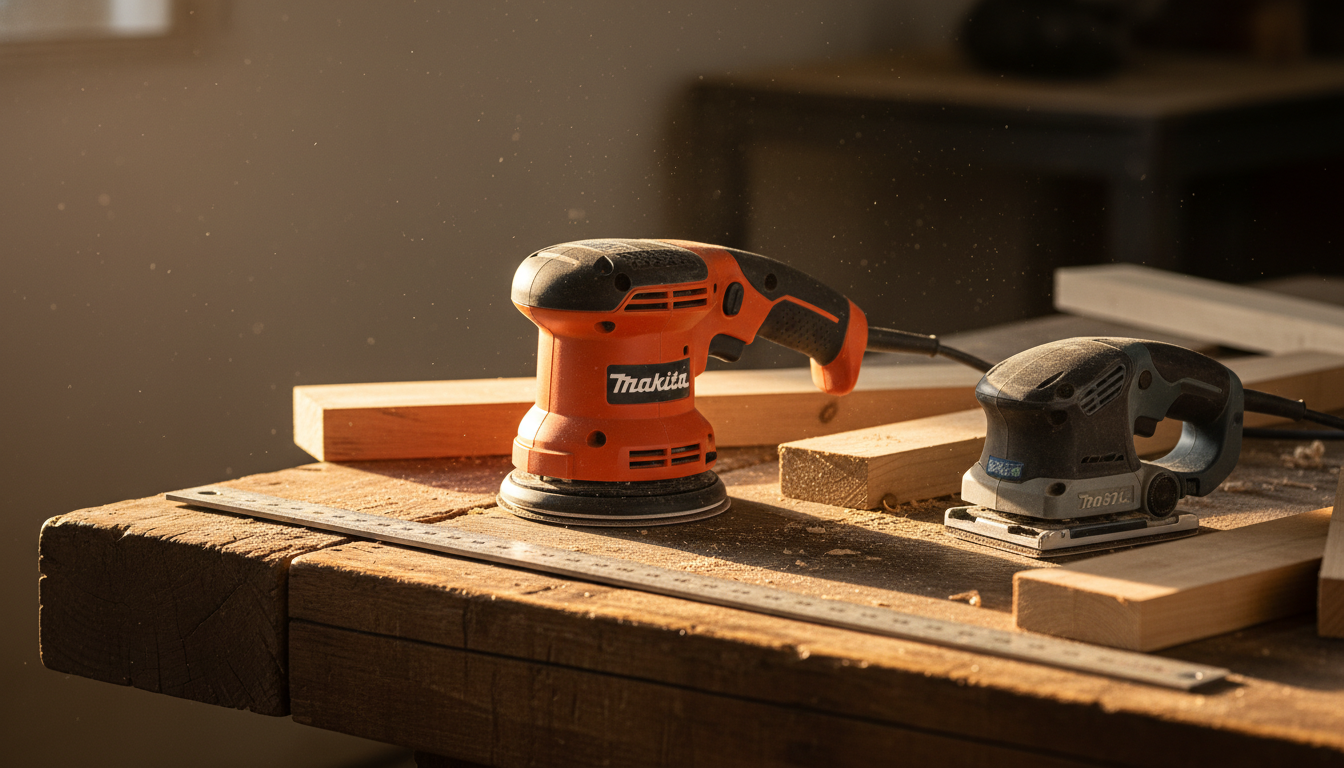
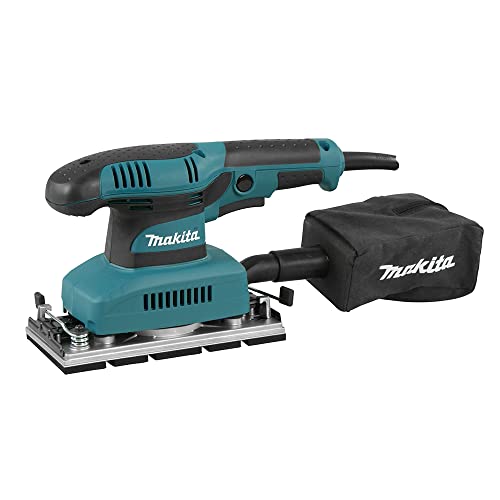
The Makita BO4900V is a corded half-sheet orbital finishing sander designed for cabinet work, furniture making, and boat building. It features variable speed control ranging from 4,000 to 10,000 orbits per minute and an integrated through-the-pad dust collection system for efficient material removal.
Pros
Lower = better sales rank

Ingersoll Rand

Ingersoll Rand
Bosch

Bosch
Makita

Makita

Skil

Makita

Skil

Bosch

BAOSTC

ZFE

BLACK+DECKER
WEN

DEWALT

Hi-Spec
Please sign in to leave a review
No reviews yet. Be the first to review!
Cons
From Expert Reviews
Praised by Experts
Criticized by Experts
From User Reviews
Users Love
Users Complain About
Expert Opinion
Professional users in the tool and die industry emphasize the importance of variable speed control for different applications. Speed adjustment allows operators to match sanding rates to specific tasks, with lower speeds working well on delicate veneers to prevent burn-through, while higher speeds efficiently flatten surfaces and knock down glue joints. Reviewers note the large, flat pad design is particularly effective for keeping surfaces flat during final finishing work, and the sander runs smoothly without chattering at higher speeds.
What Users Say
Users appreciate the half-sheet design for covering large work areas efficiently and helping flatten surfaces at coarser grits. The speed control functionality is valued for its versatility across different materials and finishing stages. However, a recurring concern is that operating at the highest speed setting produces the smoothest results, which limits the practical use of lower speeds for some tasks. Additionally, users note the requirement for pre-punched sandpaper and the lack of a punch tool.
Common Complaints
Requires pre-punched sandpaper sheets which are not included with the tool. Product does not include a punch tool for preparing standard sandpaper sheets. Highest speed setting produces smoothest results, limiting practical use of lower speeds
How It Compares
The search results do not provide specific information comparing the Makita BO4900V to competing models in the half-sheet sander category. To provide accurate competitive comparisons with specific alternative products, model numbers, and differentiation factors, additional sources would be needed.