Philips Hue
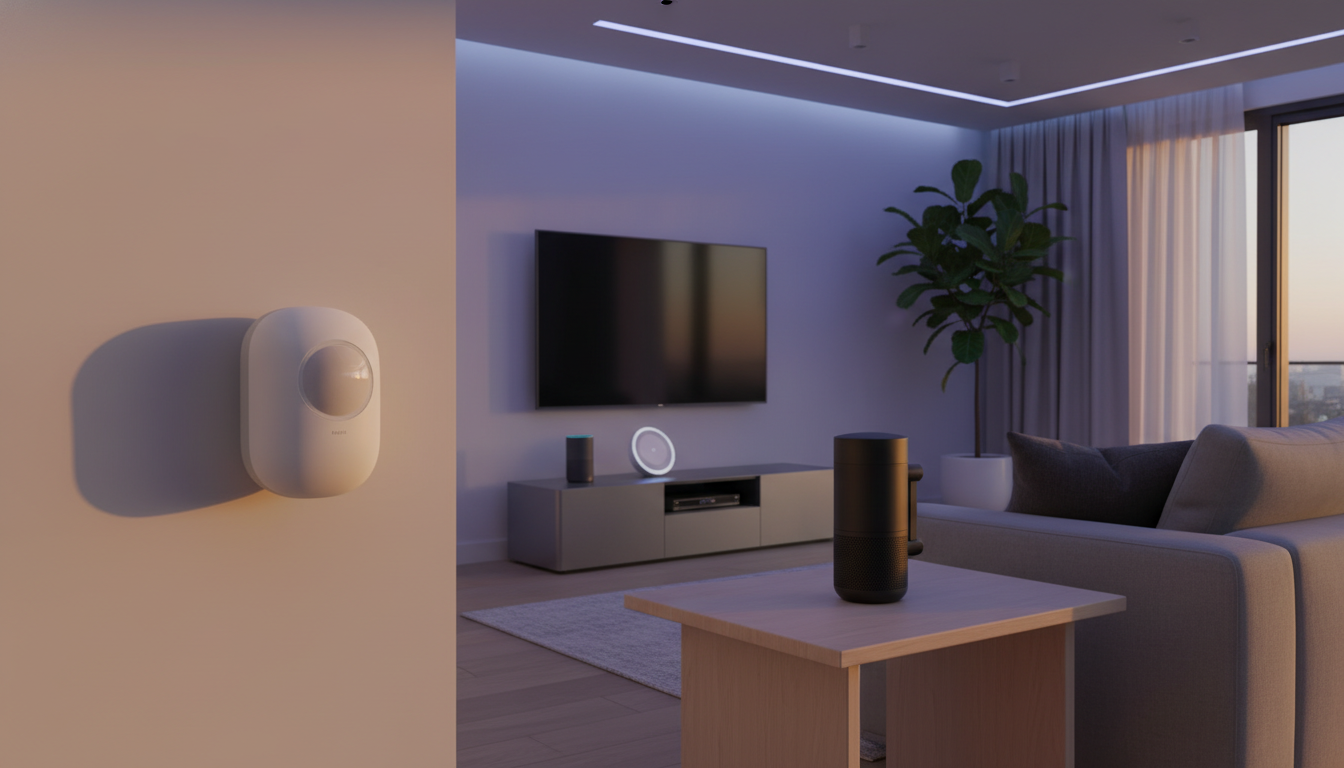
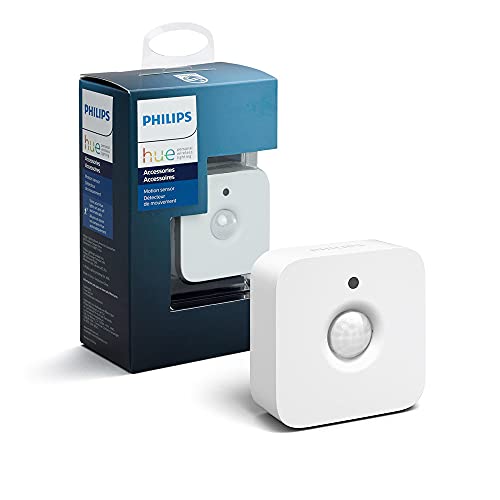
The Philips Hue Indoor Motion Sensor is a battery-powered, wireless device designed exclusively for the Philips Hue smart lighting ecosystem. It detects motion to automatically trigger compatible lights via a Hue Bridge and features an integrated photocell for ambient light adjustment and dusk-to-dawn automation.
Pros
Lower = better sales rank

Lutron

Lutron

Lutron

Smart Caregiver Corporation
Sensor Switch
Lutron

Smart Caregiver Corporation

Sensor Switch
Philips Hue

Lithonia Lighting
TOPGREENER

TOPGREENER

Maxxima

EverElectrix

ECOELER

Philips Hue

Philips Hue
Philips Hue
TOPGREENER

Elrigs
Please sign in to leave a review
No reviews yet. Be the first to review!
Cons
From Expert Reviews
Praised by Experts
Criticized by Experts
From User Reviews
Users Love
Users Complain About
Expert Opinion
Professional reviewers praise the sensor for its seamless integration, convenience, and small wireless design that allows for versatile mounting. They highlight the utility of the integrated photocell for ambient adjustments and hands-free control. However, editors consistently stress the dependency on the Hue Bridge, noting that this requirement limits its appeal to users outside the Philips Hue ecosystem.
What Users Say
Everyday users commonly praise the product for the convenience of effortless motion-triggered lighting and the automatic activation of lights upon entry. Recurring complaints include frustration with the mandatory Bridge setup for new users, occasional false triggers, and limited detection range in larger spaces that necessitates grouping multiple sensors.
Common Complaints
Mandatory Bridge setup frustrates non-Hue users; occasional false triggers or short detection range in large rooms.
What People Are Saying
“warm welcome every day”
“turns on lights automatically”
How It Compares
vs. Hue Outdoor Sensor
Advantages
Disadvantages
Choose the indoor sensor for interior rooms and the outdoor sensor for yards and exteriors.
vs. MotionAware™
Advantages
Disadvantages
Choose the indoor sensor for reliable hardware-based detection and MotionAware for minimalistic, cheaper setups.
vs. Aqara Zigbee Sensors
Advantages
Disadvantages
Choose the indoor sensor for seamless Hue ecosystem integration and Aqara for budget-conscious users.