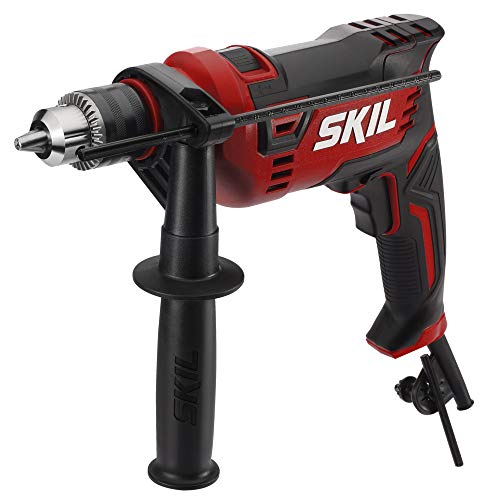
Skil
The Skil HD182001 is a 7.5-amp corded hammer drill featuring a 2-in-1 multi-function design that allows users to switch between standard drilling and hammer drilling modes. It offers variable-speed control up to 3,000 RPM and a high impact rate of 48,000 BPM, making it suitable for drilling into wood, metal, and concrete. The tool is designed for general-purpose home improvement and light construction tasks, prioritizing affordability and versatility.
Pros
Lower = better sales rank

Bosch

BLACK+DECKER

DEWALT

Bosch

DEWALT
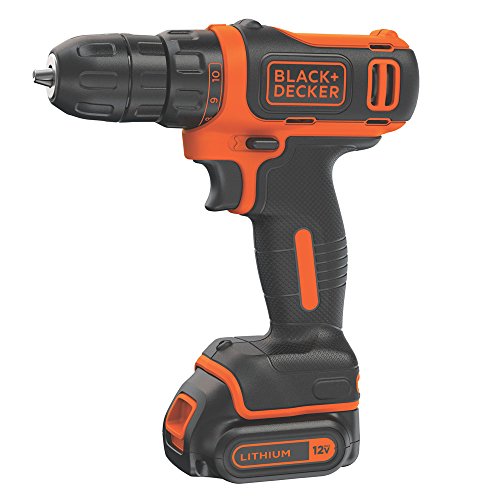
BLACK+DECKER

BLACK+DECKER

XtremepowerUS

DEWALT

Bosch
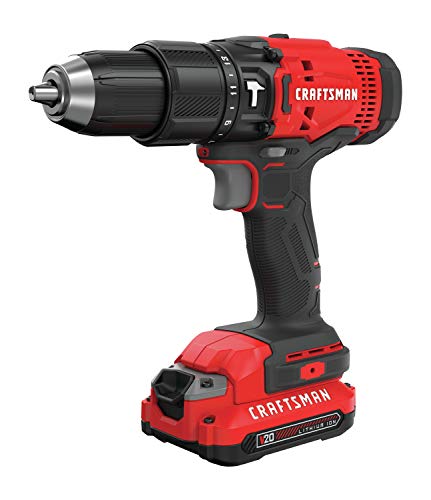
CRAFTSMAN

ENEACRO
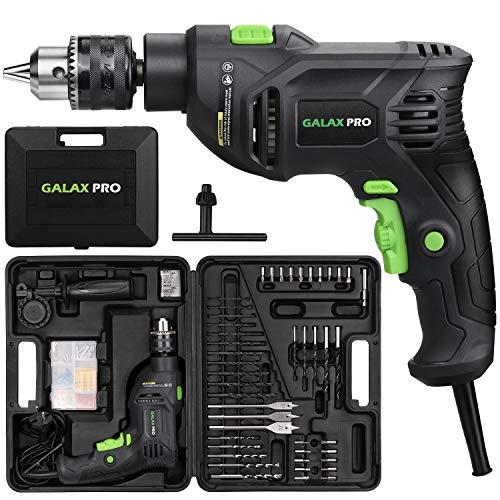
GALAX PRO

ENEACRO
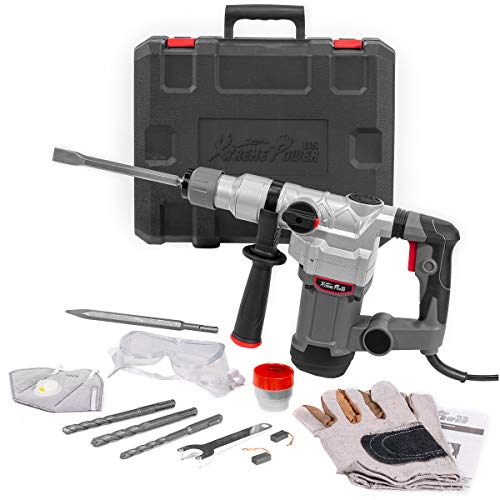
XtremepowerUS

BOSCH

Berserker

Berserker

Skil
Please sign in to leave a review
No reviews yet. Be the first to review!
Cons
From Expert Reviews
Praised by Experts
From User Reviews
Users Love
Users Complain About
Expert Opinion
Professional reviewers highlight the Skil HD182001 as a versatile mid-range corded hammer drill suitable for general-purpose applications. The tool is praised for its high-torque motor, variable-speed control, and ergonomic features like the soft-grip handle and side-assist handle. It is positioned as an affordable option for homeowners and DIYers needing a reliable tool for wood, metal, and concrete drilling.
What Users Say
Everyday users generally appreciate the drill's versatility and power for home improvement projects, noting the comfort of the handles and the utility of the variable speed trigger. However, there are recurring complaints regarding durability, with some users reporting that the tool failed prematurely, suggesting that the budget price point may come with compromises in long-term build quality.
Common Complaints
Durability concerns with some units failing prematurely after initial use. Build quality compromises associated with the budget price point. Inconvenience of keyed chuck requiring a separate key for bit changes
What People Are Saying
“kicked the bucket later on”
“being cheap didn't pay in this case”
How It Compares
The Skil HD182001 competes in the mid-range corded hammer drill category. It differentiates itself with a 48,000 BPM impact rate and variable-speed functionality. While it eliminates battery concerns associated with cordless models, it requires proximity to electrical outlets, making it more suitable for stationary or indoor work environments where portability is less critical.