Rankings
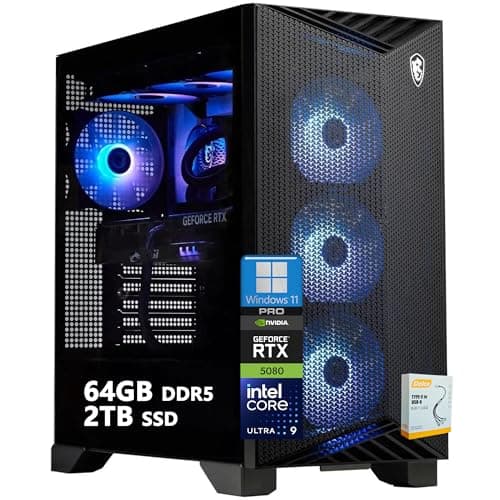
The MSI Aegis R2 AI desktop combines an Intel Core Ultra 9 285 CPU with an RTX 5080 GPU, delivering AI-accelerated workloads, 4K gaming, and future-proof connectivity like Wi-Fi 7 and Thunderbolt 4 in a tool-less, upgrade-friendly chassis.
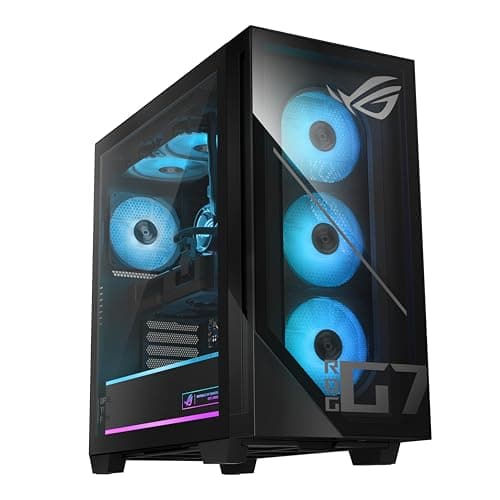
The ASUS ROG G700 is a premium full-tower gaming PC featuring an Intel Core Ultra 7 265KF and RTX 5070, delivering flagship performance with a sleek dual-glass design and tool-less upgrades. It excels in thermal management and speed, though software bloat and fingerprint-prone glass are notable drawbacks.
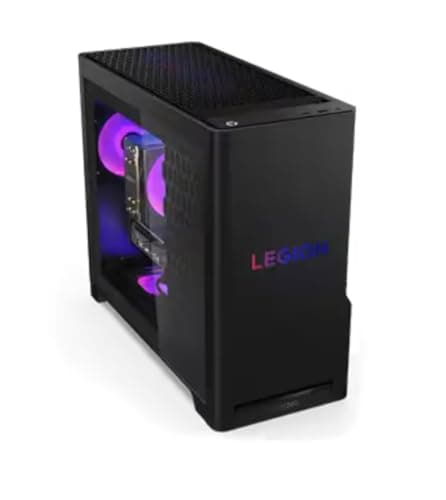
The Legion Tower 5i T5 30IAX10 blends a 24-core Ultra 9 CPU with an RTX 5070 Ti GPU, delivering strong gaming and creator performance in a compact, upgrade-friendly chassis, though the SODIMM memory and single GPU slot may deter some enthusiasts.
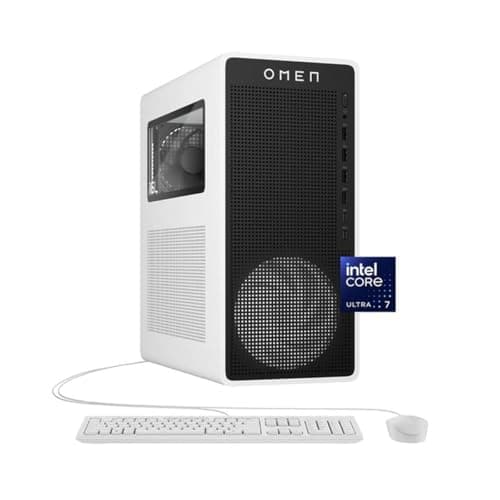
The HP OMEN 16L packs a high-end Intel Core Ultra 7 CPU and RTX 5060 Ti GPU into a compact 16-liter chassis, delivering strong 1440p performance, quiet cooling, and modern connectivity, though its 500 W PSU and proprietary motherboard may limit future upgrades.
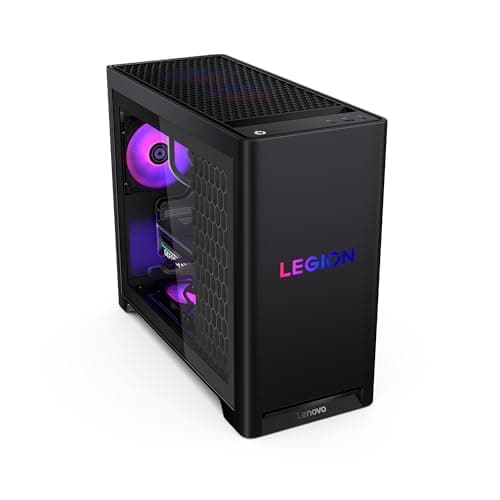
The Legion Tower 5i with the Core Ultra 9 285K and RTX 5070 Ti offers flagship-level performance and fast DDR5 memory in a compact yet heavy desktop, ideal for gamers and creators who value power over portability.
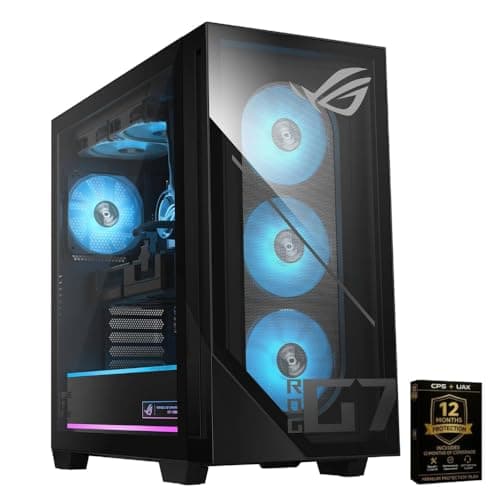
The ASUS ROG G700 is a powerful 2025 gaming desktop featuring a 20-core Intel Core Ultra 7 CPU, RTX 5060 GPU, 32 GB DDR5 RAM and a 600 W Gold PSU, packaged in a robust chassis with solid cooling and bundled RGB accessories.
The MSI Codex R2 AI Gaming Desktop pairs an Intel Core Ultra 7 265 CPU with an RTX 5060 GPU, 32 GB DDR5 RAM and up to 4 TB NVMe storage. It offers solid 1080p-1440p gaming and strong productivity performance, though fan noise and slower PCIe Gen4 storage are noted drawbacks.
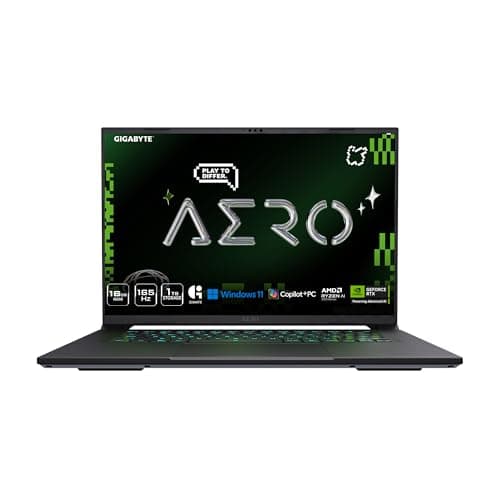
The AERO X16 blends a high-end AMD Ryzen AI 9 HX 370 CPU with an RTX 5070 GPU in a compact 16-inch chassis, offering a Pantone-validated 165 Hz display and Thunderbolt 4 connectivity. AI-focused features like an integrated NPU add future-proofing, though fan noise and modest battery life are drawbacks.
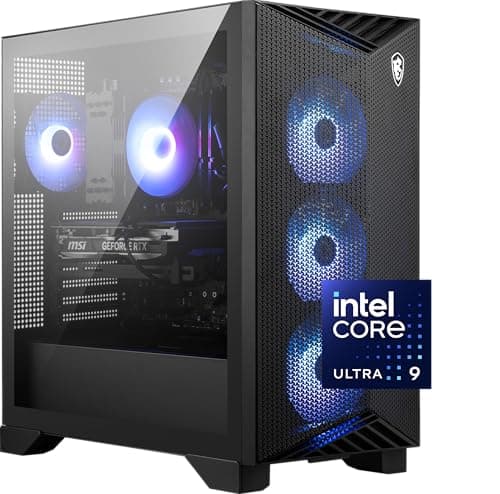
The MSI Aegis R2 AI is a high-end gaming desktop that pairs a 24-core Intel Core Ultra 9 285 CPU with an RTX 5070 Ti GPU, delivering AI-enhanced 4K performance and extensive upgrade potential. It offers air cooling as standard, Wi-Fi 7, and a full keyboard-mouse bundle, but front-panel connectivity is limited and the air cooler can be noisy.
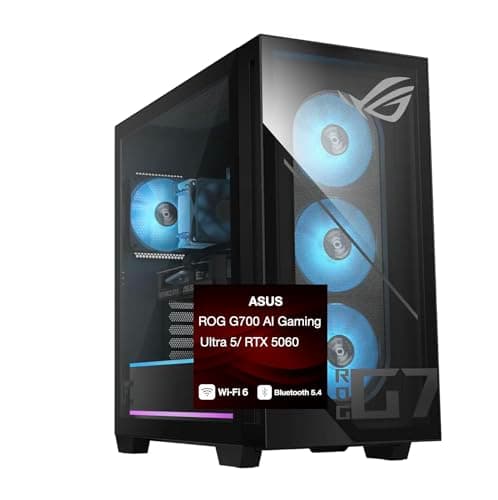
The ME2 MichaelElectronics2 ASUS ROG G700 AI Gaming Desktop offers a 10-core Intel Core Ultra 5 CPU, RTX 5060 GPU, 32 GB DDR5 RAM and a 1 TB PCIe Gen 4 SSD, packaged in a full-tower with six RGB fans and a 600 W PSU, targeting gamers and streamers who value performance over portability.
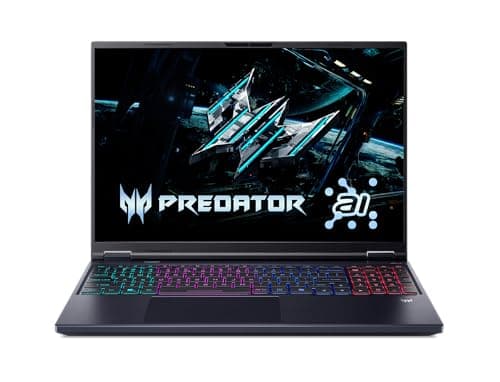
The Predator Helios Neo 16 AI is a high-performance 16-inch gaming laptop with a fast 240 Hz display, powerful Intel Core Ultra 9 CPU and RTX 5070 Ti GPU, but its weight, battery life and limited upgradeability keep it from being a truly mobile solution.
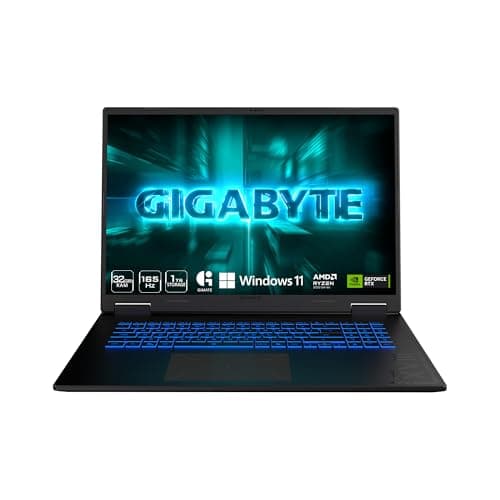
The Gigabyte Gaming A18 pairs an AMD Ryzen 7 260 CPU with an RTX 5060 GPU, delivering a large 18-inch 165 Hz WQXGA screen and up to 12 hours of battery life. It offers high-speed DDR5 memory and fast PCIe Gen4 storage but is relatively heavy and misses some premium ports.
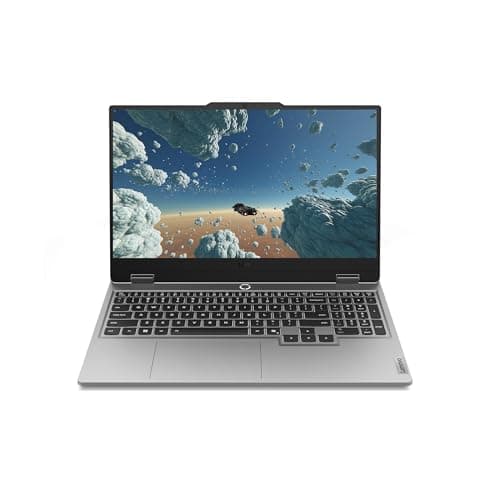
The Legion LOQ is a mid-tier gaming laptop that balances performance, AI-enhanced optimization, and fast charging in a budget-friendly package. It offers a 144 Hz FHD display with G-Sync, RTX 5050 graphics, and upgradable DDR5 memory, but its plastic build, modest battery, and limited connectivity keep it from the premium tier.
The MSI Codex R2 AI Gaming Desktop combines an Intel Core Ultra 7 265 CPU with an RTX 5060 Ti GPU, delivering AI-enhanced 4K performance in a compact chassis. It offers ample upgrade paths, AI-driven cooling, and modern connectivity, though specifications can vary between listings and the entry-level GPU may limit future-proofing.
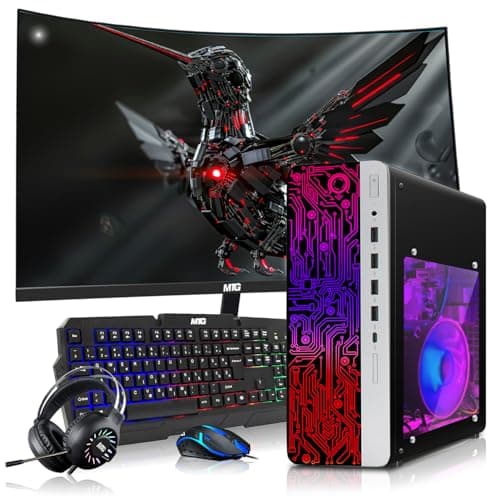
The TechMagnet HP G3 bundle offers a complete gaming-styled setup with a 27-inch curved monitor, RGB peripherals and a modest GT 1030 GPU. While it provides good connectivity and a solid SSD, the older AMD A10-9700 CPU and limited graphics performance keep it in the budget-gaming segment.
| Attribute | | | | | | | MSI Codex R2 RTX 5060 Ti | | | | | | | | MSI Codex R2 |
|---|---|---|---|---|---|---|---|---|---|---|---|---|---|---|---|
8 GB | 16 GBbest | 8 GB | 16 GBbest | 16 GBbest | 12 GB | 8 GB | 8 GB | 16 GBbest | 2 GB | 16 GBbest | 16 GBbest | 8 GB | 8 GB | 8 GB | |
8 | 20 | 14 | 24best | 24best | 24best | 20 | 12 | 24best | 4 | — | — | 20 | 10 | 20 | |
16 | 20 | 20 | 24best | 24best | 24best | 20 | 24best | — | 4 | — | — | 20 | 10 | 20 | |
32 GB | 32 GB | 24 GB | 32 GB | 64 GBbest | 16 GB | 32 GB | 32 GB | 32 GB | 16 GB | 32 GB | 32 GB | 32 GB | 32 GB | 32 GB | |
3.8 GHzbest | 2.4 GHz | 2.6 GHz | 2.7 GHz | 2.5 GHz | 2.1 GHz | 2.4 GHz | — | 2.5 GHz | — | — | — | 2.4 GHz | 3.3 GHz | 2.4 GHz | |
— | 5.3 GHz | — | 5.4 GHz | 5.6 GHzbest | 5.4 GHz | 5.3 GHz | 5.1 GHz | 5.6 GHzbest | — | — | 5.5 GHz | 5.3 GHz | 4.9 GHz | 5.3 GHz | |
1,000 GB | 1,000 GB | 1,000 GB | 1,000 GB | 2,000 GBbest | 1,000 GB | 1,000 GB | 1,000 GB | 2,000 GBbest | 512 GB | 1,000 GB | 1,000 GB | 1,000 GB | 1,000 GB | 1,000 GB | |
5,600 MHz | 5,600 MHz | 5,600 MHz | 5,600 MHz | — | 6,400 MHzbest | 6,000 MHz | 5,600 MHz | 6,000 MHz | 2,400 MHz | 5,600 MHz | 4,800 MHz | — | 4,800 MHz | 6,000 MHz |
Click an attribute name to sort · Green = best, red = worst (relative to this comparison)
| Attribute | | | | | | | MSI Codex R2 RTX 5060 Ti | | | | | | | | MSI Codex R2 |
|---|---|---|---|---|---|---|---|---|---|---|---|---|---|---|---|
Graphics(2) | |||||||||||||||
GPU Model | NVIDIA GeForce RTX 5060 Laptop GPU | NVIDIA GeForce RTX 5060 Ti | RTX 5050 | NVIDIA GeForce RTX 5070 Ti | NVIDIA GeForce RTX 5080 | NVIDIA GeForce RTX 5070 Ti Laptop GPU | NVIDIA GeForce RTX 5060 Ti | NVIDIA GeForce RTX 5070 Laptop GPU | NVIDIA GeForce RTX 5070 Ti | GT 1030 | NVIDIA GeForce RTX 5070 Ti | NVIDIA GeForce RTX 5070 | RTX 5060 | RTX 5060 | NVIDIA GeForce RTX 5060 |
GPU VRAM (GB) | 8 GB | 16 GB | 8 GB | 16 GB | 16 GB | 12 GB | 8 GB | 8 GB | 16 GB | 2 GB | 16 GB | 16 GB | 8 GB | 8 GB | 8 GB |
Processor(5) | |||||||||||||||
CPU Model | AMD Ryzen 7 260 | Intel Core Ultra 7 265F | Intel Core i7-13650HX | Intel Core Ultra 9 275HX | Intel Core Ultra 9 285 | Intel Core Ultra 9 275HX | Intel Core Ultra 7 265 | AMD Ryzen AI 9 HX 370 | Intel Core Ultra 9 285 | AMD A10-9700 | Intel Core Ultra 9 285K | Intel Core Ultra 7 265KF | Intel Core Ultra 7 265F | Intel Core Ultra 5 225F | Intel Core Ultra 7 265 |
CPU Cores | 8 | 20 | 14 | 24 | 24 | 24 | 20 | 12 | 24 | 4 | — | — | 20 | 10 | 20 |
CPU Threads | 16 | 20 | 20 | 24 | 24 | 24 | 20 | 24 | — | 4 | — | — | 20 | 10 | 20 |
CPU Base Clock (GHz) | 3.8 GHz | 2.4 GHz | 2.6 GHz | 2.7 GHz | 2.5 GHz | 2.1 GHz | 2.4 GHz | — | 2.5 GHz | — | — | — | 2.4 GHz | 3.3 GHz | 2.4 GHz |
CPU Boost Clock (GHz) | — | 5.3 GHz | — | 5.4 GHz | 5.6 GHz | 5.4 GHz | 5.3 GHz | 5.1 GHz | 5.6 GHz | — | — | 5.5 GHz | 5.3 GHz | 4.9 GHz | 5.3 GHz |
Storage(2) | |||||||||||||||
Primary Storage Type | M.2 NVMe PCIe Gen4 | PCIe Gen4 NVMe M.2 | PCIe Gen4 NVMe M.2 SSD | PCIe NVMe | M.2 NVMe PCIe Gen 4/5 | PCIe 4.0 NVMe | M.2 NVMe SSD | PCIe Gen4 NVMe M.2 | M.2 NVMe SSD | SSD | PCIe NVMe | PCIe 4.0 NVMe M.2 SSD | PCIe Gen 4 NVMe | PCIe Gen4 NVMe | NVMe SSD |
Primary Storage Capacity (GB) | 1000 GB | 1000 GB | 1000 GB | 1000 GB | 2000 GB | 1000 GB | 1000 GB | 1000 GB | 2000 GB | 512 GB | 1000 GB | 1000 GB | 1000 GB | 1000 GB | 1000 GB |
Memory(3) | |||||||||||||||
RAM Capacity (GB) | 32 GB | 32 GB | 24 GB | 32 GB | 64 GB | 16 GB | 32 GB | 32 GB | 32 GB | 16 GB | 32 GB | 32 GB | 32 GB | 32 GB | 32 GB |
RAM Speed (MHz) | 5600 MHz | 5600 MHz | 5600 MHz | 5600 MHz | — | 6400 MHz | 6000 MHz | 5600 MHz | 6000 MHz | 2400 MHz | 5600 MHz | 4800 MHz | 5600-6000 MHz | 4800 MHz | 6000 MHz |
RAM Type | DDR5 | DDR5 | DDR5 | DDR5 SODIMM | DDR5 | DDR5 | DDR5 | DDR5 | DDR5 | DDR4 | DDR5 | DDR5 | DDR5 | DDR5 | DDR5 |
Warranty & Support(1) | |||||||||||||||
Warranty Period (years) | 1 years | 2 years | 1 years | 1 years | — | 1 years | 1 years | 1 years | 1 years | 1 years | — | 1 years | 1 years | 1 years | 1 years |
Power & Cooling(4) | |||||||||||||||
Power Supply Wattage (W) | 150 W | 500 W | 230 W | 500 W | 750 W | 330 W | 650 W | 230 W | 750 W | 300 W | — | 850 W | 600 W | 600 W | 650 W |
Power Supply Efficiency | — | 80 PLUS Platinum | — | 85% | 80+ Gold | — | 80+ Gold | — | 80+ Gold | 80 Plus Bronze | — | — | 80+ Gold | — | 80+ Gold |
Cooling System Type | AI-driven cooling | Air cooling with RGB fans | Hyperchamber Cooling | Air cooling | Hybrid (Air or Liquid) | AeroBlade 3D | Air Cooling | Ventilated bottom plate and side exhaust | Air Cooling | ARGB Air Cooling | Air cooling | AIO liquid cooler | Air-cooled | Air cooling | Frozr AI Cooling |
Case Fans Count | — | 3 | — | — | — | — | — | — | 4 | 3 | — | 4 | 4 | 6 | 4 |
Software(1) | |||||||||||||||
Operating System | Windows 11 Home | Windows 11 Home | Windows 11 | Windows 11 Pro | Windows 11 Pro | Windows 11 Home | Windows 11 Home | Windows 11 Home | Windows 11 Home | Windows 11 | Windows 11 Pro | Windows 11 Home | Windows 11 Pro | Windows 11 Pro | Windows 11 Home/Pro |
Physical(1) | |||||||||||||||
Weight (kg) | 2.7996 kg | 9.81 kg | 2.4 kg | 18.121 kg | 12.21 kg | 2.7 kg | 9.662 kg | 1.9 kg | 12.2 kg | 6.1 kg | 17.994 kg | 18.33 kg | 17.82 kg | 18.46 kg | 10.15 kg |
Connectivity(1) | |||||||||||||||
Wi‑Fi Standard | Wi‑Fi 6E | Wi‑Fi 6E | Wi‑Fi 6 | Wi‑Fi 7 | Wi‑Fi 7 | Wi‑Fi 6E | Wi‑Fi 6E | Wi‑Fi 6E | Wi‑Fi 7 | Wi‑Fi 5 (802.11ac) | Wi‑Fi 6E | Wi‑Fi 6E | Wi‑Fi 6 | Wi‑Fi 6 | Wi‑Fi 6E |
Products in the top-left offer the best value (high score, low price).
NotebookCheck praises the A18 for its unusually long battery life, crisp 165 Hz WQXGA panel and AI-driven cooling, while noting the lack of HDR and Thunderbolt.
Users appreciate the long battery life and vibrant display, but many comment on the laptop's weight and missing ports.
“Runs games at 1440p flawlessly, and it stays cool!”
“Love the Wi-Fi 7 and 2.5 GbE - future-proof networking.”
“SODIMM RAM costs a lot more than regular DIMMs.”
Professional reviewers, notably Consumer Reports, commend the OMEN 16L for its strong overall performance in gaming and content-creation workloads, ergonomic design, rapid application launches, and the generous 24-month warranty, while noting the lack of a memory card reader and optical drive as drawbacks.
Everyday users praise the desktop's compact size, quiet operation, and impressive frame rates enabled by DLSS 4 and MFG, but complain about the single-channel RAM, limited rear USB ports, proprietary motherboard, and the 500 W power supply for future GPU upgrades.
Professional reviewers praise the LOQ for delivering Legion-class performance at a lower price point, highlighting its high-refresh display, optional MUX switch, and strong CPU-GPU power envelope. They also note the inclusion of AI-driven performance tuning and future-proof memory/storage options, while flagging the modest battery life, plastic build, and limited display brightness as drawbacks.
Everyday users appreciate the smooth gaming experience, comfortable keyboard, rapid charging and the ability to upgrade components themselves. Common complaints revolve around short battery endurance, a dimmer screen in bright rooms, audible fan noise under load, and the absence of Thunderbolt 4 on certain configurations.
Professional reviewers consistently award the Legion Tower 5i high marks for its blend of powerful Intel Core Ultra CPUs, AI-enhanced RTX 50-series GPUs, and a well-designed cooling system that keeps noise low, praising its future-proof connectivity while noting the higher cost of SODIMM RAM.
Everyday users highlight the desktop's strong gaming performance, quiet operation, and easy upgrade path, especially appreciating the AI features for upscaling, while recurring criticisms focus on the pricier SODIMM memory and limited PCIe slots.
Professional reviewers and editors commend the Aegis R2 AI 2nd for its cutting-edge AI acceleration, thanks to the integrated NPU and Blackwell-based RTX 50-series GPUs, as well as its future-proof connectivity suite, while highlighting AI-driven cooling and MSI AI Engine as smart features.
Everyday users appreciate the ready-to-go setup, strong 4K gaming performance, and rapid AI rendering capabilities, while noting fan noise at high loads, confusing SKU options, and basic keyboard/mouse.
Reviewers commend the aggressive price-to-performance ratio, RTX 5070 Ti GPU and AI acceleration, while criticizing the lack of Wi-Fi 7, heft, short battery life and cramped keyboard.
Users praise raw performance, bright display and port selection, but repeatedly note the heavy weight, short battery life and non-upgradeable RAM.
Professional reviewers commend the Codex R2 AI for its reliable performance, AI-driven features, and out-of-the-box readiness, highlighting its future-proof connectivity and upgrade potential.
Everyday users praise the desktop's high frame rates, AI-enhanced graphics, and ease of setup, while noting inconsistent model specifications, occasional weight discrepancies, and the bright default RGB lighting.
Professional reviewers praise the AERO X16 for its balanced workstation-class performance, color-accurate high-refresh display, and solid port selection, while noting fan noise and limited webcam resolution.
Everyday users love the comfortable keyboard, vibrant RGB lighting and Dolby Atmos sound, but complain about fan noise, webcam quality and reduced gaming battery life.
Professional reviewers consider the Aegis R2 AI a benchmark for AI-integrated gaming desktops, praising its intelligent MSI AI Engine, low-noise Silent Storm Cooling, and cutting-edge connectivity.
Early adopters generally praise the system for its flawless 4K gaming experience, easy RGB customization, and out-of-the-box peripherals, while noting limited front ports and occasional BIOS updates for Wi-Fi 7.
Professional reviewers praise the solid business-grade reliability, extensive connectivity, and expandability, but note the plastic construction and dated 6th-gen CPU limit its suitability for gaming or cutting-edge workloads.
Everyday users appreciate the fast SSD performance, low price, and RGB accessories, highlighting smooth Windows 11 setup and suitability for remote work. Common complaints focus on fan noise, average monitor quality, and occasional mismatches in advertised RAM specifications.
Professional reviewers praise the system's blend of a powerful Core Ultra CPU, AI-enhanced RTX 50-series GPU, and advanced cooling that keeps noise low, while noting the high cost of SODIMM RAM and the lack of built-in speakers.
Everyday users highlight strong gaming and content-creation performance, quiet operation, and fast networking, but often mention the heavy weight and the expense of SODIMM memory as downsides.
Professional reviewers praise the ROG G700 for delivering flagship-level performance while maintaining a sleek, tool-less design and low noise levels, though they note software bloat and misrepresented cooling.
Everyday users report a smooth out-of-the-box experience, fast performance, and quiet startup, but complain about fingerprints on the glass panels and the bloatware.
Professional reviewers praise its strong performance and cooling, but criticize the older Wi-Fi 6 module and lack of modular PSU.
Users love the high frame rates and effective cooling, while noting the heavy weight and outdated Wi-Fi.
Reviewers praise its strong performance and build quality but criticize the outdated Wi-Fi 6 module and lack of per-zone RGB control.
Users appreciate the sturdy construction and fast storage, while noting the heavy weight and limited Wi-Fi.
Professional reviewers praise the Codex R2 AI for its solid chassis, dual-channel DDR5 performance, and competitive pricing, while noting noisy stock fans and slower storage compared to PCIe Gen5 systems.
Everyday users highlight instant boot times, smooth high-resolution gaming, and attractive RGB aesthetics, but commonly mention fan noise under load and the lack of an optical drive.
