Rankings
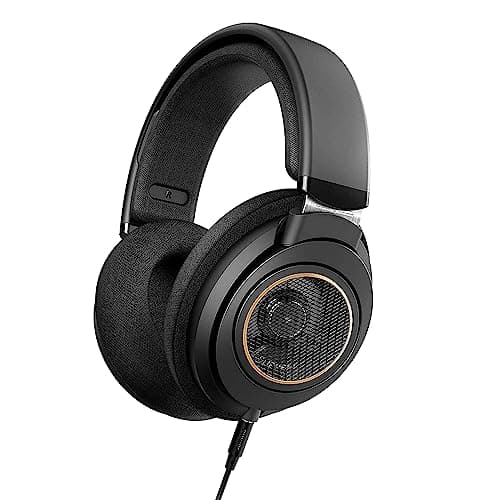
The Philips SHP9600 are open-back, over-ear wired studio headphones offering a spacious soundstage and excellent comfort at a low price. Their open design causes sound leakage and they miss modern wireless features. Ideal for home audiophiles and casual studio monitoring.
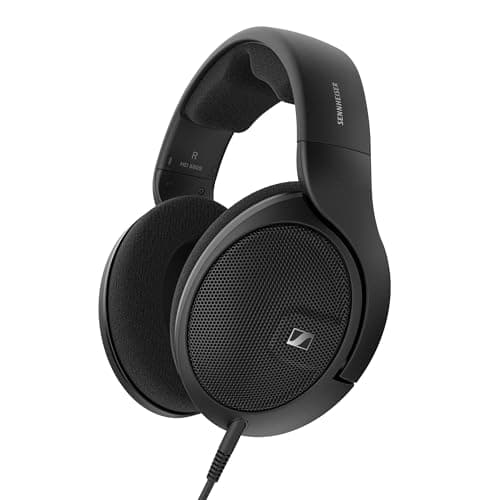
The Sennheiser HD 560S are open-back, over-ear headphones delivering a neutral, linear sound signature ideal for critical listening. Their open design leaks sound and they need an amp for full volume, limiting portability. Perfect for studio engineers and audiophiles seeking an affordable reference headphone.
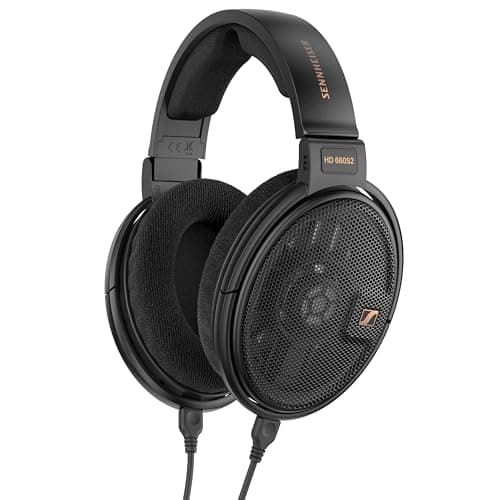
The Sennheiser HD 660S2 is an open-back, wired audiophile headphone delivering refined detail, deep bass extension, and a premium build. Its high impedance and lack of wireless or ANC limit use to desktop setups with a quality amp. Best suited for critical listeners and home-studio environments.
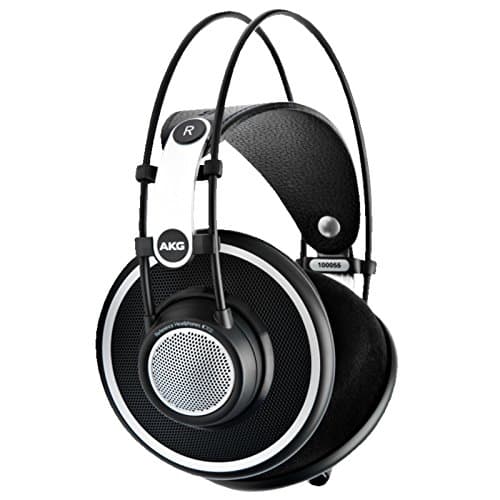
The AKG K702 is an open-back, over-ear reference headphone with a 45 mm driver and an expansive 10-39.8 kHz frequency response, delivering neutral and detailed soundstage. Its open design provides no isolation and the weight can be heavier than advertised, limiting use outside quiet studios. Ideal for critical listening and mixing in controlled environments.
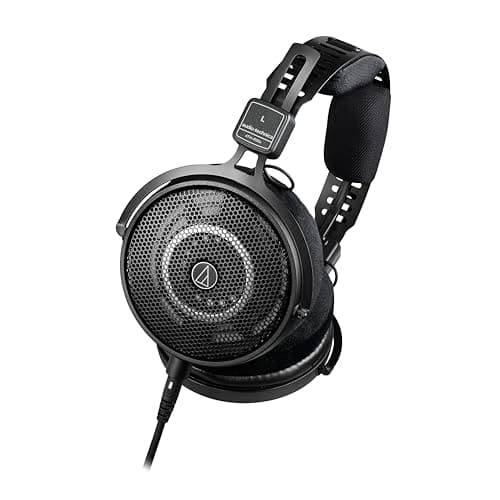
The ATH-R50x offers a lightweight open-back design with strong bass and comfortable wear, making it suitable for critical listening in quiet environments. However, its pronounced treble peak and lack of isolation limit its use in noisy settings. Best for studio professionals and audiophiles who prioritize soundstage over isolation.
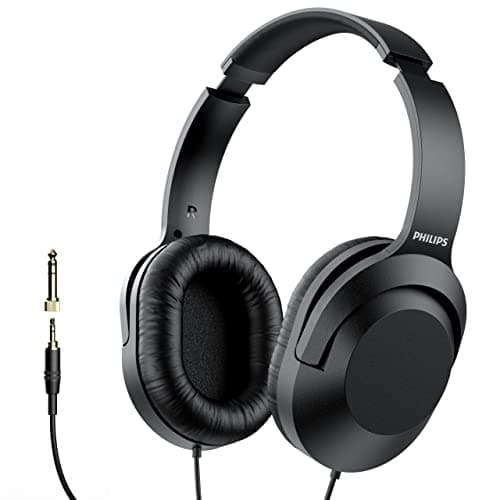
The Philips Over-Ear Wired headphones offer open-back drivers, rotating ear cups, and a foldable design for comfortable, detailed listening. They miss ANC, a microphone, and wireless freedom, making them less suitable for noisy environments. Best for budget-conscious podcasters and home-studio users who value sound quality over isolation.
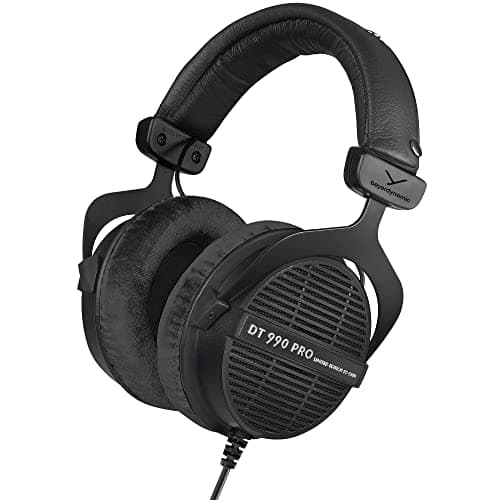
The Beyerdynamic DT 990 Pro 80 Ω is an open-back, over-ear studio monitor headphone delivering a spacious soundstage and high comfort for critical listening. Its main drawbacks are the need for a strong amplifier, non-detachable cable, and lack of isolation, making it best suited for studio environments where amp power and quiet surroundings are available.
| Attribute | | | | | | | |
|---|---|---|---|---|---|---|---|
— | 45 mm | 50 mmbest | 38 mm | 45 mm | 38 mm | 40 mm | |
| ↓ lower better | 340 g | 207 gbest | 330 g | 240 g | 235 g | 300 g | 254 g |
80 Ω | 50 Ω | 32 Ω | 120 Ω | 62 Ω | 300 Ωbest | — | |
96 dB SPL | 93.3 dB SPL | 101 dB SPL | 110 dB SPLbest | 105 dB SPL | 104 dB SPL | — |
Click an attribute name to sort · Green = best, red = worst (relative to this comparison)
| Attribute | | | | | | | |
|---|---|---|---|---|---|---|---|
Audio(4) | |||||||
Frequency Response | — | 5-40000 | 6-35000 | 6-38000 | 10-39800 Hz | 8-41500 Hz | 20-20000 |
Driver Size (mm) | — | 45 mm | 50 mm | 38 mm | 45 mm | 38 mm | 40 mm |
Impedance (Ω) | 80 Ω | 50 Ω | 32 Ω | 120 Ω | 62 Ω | 300 Ω | — |
Sensitivity (dB SPL) | 96 dB SPL | 93.3 dB SPL | 101 dB SPL | 110 dB SPL | 105 dB SPL | 104 dB SPL | — |
Build & Design(4) | |||||||
Weight (g) | 340 g | 207 g | 330 g | 240 g | 235 g | 300 g | 254 g |
Dimensions (H×W×D) (mm) | 231 x 119 x 221 mm mm | 199.9x169.9x101.6 mm | 201×172×100 mm mm | 89×115×48 mm mm | 212x199x113 mm mm | 177.8x177.8x76.2 mm | 79×155×180 mm mm |
Foldable Design | — | — | — | — | false | — | true |
Ear Cushion Material | velour | — | breathable fabric/polyurethane | Velour | 3D-foam | — | Leatherette |
Products in the top-left offer the best value (high score, low price).
Professional reviewers consistently praise the DT 990 Pro for its reduced diaphragm mass that yields an exceptional impulse response, a wide soundstage and precise imaging that are ideal for critical mixing and mastering, and a rugged, replaceable-part construction. They also note the bright, V-shaped tuning and the necessity of a high-gain amplifier, while the open-back design is flagged as a limitation for isolation.
Everyday users love the comfort, solid build, and expansive soundstage that make long gaming or listening sessions enjoyable, but they frequently lament the need for a dedicated amp, the non-detachable cable on older models, and the bright treble that can become fatiguing. The open-back leakage is also a recurring point of dissatisfaction in noisy environments.
“Exceptional comfort with plush velour ear pads and lightweight build (≈250 g) suitable for long listening sessions.”
“High 250 Ω impedance requires a powerful headphone amplifier; not easily driven by portable devices.”
“good clarity from the 4 kHz peak but criticizes the 6-10 kHz 10 dB peak for sharpness”
Pick the HD 560S for the lightest, most affordable neutral option; pick the HD 660S if you want a semi-open design with a bit more treble sparkle.
Professional reviewers commend the ATH-R50x for its lightweight comfort, strong bass for an open-back design, accurate midrange, and easy driveability at 50 Ω, noting its natural soundstage and precise transients make it a solid reference tool. However, they point out a pronounced treble peak between 6 kHz and 10 kHz that can sound harsh, and the inherent sound leakage of the open-back architecture limits its use in noisy settings.
Everyday users echo the professional praise for comfort and spacious sound, especially appreciating the bass punch and value for studio use. Recurring criticisms focus on the sharp treble in the upper mids/highs and the lack of isolation, which can cause fatigue and disturb others in shared spaces.
Professional reviewers commend the SHP9600 for its exceptional comfort, easy driveability, and neutral, spacious sound signature, emphasizing the 50 mm drivers and low impedance as strengths. However, they criticize the open-back design for sound leakage, the modest bass response, and the lack of premium build materials and modern wireless features, positioning the headphones as a value-driven option for critical listening rather than a high-end flagship.
Everyday users consistently praise the headphones for their comfort and wide, detailed soundstage, describing them as superb for long home listening sessions. Common complaints revolve around sound leakage, modest bass, and occasional cable durability issues, with many noting the product is best suited for stationary use rather than on-the-go scenarios.
Professional reviewers commend the HD 560S for its honest, linear tuning that excels in A/B comparisons and critical studio work, noting its deep yet controlled bass, brilliant treble, ultra-low distortion, and fatigue-free comfort, while also pointing out the open-back leakage, need for an amp to reach full volume, and the non-folding bulk as drawbacks.
Everyday users love the lightweight comfort, neutral sound without bass bloat, and spacious open soundstage, especially when paired with a portable amp, but they commonly complain about the need for an amp for adequate volume, sound leakage, and the bulky, non-folding design that requires a larger case.
Professional reviewers commend the K702 for its comfort, neutral tonal balance and expansive soundstage, noting the flat-wire coil and Varimotion diaphragm provide linear performance. However, they criticize the lack of isolation, light clamping force and the fact that real-world weight exceeds the advertised spec, which can be a drawback for non-studio use.
Everyday users love the immersive, airy soundstage and the long-lasting comfort of the velour pads, often highlighting the detachable cable and replaceable pads as practical benefits. Common complaints revolve around the open-back leakage, heavier-than-advertised weight and the absence of isolation, making the headphones less suitable for noisy or shared environments.
Professional reviewers consider the HD 660S2 a significant technical upgrade over the original HD 660S, citing its refined voice coil, lower resonant frequency, and enhanced airflow as key contributors to superior bass extension, clarity, and overall resolution.
Everyday users praise the HD 660S2 for its detailed, balanced sound and comfortable velour pads, while noting the need for a solid amplifier and the open-back design's lack of isolation.
Professional reviewers commend the Philips headphones for their surprisingly powerful and balanced sound signature, comfortable ergonomics, and the unique 90° rotating ear cups that aid one-ear monitoring. However, they note the open-back design sacrifices isolation and the lack of ANC or a microphone leaves the model behind more feature-rich competitors.
Everyday users praise the headphones for their comfort during long sessions, clear audio suitable for podcasts and TV, and the flexible connectivity options. Recurring themes include appreciation for the rotating cups and disappointment over sound leakage, missing microphone, and occasional cable tangling.
