Rankings
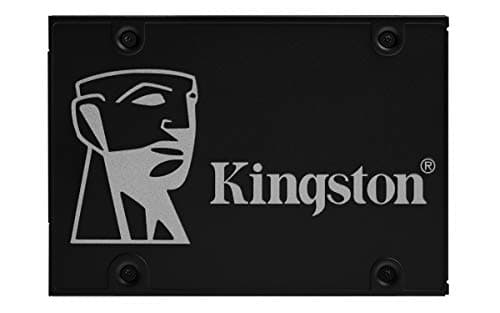
The Kingston KC600 512 GB SATA SSD offers solid sequential speeds, a dedicated DRAM cache, and robust hardware encryption, making it a reliable upgrade for desktops and laptops that need security and endurance.
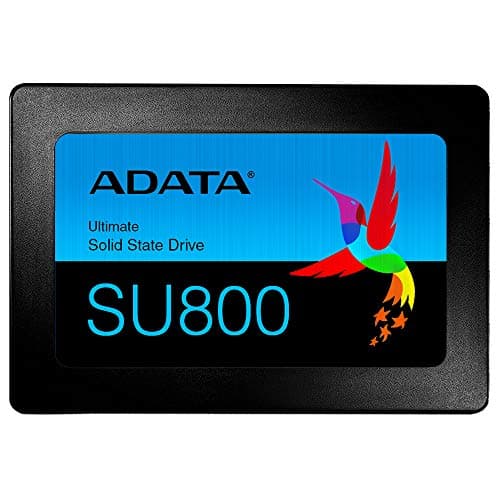
The ADATA Ultimate SU800 512 GB is a budget-friendly 2.5" SATA SSD offering solid sequential performance, high endurance, and a DRAM cache, making it a good upgrade for everyday PCs.
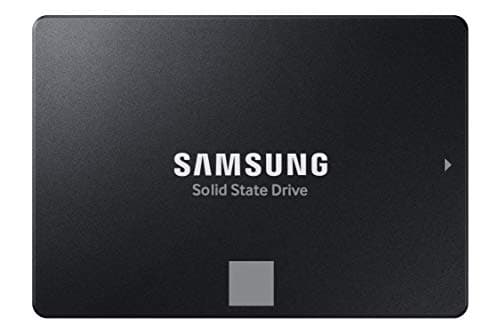
The Samsung 870 EVO 500GB SATA SSD provides dependable SATA III performance, strong random IOPS, and robust encryption, making it a solid upgrade for legacy PCs and laptops.
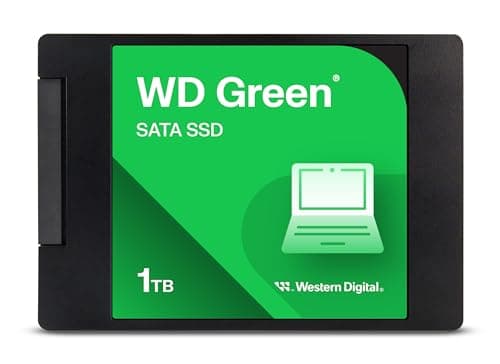
The WD Green 1TB SATA SSD is an energy-efficient, budget-friendly drive that delivers solid sequential speeds and includes useful software, making it a good choice for everyday computing and boot drives. Its lack of DRAM and modest endurance keep it from being ideal for heavy workloads.
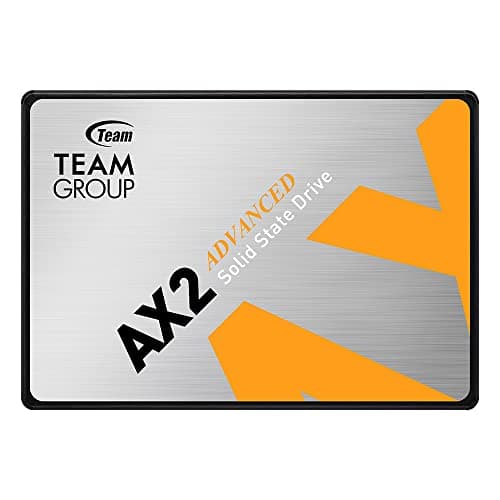
The TEAMGROUP AX2 512 GB SATA SSD provides solid read/write speeds and reliable everyday performance at a budget price, though it lacks DRAM and has moderate endurance. It is ideal for users upgrading from HDDs who need a lightweight, low-power solution.
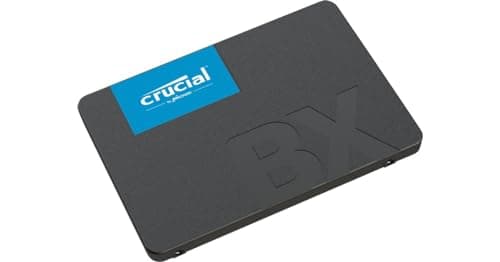
The Crucial BX500 500 GB is a budget-oriented 2.5-inch SATA SSD that delivers solid sequential performance and includes useful cloning software. Its DRAM-less architecture and limited endurance make it best suited for light to moderate workloads rather than heavy write-intensive tasks.
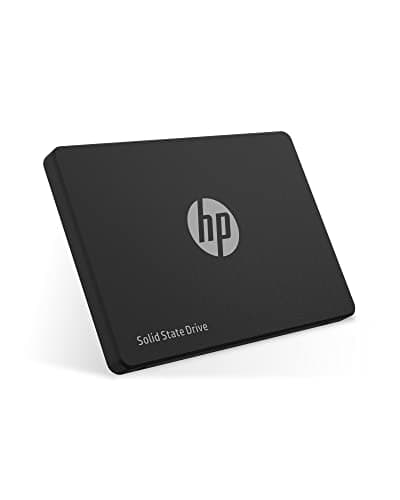
The HP S650 480 GB SSD offers solid SATA-III performance at a budget price, making it a good upgrade for older laptops and desktops, but its low endurance and mixed reliability limit its suitability for demanding workloads.
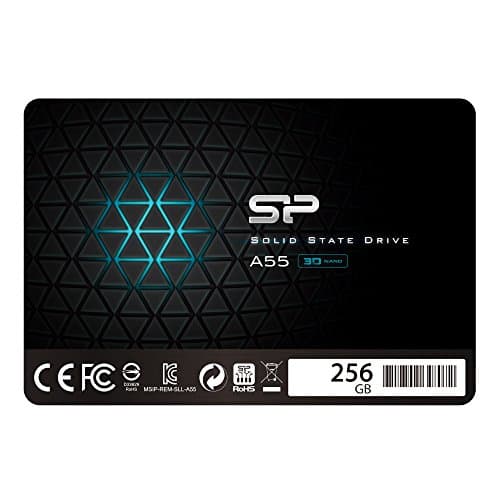
The Silicon Power A55 256 GB SSD delivers fast SATA III performance in a compact 7 mm form factor, making it a budget-friendly upgrade for laptops and desktops.
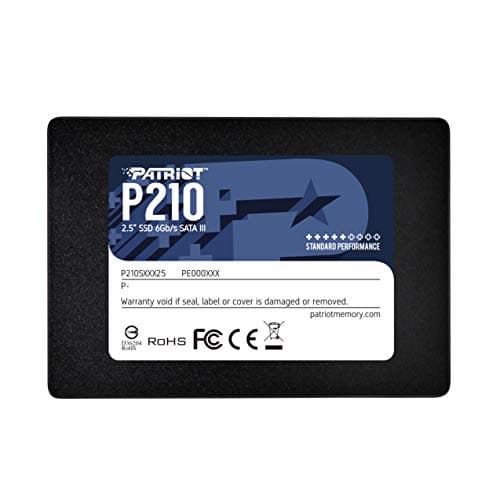
The Patriot P210 128 GB SSD is an entry-level SATA III drive aimed at budget-conscious users needing a basic upgrade from HDDs, offering acceptable sequential speeds but limited features.
| Attribute | | | | | | | | | |
|---|---|---|---|---|---|---|---|---|---|
500 GB | 1,000 GBbest | 256 GB | 512 GB | 500 GB | 512 GB | 480 GB | 512 GB | 128 GB | |
560 MB/sbest | 545 MB/s | 560 MB/sbest | 560 MB/sbest | 550 MB/s | 530 MB/s | 560 MB/sbest | 550 MB/s | 520 MB/s | |
530 MB/sbest | 525 MB/s | 530 MB/sbest | 520 MB/s | 500 MB/s | 470 MB/s | 500 MB/s | 520 MB/s | 430 MB/s | |
98,000 IOPS | 100,000 IOPSbest | — | 85,000 IOPS | — | — | 50,000 IOPS | 90,000 IOPS | 30,000 IOPS | |
88,000 IOPSbest | 80,000 IOPS | — | 85,000 IOPS | — | — | 70,000 IOPS | 80,000 IOPS | 30,000 IOPS | |
300 TBW | 400 TBWbest | — | 400 TBWbest | 120 TBW | 120 TBW | 40 TBW | 300 TBW | — | |
— | — | — | 0.5best | — | — | — | — | — | |
3 years | 3 years | 3 years | 3 years | 3 years | 3 years | 3 years | 5 yearsbest | 3 years |
Click an attribute name to sort · Green = best, red = worst (relative to this comparison)
| Attribute | | | | | | | | | |
|---|---|---|---|---|---|---|---|---|---|
Performance(6) | |||||||||
Sequential Read Speed (MB/s) | 560 MB/s | 545 MB/s | 560 MB/s | 560 MB/s | 550 MB/s | 530 MB/s | 560 MB/s | 550 MB/s | 520 MB/s |
Sequential Write Speed (MB/s) | 530 MB/s | 525 MB/s | 530 MB/s | 520 MB/s | 500 MB/s | 470 MB/s | 500 MB/s | 520 MB/s | 430 MB/s |
Random Read IOPS (IOPS) | 98000 IOPS | 100000 IOPS | — | 85000 IOPS | — | — | 50000 IOPS | 90000 IOPS | 30000 IOPS |
Random Write IOPS (IOPS) | 88000 IOPS | 80000 IOPS | — | 85000 IOPS | — | — | 70000 IOPS | 80000 IOPS | 30000 IOPS |
Interface | SATA 6 Gb/s | SATA III 6 Gb/s | SATA III | SATA III | SATA III | SATA III | SATA III | SATA | SATA III |
DRAM Cache (Yes/No) | true | false | false | true | false | false | false | true | false |
Security(1) | |||||||||
Hardware Encryption | true | false | — | false | — | — | — | true | false |
Storage(6) | |||||||||
Capacity (GB) | 500 GB | 1000 GB | 256 GB | 512 GB | 500 GB | 512 GB | 480 GB | 512 GB | 128 GB |
Form Factor | 2.5-inch | 2.5-inch | 2.5" | 2.5" | 2.5-inch | 2.5" | 2.5 inches | 2.5" | 2.5-inch |
NAND Type | 3-bit MLC | 3D TLC | 3D NAND TLC | TLC | TLC | TLC | 3D NAND TLC | TLC | 3D TLC |
Endurance (TBW) (TBW) | 300 TBW | 400 TBW | — | 400 TBW | 120 TBW | 120 TBW | 40 TBW | 300 TBW | — |
Warranty Period (years) | 3 years | 3 years | 3 years | 3 years | 3 years | 3 years | 3 years | 5 years | 3 years |
MTBF (hours) | 1500000 hours | 1000000 hours | 1500000 hours | 2000000 hours | — | 1000000 hours | 1000000 hours | 1000000 hours | — |
Power & Energy(2) | |||||||||
Idle Power Consumption (W) | 0.03 W | 0.08 W | — | — | <1 W | — | — | 0.06 W | — |
Active Power Consumption (W) | 2.2 W | 2.8 W | — | — | 2-4 W | — | 1.97 W | 0.2 W | — |
Design & Build(2) | |||||||||
Weight (g) | 45.0 g | 32.7 g | 50 g | 47.5 g | 60 g | 45.36 g | 50 g | 40 g | 45.96 g |
Thickness (mm) | 69.85 mm | 7.1 mm | 7 mm | 7 mm | 30 mm | 7.0 mm | 6.7 mm | — | 7 mm |
Products in the top-left offer the best value (high score, low price).
Professional reviewers praise the 870 EVO as a top-tier SATA SSD with excellent performance, high endurance, and strong reliability thanks to Samsung's V-NAND and MKX controller.
Users report dramatic speed gains after upgrading from HDDs, noting near-instant boot times and smoother applications, while noting the SATA speed ceiling and missing accessories.
“a premier option in the world of SATA SSDs”
“faster boot times”
“great for the price, but not for heavy workloads.”
Choose AX2 for slightly better endurance and caching; BX500 if you find a better deal.
Select Samsung 870 EVO for performance-critical or high-endurance needs; AX2 for budget upgrades.
Select Samsung for critical or heavy-use systems; HP S650 for budget upgrades where ultimate endurance isn't required.
Pick the 870 EVO for the best overall performance when budget allows and encryption is not a must.
Professional reviewers from TechRadar and PCMag view the WD Green 1TB SSD as a solid, low-cost option for users replacing aging HDDs, praising its low power draw and reliable operation while noting the lack of DRAM and limited SLC cache hurt performance for power users.
Everyday users appreciate the noticeable boost in boot speed, the ease of cloning with bundled software, and the three-year warranty, but complain about slower write performance once the SLC cache is exhausted and occasional inconsistency when the drive is near full.
Professional reviewers view the A55 as a cost-effective upgrade that punches above its weight class, offering SATA-III performance comparable to premium models while keeping costs low, but they note the absence of a DRAM cache and slowdown once the SLC cache is exhausted.
Everyday users praise the drive for lightning-fast boot times, straightforward installation and silent, low-heat operation, while noting speed drops after the cache fills during large transfers.
Professional reviewers describe the SU800 as an entry-level, budget-oriented SSD that offers competitive advertised speeds and a high TBW rating, but note the drop in sustained write performance and lack of hardware encryption.
Everyday users rate the SU800 4-5 stars, praising fast boot times and value, while noting write-speed throttling on large transfers and occasional migration-software issues.
Professional reviewers acknowledge the BX500 as a competent budget SSD that delivers solid sequential speeds and good value, but they caution that its DRAM-less design, limited endurance, and lack of encryption make it less suitable for heavy or sustained workloads.
Everyday users praise the BX500 for turning sluggish laptops into fast machines, appreciating the low price, easy cloning with Acronis, and quiet operation. Common complaints involve occasional hot operation, a few DOA units, and concerns over the short warranty and endurance.
Professional reviewers consider the AX2 a solid, budget-friendly SATA SSD that delivers performance on par with other entry-level drives. They praise its SLC caching and reliability features while noting the absence of DRAM and limited software support as the main drawbacks.
Everyday users appreciate the noticeable speed boost over HDDs, easy installation, and durability, especially in laptops. Common complaints focus on the slowdown after the SLC cache is exhausted, lack of dedicated monitoring tools, and difficulty locating firmware updates.
Professional reviewers note that the S650 is a solid, compatible upgrade for older systems, praising its plug-and-play nature and the use of 3D TLC NAND with SLC caching. However, they caution that it is not a high-performance or high-endurance drive, positioning it as a budget-friendly option rather than a premium SSD.
Everyday users appreciate the noticeable speed boost, easy installation, and low price, often citing faster boot times. Conversely, many report early failures, rapid wear, and reliability concerns, with some labeling the drive as junk after short use.
Professional reviewers praise the KC600 for its balanced performance and robust security features, highlighting the effective DRAM cache, stable write speeds even near full capacity, and the rare inclusion of full-disk 256-bit AES encryption.
Everyday users note dramatic boot and app load improvements, silent operation, and easy installation, while some complain about missing cloning software and occasional warranty-length confusion.
Professional reviewers classify the P210 as a budget-tier SATA SSD that delivers acceptable performance for everyday tasks but falls short of modern expectations due to its DRAM-less architecture and lack of HMB.
Everyday users praise the P210 for quick boot times and easy installation, but many note slower-than-advertised speeds under load and concerns about long-term durability.
