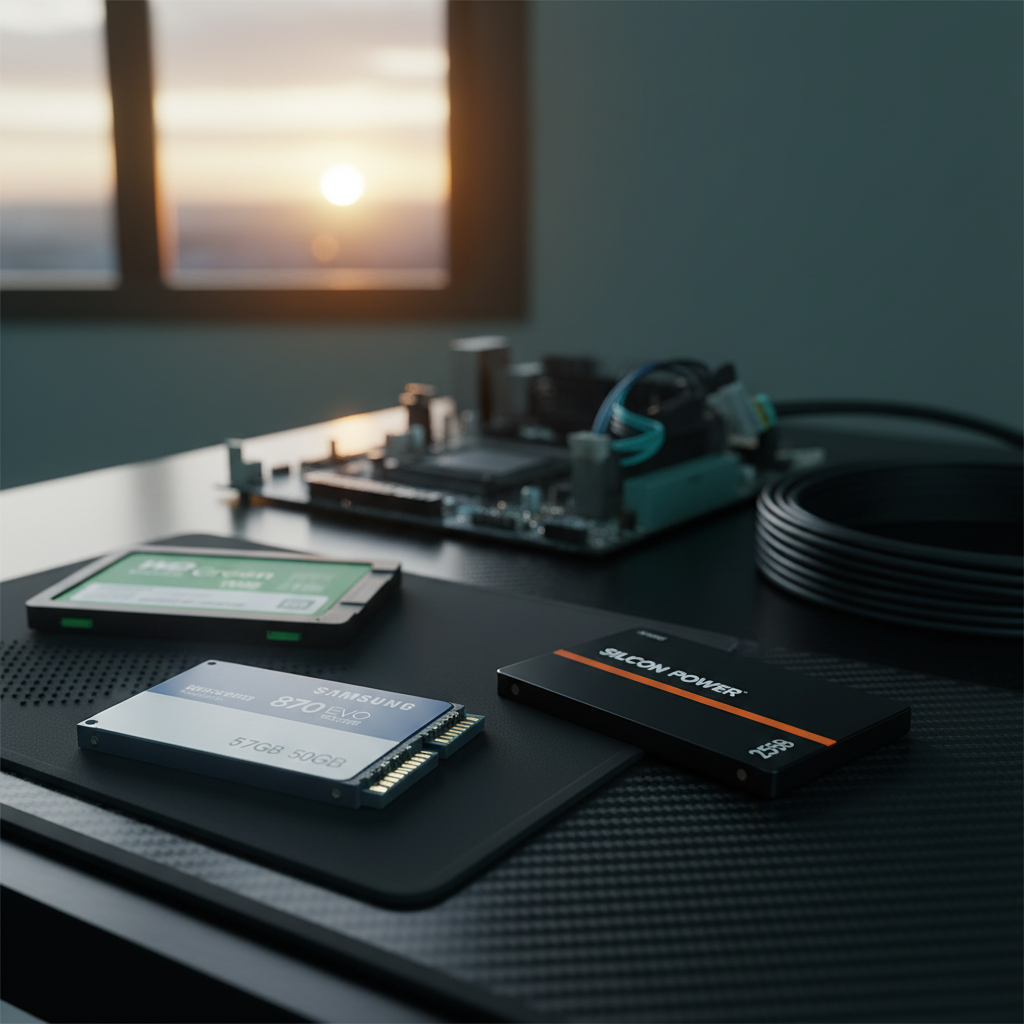
If you’re swapping an old hard drive for a SATA SSD and don’t want to break the bank, you’ve come to the right place. We compared 9 2.5‑inch drives that all sell for $100 or less, from entry‑level options to higher‑end choices that fit a modest budget. The Samsung 870 EVO 500 GB leads the pack at $94.99, carries a 4.8/5 rating from 44,948 reviewers, and pushes up to 560 MB/s sequential reads. The Western Digital WD Green 1 TB follows at $72.71 with a solid 4.5/5 score and 545 MB/s read speed.
To help you navigate the choices, we split the list into three price tiers that match tier map. Budget‑friendly models include the Silicon Power A55 256 GB at $39.97 (4.6/5) delivering up to 560 MB/s reads, and the Patriot Memory P210 128 GB at $33.99 (4.5/5) with up to 520 MB/s reads, both in a 7 mm profile. Mid‑range options like the Kingston SKC600 512 GB ($73.59, 4.5/5) and the Teamgroup AX2 512 GB ($82.99) deliver 530 MB/s reads while staying under $100. Premium picks such as the ADATA SU800 512 GB ($99.00, 4.7/5) and the HP S650 480 GB ($86.02, 4.6/5) give endurance and a 5‑year warranty where it matters. Now we’ll explore each model’s key strengths and scenarios.
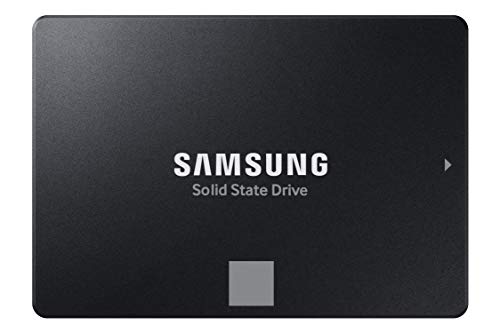
Samsung 870 EVO 500GB
Its slim 6.8 mm depth gives you a space‑saving, proven Samsung drive at a solid price.

Western Digital WD Green 1TB
Ideal for users needing extra storage without breaking the bank, the WD Green 1TB sits about $22 less than the 870 EVO while still delivering solid reliability.
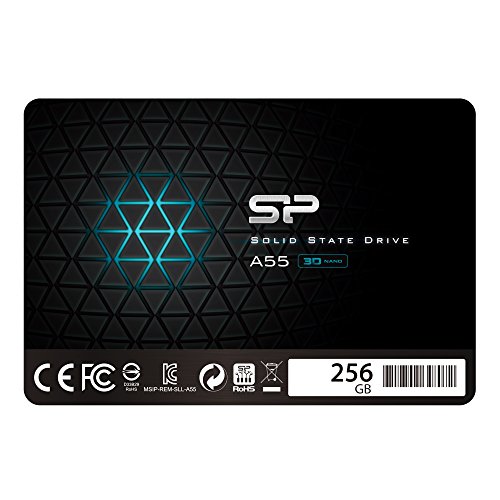
Silicon Power A55 256GB
Stands out as the only sub‑$40 SSD, with a 7 mm profile that fits tight bays while offering a reliable entry‑level 256 GB capacity.
Also considered
Score Analysis
Key score advantages vs. runner-up (Western Digital WD)
Price Range
Samsung 870 EVO 500GB
$94.99
Western Digital WD Green 1TB
$159.00
Silicon Power A55 256GB
$58.97

ADATA SU800 512GB
$84.99

Crucial BX500 500GB
$69.00
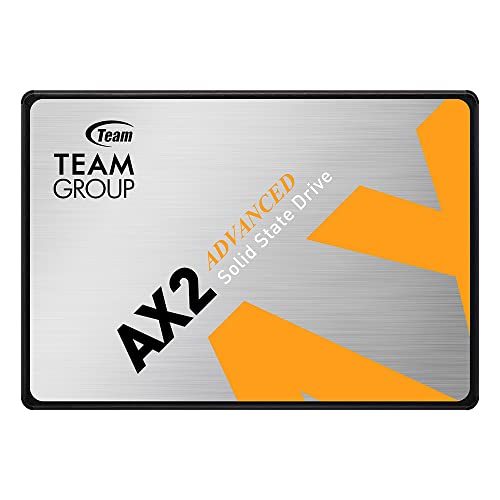
Teamgroup AX2 512GB
$82.99
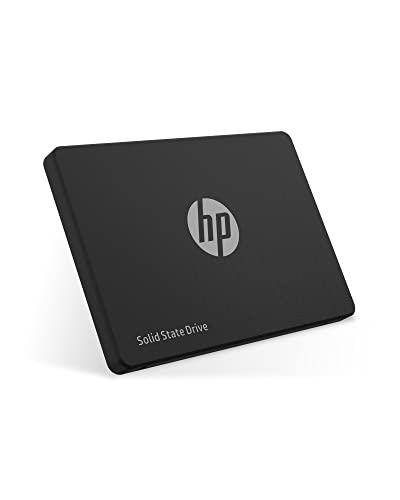
HP S650 480GB
$99.99

Kingston SKC600 512GB
$73.59

Patriot Memory P210
$35.99
Spec Comparison
TL;DR: The Samsung 870 EVO 500 GB SATA SSD delivers 560 MB/s read, 530 MB/s write, 300 TBW endurance and a 4.8‑star rating for under $100, making it a solid, reliable upgrade for legacy PCs.
At the heart of the drive is Samsung’s MKX controller paired with 512 MB of low‑power DDR4 cache and 6th‑gen V‑NAND, which together push sequential reads to 560 MB/s and writes to 530 MB/s. Random performance reaches 98,000 IOPS (4 KB, QD32) on reads and 88,000 IOPS on writes, while the 300 TBW endurance rating and 1.5 million‑hour MTBF promise long‑term reliability.
Compared with the other eight contenders, the 870 EVO weighs 0.19 pounds, a bit heavier than many peers such as the ADATA SU800 (0.1 pounds) and Kingston SKC600 (0.0882 pounds). Its 6.8 mm thickness matches the typical 7 mm profile of most rivals, so it fits any 2.5‑inch bay without issue. Endurance sits at 300 TBW, lower than ADATA’s 400 TBW and WD Green’s 400 TBW but well above the 120 TBW offered by Teamgroup AX2 and Crucial BX500. The 1.5 million‑hour MTBF exceeds the 1 million‑hour ratings of several competitors, though ADATA lists a longer 2 million‑hour MTBF.
Reviewers consistently highlight the drive’s “near‑instant” boot times and smoother app launches after swapping a hard drive for the 870 EVO. Users also appreciate the hassle‑free installation and Samsung Magician 6 software for health monitoring, though they note the software runs only on Windows. A recurring complaint is the lack of an included SATA cable or 2.5‑inch‑to‑3.5‑inch mounting bracket, and some note that the SATA III interface caps performance below modern NVMe speeds.
Pros
Cons
Best for: Buyers willing to invest in a proven, high‑quality option
Avoid if: You're on a tight budget or only need basic functionality
TL;DR: The WD Green 1TB SSD offers 1 TB of storage, 545 MB/s read speeds and ultra‑low 80 mW power draw at a $72.71 price, making it a solid budget upgrade for laptops and desktops.
The drive’s standout spec is its 1 TB capacity paired with a sequential read speed of 545 MB/s and random read performance of 100,000 IOPS. It also draws only 80 mW when active, which helps keep laptops cool and extends battery life.
Compared with the eight other SSDs in this roundup, the WD Green provides the largest capacity—double the 512 GB of the Kingston SKC600 and well above the 500 GB of the Crucial BX500. Its 7.1 mm height matches the slim profile of the Teamgroup AX2, while its 32.7 g weight makes it lighter than Kingston’s 40 g unit. Random‑read IOPS of 100,000 also outpace Kingston’s 90,000 IOPS, placing it near the top of the performance range for entry‑level SATA drives.
Users consistently note a noticeable boost in boot times and appreciate the included WD SSD Dashboard and Acronis True Image for easy cloning. Professional reviewers highlight the ultra‑low active power draw as ideal for laptops, and the drive’s shock resistance of 1,500 G adds confidence for portable use. The main complaints revolve around slower write speeds once the SLC cache fills and the lack of a DRAM cache, which can limit sustained random performance.
Additional technical details list SLC caching (Dynamic Write Acceleration), LDPC error correction, a 400 TBW endurance rating, and a 1,000,000‑hour mean time to failure. The drive operates between –55 °C and 85 °C and comes with a three‑year limited warranty, reinforcing its reliability for everyday tasks.
Pros
Cons
Best for: Most users looking for a well‑reviewed, reliable mainstream option
Avoid if: Reliability and user satisfaction are your top concerns
“great for the price, but not for heavy workloads.”
TL;DR: For $39.97, the Silicon Power A55 256 GB SSD delivers 560 MB/s reads, 530 MB/s writes, a slim 7 mm profile and a three‑year warranty, making it a solid entry‑level upgrade.
The drive’s standout spec is its sequential performance: 560 MB/s read and 530 MB/s write speeds sit right at the top of the SATA III envelope, while the 7 mm (0.28 in) thickness and 50 g (1.76 oz) weight keep it ultra‑light for laptops. It also uses a pseudo‑SLC cache on 3D TLC NAND, which helps sustain those speeds for typical workloads.
Compared with the eight other SSDs in this roundup, the A55 matches the read speed of the HP S650, Samsung 870 EVO and ADATA SU800, and it outwrites most peers – the Patriot P210 tops out at 430 MB/s, the WD Green at 525 MB/s, and the Teamgroup AX2 at 470 MB/s. Its 7 mm profile is identical to the Patriot P210 and Teamgroup AX2 and only a hair thinner than the WD Green’s 7.1 mm, though it's a bit heavier than the WD Green’s 32.7 g. Capacity‑wise it offers 256 GB, which is smaller than the 500 GB–1 TB options from Crucial, WD, Samsung and others, but its price is the lowest of the lot.
Users consistently praise the A55 for lightning‑fast boot times, silent operation and the ease of swapping it into older laptops. Professional reviewers note the SLC cache gives a noticeable boost over HDDs, but they also warn that once the cache fills during large file moves, sustained speeds can dip. Reviewers frequently highlight the drive’s low‑power draw and three‑year warranty as good value for casual users.
Technically, the SSD relies on a proprietary controller, offers 1,500,000‑hour MTBF, and survives shocks up to 1500 G and vibrations up to 20 G. It supports NCQ, TRIM, S.M.A.R.T. and comes with the free SP Toolbox for health monitoring.
Pros
Cons
Best for: Budget-conscious buyers seeking a reliable entry-level option
Avoid if: You need heavy write‑intensive workloads or professional video/photo editing
“Boot times are lightning fast”
“Easy to install”
TL;DR: The ADATA SU800 512 GB SSD offers 560 MB/s read, 520 MB/s write, a 400 TB endurance rating and a 4.7‑star score for $99, making it a solid upgrade for everyday PCs.
The standout spec is its sequential performance: 560 MB/s read and 520 MB/s write paired with 85,000 IOPS random throughput, with a Silicon Motion SM2258G controller driving the drive and a 512 MB DDR3L‑1600 cache providing backing. Its 7 mm profile and 0.1 pound (47.5 g) weight keep the drive ultra‑thin and light, ideal for cramped laptop bays.
Compared with the eight other SSDs in this roundup, the SU800 sits at the higher end of the price band while it remains lighter than Samsung’s 870 EVO (0.19 pounds) and matches the thinnest form factors such as HP’s S650 (6.7 mm height). Its 400 TB TBW endurance outpaces most peers—only the WD Green 1 TB matches that figure, while the Teamgroup AX2 offers just 120 TB. Random IOPS of 85,000 sit comfortably above the HP S650’s 50,000 IOPS but below the Kingston SKC600’s 90,000 IOPS.
Users consistently praise the drive for “fast boot” and “snappy application launches,” a sentiment reflected in the 4.7‑star rating from over 6 000 reviews. Professional reviewers note the drive’s reliable data‑shaping engine and LDPC ECC support, but they also flag a drop in sustained write speed once the SLC cache fills, typically down to around 50 MB/s. Another recurring comment points to the lack of hardware AES encryption, making it less suited for security‑focused environments.
Pros
Cons
Best for: Casual users upgrading from HDDs, office PCs, and light‑gaming rigs that need a quick, reliable storage boost.
Avoid if: You need heavy sustained writes, built‑in encryption, or a tighter budget—the $99.00 price point is higher than many entry‑level options.
“solid performer for the price.”
TL;DR: The Crucial BX500 500 GB SSD delivers 550 MB/s reads and 500 MB/s writes at a $69 price, making it a solid, budget‑friendly upgrade for older PCs, though its DRAM‑less design and 120 TBW endurance limit high‑intensity use.
The drive’s standout spec is its sequential performance: 550 MB/s read and 500 MB/s write, paired with a 500 GB capacity and a 3‑year warranty. It uses a DRAM‑less SM2258XT controller and 64‑layer 3D NAND TLC, keeping power draw low at 2‑4 W active and under 1 W idle.
Compared with the other eight SSDs in this roundup, the BX500 is thicker at 30 mm and heavier at 0.1322773572 pounds (60 g) than ultra‑slim models like the WD Green (7.1 mm, 32.7 g) and Teamgroup AX2 (7.0 mm, 45.36 g). It matches the HP S650’s weight roughly, but is still lighter than the Samsung 870 EVO (0.19 pounds). Its read speed outpaces the WD Green’s 545 MB/s and the Teamgroup’s 530 MB/s, and its write speed sits between the WD Green’s 525 MB/s and the Teamgroup’s 470 MB/s. Its endurance is lower than the WD Green’s 400 TBW and ADATA SU800’s 400 TBW, matching only the Teamgroup’s 120 TBW.
Reviewers consistently highlight the fast boot‑up and file‑copy experience, praising the low cost per gigabyte and the bundled Crucial Storage Executive and Acronis True Image tools for easy cloning. However, users note that the DRAM‑less architecture can cause slower random 4 K performance under heavy multitasking, and some report higher temperatures during sustained transfers. A few owners have encountered dead‑on‑arrival units; the three‑year warranty aims to address them.
Pros
Cons
Best for: Budget-conscious buyers seeking a reliable entry-level option
Avoid if: You want the best value‑per‑dollar in its price range
TL;DR: The Teamgroup AX2 512 GB SATA SSD delivers 530 MB/s read speed, 1,500 G shock resistance, and a three‑year warranty for $82.99, making it a solid budget upgrade from a hard drive.
This drive’s most distinctive spec is its 1,500 G shock resistance, meaning it can survive drops and bumps that would damage many other SSDs. Coupled with a lightweight 0.1 lb (45.36 g) chassis and a slim 7.0 mm profile, it fits easily into laptops and compact desktops.
Compared with the eight peers, the AX2 reads a bit slower than the HP S650’s 560 MB/s and the ADATA SU800’s 560 MB/s, but it still outpaces older SATA drives that sit in the low‑500 MB/s range. Its 470 MB/s write speed is also modest against the WD Green’s 525 MB/s. The AX2 matches the Kingston SKC600’s 69.9 mm width and is only marginally taller than the HP S650’s 6.7 mm height. It weighs more than the WD Green (0.072 lb) but less than the HP S650 (0.13 lb), placing it in the middle of the pack.
Everyday users praise the noticeable boot‑time improvement and the hassle‑free plug‑and‑play installation. Reviewers highlight the reliable ECC and dynamic SLC caching that keep routine tasks smooth, while some note a slowdown once the cache is exhausted. Professional reviewers point out the lack of a dedicated DRAM cache as a limitation for sustained writes, and they mention the limited firmware tools compared with brands like Samsung.
Pros
Cons
Best for: Most users looking for a well‑reviewed, reliable mainstream option
Avoid if: Reliability and user satisfaction are your top concerns
“My old laptop feels brand new”
“Write speeds drop after initial burst”
TL;DR: The HP S650 480 GB SSD delivers 560 MB/s sequential reads, low power draw and a solid 3‑year warranty for under $90, but its endurance and reliability concerns may limit heavy‑use scenarios.
The drive’s headline spec is a sequential read speed of 560 MB/s, paired with a random write capability of 70,000 IOPS and a 480 GB 3D NAND TLC capacity in a slim 2.5‑inch, 6.7 mm form factor. Its intelligent SLC cache helps keep performance smooth during sustained transfers, and the listed MTBF of ≥1,000,000 hours adds a layer of confidence for everyday use.
Compared with the eight other SSDs in this roundup, the S650 is heavier than the WD Green’s 0.072 pounds and the Kingston SKC600’s 0.0882 pounds, but lighter than Samsung’s 0.19 pounds model. Its 560 MB/s read speed matches ADATA’s SU800 and exceeds Teamgroup’s 530 MB/s and WD Green’s 545 MB/s. At 500 MB/s sequential write, it aligns with Crucial’s BX500 and sits just below WD Green’s 525 MB/s. Capacity-wise, it offers 480 GB, a bit less than the 512 GB that Teamgroup, Samsung, Kingston and ADATA ship, and far below WD Green’s 1 TB.
Users consistently praise the noticeable boot‑time reduction and the plug‑and‑play installation, noting that the drive feels “instant” in older laptops. Professional reviewers also highlight its compatibility with legacy systems and the benefit of LDPC ECC error correction. However, many owners report premature wear—some seeing 156 % wear after just three months—and occasional early failures, suggesting that the 40 TBW endurance (based on the 240 GB model) may be modest for demanding workloads. The drive’s low power consumption of 1.97 W and operating temperature range of 0 °C to 70 °C are useful for small‑form‑factor builds.
Pros
Cons
Best for: Buyers willing to invest in a proven, high-quality option
Avoid if: You're on a tight budget or only need basic functionality
“Easy to install and very faster than my hard disk!”
“piece of junk”
TL;DR: The Kingston SKC600 512 GB SATA SSD packs a 512 MB DRAM cache, 550 MB/s read and 520 MB/s write speeds, and 5‑year warranty for a solid upgrade under $100.
The standout spec is the dedicated 512 MB DDR3L DRAM cache, which helps keep random I/O fast – the drive delivers 90,000 IOPS random reads and 80,000 IOPS random writes. Sequential performance hits 550 MB/s read and 520 MB/s write, matching the SATA III ceiling, and the drive includes XTS‑AES 256‑bit hardware encryption for data security.
Compared with the other eight SSDs in this roundup, the SKC600 offers more capacity than the 500 GB Crucial BX500 and the 480 GB HP S650, while its sequential read of 550 MB/s edges out the WD Green’s 545 MB/s and equals the BX500’s 550 MB/s. Its 300 TB total bytes written endurance sits between the WD Green’s 400 TB and the lower 120 TB figures of the BX500 and Teamgroup AX2. At 0.0882 pounds, it's a touch heavier than the WD Green’s 0.072 pounds but lighter than the HP S650’s 0.13 pounds.
Everyday users say the drive reduces boot times and feels silent in a desktop or laptop chassis. Reviewers note the DRAM cache as a key factor that prevents the slowdown some SATA drives show when the SLC cache empties. However, many customers point out the absence of any cloning or migration software in the box, and a few report a noticeable dip in write speed once the SLC cache is exhausted.
Technically, the SKC600 is a 2.5‑inch SATA Rev. 3.0 (6 Gb/s) drive built on a Silicon Motion SM2259 controller and 3D TLC NAND. It carries a 1,000,000‑hour MTBF rating, draws just 0.2 W on average, and operates between 0 °C and 70 °C. The five‑year warranty adds confidence for both home and office environments.
Pros
Cons
Best for: Home and office users seeking a balance of features and value
Avoid if: You need NVMe‑level performance or macOS‑specific optimization
“Boots up in seconds”
“Very quiet and cool”
TL;DR: The Patriot Memory P210 delivers 520 MB/s reads and 430 MB/s writes in a tiny 7 mm, 128 GB SATA III SSD for just $33.99, making it a solid budget upgrade for older PCs.
The drive’s key spec is its sequential performance: up to 520 MB/s read and 430 MB/s write, which is solid for a SATA III SSD at this price point. It packs 128 GB of 3D TLC NAND in a 2.5‑inch form factor and weighs only 45.96 g, fitting easily into slim laptop bays.
Compared with the other eight contenders, the P210 sits near the lightest end—lighter than the Silicon Power A55’s 50 g and only a shade heavier than the Kingston SKC600’s 40 g. Its 7 mm height matches the profile of most peers, including the WD Green and Teamgroup AX2. In raw speed, its 520 MB/s read trails the Silicon Power A55’s 560 MB/s and the WD Green’s 545 MB/s, but it still outpaces older mechanical drives and many entry‑level SSDs that linger around 500 MB/s.
Users consistently praise the P210 for quick boot times and the ease of swapping it into aging laptops or desktops. The affordable price and compact size win points, while reviewers note that the DRAM‑less design can make random 4 KB I/O feel slower under heavy multitasking. Professional reviewers also flag the lack of hardware encryption, which limits its appeal for business‑grade security.
Technically, the drive relies on an SMI SM2259XT controller and offers 30,000 IOPS for both random reads and writes. It supports TRIM, SMART, and thermal throttling, and comes with a three‑year limited warranty. The absence of a DRAM cache and Host Memory Buffer means you won’t see the snappier random performance of higher‑tier models, but the drive remains reliable for everyday tasks.
Pros
Cons
Best for: Budget‑conscious buyers seeking a reliable entry‑level option
Avoid if: You need high‑performance workloads, large storage capacity, or built‑in encryption
“fast boot times and snappy system responsiveness after upgrading from HDDs”
“benchmarks under 300 MB/s”
Breakdown
Samsung 870 EVO 500GB
Pros
Western Digital WD Green 1TB
Pros
Cons
Silicon Power A55 256GB
Pros
ADATA SU800 512GB
Pros
Cons
Based on scoring data and product specs
Personalized picks
Best Overall Pick
Samsung 870 EVO 500GB
Best ValueBest for: Buyers willing to invest in a proven, high-quality option
Western Digital WD Green 1TB
Best for: Most users looking for a well-reviewed, reliable mainstream option
$159.00+$64.01 vs winner
Skip Patriot Memory P210 if…
You have limited desk space or need portability
Samsung’s 870 EVO 500 GB takes the top spot with a 4.8‑star rating from 44,948 reviewers, a sequential read speed of 560 MB/s and a sequential write speed of 530 MB/s, and a 3‑year manufacturer warranty that backs an endurance rating of 300 TBW. Those specs—560 MB/s read, 530 MB/s write, and 300 TBW endurance—give it an advantage in performance and reliability for under $100.
The Western Digital WD Green 1TB lands as the runner‑up and shines when you need extra capacity without breaking the bank. It offers 1 TB of storage for $72.71, hits 545 MB/s read and 525 MB/s write speeds, and carries a 3‑year limited warranty with a 400 TBW endurance rating, making it a solid choice for larger game libraries or media collections.
For tighter budgets, the Patriot Memory P210 at $33.99 is the cheapest option, delivering basic SATA performance at a price that fits a shoestring. The WD Green 1TB also serves as a reliable mid‑range pick, balancing capacity and speed for everyday tasks. If you want the most premium feature set within the $100 ceiling, the ADATA SU800 512 GB at $99.00 offers a higher‑end NAND configuration and a slightly larger capacity for power users.
Pick the Samsung 870 EVO 500 GB now and upgrade your system with confidence.
The Samsung 870 EVO 500 GB stands out with sequential read/write speeds of 560 MB/s and 530 MB/s, plus a 512 MB cache and strong random IOPS. It also carries a 3‑year manufacturer warranty, making it the top‑performing choice in this price range.
Please sign in to leave a review
No reviews yet. Be the first to review!
