Rankings
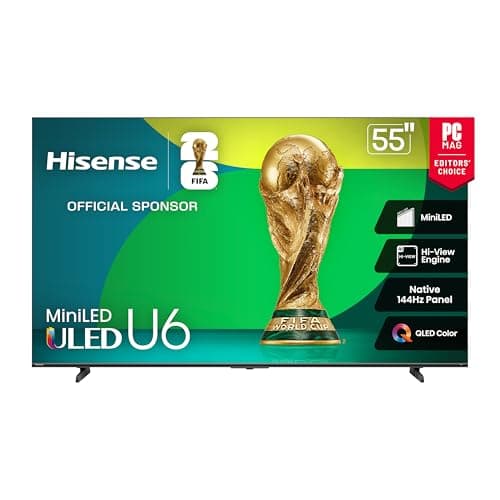
The Hisense 55U65QF is a Mini-LED QLED 4K Smart TV that offers a native 144 Hz refresh rate, 1000 nit brightness and extensive HDR support. Its main trade-offs are modest built-in speakers and occasional uniformity issues. Best suited for gamers and bright-room viewers who want high-refresh performance without paying OLED premiums.
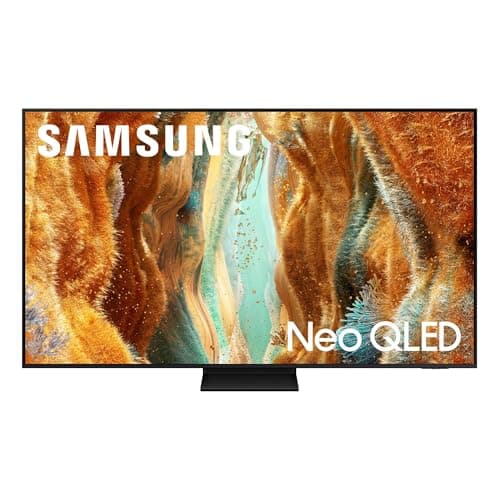
The Samsung 65-inch Neo QLED QN70F is a premium 2025 4K Mini LED TV delivering vibrant colors, deep blacks, and up to 144 Hz gaming performance. Its UI can be unintuitive and the backlight type is debated, making setup less straightforward. Ideal for gamers and bright-room viewers seeking advanced AI features.
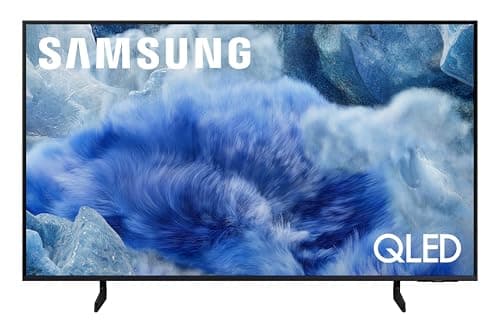
Samsung's 65-inch Q8F QLED TV combines 100% DCI-P3 coverage, Quantum HDR+, AI-driven upscaling and Variable Refresh Rate up to 200 Hz for vibrant, smooth visuals. Its large size, high power draw and absence of a One Connect Box may deter some users. Perfect for living rooms seeking a premium 4K QLED experience with smart-home integration.
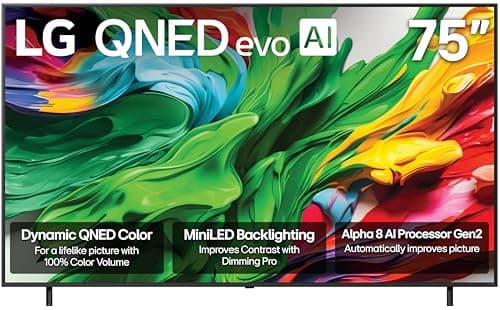
The 75-inch LG QNED85AUA combines Mini-LED backlighting, a 120 Hz panel with up to 144 Hz VRR, and the α8 AI Processor for a premium picture and gaming performance. Its large size and high power draw, plus modest built-in audio, may be drawbacks for smaller spaces. Perfect for immersive home theater and high-end gaming setups.
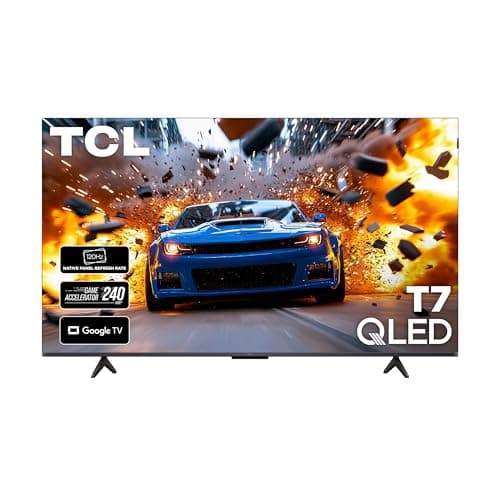
The TCL 55-inch T7 QLED TV combines vibrant quantum-dot colors with a native 120 Hz panel and HDMI 2.1 support, making it a strong choice for gamers and sports fans. Its relatively low brightness and higher power draw are trade-offs for the performance. It targets budget-conscious gamers seeking QLED quality.
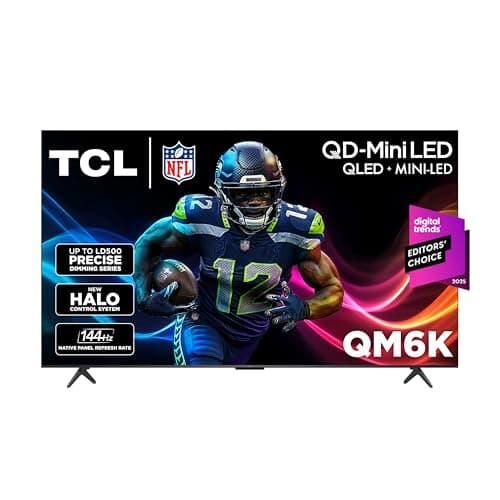
The TCL 55-inch QM6K delivers a 4K Mini-LED QLED panel with a 144 Hz native refresh rate and robust gaming features like FreeSync and VRR. Its higher price and heavier build, along with modest peak brightness, make it less ideal for ultra-bright rooms. Ideal for gamers and mixed-use viewers wanting high-refresh 4K performance.
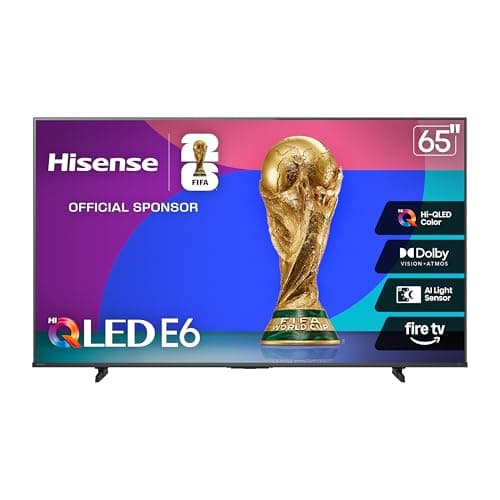
The Hisense 65-inch E6 Cinema Series offers a Hi-QLED panel with Dolby Vision, Dolby Atmos and AI-driven picture enhancements for a cinematic experience. Its 60 Hz refresh rate and lack of HDMI 2.1 keep it from being a high-end gaming TV, making it best for movie lovers and casual gamers who value picture and sound quality at a reasonable price.
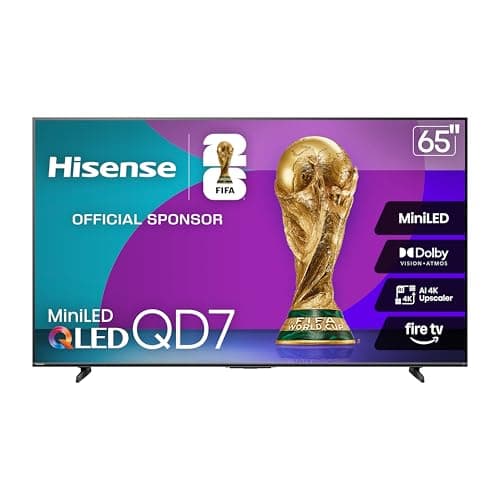
Hisense's 65-inch QD7 Series Mini-LED TV provides a bright 144 Hz gaming experience with QLED color accuracy and dual-platform smart features (Google TV/Fire TV) plus Dolby Vision and Atmos support. Trade-offs include modest built-in speakers, potential blooming due to fewer dimming zones, and limited VESA mounting information. Targeted at budget-conscious gamers and bright-room families.
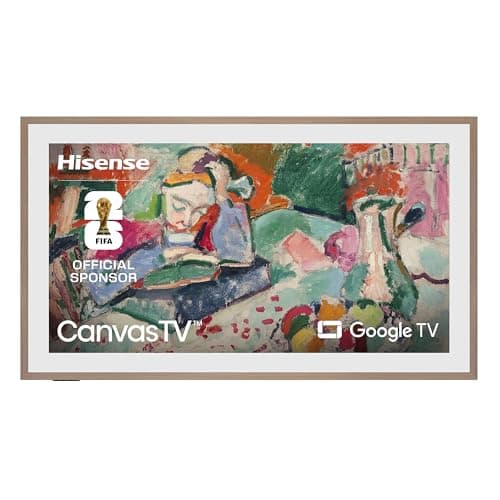
Hisense 75-inch S7N CanvasTV delivers a 144 Hz QLED display with Google TV, Art Mode and robust gaming features. The edge-lit design and modest speaker system are trade-offs for its premium look. Ideal for gamers and design-focused users who want a large, wall-mounted smart TV with high refresh rates.
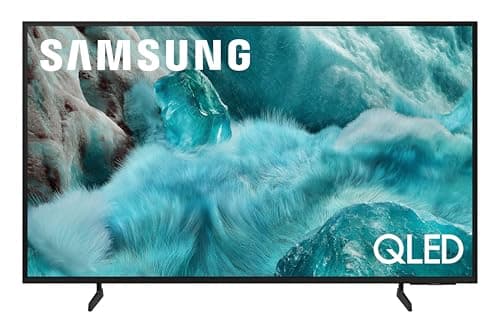
Samsung's 50-inch Q7F offers QLED color richness, Quantum HDR+ and a Tizen smart platform with Alexa, Bixby and Google Assistant integration. The 50/60 Hz refresh rate and modest built-in speakers limit its appeal for fast-action gaming and premium audio. Ideal for families and casual viewers who prioritize vibrant picture over high-end performance.
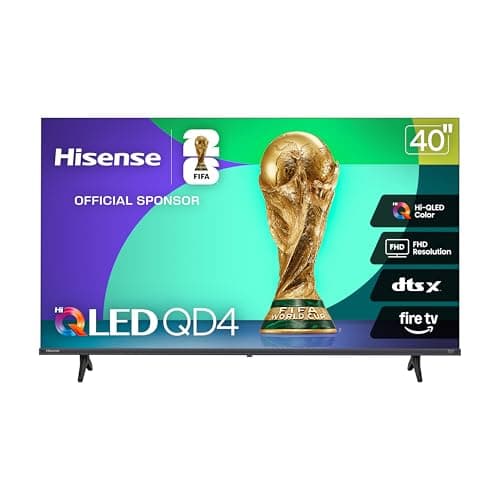
The Hisense 40-inch QD4 Series Hi-QLED Smart Fire TV delivers vivid colors and low-lag gaming in a compact package. Its 1080p panel, 60 Hz refresh rate and HDMI 1.4 limit future-proofing. Best suited for budget-conscious viewers who want Alexa integration and a bright display for small spaces.
| Attribute | | | | | | | | | | | |
|---|---|---|---|---|---|---|---|---|---|---|---|
75 inches | 65 inches | 54.6 inches | 55 inches | 50 inches | 65 inches | 65 inches | 40 inches | 55 inches | 75.1 inchesbest | 64.5 inches | |
144 Hzbest | 50 Hz | 144 Hzbest | 120 Hz | 50 Hz | 144 Hzbest | 60 Hz | 60 Hz | 144 Hzbest | 120 Hz | 144 Hzbest | |
| ↓ lower better | — | 6.8 msbest | — | — | — | — | — | 16 ms | — | — | — |
— | — | — | 60 Wbest | 20 W | — | — | — | 20 W | — | 20 W | |
4best | 4best | — | 4best | 3 | — | — | 3 | — | 4best | — | |
| ↓ lower better | — | 250 W | 231 W | 53 Wbest | 130 W | 141 W | 190 W | — | — | 143 W | — |
| ↓ lower better | 34.78 kg | 21.2 kg | 12.4 kg | 11 kg | 9.48 kg | 21.8 kg | 13.11 kg | 4.71 kgbest | 19.5 kg | 34.02 kg | 15.01 kg |
— | — | — | 2best | — | — | — | — | — | — | — |
Click an attribute name to sort · Green = best, red = worst (relative to this comparison)
| Attribute | | | | | | | | | | | |
|---|---|---|---|---|---|---|---|---|---|---|---|
Display(4) | |||||||||||
Screen Size (inches) | 75 inches | 65 inches | 54.6 inches | 55 inches | 50 inches | 65 inches | 65 inches | 40 inches | 55 inches | 75.1 inches | 64.5 inches |
Resolution | 3840x2160 | 4K UHD | 4K | 4K UHD | 4K UHD | 3840x2160 | 4K UHD | 1920 x 1080 | 4K | 3840x2160 | 3840x2160 |
Refresh Rate (Hz) | 144 Hz | 50 Hz | 144 Hz | 120 Hz | 50 Hz | 144 Hz | 60 Hz | 60 Hz | 144 Hz | 120 Hz | 144 Hz |
Panel Type | QLED edge-lit | QLED | HVA | QLED VA | QLED | Neo QLED | Full-array QLED | Hi-QLED (Quantum Dot) Full Array LED Direct Lit | VA Mini-LED QLED | QNED Mini LED | Mini LED |
Software(2) | |||||||||||
Smart Platform | Google TV | Tizen | Google TV | Google TV | Tizen | Samsung TV Plus | Amazon Fire TV | Fire TV | Fire TV / Google TV | webOS 2025 | Google TV / Fire TV |
Operating System | Google TV | Tizen | Google TV | Google TV | Tizen | Tizen OS | — | Fire TV OS | — | webOS 2025 | Google TV / Fire TV |
Performance(2) | |||||||||||
Input Lag (ms) | — | 6.8 ms | — | — | — | — | — | 16 ms | — | — | — |
Processor | — | Q4 AI Processor | AIPQ PRO | TCL AiPQ™ Pro | Q4 AI Processor | NQ4 AI Gen2 Processor | — | — | Hi-View AI Engine | α8 AI Processor 4K Gen2 | — |
Audio(2) | |||||||||||
Speaker Power (W) | — | — | — | 60 W | 20 W | — | — | — | 20 W | — | 20 W |
Audio Technology | 2.0.2 | Immersive sound via AI personalization | Dolby Atmos, DTS Virtual:X | Dolby Atmos | Object Tracking Sound | — | Dolby Atmos | DTS Virtual:X | Dolby Atmos, QLED Quantum Dot | AI Sound Pro | Dolby Atmos, DTS |
Connectivity(3) | |||||||||||
Wi‑Fi Standard | — | Yes | — | Wi‑Fi 5 | Supported | — | — | — | — | — | — |
Bluetooth Version | Supported | Yes | — | Bluetooth | — | — | — | — | — | — | — |
HDMI Ports | 4 | 4 | — | 4 | 3 | multiple | — | 3 | — | 4 | — |
General(1) | |||||||||||
Warranty (years) | 2 years | 1 years | 1 years | 1 years | 1 years | 1 years | — | 1 years | 2 years | 1 years | 1 years |
Battery & Power(2) | |||||||||||
Power Consumption (W) | — | 250 W | 231 W | 53 W | 130 W | 141.0 W | 190 W | — | — | 143 W | — |
Standby Power (W) | — | 0.5 W | — | 1.0 W | — | 0.5 W | — | — | — | 0.5 W | — |
Build & Design(3) | |||||||||||
Weight (kg) | 34.78 kg | 21.2 kg | 12.4 kg | 11.0 kg | 9.48 kg | 21.8 kg | 13.11 kg | 4.71 kg | 19.5 kg | 34.02 kg | 15.01 kg |
Width (cm) | 169.418 cm | 144.93 cm | 122.94 cm | 122.43 cm | 112.01 cm | 145.17 cm | 145.2 cm | 89.96 cm | 122.7 cm | 167.64 cm | 145.29 cm |
Height (cm) | 97.79 cm | 88.90 cm | 77.47 cm | 70.87 cm | 71.88 cm | 89.04 cm | 83.8 cm | 51.05 cm | 71.4 cm | 103.12 cm | 84.07 cm |
Products in the top-left offer the best value (high score, low price).
Professional reviewers commend the CanvasTV for its robust gaming features-144Hz native refresh, VRR, and FreeSync for gaming -plus strong HDR support via Dolby Vision and HDR10+. The Google TV platform and art-focused design receive positive remarks, though critics note the edge-lit backlight could compromise contrast uniformity and the absence of detailed brightness metrics leaves HDR performance ambiguous.
Professional reviewers commend the Q8F for its vibrant QLED colour gamut, AI-driven picture optimisation and sleek AirSlim form factor, positioning it as a strong mid-range 2025 offering. However, they acknowledge its LED-based dimming cannot match the absolute black levels of premium OLEDs and note the lack of a One Connect Box as a minor inconvenience.
“Favorite out of 6 TVs”
“Solid all around system, I would recommend”
“65-inch no regrets, PS5 and movies great.”
Opt for Hisense for budget-friendly high-refresh gaming and art mode; opt for LG QNED for premium HDR brightness and LG ecosystem.
Choose QM6K for superior HDR and contrast when budget allows; choose T7 for lower cost and strong motion performance.
Everyday consumers consistently praise the TV's striking colour accuracy, sharp 4K detail and slim design, noting it delivers a cinema-like experience in the home. The majority of user feedback highlights satisfaction with picture performance and smart-home features, with virtually no recurring complaints.
Professional reviewers consider the TCL 55QM6K a well-rounded, value-focused TV that shines in gaming thanks to its high refresh rate, FreeSync support, and responsive Google TV platform. While its picture is bright and colorful, it falls short of flagship HDR performance and lacks a premium audio system, positioning it as a solid mid-range choice rather than a top-tier contender.
Everyday owners praise the TV's vibrant colors, deep blacks in bright rooms, and smooth gaming experience, especially on the PS5. Common complaints revolve around motion-processing artifacts in Dolby Vision, the TV's relatively heavy weight, and the modest built-in audio, leading users to recommend external sound solutions.
Everyday users generally appreciate the vivid QLED colors and the intuitive Google TV interface, but they often note that the TV's brightness falls short in bright rooms and that the energy rating feels high for a mid-range model.
Professional reviewers commend the Q7F for its vivid QLED color volume, Quantum HDR accuracy, and value-driven performance, noting that the Tizen platform provides a fluid smart experience. However, they point out the limited 50/60 Hz refresh rate, modest built-in audio, and mid-range dimming as drawbacks compared to higher-end models.
Everyday users overwhelmingly praise the picture quality, bright colors, and sleek design, while consistently mentioning the need for an external soundbar due to weak built-in speakers. Minor complaints include occasional lag with heavy app use and the refresh rate not being ideal for fast gaming.
Professional reviewers highlight the QN70F's precise Mini LED backlight, AI-driven Vision AI personalization, and powerful 4K upscaling as standout features, noting its high brightness, Pantone-validated colors and strong HDR performance. They also point out UI navigation shortcomings and mixed reports on the backlight architecture, but overall position it as a premium 2025 offering in Samsung's lineup.
Everyday users consistently praise the TV's vivid colors, deep blacks, high brightness and smooth gaming experience, as well as the convenience of the battery-free solar remote and the sleek, thin design. The most common criticism revolves around occasional UI quirks and some confusion about the backlight type, though overall sentiment remains highly positive.
Professional reviewers praise the E6 for its compelling blend of Dolby Vision and Dolby Atmos, solid brightness, and effective AI-driven motion handling, noting that the integrated Fire TV platform delivers smooth streaming. However, they point out that the TV's gaming credentials are modest, with a 60 Hz panel and limited advanced gaming features, making it less suitable for competitive gamers.
Professional reviewers commend the Hisense QD4 for its striking Quantum Dot color reproduction, immersive DTS Virtual:X audio, and the convenience of built-in Fire TV with Alexa. They also acknowledge its low game-mode lag and AI Sports Mode as strong points, while noting the limitations of a 1080p panel, 60 Hz refresh rate and HDMI 1.4 connectivity that keep it from matching higher-end 4K competitors.
Everyday users praise the TV's easy Fire TV/Alexa setup, vibrant colors in compact spaces, and suitability for casual streaming and light gaming. The most common criticism from consumers is the lack of 4K resolution, which some feel limits future-proofing, and the absence of higher-refresh motion handling.
Professional reviewers consider the Hisense U6 a standout value proposition for gamers, emphasizing its native 144Hz panel, Mini-LED contrast, low input lag, and strong HDR support. While the AI processing and upscaling are praised, critics note average contrast outside gaming modes and a modest speaker system, positioning the TV as a solid mid-range choice with room for improvement in audio and uniformity.
Everyday users love the buttery-smooth 144Hz gaming experience, vibrant QLED colors, and bright 1000-nit panel that handles bright rooms. Common praise centers on the easy Fire/Google TV setup and HDR immersion, while recurring complaints focus on weak built-in speakers, occasional blooming and uniformity variations.
Professional reviewers commend the LG 75QNED85A for its Dynamic QNED Color, Dimming Pro local Mini LED control, and the powerful α8 AI processor that tailors picture and sound per content. The webOS 2025 platform with a five-year Re:New support window is highlighted as a leading smart-TV experience, earning AVForums' Editor's Choice. However, critics note the modest built-in audio and the mid-range price point compared to the premium QNED92A, and they point out inconsistent Dolby Vision availability.
Everyday users rave about the TV's stunning, vibrant 4K picture and the immersive 75-inch size, especially for movies, sports, and gaming. The AI-driven picture adjustments and smooth webOS navigation are praised after an initial learning period. Common complaints focus on thin built-in sound, the Magic Remote's learning curve, the need for ample space and proper mounting, and occasional software hiccups.
Professional reviewers commend the Hisense QD7 for its high refresh rate, low input lag and vibrant QLED colors, making it a strong value proposition for gamers. However, they also note that its limited dimming zones result in average contrast and black uniformity, and the modest 20 W audio system falls short of cinematic expectations.
Everyday buyers praise the TV's smooth gaming performance, bright and colorful picture, and the ease of use of its Google/Fire TV interface. Common criticisms focus on thin built-in speakers, occasional blooming in high-contrast scenes, and insufficient contrast for dedicated dark-room viewing.
