Rankings
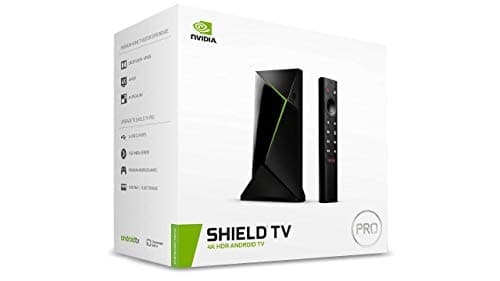
The NVIDIA SHIELD TV Pro is a high-performance Android TV box with AI upscaling, GeForce NOW gaming and extensive HDR support. Its drawbacks are limited internal storage, lack of AV1 decoding and an aging design. Best for power users and gamers who need expandability and top-tier video/audio quality.
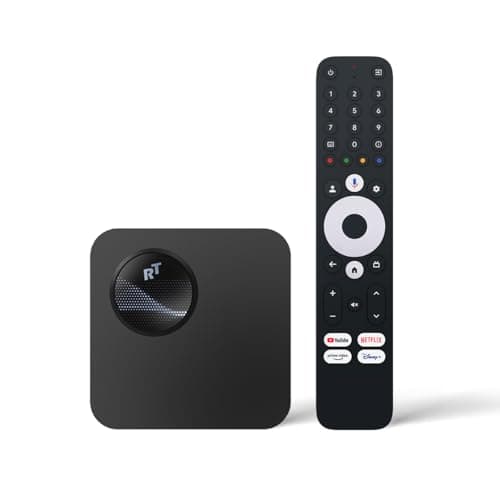
The RockTek GX1 is an ultra-compact Google TV 12 set-top box that offers 4K UHD streaming with Dolby Vision, HDR10+ and Dolby Atmos, powered by a Realtek RTD1325TPV processor and 4 GB RAM. Its limitations include a 100 Mbps Ethernet port, lack of VC-1 support, and USB 2.0 only. It is best for users who value a tiny footprint, Wi-Fi 6 performance and premium HDR video in a budget-friendly package.
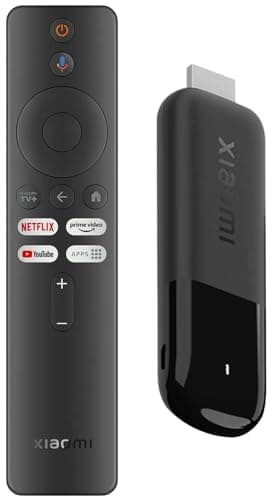
The Xiaomi TV Stick 4K (2nd Gen) is a pocket-sized streaming dongle that delivers smooth 4K playback with Dolby Vision and HDR10+ support. Its main trade-offs are the absence of AI upscaling and a wired Ethernet connection. Best suited for travelers and secondary-room setups where portability matters.
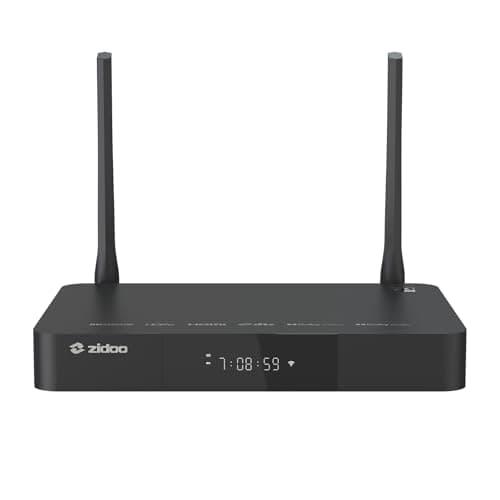
The Zidoo Z9X 8K is a high-end Android 11 media player delivering native 8K@60 p playback with HDR10+, Dolby Vision and Dolby Atmos, backed by a penta-core processor and 6 GB RAM. Its premium price, limited internal storage and lack of HDMI input are notable trade-offs. Best suited for home-theater enthusiasts and audiophiles who need top-tier video/audio performance and extensive local storage.
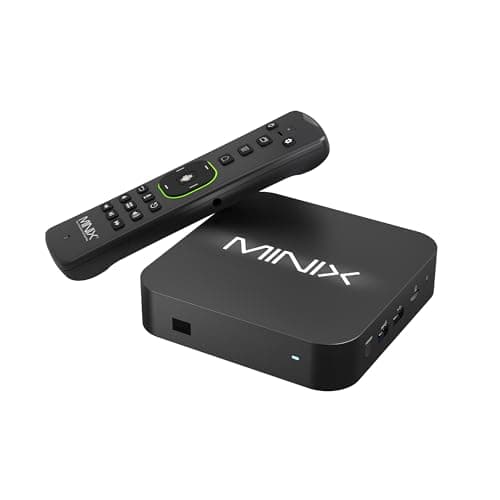
The Minix U8K-Ultra 8K Android Media Player delivers native 8K@60 Hz playback with advanced AI upscaling and premium HDR support. Its fanless design may throttle under prolonged heavy loads and the chassis is bulkier than competing boxes. Ideal for home-theater enthusiasts who need high-resolution local playback and robust connectivity.
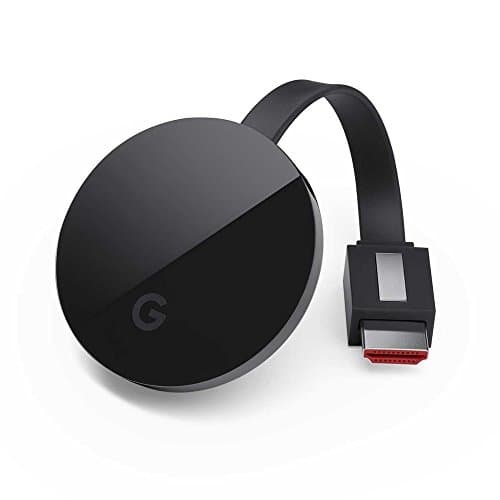
The Google Chromecast Ultra is a compact 4K streaming dongle that adds HDR10 and Dolby Vision support with a wired Ethernet option for reliable playback. Its lack of a dedicated remote or voice assistant limits standalone use, and the 4K app library is narrower than some competitors. Ideal for users who primarily cast from phones or tablets and value a stable wired connection.
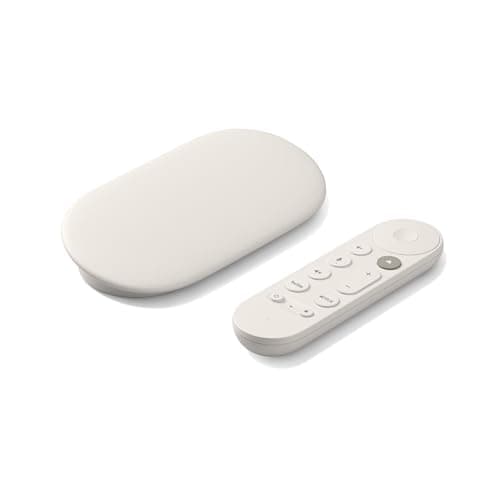
The Google TV Streamer 4K is a set-top box delivering 4K HDR with Dolby Vision, 4 GB RAM and 32 GB storage, plus Ethernet and Matter/Thread smart-home support. Its main trade-offs are Wi-Fi 5 only and no storage expansion, which may deter power users. Ideal for Google ecosystem fans who want a solid streaming experience with smart-home integration.
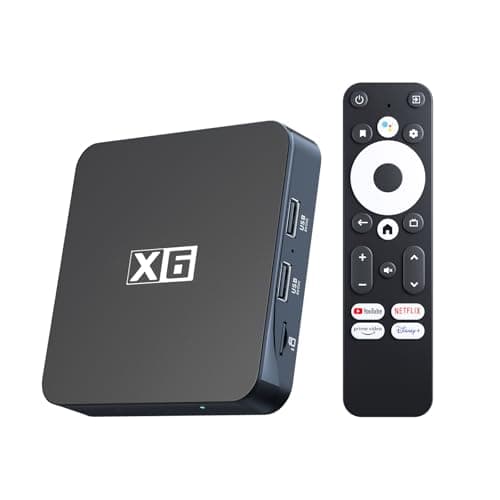
The Bomjupbr X6 Android TV Box delivers 4K/6K HDR video, octa-core performance and voice-controlled Google Assistant in a compact cube. Lower-end configurations may suffer from limited RAM and storage, and Wi-Fi stability depends on an external antenna. Best for budget-conscious streamers who want a versatile Android TV experience.
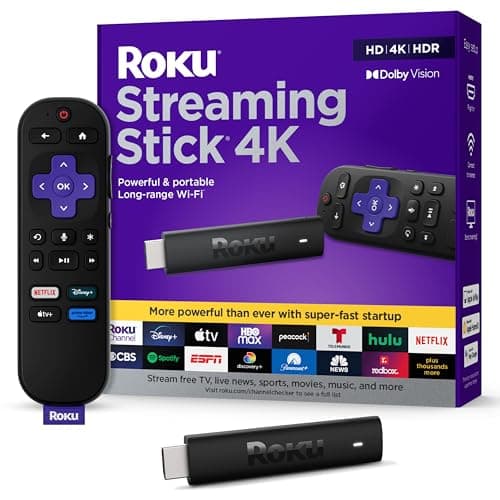
The Roku Streaming Stick 4K upgrades any TV with 4K HDR, Dolby Vision and long-range Wi-Fi in a tiny stick that fits behind the TV. Its limitations include the absence of Ethernet, limited RAM and storage, and a need to replace remote batteries. It is ideal for cord-cutters seeking a compact, high-quality streaming solution in rooms far from the router.
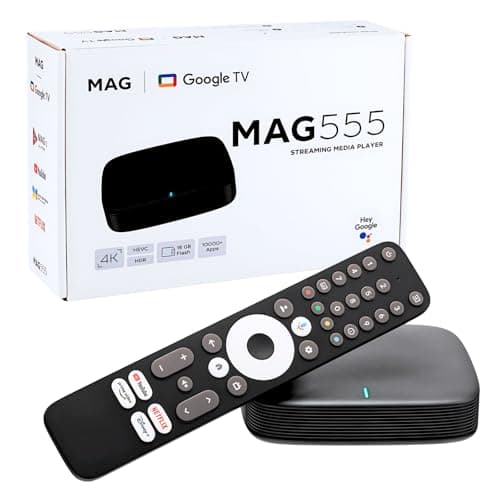
The Raxxio MAG555 is a Google TV-based 4K streaming player delivering solid HDR performance and voice-controlled navigation. Its modest 2 GB RAM and limited 16 GB storage may restrict heavy multitasking. Ideal for IPTV and mainstream streaming users who value Google integration.
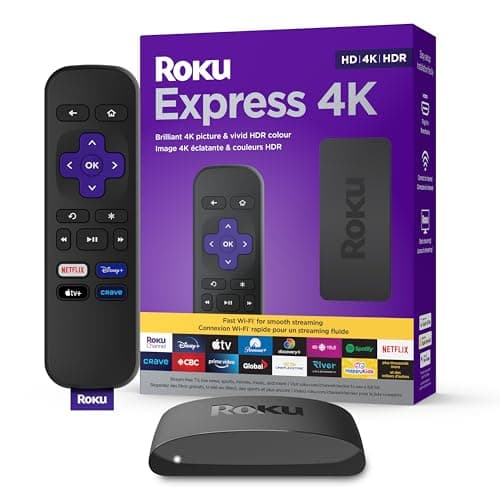
The Roku Express 4K (2022) is a compact, budget-friendly streaming player that delivers true 4K 60 fps HDR video via dual-band Wi-Fi. Its main compromises are the absence of an Ethernet port, voice remote, and expandable storage. Ideal for cost-conscious users upgrading non-smart 4K TVs who value simplicity over advanced features.
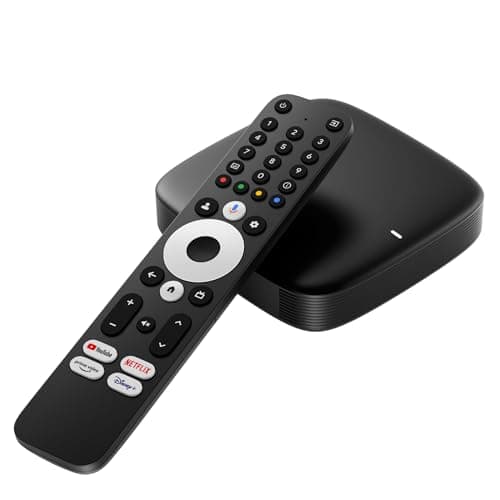
The Infomir MAG555 is a Google TV-based set-top box delivering native 4K @ 60 fps HDR10+ video and voice-controlled Google Assistant. Its 2 GB RAM and 16 GB storage limit heavy multitasking and local media libraries, and there is no expandable storage. It targets IPTV enthusiasts and cord-cutters who want a feature-rich Google TV experience.
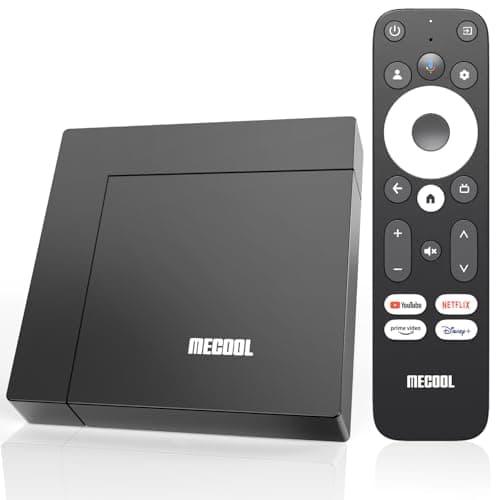
The MECOOL KM9PRO MAX is a compact 4K streaming box that offers broad codec support and certified HDR streaming on major platforms. Its modest 2 GB RAM and limited storage keep it from competing with higher-end devices, and it lacks premium audio formats. Ideal for budget-focused users who need a small, capable 4K streamer with good connectivity.
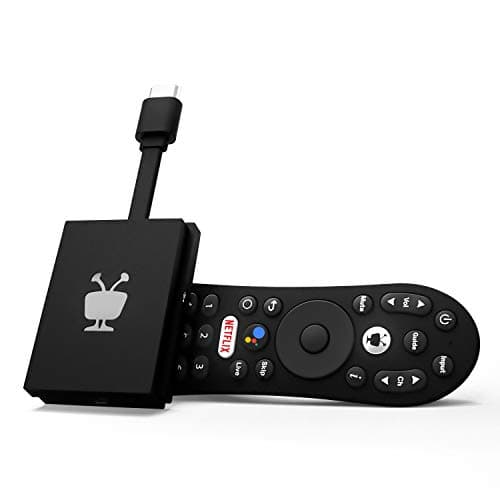
The TiVo Stream 4K is an Android TV dongle that delivers 4K UHD with Dolby Vision HDR and Dolby Atmos, plus a voice-controlled remote. Its trade-offs include a modest processor, limited internal storage and the absence of Ethernet. Best suited for casual streamers who want a simple, unified interface on a secondary TV.
| Attribute | | | | | | | | | | | | | | |
|---|---|---|---|---|---|---|---|---|---|---|---|---|---|---|
2,160 p | 2,160 p | 2,160 p | 2,160 p | 2,160 p | 2,160 p | 2,160 p | 4,320 pbest | 4 p | 8 p | 2,160 p | 3,840 p | 3,840 p | — | |
3 GB | 4 GB | 2 GB | 1 GB | 1 GB | 2 GB | 4 GB | 6 GB | 2 GB | 8 GBbest | 2 GB | — | 2 GB | 2 GB | |
60 Hzbest | 60 Hzbest | 60 Hzbest | 60 Hzbest | 60 Hzbest | 60 Hzbest | 60 Hzbest | 60 Hzbest | — | 60 Hzbest | 60 Hzbest | 60 Hzbest | 60 Hzbest | 60 Hzbest | |
16 GB | 32 GB | 8 GB | 4 GB | 4 GB | 8 GB | 32 GB | 64 GB | 32 GB | 128 GBbest | 16 GB | — | 16 GB | 16 GB | |
| ↓ lower better | 250 g | 162 g | — | 26 gbest | 45 g | 28 g | 115 g | 550 g | 100 g | 253 g | 363 g | 49 g | 150 g | 500 g |
2 count | 1 count | 2 count | 1 count | 1 count | 1 count | 2 count | 5 countbest | 2 count | 2 count | 2 count | 1 count | 2 count | 3 count |
Click an attribute name to sort · Green = best, red = worst (relative to this comparison)
| Attribute | | | | | | | | | | | | | | |
|---|---|---|---|---|---|---|---|---|---|---|---|---|---|---|
Display(2) | ||||||||||||||
HDR Formats | Dolby Vision, HDR10 | Dolby Vision, HDR10, HDR10+, HLG | Dolby Vision, HDR10, HLG | Dolby Vision, HDR10, HDR10+, HLG | HDR10, HDR10+, HLG, Dolby Vision | Dolby Vision, HDR10+ | Dolby Vision, HDR10+, HDR10, AV1, H.265/HEVC, VP9 | HDR10, HDR10+, HLG, Dolby Vision | HDR10 | Dolby Vision, HDR10+, HDR10, HLG | HDR10, HLG, HDR10+ | HDR10, Dolby Vision | — | HDR10, HDR10+, HLG |
Maximum Resolution (p) | 2160 p | 2160 p | 2160 p | 2160 p | 2160 p | 2160 p | 2160 p | 4320 p | 4K p | 8K p | 2160 p | 3840x2160 p | 3840x2160 p | 6K p |
Performance(3) | ||||||||||||||
Processor | NVIDIA Tegra X1+ | unknown | Amlogic S905Y2 | ARM Cortex A55 | ARM Cortex A55 | Cortex-A55 | Realtek RTD1325TPV | Amlogic S928X-K | Realtek RTD1325 (4-core CPU) | Amlogic S928X-K (Cortex-A76 + Quad-Core Cortex-A55) | Amlogic S905Y4-B | — | ARM Quad 64-bit Cortex-A35 | Allwinner H618 Octa-core |
GPU | 256-core NVIDIA GPU | unknown | Mali-G31 | OpenGL ES 2.0 | — | ARM G310 V2 | Mali-G57 | Mali-G57 MC2 | — | ARM G57 MC2 | Mali-G31 MP2 | — | ARM G31 MP2 | — |
RAM (GB) | 3 GB | 4 GB | 2 GB | 1 GB | 1 GB | 2 GB | 4 GB | 6 GB | 2 GB | 8 GB | 2 GB | — | 2 GB | 2 GB |
Audio(1) | ||||||||||||||
Supported Audio Formats | Dolby Atmos, DTS‑X, Dolby Digital Plus | Dolby Digital, Dolby Digital Plus, Dolby Atmos | MPEG, AAC, HE‑AAC, OGG, OGA, FLAC, ALAC, Ape, M4A, RM, MPEG‑1/2 Layers I/II, Dolby Digital/Plus, Dolby Atmos, DTS, WMA, WMA Pro | Digital stereo, DTS Digital Surround, Dolby‑encoded audio | Dolby Atmos, DTS Digital Surround | MP3, AAC, RM, FLAC | Dolby Atmos, Dolby Digital | Dolby Atmos, Dolby TrueHD, DSD up to DSD512, PCM 192 kHz, WAV, FLAC, APE | Dolby Audio, DTS-HD, AV1, VP9, H.265 | Dolby Atmos, Dolby Audio | AAC-LC, AAC-HE, MPEG-1 Layer 2, MPEG-1 Layer 3, Dolby Digital, Dolby Digital Plus | 5.1 | AAC-LC, AAC-HE, MPEG-1 Layers 2/3, Dolby Digital (8‑channel), Dolby Digital Plus, DTS, surround sound | Dolby Audio, Dolby Digital Plus |
Connectivity(3) | ||||||||||||||
Wi‑Fi Standard | Wi‑Fi 5 | Wi‑Fi 5 | 802.11 b/g/n/ac | 802.11ac | 802.11ac | Wi‑Fi 6 (802.11ax) | Wi‑Fi 6 | 802.11ax | Wi‑Fi 5 (802.11ac) | Wi‑Fi 6 (802.11ax) | Wi‑Fi 5 | 802.11ac | 802.11ac | 802.11ac |
Ethernet Port | true | true | — | false | — | — | true | true | true | true | true | true | true | — |
Bluetooth Version | Bluetooth 5.0 + LE | Bluetooth 5.1 | 4.2 | — | — | 5.2 | 5.2 | 5.2 | 5.0 | — | 5.0 | — | 5.0 | 5.0 |
Storage(2) | ||||||||||||||
Internal Storage (GB) | 16 GB | 32 GB | 8 GB | 4 GB | 4 GB | 8 GB | 32 GB | 64 GB | 32 GB | 128 GB | 16 GB | — | 16 GB | 16 GB |
Expandable Storage | true | false | true | false | — | — | — | true | — | true | — | — | — | true |
Controls(1) | ||||||||||||||
Remote Type | Hands‑free Google Assistant remote | Voice remote | voice | Voice remote with TV power, volume, mute buttons | IR remote | Bluetooth voice remote | Voice remote | IR | Universal Remote | — | Voice remote | — | voice | voice |
Ports(2) | ||||||||||||||
HDMI Version | HDMI 2.0b | HDMI 2.1 | 2.0a | HDMI 2.0b | 2.0 | — | HDMI 2.1 | 2.1a | HDMI 2.1 | HDMI 2.1 | HDMI 2.1 | 2.0a | 2.1 | 2.0 |
Number of USB Ports (count) | 2 count | 1 count | 2 count | 1 count | 1 count | 1 count | 2 count | 5 count | 2 count | 2 count | 2 count | 1 count | 2 count | 3 count |
Build & Design(2) | ||||||||||||||
Weight (g) | 250 g | 162 g | — | 26.0 g | 45 g | 28 g | 115 g | 550 g | 100 g | 253 g | 363 g | 49 g | 150 g | 500 g |
Dimensions (H×W×D) (mm) | 98×159×26 mm mm | 25.4×76.2×162.56 mm mm | 16×53×77 mm mm | 11.4×93.98×20.3 mm mm | 14×43×20 mm mm | 40×90×165 mm mm | 93.98×93.98×22.86 mm mm | 26.4×147.3×189.2 mm mm | 20×98×98 mm mm | 28×128×128 mm mm | 127×127×38.1 mm mm | 130x60x60 mm mm | 23.6x105.9x105.9 mm mm | 40.6x91.4x91.4 mm mm |
Products in the top-left offer the best value (high score, low price).
Professional reviewers commend the SHIELD TV Pro as a high-performance media powerhouse, emphasizing its AI upscaling, 25% faster Tegra X1+ CPU, dual USB expandability, and robust GeForce NOW 4K cloud gaming. However, they note the hardware design has not changed since 2019 and that it lacks newer interfaces like HDMI 2.1 and AV1 decoding, making it feel a step behind the latest competitors.
Everyday users praise the device for smooth 4K streaming, excellent Plex integration, reliable NVIDIA firmware updates, and powerful GeForce NOW gaming. Recurring complaints focus on the limited 16 GB internal storage, occasional Wi-Fi drops, voice-control glitches, lack of AV1 support, and a setup process that can be daunting for non-technical owners.
“best for PC game streaming to TV”
“did not skip a beat”
“breathtaking upgrade for any TV”
Google TV Streamer is best for budget-conscious users who want basic 4K streaming; SHIELD Pro is better for power users needing storage and high-end gaming.
Opt for Google TV Streamer when you need higher performance, richer format support, and Ethernet; choose Roku Streaming Stick 4K for a simpler, lower-cost, and more compact solution.
Opt for the Express 4K for cost-effective 4K streaming; upgrade to the Streaming Stick 4K for voice control and portability.
Professional reviewers commend the Google TV Streamer 4K for its fluid 4K video playback, rapid app switching, and extensive Dolby Vision, HDR10+ and Dolby Atmos support, while also highlighting the value of Gemini voice integration and Matter/Thread smart-home features. However, they criticize the lack of Wi-Fi 6, the fixed 32 GB storage without expansion, and the limited gaming performance, questioning whether the specs justify its 2024 price for power users.
Everyday users praise the device for seamless 4K streaming, quick app launches, reliable Ethernet connectivity, and the convenience of a voice remote, noting the noticeable speed boost over older Chromecasts. Recurring complaints focus on Wi-Fi5 bandwidth constraints, the inability to expand storage, and insufficient power for gaming, with some feeling the hardware is under-powered for its cost.
Professional reviewers commend the TiVo Stream 4K for its content aggregation that simplifies browsing across multiple services and for delivering solid 4K Dolby Vision and Dolby Atmos performance at a budget price. However, they criticize the modest Amlogic S905Y2 processor, the lack of Ethernet, and the outdated Android 9.0 operating system, noting these as trade-offs for the dongle's compact form factor.
Everyday users praise the device for its easy setup, responsive voice remote, and the "headache-free" unified recommendations that make managing multiple streaming accounts simple. Recurring complaints focus on the limited 8 GB internal storage, occasional app lag, the need for AAA batteries in the remote, and the absence of a wired Ethernet connection for more stable streaming.
Professional reviewers praise the Roku Streaming Stick 4K for its breathtaking 4K clarity with Dolby Vision and HDR10+, noting the vibrant color pop and excellent upscaling. The long-range Wi-Fi receiver is highlighted as a key strength, delivering stable 4K streams even in challenging locations. Minor criticisms focus on the lack of Ethernet and limited 1 GB RAM, which can cause occasional lag.
Everyday users consistently highlight the easy setup, sharp 4K picture quality, and reliable long-range Wi-Fi as top positives. Recurring complaints revolve around occasional interface slowdowns, the need to replace remote batteries often, and the absence of an Ethernet port for wired connections.
Professional reviewers commend the Roku Express 4K for its upgraded storage that cuts app launch times dramatically, its true 4K 60 fps HDR output, and its low power consumption that earns ENERGY STAR certification. While praised as a solid budget upgrade, critics note the lack of Ethernet, the absence of voice control on the base remote, and occasional ad-heavy UI as drawbacks.
Everyday users highlight the device's quick setup, smooth 4K/HDR streaming, and excellent value for money, especially appreciating the reliable Wi-Fi and simple remote. Common complaints revolve around the missing voice remote, occasional Wi-Fi drops, and the presence of ads within the interface.
Professional reviewers praise the Xiaomi TV Stick 4K (2nd Gen) for delivering performance on par with much larger TV boxes, highlighting its smooth interface and substantial CPU/GPU improvements, while noting the lack of AI upscaling as the main drawback.
Everyday users consistently commend the device for its lag-free 4K streaming, portable form factor, and responsive UI, with few complaints aside from the missing AI super-resolution capability.
Professional reviewers commend the GX1 for its striking Dolby Vision and HDR10+ performance at 2160p60, smooth AV1 playback, and the polished Google TV 12 experience. However, they point out the 100 Mbps Ethernet as a bottleneck for high-bitrate local streaming and note the absence of VC-1 support and limited ventilation as drawbacks for power users.
Everyday users overwhelmingly praise the GX1's video and audio quality, compact size, and responsive interface, often calling it a top-line product that outshines competitors. The most common complaints revolve around screen-resize issues on certain LCD TVs and the lack of Gigabit Ethernet for heavy NAS-based media consumption.
Professional reviewers describe the Z9X 8K as a powerful multimedia player that excels in 8K@60 Hz playback, thanks to its Amlogic S928X-K processor, 6 GB RAM and HDMI 2.1a with HDR10+, Dolby Vision and Dolby Atmos support. They commend the VS10 image engine, automatic frame-rate switching, and the highly customizable Poster Wall 4.0 and Music Player 8.0 interfaces, while also noting the premium aluminum build and massive 16 TB storage capability as standout attributes.
No direct consumer reviews were found, but the specifications suggest enthusiasts appreciate the device’s ability to handle lossless audio, Blu‑ray menus and massive local libraries, while occasional users may find the initial setup and lack of HDMI input a hurdle.
Professional reviewers commend the KM9PRO MAX for its robust connectivity suite, extensive codec and HDR support, and smooth frame-rate handling, while noting that its modest 2 GB RAM and lack of premium audio/video features keep it in the mid-range segment.
Everyday users appreciate the reliable 4K streaming, intuitive Google TV UI, voice control, and compact build, but many express frustration with limited RAM causing occasional lag and the relatively small internal storage that fills quickly with apps and games.
Professional reviewers commend the U8K-Ultra for its reliable 8K@60Hz decoding, Dolby Vision/Atmos support, ample RAM and storage, and stable performance, while noting that AI upscaling is helpful but not revolutionary and that the fanless design and larger size are minor drawbacks.
Everyday users consistently praise the flawless high-resolution playback, expandability via USB and micro-SD, and the robust hardware decoder, with occasional concerns about the bulkier chassis and the limited thermal headroom of the fanless design.
Professional reviewers consider the MAG555 a flagship device that elevates Infomir's lineup with Google TV, delivering efficient 4K performance thanks to its Amlogic S905Y4-B chipset. They commend the unified app ecosystem, voice control, and Chromecast integration, while noting the limited RAM and storage as potential constraints for power users.
Professional reviewers praised the Chromecast Ultra as a "pint-sized powerhouse" delivering excellent 4K HDR performance, low power draw, and broad codec support, while also noting its magnetic design and fast upscaling. However, they criticized the limited 4K app library, occasional lip-sync issues, and the absence of a remote or voice control, positioning it as a strong casting device but less versatile than full-featured streaming sticks.
Everyday users appreciate the ultra-fast 4K streaming, seamless casting from phones and tablets, and the tiny form factor that fits behind any TV. Common complaints revolve around the need for Ethernet to achieve stable 4K over Wi-Fi, occasional lip-sync problems, and the higher price relative to the basic Chromecast given the modest app gains.
Professional reviewers appreciate the MAG555's ability to deliver smooth 4K HDR playback and its efficient handling of modern codecs like AV1 and VP9, thanks to the Cortex-A35 processor and G31 GPU. However, experts caution that the modest 2 GB RAM and 16 GB storage may restrict heavy multitasking and limit the number of installed applications.
Professional reviewers commend the Bomjupbr X6 for its compact design, robust 4K/6K HDR output, octa-core performance, and deep integration with Google services, recommending higher-end RAM/storage configurations for optimal use. They caution buyers about counterfeit specifications from some sellers and advise using Ethernet or a proper external antenna for reliable connectivity.
Everyday users generally praise the box for its reliable Wi-Fi, smooth 4K playback, compact form factor, and the openness of Android 12 with voice control. Recurring complaints focus on Wi-Fi instability without an antenna, remote pairing problems, and receiving devices that do not match advertised RAM or storage specifications.
