Rankings
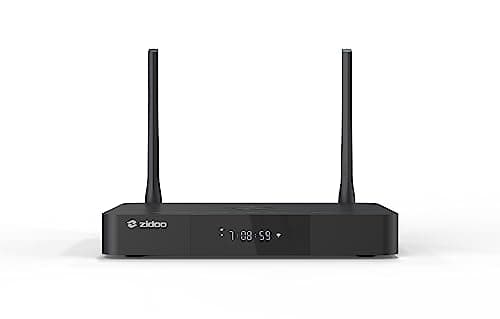
The Zidoo Z9X Pro is a high-end Android 11 media player delivering premium 4K60 HDR10+ and Dolby Vision performance with a robust aluminum chassis and extensive connectivity. Its lack of an internal drive bay and the bulk from external antennas may deter users seeking a more compact setup. Ideal for home-theater enthusiasts with large media libraries.
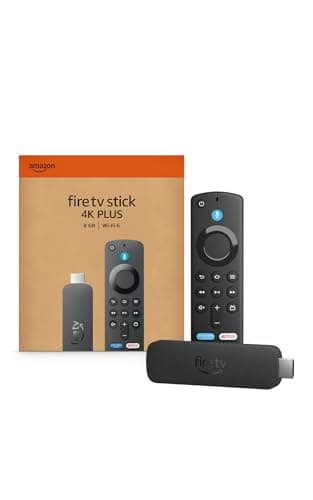
The Amazon Fire TV Stick 4K Plus is a high-end streaming stick delivering 4K HDR with AI-driven search and Alexa voice control. Its main trade-offs are limited internal storage and occasional lag under heavy use. Ideal for Alexa-enabled households seeking premium 4K performance and cloud gaming.
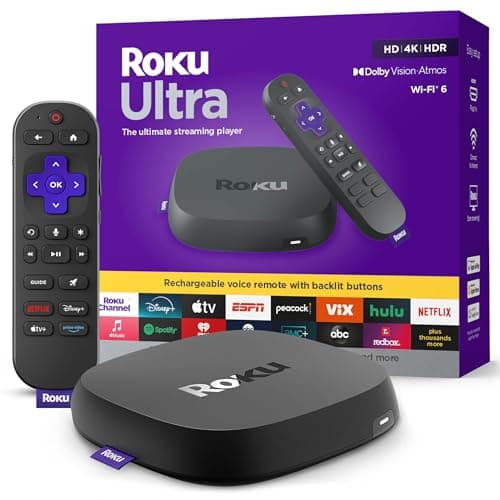
The Roku Ultra 2024 is Roku's fastest streaming player, offering 30% quicker performance, Wi-Fi 6, Gigabit Ethernet and premium Dolby Vision/HDR10+/Dolby Atmos support. Its lack of Apple AirPlay 2/HomeKit and a barrel-style power connector are notable trade-offs. Best for cord-cutters seeking top-tier performance and a feature-rich remote for a cinematic home-theater experience.
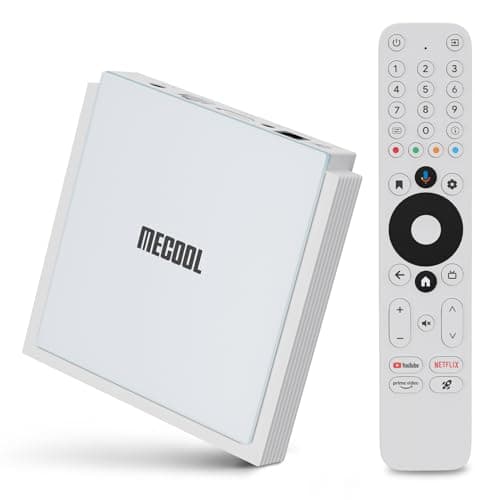
The MECOOL KM2 Plus Deluxe provides a powerful Android TV 11 platform with 4 GB RAM, Wi-Fi 6, gigabit Ethernet and full Dolby Vision and AV1 support for premium 4K streaming. It is limited by USB 2.0 ports and an older OS that may not receive future updates. Perfect for users wanting high-quality video and robust networking without breaking the bank.
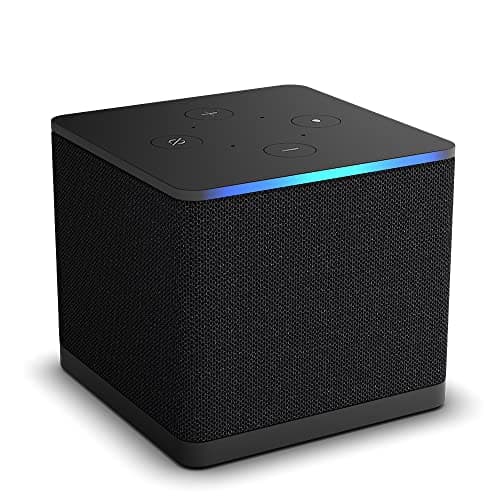
The Amazon Fire TV Cube is a hands-free 4K streaming box with a powerful octa-core CPU and full HDR/Dolby Atmos support. Its bulkier form factor, lack of gaming-focused features and occasional ad-laden UI are trade-offs. Ideal for Alexa-centric homes that value HDMI switching and high-speed Wi-Fi 6E.
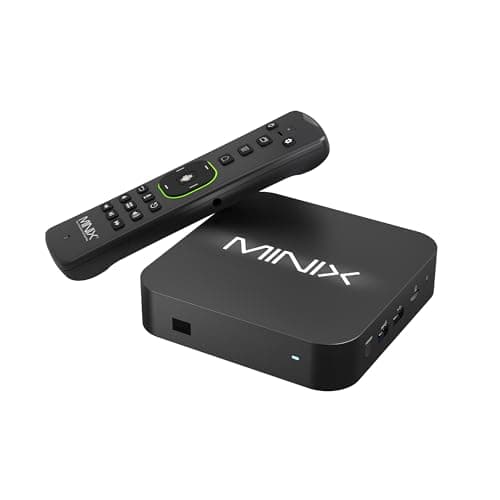
The MINIX U8K-Ultra is an Android-based 8K media player delivering true 8K@60Hz playback with AI-enhanced upscaling and full Dolby Vision/Atmos support. Its fanless design and larger chassis can limit sustained performance and placement flexibility. Ideal for home-theater enthusiasts who prioritize top-tier video quality and connectivity.
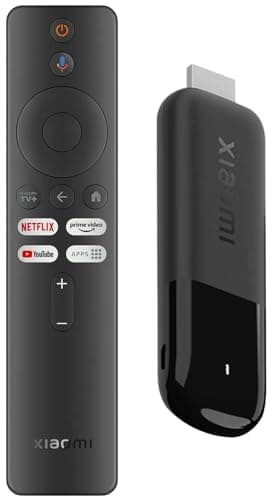
Xiaomi TV Stick 4K (2nd Gen) is a compact dongle with Wi-Fi 6, a powerful 2.5 GHz CPU and Dolby Vision/Atmos support, running Google TV. It lacks Ethernet and AI upscaling, which may affect network stability and upscaling quality. Great for portable, budget-friendly 4K streaming on the go.
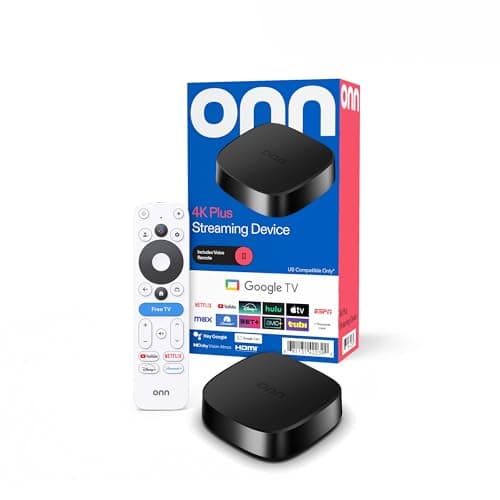
Premium Choice Co Onn 4K Plus provides budget-friendly 4K streaming with Wi-Fi 6, Dolby Vision and a Google Assistant voice remote, backed by 16 GB storage. The absence of an Ethernet port and limited RAM constrain its capabilities. Perfect for cost-conscious users who prioritize wireless streaming and Google TV.
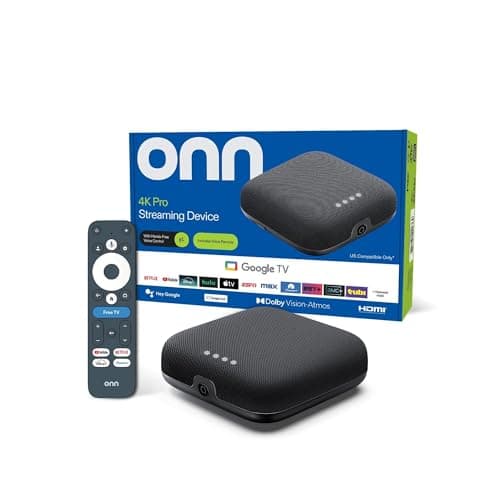
The It's Brazilian onn 4K Pro delivers true 4K HDR with Dolby Vision, Wi-Fi 6, Ethernet and 32 GB storage in a compact box. Its older 2019 processor and limited audio codec support temper its future-proofing. Best suited for budget-focused 4K streamers who value Google Assistant integration.
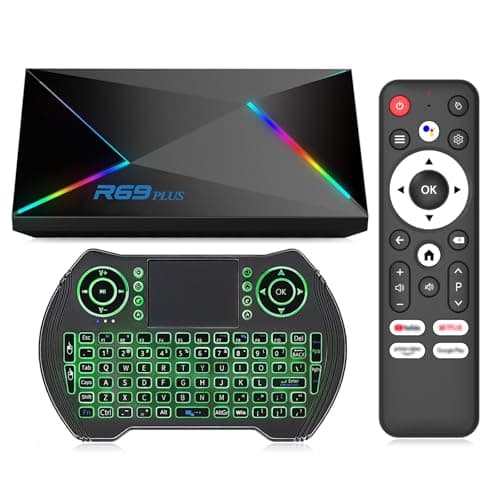
The Easytone Android 14 TV Box offers budget-friendly 8K streaming, Wi-Fi 6 and gigabit Ethernet, plus expandable storage. Its trade-offs include limited internal storage and the absence of a native Google Play Store. Best suited for users who want ultra-high-resolution streaming without needing premium audio or extensive built-in apps.
The H96 Max M9 is a budget-friendly Android 14 TV box offering 8K decoding, AI super-resolution and Wi-Fi 6 connectivity. Its plastic build and lack of premium HDR formats like Dolby Vision limit its premium appeal. Suited for cost-conscious users seeking solid 8K streaming and voice-controlled convenience.
| Attribute | | | | | | | Shysky H96 Max M9 | | | | |
|---|---|---|---|---|---|---|---|---|---|---|---|
8 GBbest | — | 2 GB | 4 GB | 4 GB | 2 GB | 8 GBbest | 3 GB | 2 GB | 2 GB | 4 GB | |
128 GBbest | 8 GB | 4 GB | 32 GB | 32 GB | 16 GB | 128 GBbest | 32 GB | 16 GB | 8 GB | 32 GB | |
60 Hzbest | — | — | 60 Hzbest | 60 Hzbest | 60 Hzbest | 60 Hzbest | 60 Hzbest | — | 60 Hzbest | — | |
| ↓ lower better | 10 W | — | 3.5 Wbest | — | 24 W | — | 10 W | — | — | — | — |
| ↓ lower better | 253 g | 45.4 g | 18 gbest | — | — | 513 g | 556 g | 907.184 g | — | 28 g | — |
Click an attribute name to sort · Green = best, red = worst (relative to this comparison)
| Attribute | | | | | | | Shysky H96 Max M9 | | | | |
|---|---|---|---|---|---|---|---|---|---|---|---|
Performance(3) | |||||||||||
Processor | Amlogic S928X-K (Cortex-A76 + Quad-Core Cortex-A55) | Mediatek MT8696D | — | Amlogic S905X4-J quad-core ARM Cortex-A55 @ 24,000 DMIPS | Realtek RTD1619BPD quad-core 64-bit ARM Cortex-A55 | Octa-core 2.0 GHz | Rockchip RK3576 octa-core | Amlogic S905X4 | Quad-core 2.1 GHz | Quad-core Cortex-A55 | Allwinner H728 Octa-core |
GPU | ARM G57 MC2 | — | — | ARM G31 MP2 | — | ARM Mali G52-MP2 800 MHz | Mali G52 MC3 | — | — | ARM G310 V2 | — |
RAM (GB) | 8 GB | — | 2 GB | 4 GB | 4 GB | 2 GB | 8 GB | 3 GB | 2 GB | 2 GB | 4 GB |
Storage(1) | |||||||||||
Internal Storage (GB) | 128 GB | 8 GB | 4 GB | 32 GB | 32 GB | 16 GB | 128 GB | 32 GB | 16 GB | 8 GB | 32 GB |
Display(1) | |||||||||||
Maximum Resolution | 8K | 4K | 4K | 4K | 4K | 4K | 8K | 4K | 4K | 4K | 8K |
Power(1) | |||||||||||
Power Consumption (W) | 10 W | — | 3.5 W | — | 24 W | — | 10 W | — | — | — | — |
Software(1) | |||||||||||
Operating System | Android AOSP 11 | Fire OS | Roku OS | Android TV 11 | Android 11 | Fire OS 7 | Android 14.0 | Android TV 12 | Google TV | Google TV | Android 14 |
Audio(1) | |||||||||||
Supported Audio Formats | Dolby Atmos, HDMI 2.1, Optical S/PDIF, 3.5mm jack | Dolby Atmos | Dolby Atmos | Dolby Atmos | TrueHD, Dolby Atmos, DTS:X, DSD, WAV, APE, FLAC, PCM 192kHz | Dolby Atmos, Dolby Audio/MAT, DTS, DTS-HD, AAC-LC, AC3, eAC3, FLAC, MP3, PCM/Wave, Vorbis | 3.5mm jack, SPDIF digital audio | Dolby Atmos, Dolby Digital Plus | Dolby Atmos | DTS:X, DTS HD, Dolby Atmos, MP3, AAC, RM, FLAC | — |
Connectivity(2) | |||||||||||
Bluetooth Version | — | — | — | 5.0 | 5.2 | 5.0 | 5.4 | unspecified | 5.0 | 5.2 | 5.0 |
Wi‑Fi Standard | Wi‑Fi 6 | Wi-Fi 6 | Wi‑Fi 6 | WiFi 6 | WiFi 6 | Wi-Fi 6E | Wi‑Fi 6 | Wi‑Fi 6 | Wi‑Fi 6 | Wi‑Fi 6 | Wi‑Fi 6 |
Controls(1) | |||||||||||
Remote Type | — | Alexa Voice Remote | Rechargeable Voice Remote Pro with backlit buttons | IR remote | remote control | Alexa Voice Remote | Voice remote | remote with backlight | Voice remote | Voice remote | — |
Build & Design(2) | |||||||||||
Weight (g) | 253 g | 45.4 g | 18 g | — | — | 513 g | 556 g | 907.184 g | — | 28 g | — |
Dimensions (W×H×D) (mm) | 28x128x128 mm | 38.6×17.5×141.2 mm mm | 124.46×25.4×127 mm mm | 98x20x98 mm mm | 129.5x26.4x189.2 mm mm | 86×77×86 mm mm | 17.5x100x100 mm | 101.6×101.6×254 mm mm | 63.5 x 177.8 x 101.6 mm mm | 90 x 40 x 165 mm mm | 3.86 x 0.5 x 5.43 inches mm |
Products in the top-left offer the best value (high score, low price).
Professional reviewers commend the U8K-Ultra for its reliable 8K@60Hz decoding, Dolby Vision/Atmos support, ample RAM and storage, and stable performance, while noting that AI upscaling is helpful but not revolutionary and that the fanless design and larger size are minor drawbacks.
Everyday users consistently praise the flawless high-resolution playback, expandability via USB and micro-SD, and the robust hardware decoder, with occasional concerns about the bulkier chassis and the limited thermal headroom of the fanless design.
“It does what it says and plays back 8K video... supports HD streaming with all popular apps.”
“Bigger chassis but appreciate the dedicated hardware decoder for modern codecs.”
“fast streaming, easy to setup, great apps”
Opt for Fire TV Cube when you want Alexa-driven control and HDMI switching; opt for Roku Ultra for a neutral, multi-device friendly experience.
Fire TV Cube is ideal for Alexa-centric households, while the H96 Max M9 is better for users needing 8K playback and advanced codec support.
Professional reviewers commend the Fire TV Stick 4K Plus for its lightning-fast app starts, fluid navigation, and AI-driven search that feels smarter than previous generations. They highlight the premium picture and audio quality from Dolby Vision, HDR10+ and Dolby Atmos, as well as the added value of Xbox Game Pass cloud gaming. Wi-Fi 6 is praised for delivering reliable 4K streaming even on congested networks, though reviewers note minor lag under heavy use and the limited 8 GB storage compared to the 4K Max.
Everyday users overwhelmingly praise the device's speed, easy setup, and high-quality 4K/Wi-Fi 6 performance, often calling it "fast streaming, easy to setup, great apps" and noting its suitability for small spaces thanks to the HDMI extender. Recurring complaints focus on occasional lag and the limited internal storage, but overall satisfaction remains high with users describing it as "perfect for streaming".
Professional reviewers hail the Roku Ultra 2024 as the most powerful and fastest Roku device, emphasizing its lightning-fast interface, seamless 4K/Dolby Vision/HDR10+ playback, and premium remote that together deliver a cinematic experience for any living-room setup.
Everyday users consistently praise the ultra-fast app launches, smooth 4K streaming over Wi-Fi 6, and the convenience of the Voice Remote Pro with its finder and headphone jack, while recurring complaints focus on shipping limitations, the barrel-style power connector, and occasional Wi-Fi range concerns.
Professional reviewers consider the KM2 PLUS Deluxe a high-performance streaming box, lauding its sleek aesthetics, robust 4K HDR playback, extensive connectivity (including Ethernet and Wi-Fi 6) and support for premium codecs, while noting the absence of USB 3.0 and the older Android TV 11 platform as drawbacks.
Consumers overwhelmingly praise the device for smooth, buffer-free 4K streaming, fast network performance and generous RAM/storage that handle multiple apps, but they consistently criticize the slow USB 2.0 ports and the lack of OS updates beyond Android TV 11.
Professional outlets describe the Z9X Pro as a next-generation video streamer that combines a premium aluminum chassis with top-tier decoding (12-bit color, Dolby Vision, AV1) and robust connectivity (Wi-Fi 6, HDMI 2.1). Reviewers commend its upgraded hardware-4 GB RAM, Android 11 and a faster single-core CPU-making it a strong Plex/Zappiti alternative for smooth upscaling, frame-rate adaptation and large-library handling.
Everyday users praise the vivid colors, Dolby Vision performance and the convenience of the side HDD bay and USB 3.0 ports, noting stable Blu-ray and 3D playback. Recurring themes include appreciation for the sleek metal design and occasional concerns about antenna bulk and the lack of an internal drive bay.
Professional reviewers praise the Fire TV Cube for its powerful octa-core CPU, comprehensive HDR and Dolby Atmos support, and the unique hands-free Alexa with HDMI input that simplifies switching between streaming and live sources. However, they note the mediocre SDR upscaling, lack of gaming-focused features like VRR/ALLM, and a bulkier form factor compared to slimmer competitors.
Everyday users consistently highlight the convenience of hands-free Alexa, rapid app launches, and excellent 4K/Dolby Vision picture quality, while expressing frustration over intrusive ads, occasional voice-recognition hiccups, and sub-par upscaling of non-4K content.
Professional reviewers praise the H96 Max M9 for its 8K decoding, AI upscaling and solid connectivity, noting that the RK3576 chipset delivers a noticeable performance uplift over previous generations. However, they also point out that the box lacks standout differentiators, has a modest plastic build, and offers only decent performance for demanding workloads.
Everyday users appreciate the device's reliable streaming performance, smooth multitasking, and fast Wi-Fi 6 connection, seeing it as good value for the price. Common criticisms focus on the plastic chassis, limited internal storage, and performance that feels merely adequate for more intensive tasks.
Professional reviewers commend the onn 4K Pro for delivering premium-grade video features, Wi-Fi 6 and Google Home integration at a sub-$50 price, but they caution that the dated 2019 processor and the UI's recommendation-heavy design could limit its longevity and user experience.
Everyday users love the low price, true 4K HDR performance and the convenience of built-in Google Assistant, while common frustrations revolve around the older chipset, missing DTS:X audio, a cluttered recommendation UI and the lack of a USB-C power connector.
Professional reviewers commend the onn 4K Plus for its surprisingly snappy navigation, excellent 4K HDR picture quality, and premium feel given its 2 GB RAM and 16 GB storage, while also noting strong sideloading capabilities. However, they criticize the absence of an Ethernet port and limited connectivity options, and caution that performance hinges on the user's internet speed and TV capabilities.
Everyday users praise the device for its quick setup, vibrant 4K visuals, reliable Google Assistant voice control, and overall value, but commonly mention occasional buffering on weak networks, limited storage without sideloading, and the lack of Ethernet or USB ports as drawbacks.
Professional reviewers praise the Xiaomi TV Stick 4K (2nd Gen) for delivering performance on par with much larger TV boxes, highlighting its smooth interface and substantial CPU/GPU improvements, while noting the lack of AI upscaling as the main drawback.
Everyday users consistently commend the device for lag-free 4K streaming, portable form factor, and responsive UI, with few complaints aside from the missing AI super-resolution capability.
Professional reviewers praise the Easytone box for delivering smooth 8K media streaming, modern Wi-Fi 6 connectivity, and flexible storage expansion while running the latest Android 14 OS. However, they criticize its modest 32 GB internal storage, the absence of a native Google Play Store, and the lack of disclosed processor details that could affect performance in demanding scenarios.
Everyday users commend the device for reliable streaming, easy Bluetooth pairing, and the convenience of expanding storage via TF cards or USB drives. Common complaints revolve around the limited internal storage filling quickly, occasional Wi-Fi instability without Ethernet, and the need to side-load apps due to the missing Google Play Store.
