Rankings
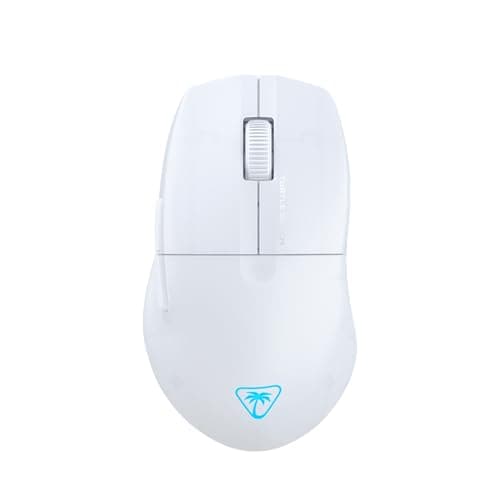
The Turtle Beach Pure Air is an ultra-light, high-DPI wireless mouse that excels in speed and battery endurance, targeting competitive FPS players with medium-to-small hands. Its dual-mode connectivity and premium sensor make it performance-focused, though the compact shape and modest RGB may deter some users.
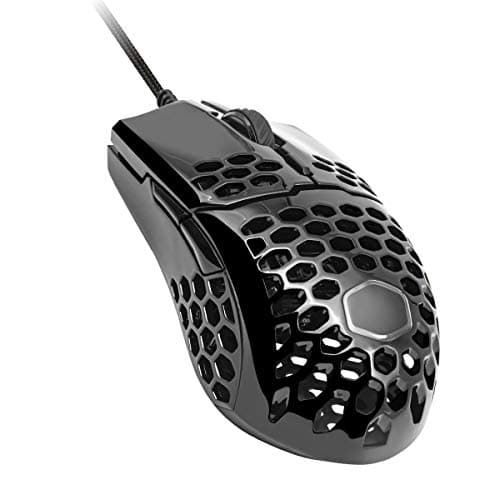
The Cooler Master MM710 is an ultralight (≈53 g) wired gaming mouse with a high-precision PixArt PMW3389 sensor, 16,000 DPI, and a low-drag Ultraweave cable. It delivers excellent speed and accuracy for competitive FPS play, though its honeycomb design can collect dust and it lacks RGB lighting. Ideal for small-to-medium hands seeking a budget-friendly ultralight mouse.
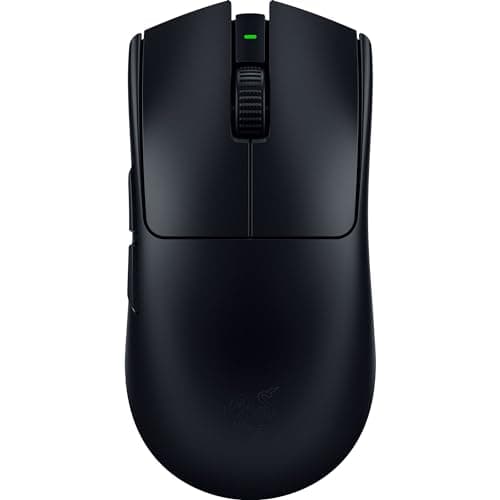
The Razer Viper V3 Pro is an ultra-lightweight, symmetrically-shaped esports mouse that sets a new benchmark with 8,000 Hz wireless polling and a 35K DPI optical sensor. It excels in speed, precision, and battery endurance at lower polling rates, though its high price and limited wired performance may deter casual users.
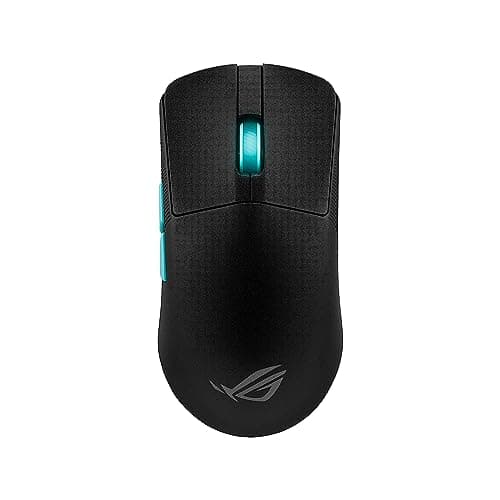
The ASUS ROG Harpe Ace Aim Lab Edition is an ultra-light 54 g wireless esports mouse with a 36K DPI optical sensor, tri-mode connectivity and unique Aim Lab integration for personalized DPI tuning. It delivers top-tier performance and long battery life, though its software stability and limited RGB may deter some users.
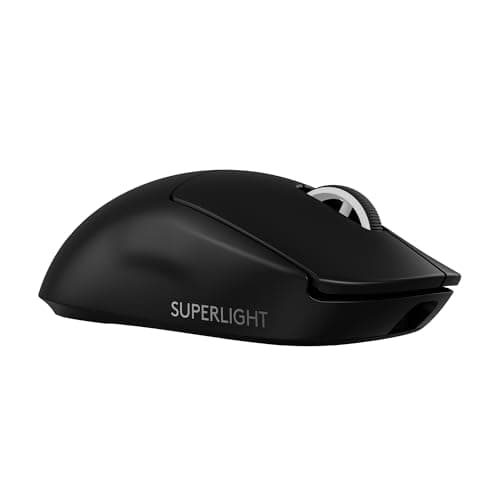
The G PRO X Superlight 2 is an ultra-lightweight, high-performance wireless mouse aimed at competitive FPS players. It excels in speed, sensor accuracy and battery life, but its small shape and limited button count may deter larger-handed or macro-heavy gamers.
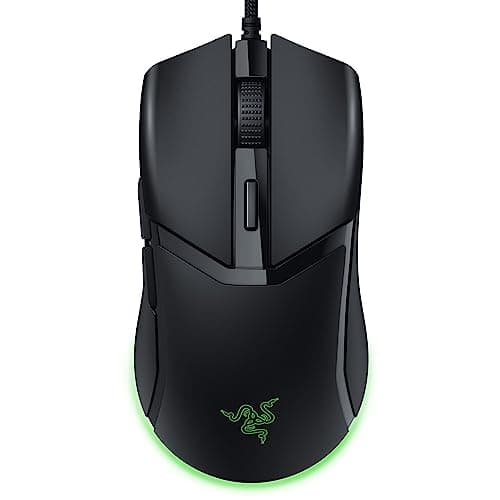
The Razer Cobra is a budget-friendly wired mouse that packs an 8500 DPI optical sensor, Gen-3 optical switches and full Chroma RGB into an ultra-light 58 g chassis. It delivers high-end performance at a low price but is limited to right-handed wired use and offers only a single onboard profile.
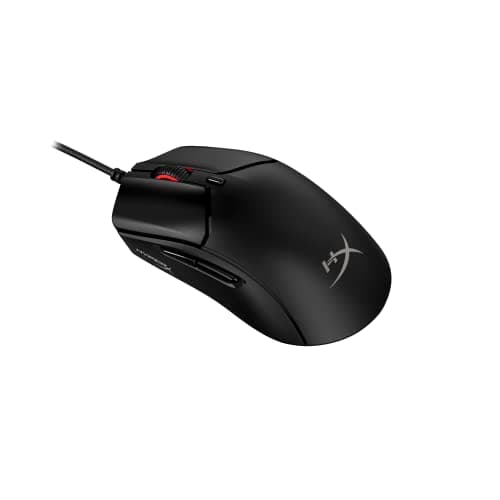
The wired Pulsefire Haste 2 delivers ultra-lightweight performance with a 26 K DPI sensor and 8000 Hz polling, ideal for competitive FPS, though it lacks wireless and has modest RGB.
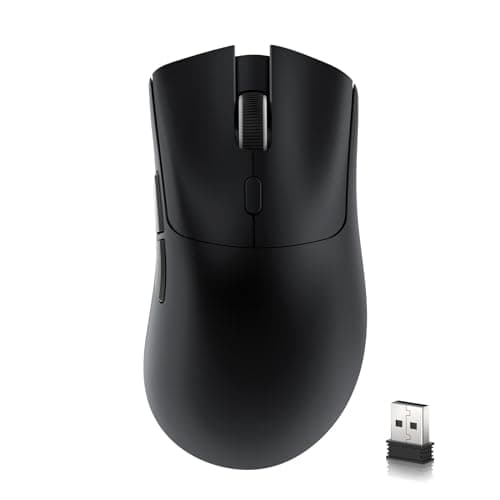
The ATTACK SHARK R1 delivers a balanced mix of ultra-light weight, solid sensor performance and tri-mode connectivity, with a distinctive RGB DPI indicator. While it excels in ergonomics and battery life, the lack of onboard memory and occasional Bluetooth pairing issues limit its appeal for power users.
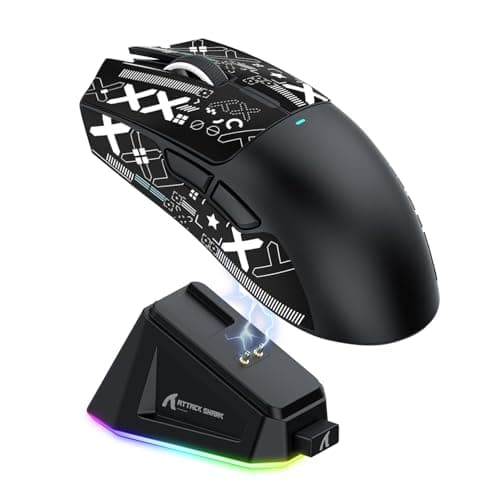
The Attack Shark X11 is a sub-$70 ultra-light wireless mouse that packs a high-end PAW3311 sensor, tri-mode connectivity and a magnetic charging dock. It excels in weight, battery life and basic RGB, but its software and limited button count hold it back from premium competitors.
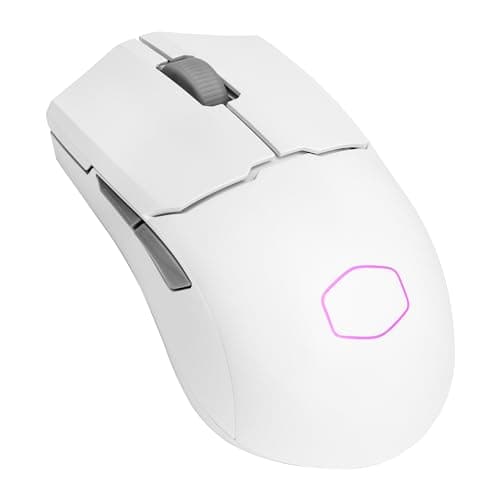
The MM712 White is an ambidextrous sub-59 g wireless mouse with a high-end PAW3370 sensor, triple connectivity and solid battery life. It excels for claw and fingertip grips but its software and limited RGB may deter some users.
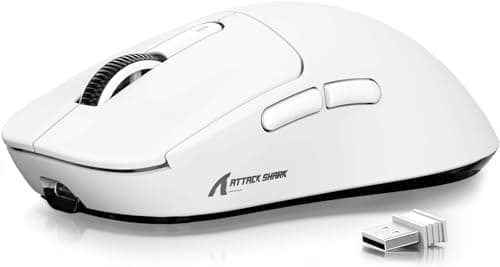
The MANBASNAKE Attack Shark X3 is a sub-50 g ambidextrous wireless mouse featuring a 26k DPI PAW3395 sensor, tri-mode connectivity and an impressive 200 h battery life, targeting competitive gamers who prioritize ultra-light weight over RGB and software polish.
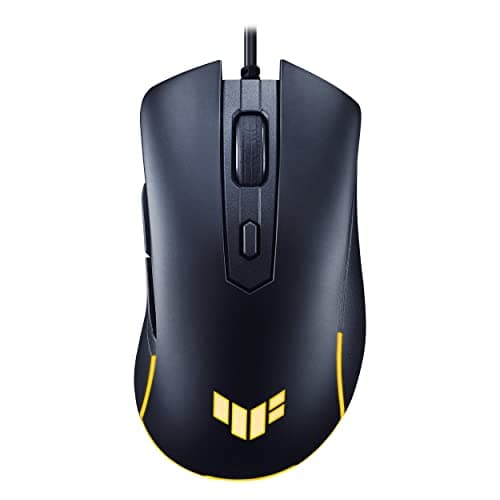
The ASUS TUF Gaming M3 Gen II is an ultra-lightweight wired mouse with an 8000 DPI sensor, robust IP56 durability and antibacterial coating, aimed at competitive FPS and MOBA gamers on a budget.
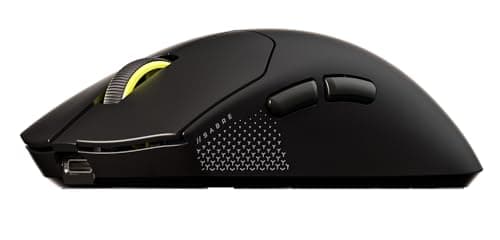
The Corsair Sabre V2 Pro is an ultralight wireless mouse targeting competitive FPS players. It combines a 33,000 DPI sensor, 8,000 Hz polling and a 70-hour battery, but its limited onboard memory and lack of a DPI button may deter power users.
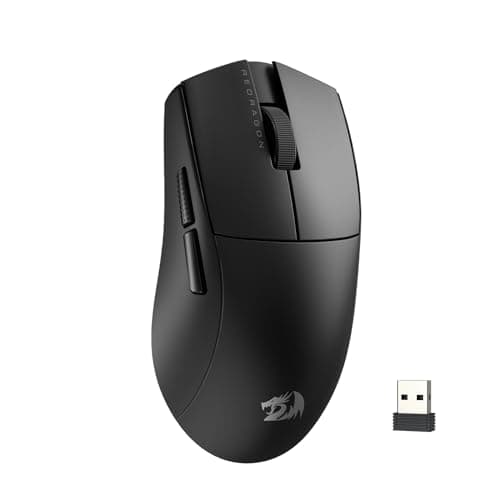
The Redragon M916 delivers ultra-lightweight performance with a 30k DPI PAW3950 sensor and blazing 8k Hz polling, plus versatile 2.4 GHz, Bluetooth, and wired connections. While its price-to-performance ratio is excellent, the cheap plastic build, tail-heavy battery placement, and Windows-only software limit its premium feel.
| Attribute | | | | | | | | | | | | | | |
|---|---|---|---|---|---|---|---|---|---|---|---|---|---|---|
16,000 DPI | 44,000 DPIbest | 36,000 DPI | 8,000 DPI | 22,000 DPI | 30,000 DPI | 33,000 DPI | 8,500 DPI | 26,000 DPI | 19,000 DPI | 18,000 DPI | 35,000 DPI | 26,000 DPI | 26,000 DPI | |
1,000 Hz | 8,000 Hzbest | 1,000 Hz | 1,000 Hz | 1,000 Hz | 8,000 Hzbest | 8,000 Hzbest | — | 1,000 Hz | 1,000 Hz | 1,000 Hz | 8,000 Hzbest | — | 8,000 Hzbest | |
| ↓ lower better | 53.86 g | 60 g | 54 g | 59 g | 59 g | 49 g | 36 gbest | 58 g | 49 g | 58 g | 55 g | 54 g | 54 g | 53 g |
6 count | 5 count | 5 count | 6 count | 5 count | 5 count | 5 count | — | — | 6 count | 6 count | 8 countbest | — | — | |
— | 70 hours | 90 hours | — | 60 hours | — | 70 hours | — | 200 hoursbest | 180 hours | 65 hours | 95 hours | 125 hours | — | |
0.5 MBbest | — | — | — | — | — | — | — | — | — | — | — | — | — | |
— | — | 1 zones | 1 zones | — | — | — | — | — | — | — | — | — | 2 zonesbest | |
50 gbest | 40 g | 50 gbest | 30 g | 35 g | 50 gbest | 50 gbest | — | — | 50 gbest | 40 g | — | — | — |
Click an attribute name to sort · Green = best, red = worst (relative to this comparison)
| Attribute | | | | | | | | | | | | | | |
|---|---|---|---|---|---|---|---|---|---|---|---|---|---|---|
Sensor(1) | ||||||||||||||
Sensor Type | PixArt PMW3389 | HERO 2 | Optical | Optical | PixArt PAW3311 | PAW3950 | Optical | Optical | Optical | PixArt PAW3370 | PixArt PAW3311 | Optical | Owl‑Eye | — |
Buttons(1) | ||||||||||||||
Programmable Buttons (count) | 6 count | 5 count | 5 count | 6 count | 5 count | 5 count | 5 count | — | — | 6 count | 6 count | 8 count | — | — |
Performance(3) | ||||||||||||||
Maximum DPI (DPI) | 16000 DPI | 44000 DPI | 36000 DPI | 8000 DPI | 22000 DPI | 30000 DPI | 33000 DPI | 8500 DPI | 26000 DPI | 19000 DPI | 18000 DPI | 35000 DPI | 26000 DPI | 26000 DPI |
Polling Rate (Hz) | 1000 Hz | 8000 Hz | 1000 Hz | 1000 Hz | 1000 Hz | 8000 Hz | 8000 Hz | — | 1000 Hz | 1000 Hz | 1000 Hz | 8000 Hz | — | 8000 Hz |
Maximum Acceleration (g) | 50 g | 40 g | 50 g | 30 g | 35 g | 50 g | 50 g | — | — | 50 g | 40 g | — | — | — |
Build & Design(5) | ||||||||||||||
Weight (g) | 53.86 g | 60 g | 54 g | 59 g | 59 g | 49 g | 36 g | 58 g | 49 g | 58 g | 55 g | 54 g | 54 g | 53 g |
Hand Orientation | Ambidextrous | right | Right-handed | Right-handed | Right-handed | right | Ambidextrous | Right-handed | Ambidextrous | Ambidextrous | Ambidextrous | Symmetrical | right | Ambidextrous |
Switch Type | Mechanical | LIGHTFORCE hybrid | ROG Micro | — | HUANO | Huano Blue Dot | Mechanical | Gen-3 Optical | Kailh | LK 2.0 optical micro switches | HUYU | Optical | optical | Mechanical |
RGB Lighting | false | false | true | true | true | true | — | true | false | true | true | false | true | true |
RGB Zones (zones) | — | — | 1 zones | 1 zones | — | — | — | — | — | — | — | — | — | 2 zones |
Battery & Power(2) | ||||||||||||||
Battery Life (hours) | — | 70 hours | 90 hours | — | 60 hours | — | 70 hours | — | 200 hours | 180 hours | 65 hours | 95 hours | 125 hours | — |
Battery Type | — | Lithium-polymer | Rechargeable | — | — | Lithium Polymer | — | — | — | — | — | — | — | — |
Warranty(1) | ||||||||||||||
Warranty Period (months) | 24 months | 12 months | 12 months | 12 months | 12 months | 12 months | 24 months | — | — | 24 months | — | — | — | — |
Connectivity(4) | ||||||||||||||
Connectivity Type | Wired | Wireless | Tri-mode | Wired | Tri-mode | Wireless 2.4 GHz, Bluetooth, USB-C wired | Wireless + Wired | Wired | Wireless 2.4GHz, Bluetooth 5.2, Wired USB-C | Wireless, Bluetooth, Wired | Tri-mode | Wireless | 2.4GHz, Bluetooth | Wired |
Wireless Technology | — | LIGHTSPEED | 2.4 GHz RF | — | Bluetooth, 2.4GHz | 2.4 GHz, Bluetooth 5.2 | 2.4 GHz | — | 2.4 GHz, Bluetooth 5.2 | 2.4GHz, Bluetooth 5.1 | 2.4GHz, Bluetooth 5.2 | HyperPolling | 2.4GHz, Bluetooth | — |
USB Version | — | — | USB-C | 2.0 | USB-C | — | — | — | — | — | USB-C | — | — | — |
Cable Length (cm) | 180 cm | — | 200 cm | 180 cm | — | — | 180 cm | — | 160 cm | 180 cm | — | 190 cm | 180 cm | 180 cm |
Products in the top-left offer the best value (high score, low price).
Professional reviewers commend the MM710 for its feather-light weight, solid build, and precise PixArt sensor, noting it rivals higher-priced ultralight mice, while the lack of RGB and left-handed buttons are trade-offs for the weight savings.
Everyday users overwhelmingly praise the mouse's ultra-light feel, smooth glide, and durability of the clicks, but recurring complaints focus on dust entering the honeycomb shell, occasional rattling, and the small form factor being uncomfortable for larger hands.
“It feels like 10 nickels in my hand - truly game-changing.”
“A mouse that gets out of the way.”
“Feels like it disappears in your hand.”
MM710 is the budget-friendly ultralight with onboard storage; the G Pro X Superlight is for users who want Logitech's sensor and premium ergonomics.
Logitech is better for users who prioritize polling speed and brand familiarity; Harpe Ace wins for ultra-lightweight feel and Aim Lab tuning.
Choose Attack Shark X11 for budget versatility; choose G Pro X Superlight for esports-grade reliability and brand backing.
Choose the G Pro X Superlight if you prioritize premium feel and onboard storage and are willing to pay more; choose the M916 for a lighter, cheaper, and more versatile wireless option.
Professional reviewers praise the G PRO X Superlight for its record-low weight, HERO 25K sensor accuracy and lag-free LIGHTSPEED wireless, calling it a benchmark for competitive gaming.
Everyday users overwhelmingly appreciate the mouse's feather-light feel, long battery life and flawless sensor, while noting the small size for big hands and lack of RGB.
Professional reviewers commend the razor-thin weight, industry-leading sensor and Aim Lab integration, while noting the shape may not fit every hand, the 1000 Hz polling ceiling and occasional software issues.
Everyday users rave about the featherlight feel, Aim Lab optimizer and impressive battery endurance, but report software stability problems, limited RGB and a shape that favors claw grip over palm.
Professional reviewers view the M3 Gen II as a value-driven, durable, and performance-oriented mouse that brings premium durability features like IP56 and antibacterial coating to a sub-$60 segment, while the mandatory Armoury Crate software remains a notable drawback.
Everyday users consistently praise the mouse's feather-light feel, precise tracking, comfortable shape, and robust build, but complain about the forced Armoury Crate software, stiff cable, and small size for larger hands.
Professional reviewers appreciate the Attack Shark X11's proven PAW3311 sensor, the flexibility of its tri-mode connectivity and the inclusion of a magnetic charging dock-features rarely seen at this price point. They also note the ergonomic contour and grip-tape as strong comfort factors, positioning the mouse as a high-value alternative to premium models.
Everyday users consistently praise the mouse's comfort, lightweight feel, smooth tracking and the convenience of fast charging and long battery life. Common complaints revolve around the confusing driver software, audible click sounds, occasional grip-tape wear and the slightly large chassis for small-handed players.
Professional reviewers, such as Tom's Guide, commend the M916 Pro for delivering premium-class specs-high polling rates, high DPI and a 49 g weight-at a budget price, noting the PAW3950 sensor as one of the market's best but criticizing the cheap plastic construction and overkill polling rates for most gamers.
Everyday users overwhelmingly praise the M916 for its performance-to-price ratio, lightweight feel, and reliable wireless operation, especially in fast-paced FPS titles, while recurring complaints focus on the plastic shell's durability, rear-heavy balance, and limited Windows-only software.
Reviewers praise its weight, sensor and polling speed, while noting the single profile and missing DPI button as drawbacks.
Users rave about the near-weightless feel and battery life, though some find the feet too slippery and miss a dedicated DPI button.
Professional reviewers praise its exceptional value, ultra-light weight, rapid 0.2 ms actuation and 90 M click durability, while noting the lack of ambidextrous options and limited onboard profiles.
Everyday users consistently praise the comfort, lightweight feel, smooth PTFE feet and striking RGB lighting, though a few mention needing time to adapt to the very light weight and wish for left-handed support.
Niche gaming reviewers call the X3 a hidden gem that delivers premium-grade performance at a budget price, praising its lightweight construction, flawless sensor output and smooth PTFE feet, while noting the less refined software and lack of RGB.
Everyday users rate the mouse highly (average 4.6/5), praising its feather-light weight, long battery life and precise tracking, though they report Bluetooth pairing hiccups, occasional driver glitches and a stiff charging cable.
Professional reviewers praise the engineering feat of a sub-59 g hole-less chassis, fast optical switches and versatile connectivity, while noting the forward sensor placement and modest RGB.
Everyday users love the feather-light feel, reliable Bluetooth performance and sturdy build, but complain about the confusing MasterPlus+ software, vague battery indicator and limited RGB.
Professional reviewers rate the R1 highly, giving it a 4.1/5, and commend its TTC encoder, HUYU switches, 65-hour battery life, and solid-shell ergonomics, while noting the weight discrepancy and lack of onboard storage as minor drawbacks.
Everyday users overwhelmingly praise the mouse's feather-light feel, comfort during marathon sessions, crisp click response, and versatile tri-mode connectivity, but a subset report Bluetooth pairing hiccups, desire for onboard profiles, and occasional confusion over color variants.
Professional reviewers uniformly praise the Viper V3 Pro for its ultra-lightweight chassis, industry-first 8,000 Hz wireless polling, and the Focus Pro 35K sensor's flawless tracking. They note solid build and long battery life at lower polling, but point out the high price, limited appeal beyond esports, wired 1,000 Hz ceiling, and lack of RGB.
Everyday users love the weightless feel, precise tracking on any surface, and the noticeable responsiveness in fast shooters, while complaining about reduced battery runtime at max polling, the awkward bottom DPI button, and the absence of RGB lighting.
Professional reviewers praise the ergonomic research, high-end sensor and low-latency wireless, but note occasional software disconnects and limited fit for larger or left-handed users.
Everyday users love the featherlight feel, long battery life and crisp optical switches, while complaining about the compact size for big hands and the software's occasional dropouts.
Professional reviewers consider the Pulsefire Haste 2 a natural evolution of the original, highlighting its 8000 Hz polling rate and 26K sensor as significant performance upgrades.
Everyday users overwhelmingly praise the mouse's featherlight feel and 8000 Hz polling, while noting dust-collecting honeycomb and occasional cable fraying.
Choose the X3 for ultra-light weight, longer battery and budget; choose the Superlight if you need polished software and RGB.
Pick the G Pro X Superlight for ultimate sensor performance and premium feel, accepting the higher price and lack of Bluetooth.
R1 is better for users needing Bluetooth and a solid-shell feel; Logitech wins for ultimate DPI and slightly longer battery.
Pure Air offers Bluetooth versatility and ultra-light weight; Logitech provides a proven sensor and ecosystem.
Opt for the Pulsefire Haste 2 if you prioritize the fastest polling rate and lightest weight; choose the G Pro X Superlight for slightly higher IPS and a proven sensor.
