Rankings
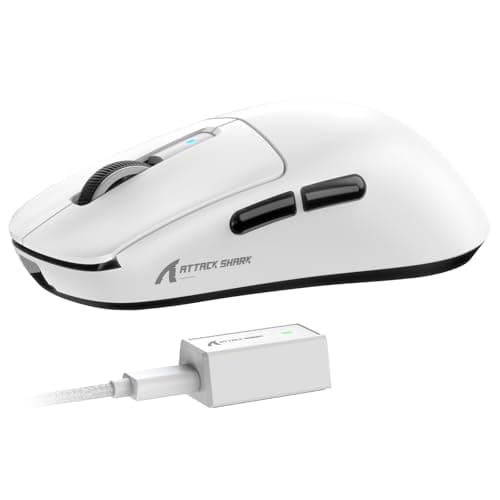
The Attack Shark R6 is a 39 g wireless gaming mouse featuring a PAW3950MAX sensor and 8 000 Hz polling for top-tier performance. Its compact shape and lack of disclosed battery life limit suitability for larger-handed users or those needing clear endurance specs. Ideal for competitive FPS players with small-to-medium hands.
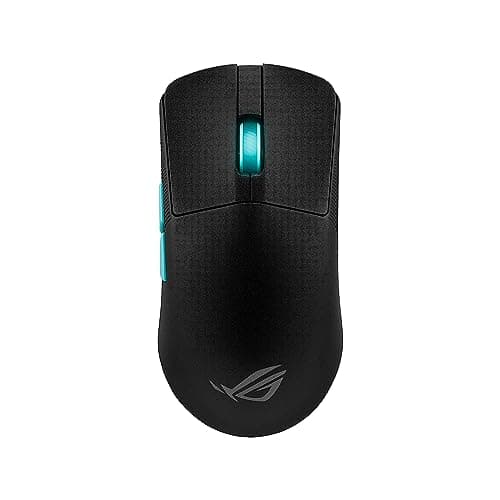
The ASUS ROG Harpe Ace Aim Lab Edition is an ultralight 54 g ambidextrous wireless mouse featuring a 36 k DPI sensor and tri-mode connectivity. Its limited button count and reduced battery life with RGB lighting are trade-offs. Best for competitive FPS and MOBA players who value extreme precision and low-latency wireless performance.
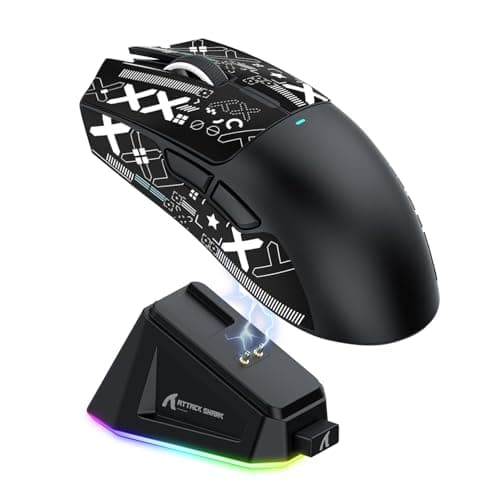
The MAGIC-REFINER Attack Shark X11 Ultra is a 59 g carbon-fiber wireless mouse featuring a high-end PAW3950MAX sensor with 42k DPI and dual 8000 Hz polling. It trades some ergonomic polish and software smoothness for a budget-friendly price and extreme performance. Best for competitive FPS players who need ultra-light weight and top-tier tracking without paying premium prices.
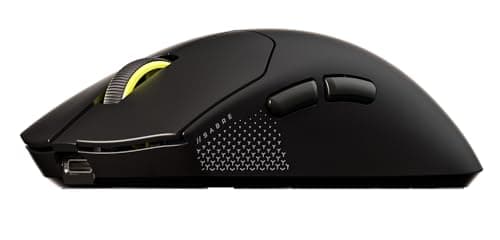
The Corsair Sabre V2 Pro Ultralight is a wireless FPS mouse weighing just 36 g, featuring a 33K DPI MARKSMAN S sensor and 8,000 Hz hyper-polling. It lacks RGB lighting and has a mid-tier sensor compared to premium models. Perfect for elite FPS competitors prioritizing minimal weight and low latency.
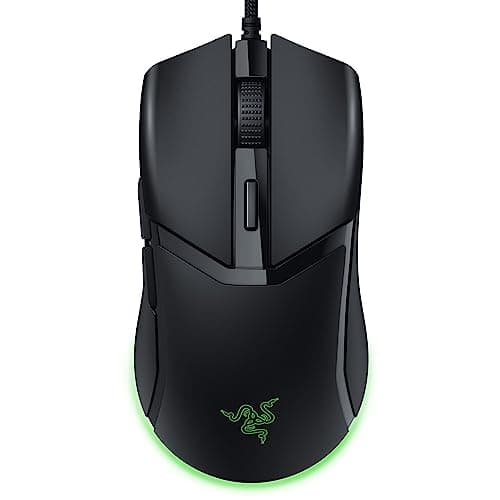
The Razer Cobra is a wired ultra-light gaming mouse delivering 8500 DPI and 0.2 ms Gen-3 optical switches, complemented by a flexible Speedflex cable and RGB underglow. Its modest button count and occasional scroll-wheel quirks limit functionality for complex setups. Perfect for competitive FPS gamers prioritizing speed and low weight.
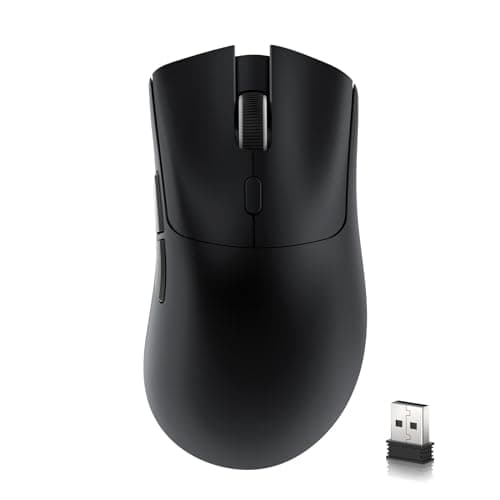
The Attack Shark R1 is a 59 g ultra-light wireless mouse featuring a PAW3311 sensor with up to 18,000 DPI and 1000 Hz polling, plus tri-mode connectivity and RGB backlighting. It sacrifices a honeycomb shell and a larger button count for a lower price and lightweight design. Best for small-handed competitive gamers who value speed and battery life over extensive RGB or extra buttons.
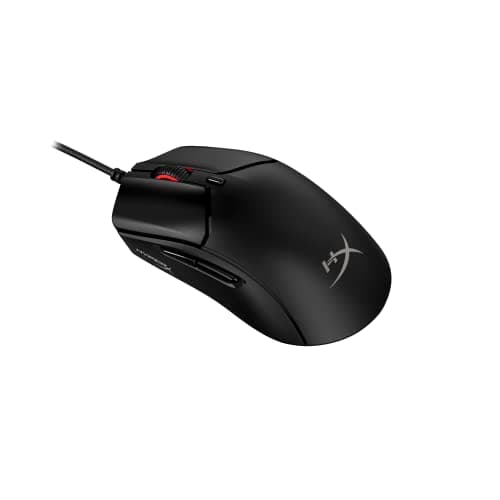
The HyperX Pulsefire Haste 2 is an ultra-light wired gaming mouse weighing just 52 g, equipped with a 26K sensor and an 8000 Hz polling rate for rapid, precise input. It lacks wireless connectivity and offers limited onboard profiles, which may deter users wanting flexibility. Best suited for competitive FPS players who prioritize speed and low weight on a wired setup.
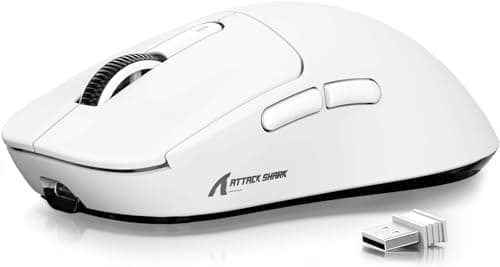
The Attack Shark X3 offers an ultra-light 49 g chassis, a high-end PAW3395 sensor with 26 k DPI, and tri-mode connectivity with up to 200 hours of battery life. However, click latency can be inconsistent and the actual weight may exceed the advertised figure. Ideal for budget-conscious gamers who prioritize portability and battery endurance.
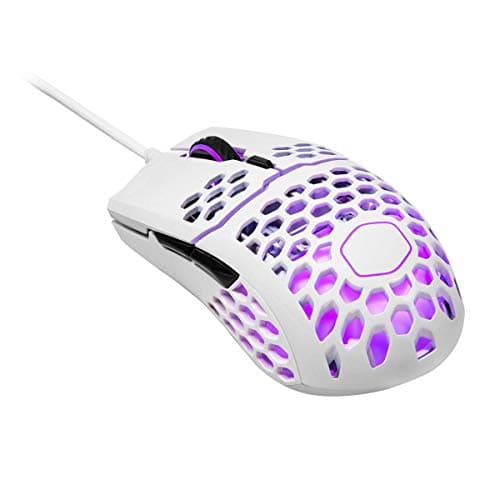
The Cooler Master MM711 is an ultra-lightweight (≈60 g) ambidextrous mouse that adds 2-zone RGB lighting and six programmable buttons to the popular honeycomb design. Its trade-offs include a glossy finish that shows fingerprints and occasional button creaking, as well as a lack of ergonomic contours. Best for competitive players who want RGB without sacrificing the sub-60 g weight advantage.
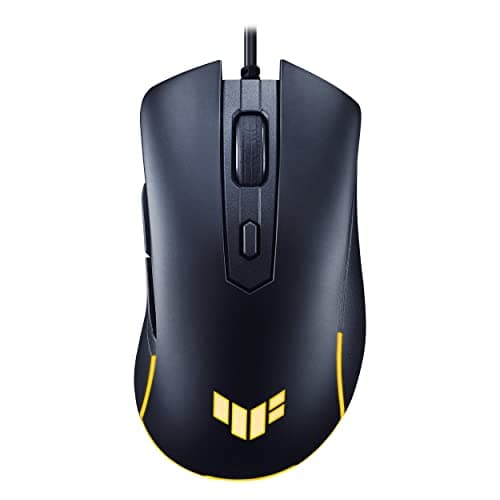
The ASUS TUF Gaming M3 Gen II is a wired, right-handed mouse featuring a PAW3318 optical sensor with up to 8,000 DPI and IP56 dust-and-water resistance. Its trade-offs include a heavier 118 g build and lack of wireless connectivity. Best suited for gamers who value durability and RGB lighting over ultra-lightweight performance.
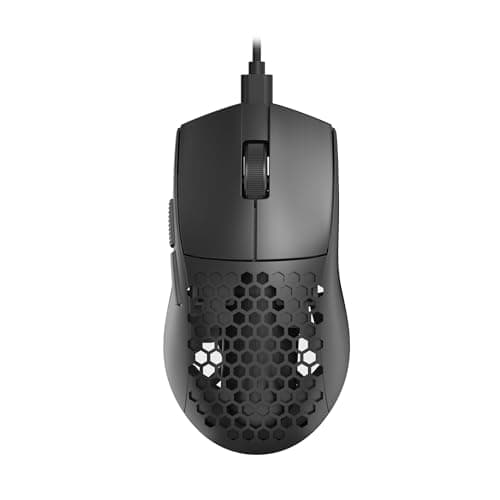
The Redragon M617 is an ultralight wired mouse with a honeycomb shell, 10,000 DPI and six programmable buttons. Limited specifications and lack of RGB or wireless options may deter power users. Suited for FPS/MOBA gamers seeking a featherweight mouse.
| Attribute | | | | | | | | | | | |
|---|---|---|---|---|---|---|---|---|---|---|---|
42,000 dpibest | 26,000 dpi | 36,000 dpi | 8,500 dpi | 16,000 dpi | 33,000 dpi | 26,000 dpi | 10,000 dpi | 42,000 dpibest | 8,000 dpi | 18,000 dpi | |
| ↓ lower better | 59 g | 49 g | 54 g | 58 g | 60 g | 36 gbest | 52 g | 41 g | 39 g | 118 g | 59 g |
8,000 Hzbest | 1,000 Hz | 1,000 Hz | — | — | 8,000 Hzbest | 8,000 Hzbest | — | 8,000 Hzbest | 1,000 Hz | 1,000 Hz | |
5 | — | 5 | 6best | — | 5 | — | 6best | — | 6best | 5 | |
65 hours | 200 hoursbest | 90 hours | — | — | 70 hours | — | — | — | — | 65 hours | |
127 mm | 118.5 mm | 127.5 mm | 119.63 mm | 142.24 mm | 119.1 mm | 124.5 mm | — | 118 mm | 154.94 mmbest | 123 mm | |
63.5 mm | 61 mm | 63.7 mm | 62.48 mm | 134.62 mmbest | 63.5 mm | 66 mm | — | 60 mm | 104.14 mm | 64 mm | |
1 mm | 39.7 mm | 39.6 mm | 38.3 mm | 45.72 mmbest | 38.1 mm | 38.1 mm | — | 38 mm | 2.54 mm | 41 mm |
Click an attribute name to sort · Green = best, red = worst (relative to this comparison)
| Attribute | | | | | | | | | | | |
|---|---|---|---|---|---|---|---|---|---|---|---|
Sensors(1) | |||||||||||
Sensor Type | PAW3950MAX | PixArt PAW3395 | ROG AimPoint | Razer 8500 DPI Optical | PMW 3389 | CORSAIR MARKSMAN S optical | HyperX 26K Sensor | — | PAW3950MAX | PAW3318 | PixArt PAW3311 |
Battery & Power(1) | |||||||||||
Battery Life (hours) | 65 hours | 200 hours | 90 hours | — | — | 70 hours | — | — | — | — | 65 hours |
Build & Design(4) | |||||||||||
Weight (g) | 59 g | 49 g | 54 g | 58 g | 60 g | 36 g | 52 g | 41 g | 39 g | 118 g | 59 g |
Length (mm) | 127 mm | 118.5 mm | 127.5 mm | 119.63 mm | 142.24 mm | 119.1 mm | 124.5 mm | — | 118 mm | 154.94 mm | 123 mm |
Width (mm) | 63.5 mm | 61 mm | 63.7 mm | 62.48 mm | 134.62 mm | 63.5 mm | 66.0 mm | — | 60 mm | 104.14 mm | 64 mm |
Height (mm) | 1 mm | 39.7 mm | 39.6 mm | 38.30 mm | 45.72 mm | 38.1 mm | 38.1 mm | — | 38 mm | 2.54 mm | 41 mm |
Controls(4) | |||||||||||
Programmable Buttons | 5 | — | 5 | 6 | — | 5 | — | 6 | — | 6 | 5 |
Switch Type | Omron | Kailh Black Mamba | ROG 70M Mechanical | Gen-3 Optical | — | Mechanical | — | — | Omron | — | HUANO/HUYU |
Ergonomic Design | true | — | — | — | — | false | — | true | true | true | true |
Grip Type | — | — | Ambidextrous | Fingertip/Claw | Ambidextrous | Any | — | — | — | — | — |
Lighting(2) | |||||||||||
RGB Lighting | true | true | true | true | true | false | false | — | — | true | true |
RGB Zones | — | — | — | — | 2 | — | — | — | — | 1 | — |
Performance(3) | |||||||||||
Maximum DPI (dpi) | 42000 dpi | 26000 dpi | 36000 dpi | 8500 dpi | 16000 dpi | 33000 dpi | 26000 dpi | 10000 dpi | 42000 dpi | 8000 dpi | 18000 dpi |
Polling Rate (Hz) | 8000 Hz | 1000 Hz | 1000 Hz | — | — | 8000 Hz | 8000 Hz | — | 8000 Hz | 1000 Hz | 1000 Hz |
Acceleration (g) | 50 g | 50 g | 50 g | — | — | 50 g | — | — | 50 g | 30 g | 40 g |
Connectivity(2) | |||||||||||
Connectivity Type | Tri-Mode | Tri-mode | Wireless | Wired | Wired | Wireless | Wired | wired | Tri-mode | Wired USB | Tri-Mode |
Wireless Technology | Bluetooth 5.2, 2.4GHz | 2.4 GHz | 2.4 GHz RF, Bluetooth 5.1 | — | — | 2.4 GHz | — | — | 2.4GHz, Bluetooth 5.2 | — | Bluetooth 5.2, 2.4GHz |
Products in the top-left offer the best value (high score, low price).
Professional reviewers view the MAGIC-REFINER Attack Shark X11 Ultra as a compelling budget super-light alternative to premium esports mice. They commend its ultra-light 59 g carbon-fiber chassis, the high-precision PAW3950MAX sensor and the dual 8000 Hz polling that delivers low-latency performance. Build quality is praised as solid with no creak, and the magnetic RGB dock adds convenience. However, critics note ergonomic drawbacks such as edge snags, a heavy scroll-wheel button, limited software polish, and occasional 1000 Hz polling caps that fall short of the advertised specs.
Everyday users overwhelmingly appreciate the mouse's feather-light weight, non-slip grip and affordable price, often calling it the best budget super-light option and a worthy Razer substitute. Battery life and the magnetic dock receive frequent kudos for quick charging. Recurring complaints focus on side-edge finger snags, a heavy scroll-wheel button, intrusive dock lighting, and inconsistent specifications across units, with several users finding the software interface unintuitive.
“snappy... great construction for 63g... solid, no creak/bend”
“lightning-fast moves... unmatched accuracy”
“LTT Labs measured it at 35.7 g, praising the full plastic shell for remarkable lightness in a wireless FPS mouse.”
The R1 outperforms the X11 in weight, sensor performance and connectivity, making it the preferred choice for competitive gamers.
Professional reviewers commend the ATTACK SHARK X3 for its solid construction, high-end PAW3395 sensor and versatile tri-mode connectivity, especially the inclusion of Bluetooth at this price point. However, they note that click latency and speed-related accuracy variation fall short of competitive-grade expectations, and the stock skates and scroll wheel design are seen as areas needing improvement.
Everyday users appreciate the mouse's sturdy feel, lightweight profile, and the value delivered by its feature set, often highlighting the smooth sensor performance after a firmware update and the convenience of Bluetooth. Recurring complaints focus on the average stock PTFE feet, a weight that is slightly higher than advertised, missing wireless receiver in some boxes, and a scroll wheel that lacks free-scroll or tilt.
Professional commentary is limited in the available sources; however, product pages and esports-focused marketing highlight the mouse's pro-grade pedigree, sub-1 % sensor deviation, ultralight construction, and integration with Aim Lab as key strengths for competitive play.
No consumer reviews or ratings were found in the research data, so everyday user sentiment cannot be determined from the available information.
Professional reviewers commend the Razer Cobra for its ultra-light 58 g chassis, low-latency wired connection, rapid 0.2 ms Gen-3 switches, and smooth PTFE glide, positioning it as a top choice for FPS competition. Minor criticisms focus on slight plastic flex and the fact it isn't the absolute lightest mouse available.
Everyday users overwhelmingly praise the Cobra's feather-light feel, responsive sensor, customizable RGB, and smooth glide, while recurring complaints center on its size being a bit larger than expected, scroll-wheel quirks, side-button ergonomics, and occasional software or connectivity hiccups.
Professional reviewers commend the MM-711-WWOL2 for its rigid build quality, ultra-lightweight chassis, and the Ultraweave cable that mimics a wireless feel while delivering a drag-free experience. The addition of RGB lighting without breaching the sub-60 g threshold is highlighted as a key differentiator from the MM710, and the high-speed sensor and 1000 Hz polling rate are praised as on par with top competitors. Minor drawbacks noted include a faint creaking in the side buttons and the extra weight introduced by the lighting system.
Everyday users consistently praise the mouse for its feather-light feel, which reduces wrist fatigue, and the flexible cable that doesn't hinder fast movements. The responsive sensor and customizable software are also well-received. Recurring complaints focus on the glossy finish attracting fingerprints and occasional button creaking under heavy clicks, while some note the lack of ergonomic contours.
Professional reviewers commend the Sabre V2 Pro for its remarkable 36 g weight, 8,000 Hz hyper-polling, and accurate 33K DPI sensor, noting it delivers ultra-low latency and crisp mechanical clicks. Endorsements from pro players highlight its speed and smoothness, though some note the mid-tier 3950 sensor may fall short of premium alternatives.
Everyday users overwhelmingly praise the mouse's featherlight feel and long battery life, often describing it as "basically weightless" and ideal for FPS titles. Recurring complaints focus on the plastic shell's susceptibility to scratches and a desire for a higher-end sensor, while some miss RGB lighting and left-handed support.
Professional reviewers and editors commend the Pulsefire Haste 2 for its refined lightweight chassis, the high-performance HyperX 26K sensor, and the impressive 100-hour battery life. They emphasize the dual-mode wireless connectivity and 8000 Hz polling rate as key differentiators that make the mouse ideal for competitive FPS play, while noting the solid-shell build and limited onboard profiles as minor trade-offs.
Everyday users overwhelmingly appreciate the ultra-light weight, smooth gliding from the skates and grip tape, and the sensor's precision, describing the mouse as fatigue-free even during marathon sessions. Recurring criticisms focus on a slight weight increase over the original model, occasional Bluetooth stability issues, and the restriction of only one onboard profile.
Professional reviewers have not published evaluations; a retail listing simply notes the product is "Not yet reviewed," indicating a lack of formal editorial assessment.
Everyday consumers have not posted specific reviews; product pages highlight the lightweight honeycomb design positively but provide no direct user testimonials.
Professional reviewers consider the Attack Shark R6 a top-tier competitive mouse, lauding its 39 g ultralight build, flawless PAW3950MAX sensor, 8 000 Hz polling and ergonomic ice-feel coating. Minor criticisms focus on its compact shape for large-hand users and the absence of disclosed battery specifications.
Everyday users overwhelmingly appreciate the mouse's feather-light feel, comfortable ice-coating, crisp Omron clicks and lag-free performance, often describing it as "very light" and "amazing" to use. The most common complaints revolve around the small symmetrical shape being less suitable for larger hands and the lack of clear battery life information.
Professional reviewers commend the mouse for its precise PAW3318 sensor, robust 60 M-click switches, and hygienic Antibacterial Guard, while noting the older sensor generation and absence of wireless connectivity as drawbacks.
While direct user reviews are scarce, the high Newegg rating suggests general satisfaction, with users likely appreciating the lightweight feel, durability, and ergonomic design, though some may be disappointed by the wired tether and limited DPI range.
Professional sites such as Versus.com and E-Catalog commend the R1 for its feather-light 59 g chassis, high-end PAW3311 sensor, 125-1000 Hz polling and tri-mode connectivity, positioning it as a high-performance yet affordable alternative to premium models like the Razer DeathAdder V3 Hyperspeed. Reviewers highlight the ergonomic shape, included grip tape and long battery life, while noting the solid shell and lack of extensive RGB as minor trade-offs.
Users consistently praise the Attack Shark R1 for its extreme lightness, precise sensor performance and the immediate value of included accessories such as grip tape. The mouse is frequently described as the best they have used, especially for small-hand ergonomics and multi-device flexibility. Complaints are limited to hand-size fit, the non-honeycomb shell feel and the absence of RGB lighting.
